Best Compact Cameras with WiFi in 2026: Types Compared
Disclosure: We may earn a commission when you buy through links on this page, at no extra cost to you. As an Amazon Associate I earn from qualifying purchases. Learn more
Pocket compacts, mirrorless, vlogging and action models compared: the best compact cameras with WiFi by type, app and price.
Shoppers hunting for the best compact cameras with wifi usually want two things: pictures that clearly beat a phone and an easy way to move those pictures onto the phone. The catch is that the label covers several very different camera types, and the wireless side varies just as much as the lens and the sensor. This guide compares the main types side by side, then walks through the transfer, app and shooting factors that decide which one fits your days. The comparison table below gives the short version first.
One point matters before any spec list. The wireless link governs how your photos reach your phone, so a strong lens paired with a clumsy app can feel slower in daily use than a simpler camera with a smooth connection.


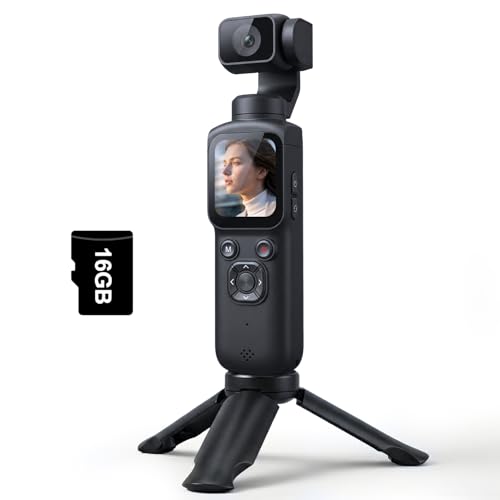
Types of Compact Cameras Compared
Four types make up most of this market. They share a small body and a wireless radio, but they split on lens choice, sensor size and daily carry. The term wifi camera also covers home security models, and the best wifi cameras guide covers that separate class; this page stays with cameras you hold in your hand.
| Type | Best For | Pros | Cons | Typical Price |
|---|---|---|---|---|
| Point and Shoot Compacts | Travel and family days | Pocket size, simple controls | Fixed lens, small sensor | about $250 to $600 |
| Mirrorless Cameras | Growing photo skills | Lens choice, larger sensors | Bigger kit, higher cost | about $700 to $1,800 |
| Vlogging Cameras | Video first shooting | Flip screens, mic inputs | Stills tradeoffs, modest zoom | about $400 to $900 |
| Action Cameras | Water and rough trips | Tough builds, tiny size | Tiny sensors, fixed wide lens | about $300 to $600 |
Point and Shoot Compacts
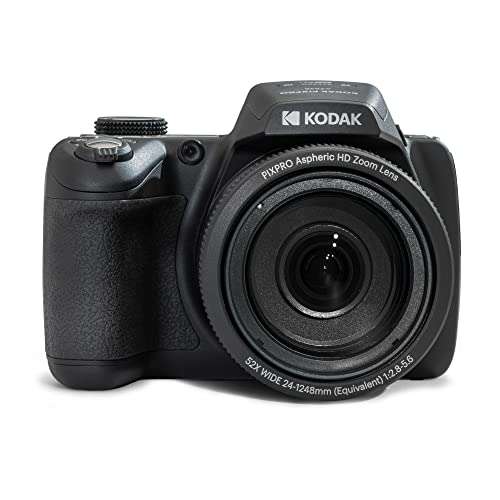
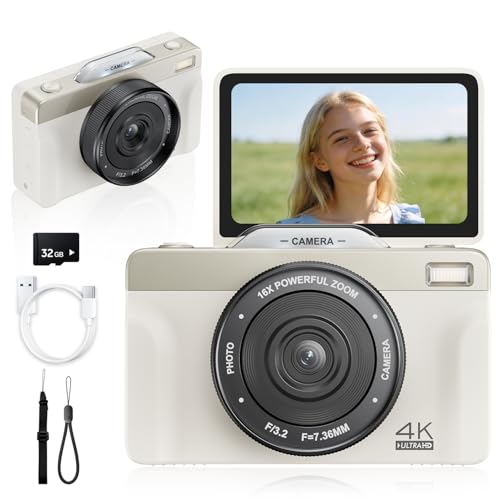
A point and shoot compact keeps its lens fixed and folds it flat into the body, so the whole camera slips into a pocket or a small purse. Zoom ranges run from about 3x to about 10x or more on travel zoom versions, and the small sensor keeps price and weight down. This is the class most people picture when they browse the best compact digital cameras, and it suits travel, family events and everyday carry where ease matters more than lens choice.
Mirrorless Cameras
Compact mirrorless bodies drop the mirror box of a DSLR, which keeps the body small while the lenses stay interchangeable. Sensors jump to the APS C class or larger, so low light results and background blur both improve a clear step over a pocket compact. The tradeoff is total kit size once lenses join the bag. It suits buyers growing into portraits, sports or serious video.
Vlogging Cameras
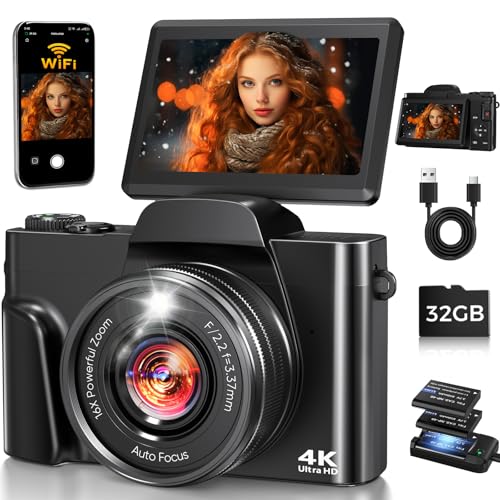
Vlogging compacts are built around video first. A screen that flips to face you, a wide lens and a microphone input on many models shape the class, and the wireless link doubles as a posting tool for short clips. If most of your shooting is video for sharing, this type gives you the least friction per clip.
Action Cameras
Action cameras shrink the body to matchbox size and seal it against water and knocks. The lens is fixed and very wide, the sensor is small, and most control runs through the companion app on your phone. They earn their place on bikes, boats and ski trips where a normal compact would stay in the bag.
Point and Shoot Compacts vs Mirrorless Cameras: Which Should You Choose?
These two types split on one question: do you want the lens decided for you, or do you want to choose it? A point and shoot wins on size, price and speed of use, because it leaves the factory ready for almost any scene.
A mirrorless camera wins on sensor size, lens choice and control, and it pulls further ahead in dim rooms and blurred backgrounds. Cost widens the gap too, since the mirrorless body still needs a lens. Pick the compact for carry and calm; pick mirrorless when photography itself is the hobby.
How to Choose the Right Compact Camera
Wireless Transfer to Your Phone
State it plainly: on the best compact cameras with wifi, the wireless link governs how your photos reach your phone, and it deserves the same attention as the lens. The camera creates its own direct link and your phone joins it. Video clips are the slow part of any transfer. The roundup of best compact digital cameras with wifi shows how transfer habits differ between brands, so check whether a camera can send small copies for quick sharing and full files later.
The App Is Half the Wireless Buy
Every maker ships its own phone app, and that app is half of what you pay for in a connected camera. Read recent app store reviews before you choose, because an app that drops the link or buries the transfer button makes the whole feature feel broken. Pairing should take seconds and stay stable while a batch moves. Two cameras with the same sensor can feel like different products because one app is smoother.
Remote Control for Group Shots and Self Portraits
The same wireless link turns your phone into a remote control. Frame the shot on the phone screen, tap to set focus and fire the shutter from inside the group, which governs whether the photographer appears in group shots at all. Set the camera on a small tripod or a steady shelf and take three or four frames without the dash back and forth. Solo travelers use the same trick for portraits at landmarks.
Sensor Size and Image Quality
Sensor size is the quiet spec behind most quality gaps. Small sensors around the 1/2.3 inch class serve basic compacts, the 1 inch class is the sweet spot for advanced pocket models, and APS C sensors in mirrorless bodies gather far more light per shot. Extra megapixels on the same small sensor add file size more than detail. The wider field of best digital cameras shows the same pattern at every price: sensor and lens set the ceiling, and features decide how easily you reach it.
Low Light Performance
Low light results come from the sensor and the lens working together. A brighter lens, marked with a lower f number such as f/1.8 or f/2.8 at the wide end, keeps shutter speeds up in restaurants and evening streets. If dim rooms are your normal ground, sensor size should outrank zoom range on your list.
Autofocus and Stabilization
Autofocus speed decides how many family and street moments you keep. Eye detection autofocus, common on newer mirrorless and vlogging models, locks onto faces and holds on while people move, taking most of the guesswork out of portraits. In body stabilization appears mainly in the mirrorless class, while compacts rely on lens based or electronic systems that crop the frame a little. For video, smooth stabilization matters more than raw sharpness.
Measuring for Size and Portability
Measure your carry before you measure the camera. A true pocket model weighs about 200 to 300 grams with its battery and disappears into a jacket, while a mirrorless body with a zoom lens runs about 600 grams or more and wants a bag. The survey of best cameras compact shows how the smallest bodies trade lens reach for pocket size.
Tips to Get the Most From Your Compact Camera
- Use a lens cloth, not your shirt, because shirt fabric drags grit across the front glass and leaves fine scratches over time.
- Carry a spare battery, since wireless transfers and remote sessions drain a small battery faster than plain shooting does.
- Store the camera in a dry, padded bag, and take the battery out before any long stretch in a drawer.
FAQ: Questions Answered
What specs matter most in a compact camera for a beginner?
A beginner should rank sensor size, lens brightness and simple controls above megapixels and long zoom numbers. A 1 inch class sensor with a bright lens handles family rooms and evening streets with ease. Add easy wireless transfer, because a camera that shares photos in seconds gets carried far more often. Skip touch heavy menus at first; clear buttons teach the basics faster.
Which compact camera type handles low light best?
Mirrorless cameras handle low light best in this group, because their larger sensors gather more light and their lenses open wider. An advanced compact with a 1 inch sensor and an f/1.8 lens is the pocketable runner up and beats any small sensor zoom model by a clear margin. Action cameras sit last, with tiny sensors built for bright outdoor scenes.
How much should a first time buyer spend on a compact camera with wifi?
Most first time buyers land between about $300 and $700. The lower end buys a simple travel zoom compact with a small sensor, while about $600 to $700 opens the door to a 1 inch sensor model. Budget extra for a case, a spare battery and a memory card, about $40 to $80 together. Past $1,000 makes sense mainly when you already know you want interchangeable lenses.
Is a smartphone enough instead of a compact camera?
A smartphone is enough for casual snapshots in good light, and it shares photos faster than any camera here. A compact camera pulls ahead with a real optical zoom, a larger sensor for dim rooms, physical controls and a battery you can swap mid day. The honest test is your photo library: if your phone shots from trips and events already disappoint you, the camera earns its space. If they look fine, keep the phone.
Does wifi drain the battery on a compact camera?
Yes, a live wireless link is one of the heavier drains on a small camera battery, alongside video recording and heavy screen use. A long transfer session can take a visible bite out of a charge, which is why many cameras send small copies first and full files only on request. Turn the link off between sessions, transfer in batches, and carry a spare battery on travel days.
Final Thoughts
Choose by type first, then by connection. The sensor and lens set the quality ceiling, the app decides how pleasant the wireless side feels every day, and the product table above lines the main types up by price and purpose. Matched against your carry habits and your light, the best compact cameras with wifi are simply the ones you will actually bring along, charged, paired and ready to share.