
Best Compact Digital Cameras with WiFi in 2026: Types Compared
Disclosure: We may earn a commission when you buy through links on this page, at no extra cost to you. As an Amazon Associate I earn from qualifying purchases. Learn more
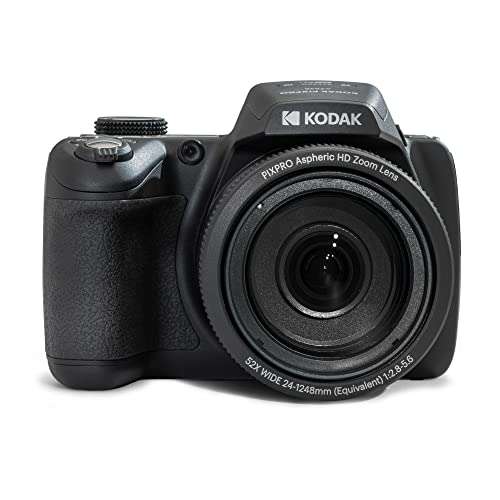
Action, point and shoot, advanced and vlogging models compared: the best compact digital cameras with WiFi by type.
Choosing a small camera gets confusing fast because the word compact covers rugged action models, simple travel cameras, and serious tools with large sensors. Start with the best compact digital cameras with wifi for your main use, and the spec lists become easier to read. WiFi matters because it changes how quickly photos move to your phone for sharing and remote control.
This guide compares each type by what it does well, where it falls short, and who it suits, without reviewing individual models. Use the product table to spot the price range of each type, then read the sections that match your plans.


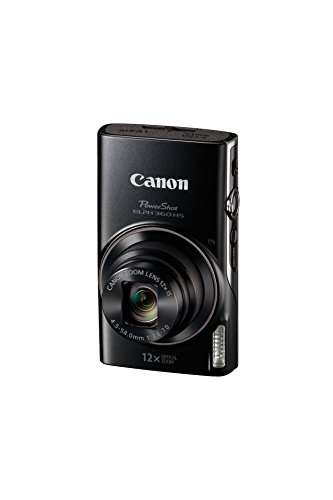


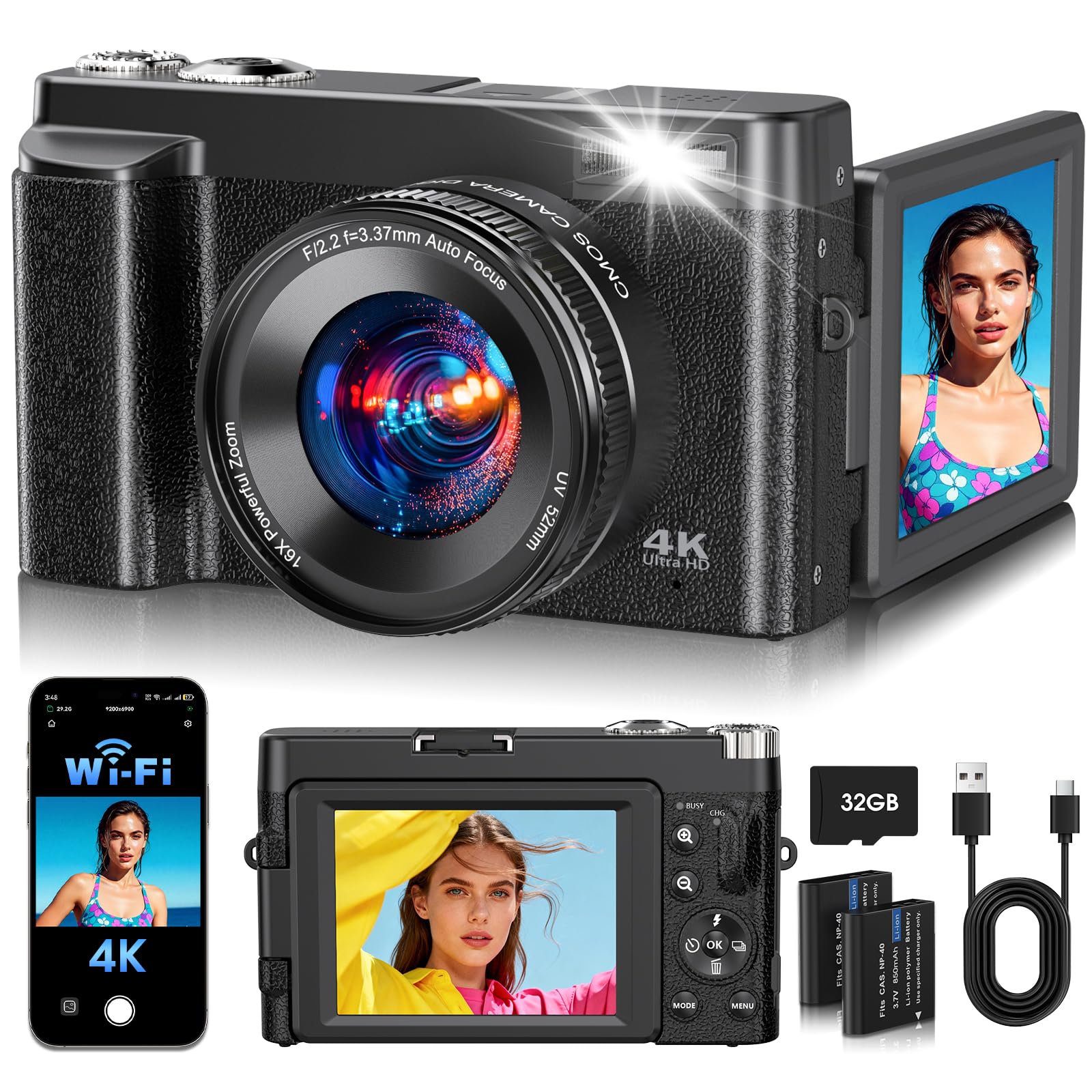
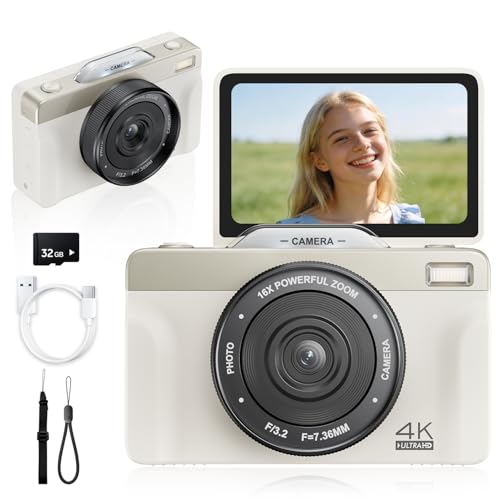
Types of Compact Digital Cameras Compared
Four types cover most of the market, and each trades size, control, and durability in a different way. Prices overlap a lot, so the type decision matters more than the budget decision. If you want the wider market first, see our guide to the best compact digital cameras.
Action Cameras
Action cameras are tiny, tough boxes built for video first, with a fixed ultrawide objective lens, strong image stabilization, and bodies that shrug off knocks, dust, and water. Most are weatherproof or waterproof to a stated depth without a case, and mounts let you fix one to a helmet or bike. Stills are decent but rarely the strong point, and the wide view distorts faces at the edges.
Most current models with 4K video and WiFi transfer cost under $450. Choose this type for sports, snorkeling, and rough travel where a normal camera would stay in the bag. Skip it if you mainly want portraits or zoom reach, because the fixed wide lens and small sensor limit both.
Point and Shoot Compacts
Point and shoot compacts are the classic pocket cameras, with a retractable optical zoom lens, a fully automatic mode, and controls a new owner can learn in an afternoon. Zoom range is their big advantage over phones, covering wide group shots through to distant subjects. Image quality in daylight is clean, and the flash, grip, and physical shutter button make them feel deliberate in a way a phone screen does not.
Simple models start around $150. Choose this type for family trips, concerts where cameras are allowed, and everyday carry when you want real zoom in a jacket pocket. The limits are low light results and slower focus on moving subjects.
Advanced Fixed Lens Compacts
Advanced compacts pair a larger sensor, often 1 inch or APS C size, with a bright fixed lens and full manual controls. They suit photographers who know exposure basics and want raw files, shallow depth of field, and strong low light results from a camera that still fits a coat pocket. Zoom flexibility is limited to a modest range or a single focal length, so you compose with your feet.
Most models cost around $600 or more, which overlaps entry level cameras with interchangeable lenses. Choose this type when image quality matters more than reach, and when you will use the dials and custom settings. If you shoot mostly in auto mode, the extra cost buys little.
Vlogging Cameras
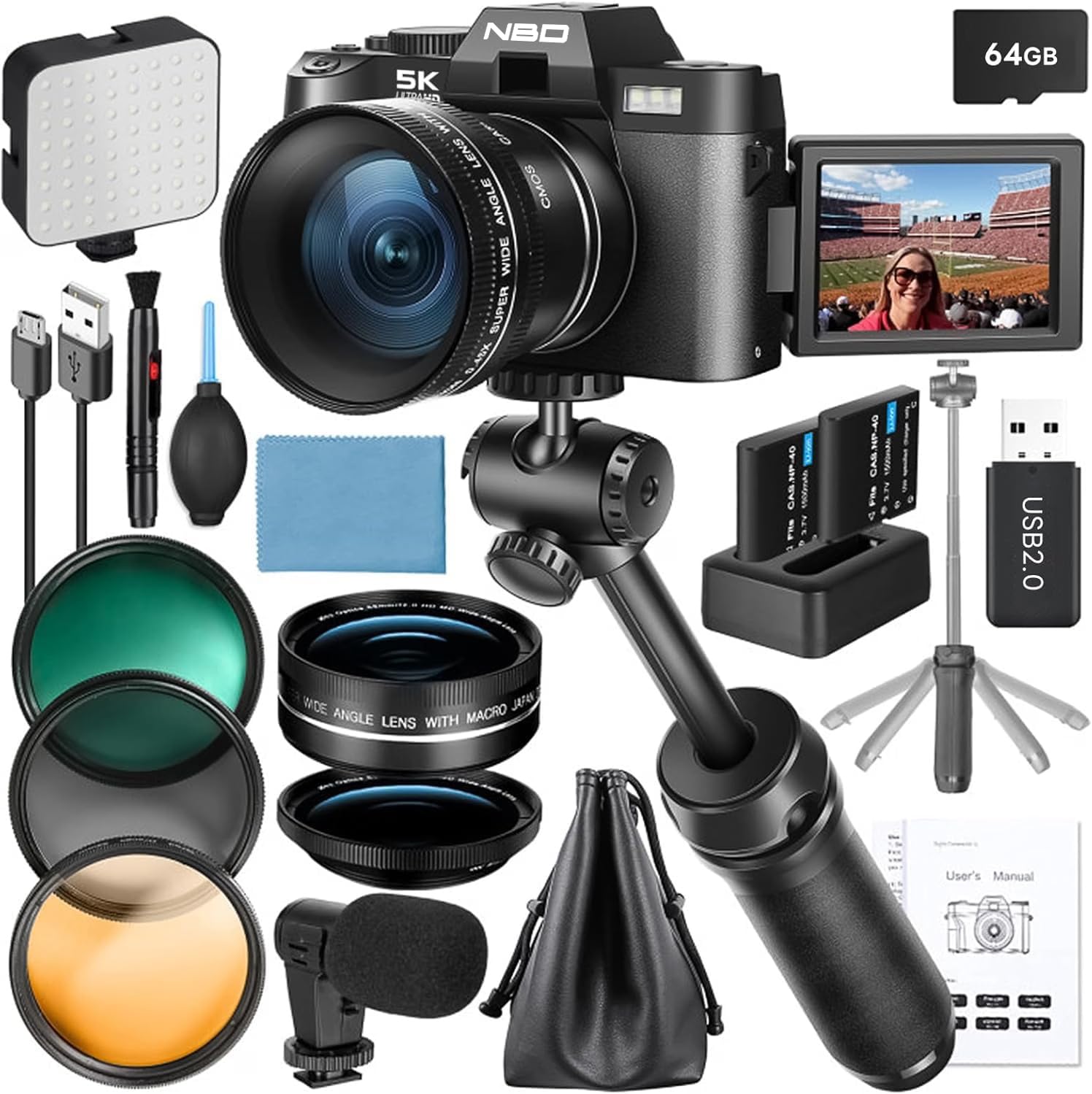
Vlogging cameras are compacts shaped around video and sound, with a flip screen you can see from the front, face and eye tracking autofocus, and a microphone input or a strong built in microphone array. Many add modes that shift focus to an object you hold up, plus stabilization tuned for walking shots. WiFi matters here because clips move to a phone for quick edits and posting.
Capable models start around $400 depending on sensor size and lens quality. If you record yourself often, you may also want to compare the best compact cameras with WiFi built mainly around still photos. Choose a vlogging model for channels and travel diaries, and skip it if you never record video.
Action Cameras vs Point and Shoot Compacts: Which Should You Choose?
These two types sit at similar prices, so buyers often cross shop them, yet they answer different questions. An action camera wins on durability, mounting options, and stabilized video in motion, and it loses on zoom and still photo detail. A point and shoot compact wins on zoom range, flash, and simple stills, and it loses when the setting turns wet or dusty.
Think about failure risk first, because a dropped camera can end your trip photos entirely. Think about subject distance second, because no app fixes a lens that cannot reach a stage or a shy animal. For mixed trips, the point and shoot usually covers more moments.
How to Choose the Right Compact Digital Camera
Once the type feels right, compare models inside that type using the factors below. The best compact digital cameras with wifi for you will balance sensor and lens quality, app workflow, and a size you will actually carry. Shoppers weighing compacts against larger bodies can see our guide to the best digital cameras.
Sensor Size and Image Quality
Sensor size drives low light quality, depth of field, and detail in shadows more than megapixel count does. Small sensors struggle once light drops, 1 inch sensors are a clear step up, and APS C or full frame sensors go further again at higher cost and size. More megapixels on a tiny sensor can add noise rather than detail, so judge sample photos at your usual light levels.
Why Choose a Compact Digital Camera With WiFi
WiFi lets you send photos to your phone without cables or card readers, control the camera remotely through an app, and back up favorites while you travel. The limits are real too. Transfers of large 4K video files can be slow, apps vary in quality between brands, and a live connection drains the battery faster. For a deeper look at connection features, see our guide to the best WiFi digital cameras.
WiFi is worth paying for if you post photos the same day, shoot group pictures you need to be in, or want a remote screen for tripod work. It matters less if you edit on a computer later, where a card reader is quicker. Check that the app supports your phone and full resolution transfers, because some apps shrink images by default.
Autofocus and Stabilization
Autofocus speed and tracking decide how many moving subject shots stay sharp. Eye detection for people and animals now appears across price levels and is worth having for family and pet photos. Continuous focus that hunts or pulses in video is a common weakness, so sample clips tell you more than spec sheets.
Image stabilization comes as lens based, sensor based, or digital systems, and the best models combine them. It helps most with handheld stills in dim light and walking video, but it cannot freeze a moving subject. Action cameras lean on strong digital stabilization, which crops the frame slightly.
Ease of Use for Your Skill Level
Match the controls to your habits, not your ambitions. A simple scene mode layout suits owners who want the camera ready in seconds, while dials for aperture and shutter speed reward anyone who understands exposure. Touch screens speed up focus point selection, yet small buttons can frustrate larger hands.
App setup is part of ease of use on a WiFi model. Pairing should take minutes, the app should reconnect on its own, and transfers should resume after an interruption. If a brand app is known for dropouts, treat that as a core flaw, because a connection you avoid using delivers no benefit.
Measuring for Size and Portability
Check three numbers before buying: weight with battery and card, thickness with the lens closed, and whether the body fits the pocket or bag you truly carry daily. A camera left at home takes no photos, so a weaker model that travels everywhere often produces the better album. Travel focused shoppers can see our guide to the best compact digital cameras for travel for packing advice.
Also weigh the extras. Chargers, spare batteries, and a case add bulk, and some compacts charge only through the camera body, which ties it up overnight. Grip shape matters as much as grams, since a flat slippery body tires your hand.
Common Mistakes to Avoid
- Buying by megapixel count alone, which leads to noisy low light photos because sensor size matters more.
- Choosing the longest optical zoom without checking lens brightness, which leaves indoor and evening shots soft and grainy.
- Assuming every WiFi camera transfers full size files quickly, which strands large videos on the card when the app shrinks or stalls transfers.
- Ignoring battery life ratings, which means the camera dies midday because WiFi use and video drain small batteries fast.
- Picking an action camera for family portraits, which gives distorted faces from the ultrawide lens at close range.
- Skipping the memory card speed rating, which causes 4K video recording to stop early on a slow card.
How to Make Your Compact Digital Camera Last Longer
Clean the lens with a lens cloth, not your shirt, because shirt fabric traps grit that can scratch the coating over time. Blow dust off first, then wipe gently in circles from the center outward. Keep a cloth in the camera case so the habit is easy on the move.
Carry a spare battery and rotate both packs so neither sits empty for months, which shortens its life. Store the camera in a dry, padded bag away from steam and car heat. Check for firmware updates in the app a few times a year, since updates often fix connection bugs, and inspect the strap for fraying before each trip.
Compact Digital Cameras: Your Questions Answered
What specs matter most for beginners buying a compact digital camera?
Sensor size, lens brightness, and autofocus reliability matter most for a first compact digital camera. Start with a moderate zoom, a screen you can read in sunlight, and a simple auto mode. One factor beginners often miss is startup time, because a camera that wakes slowly misses candid moments even when its image quality is strong, so check wake speed as well.
How does optical zoom differ from digital zoom on a compact digital camera?
Optical zoom changes the lens focal length and keeps full detail, while digital zoom crops and enlarges the middle of the image. A 10x optical range can genuinely frame distant subjects, but the digital extension past that point softens detail. A useful extra check is zoom speed and noise, because a slow or loud zoom motor can ruin quiet video scenes and startle wildlife.
Which compact digital camera type is better for low light photos?
Advanced fixed lens compacts are better for low light photos than action models or basic point and shoots. Their larger sensors gather more light and their bright lenses allow faster shutter speeds at lower sensitivity settings, which keeps detail cleaner. A practical extra is a small tabletop tripod, because a steady camera can use a slow shutter for still scenes and beat any handheld result.
How much should you spend on your first compact digital camera with WiFi?
Most first time buyers of a compact digital camera with WiFi do well with a budget around $400. That level covers capable point and shoot models and some vlogging cameras with good apps. Keep a small extra amount aside for a fast memory card, a spare battery, and a padded case.
Is a smartphone enough instead of a compact digital camera?
A smartphone is enough instead of a compact digital camera for casual snapshots in good light that go straight to social apps. A dedicated camera earns its place when you want real optical zoom, stronger low light results, or physical controls. One overlooked gain is durability on trips, since a dropped camera with a wrist strap is a smaller loss than a cracked phone screen.
Final Thoughts
Start with the type, since action, point and shoot, advanced, and vlogging models each solve a different problem. Then compare sensor size and WiFi app quality inside that type, using the product table to keep prices and specs side by side. When the best compact digital cameras with wifi choice matches how you shoot and share, a small camera becomes the one you carry daily.


