Best Compact Cameras with EVF in 2026: How to Choose
Disclosure: We may earn a commission when you buy through links on this page, at no extra cost to you. As an Amazon Associate I earn from qualifying purchases. Learn more

Compare the best compact cameras with EVF by who they suit: travelers, everyday shooters and enthusiasts who want a finder.
There is no single camera that suits every photographer, because the model that feels perfect on a city break may frustrate someone who shoots family events every weekend. The best compact cameras with evf share one trait, though: a proper eye level finder in a body small enough to carry daily. Start from how you actually shoot, and the right shortlist gets much shorter.
An electronic viewfinder earns its place in bright sun, where rear screens wash out, and whenever you want to brace the camera against your face for a steadier hold. The product table lines up the leading options side by side, so use this guide to decide which specs deserve your money before you compare models there.
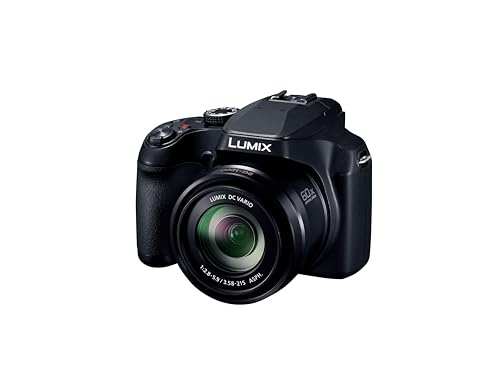
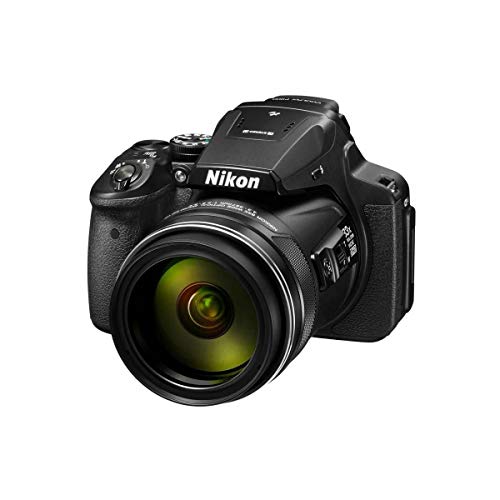


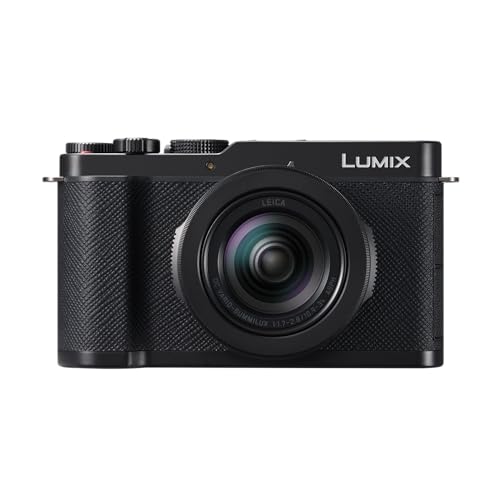
Who Should Buy Which Compact Camera with an EVF?
Matching the camera to your routine matters more than chasing the longest spec list. A finder, a sensor, and a lens that serve one kind of shooting can be wasted money for another, so begin with the group below that sounds most like you.
For Travelers and Commuters
You need a camera that disappears into a jacket pocket or a small sling bag, survives being pulled out dozens of times a day, and still has charge left at dinner. Prioritize light weight, a lens that retracts flush with the body, and USB charging so a power bank in your bag can top up the battery between stops. A finder matters here because midday sightseeing light is exactly where screens fail. For route by route planning, see our guide to the best compact cameras for travel before you settle on a size.
For Students and Everyday Users
Your camera mostly covers birthdays, school events, pets, and weekend outings, so ease matters more than exotic specs. Look for reliable autofocus that locks onto faces without fuss, image stabilization that rescues slower shutter speeds indoors, and menus you can learn in an afternoon. Battery life should stretch across a full day of casual shooting. If you are comparing the wider everyday market, our guide to the best compact digital cameras shows how these finder equipped models sit alongside simpler designs.
For Enthusiasts and Power Users
You shoot often, you edit your files, and you notice when a camera slows you down. Prioritize a high resolution finder with a fast refresh rate, direct dials for aperture and exposure compensation, and autofocus that tracks moving subjects across the frame. Raw file support, a hot shoe for an external flash, and weather sealing for outdoor work all belong on your list. You will accept a slightly larger body, because control speed matters more to you than the smallest possible footprint.
Picking the Right Compact Camera for Different Uses
Once your group is clear, the choice narrows to trade offs between size, reach, and control. Travel shooters often accept a longer zoom and a smaller sensor, while enthusiasts trade zoom range for a brighter lens and a bigger sensor. If you are also weighing larger interchangeable lens options, our guide to the best digital cameras helps you judge whether a compact truly fits your plans, since many mirrorless cameras now rival compacts on size once a lens is attached.
Best New Compact Cameras with EVF
The newest models earn attention for three specific upgrades rather than for novelty alone. Subject detection autofocus now recognizes people, animals, and vehicles far more reliably, finder refresh rates have climbed so panning feels smooth instead of steppy, and stabilization keeps improving for handheld video and slow shutter stills. If a recent release adds none of those, an older model at a lower price is often the smarter buy. New also tends to mean better wireless transfer to your phone, which speeds up sharing without extra cables or card readers.
Key Features to Compare
Sensor Size and Image Quality
Sensor size shapes your photos more than any other single spec. Most finder equipped compacts use a 1 inch sensor, a sensible middle ground that gathers far more light than a phone while keeping the body pocketable. A smaller group uses APS C sensors, which deliver cleaner files at high ISO settings and shallower depth of field, at the cost of larger lenses and bodies.
Full frame compacts exist but are rare and costly. Megapixels matter less than sensor area, because cramming more pixels onto a tiny sensor can add noise rather than detail.
Why Choose a Compact Camera with an EVF
An electronic viewfinder shows the scene through the lens as the sensor sees it, so you compose with the actual framing and settings applied. Two numbers define finder quality. Resolution, listed in dots, controls how crisp the image looks, and anything around 2.36 million dots or above reads clearly.
Magnification controls how large the view appears, and around 0.6x or higher feels roomy rather than tunnel like. The trade offs are real: finders add cost, use battery power, and on the smallest bodies the eyepiece can feel cramped.
Battery Life and Charging
Ratings are quoted in shots per charge, and compact cameras with finders typically land somewhere between about 250 and 450 shots depending on how much video you record and how often the screen stays on. Real days out usually beat the rating for stills only shooting, because the test cycles power and flash heavily. USB C charging is worth seeking out, since it lets one cable serve your phone and camera. Whatever you choose, budget for a spare battery, because compact cells are small and a spare weighs almost nothing in a pocket.
Measuring for Size and Portability
Check three numbers before you buy: weight with battery and card fitted, depth with the lens retracted, and width against the pocket or bag slot you plan to use. A camera that fits a coat pocket gets carried, while one that needs a dedicated bag often stays home. Hold the grip in the store if you can, because a few millimeters of grip depth change one handed security a lot. If true pocket size is the priority, our guide to the best cameras compact options breaks down the smallest shapes worth considering.
Low Light Performance
Evening streets, restaurants, and indoor events test a compact harder than any sunny landscape. The lens aperture does heavy lifting here: a maximum aperture around f/1.8 to f/2.8 at the wide end lets in several times more light than a slower f/4 lens, so the camera can hold ISO lower and keep files cleaner. Image stabilization helps with still subjects at slow shutter speeds, but it cannot freeze a moving child or pet. Bigger sensors, covered above, give you more headroom when you do raise ISO.
Common Mistakes to Avoid When Buying Compact Cameras
Reach tempts many buyers first, so it is worth slowing down before you pay extra for it. If a long zoom is genuinely your priority, compare the options in our guide to the best compact cameras with zoom and then weigh the mistakes below.
- Judging a camera by megapixels alone, because sensor size and lens quality decide real image quality far more.
- Skipping the finder specs, because a low resolution or low magnification eyepiece feels cramped and may go unused.
- Paying for the longest optical zoom without checking the aperture, because long zoom lenses often go dim and struggle indoors.
- Choosing the smallest body with large hands, because tiny controls and a shallow grip make shooting slower and less secure.
- Ignoring the running costs and warranty terms, because cards, a case, and a spare battery add up after checkout.
How to Make Your Compact Camera Last Longer
Clean the lens with a proper lens cloth, not your shirt, because shirt fabric traps grit that can scratch coatings over time. Blow dust off the glass first with a small air blower, and keep a cap or closed lens cover on in sandy or dusty places. Carry a spare battery and rotate the pair so neither sits empty for months, and recharge both before a big day out.
Store the camera in a dry, padded bag rather than loose in a backpack, and let a rain damp body air dry fully before sealing it away, since weather sealing resists splashes but does not make a camera waterproof. Handle the finder eyepiece gently when you clean it, and remove the battery if the camera will sit unused for several weeks.
Compact Cameras: Your Questions Answered
What is the difference between an EVF and an optical viewfinder on a compact camera?
An EVF shows a live electronic feed, while an optical finder shows the scene directly through glass. The practical difference is preview: an EVF displays your exposure, white balance, and depth of field before you press the shutter, and it can replay photos and menus through the eyepiece on a bright day. An optical finder feels instant and uses no power, but it previews nothing, which is why most modern compacts have moved to electronic finders.
What specs matter most for beginners buying a compact camera with an EVF?
Start with forgiving automation: a dependable full auto mode, scene modes that actually match your subjects, and a touch screen for tapping a focus point. A finder with a clear, bright image matters more than a huge zoom range you will rarely use. Also check that the camera charges over USB, because beginners often forget a dedicated charger at home. Simple menus and a good phone app round out a setup that encourages daily use instead of shelf time.
How much should you spend on your first compact camera with an EVF?
Most first time buyers land at about $400 to $900 for a model with a good finder and a 1 inch or larger sensor. Below that range, finders often shrink or vanish entirely, which defeats the point of this category. Above it, you pay for bigger sensors, brighter lenses, and faster controls that hobbyists value. Keep roughly ten percent of your budget aside for a memory card, a case, and a spare battery so the camera is ready to use from day one.
Is a smartphone enough instead of a compact camera with an EVF?
A phone is enough for casual snapshots, and its processing still wins for instant sharing. A compact pulls ahead when you want an eye level finder in harsh light, an optical zoom that does not rely on digital cropping, and physical dials that keep settings under your fingers. It also keeps photography off the device that handles your calls and messages, so a long shoot never drains the battery you need for the trip home. Many owners keep both and reach for each deliberately.
Can you wear glasses comfortably with a compact camera EVF?
Yes, most wearers manage well, especially on models with a longer eye point that keeps the full frame visible when your eye sits slightly back. Look for a diopter dial beside the eyepiece, because it adjusts the finder image to your prescription and can let you shoot without glasses at all. A soft rubber eye cup also helps block stray light. If you wear large frames, test the finder in a store, since eyepiece size varies more between compact models than any spec sheet suggests.
Final Thoughts
Buy for your routine first: the right sensor size, a finder you genuinely enjoy looking through, and a body small enough that you carry it without thinking. Use the product table to check how your shortlist compares on those three points before price enters the picture. Chosen that way, the best compact cameras with evf stop being a spec contest and become the camera that is actually with you when the moment happens.