Best Compact Cameras under 1000 in 2026: Matching the Right Camera to Your Routine
Disclosure: We may earn a commission when you buy through links on this page, at no extra cost to you. As an Amazon Associate I earn from qualifying purchases. Learn more

Compare the best compact cameras under 1000 by sensor size, zoom range, and video features, matched to your daily routine and total kit budget.
A price cap changes the question. Rather than asking which camera wins on paper, you ask which of the best compact cameras under 1000 fits the days you actually live. At this cap, one spec leads the rest: the sensor class governs how the camera copes with dim rooms, evening streets, and indoor family moments far more than pixel counts do.
The comparison table below groups the main types by routine, from travel to desk work to family life. This guide then separates the two sensor classes honestly, explains what the zoom and video figures mean in daily use, and reserves part of the budget for the kit pieces buyers forget. The goal is a camera that leaves the house with you, not one that only wins a spec sheet.


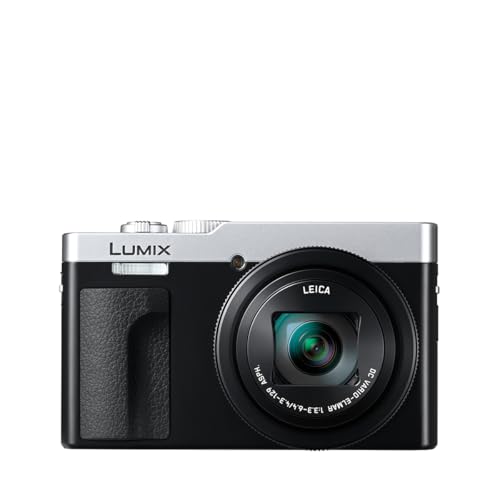


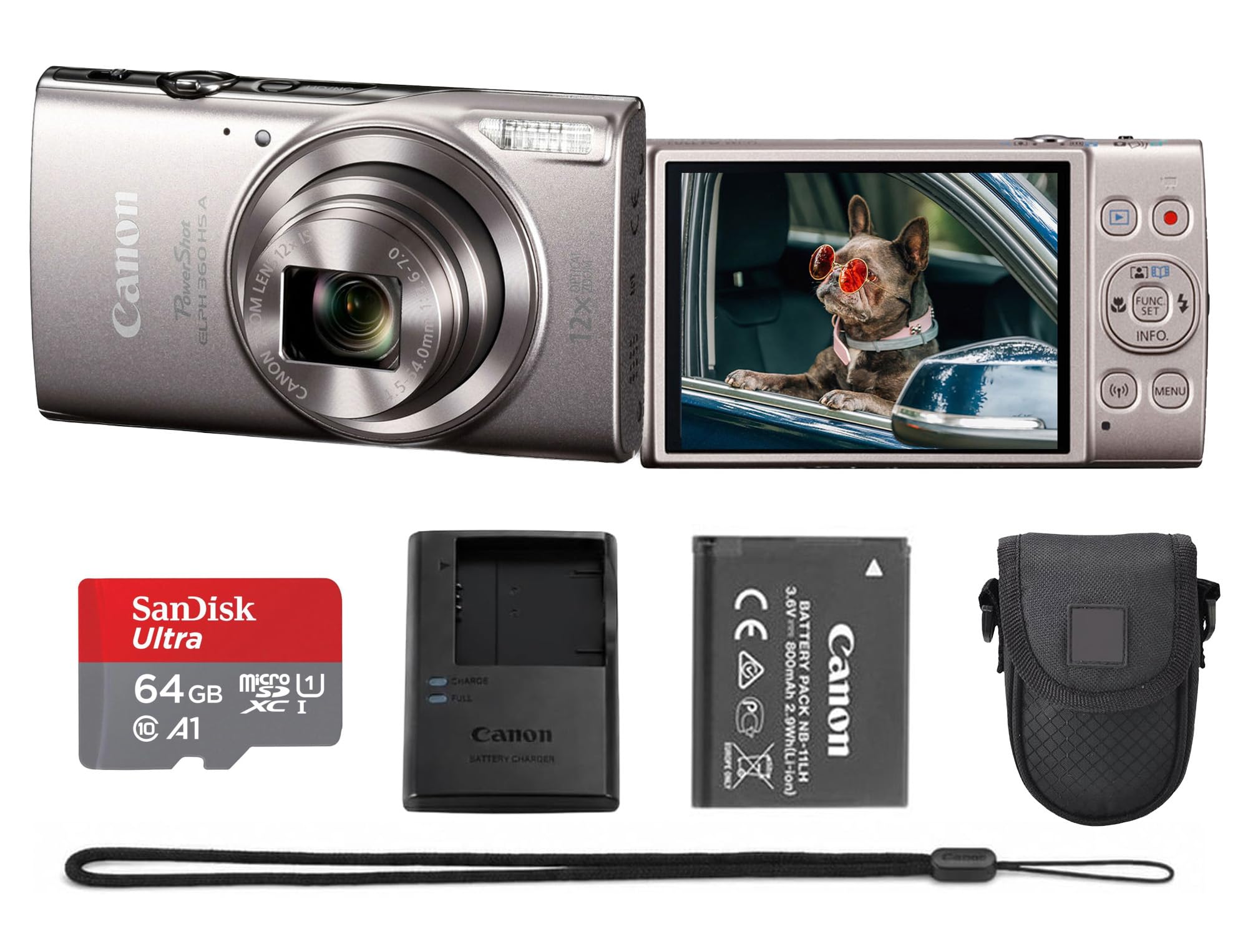

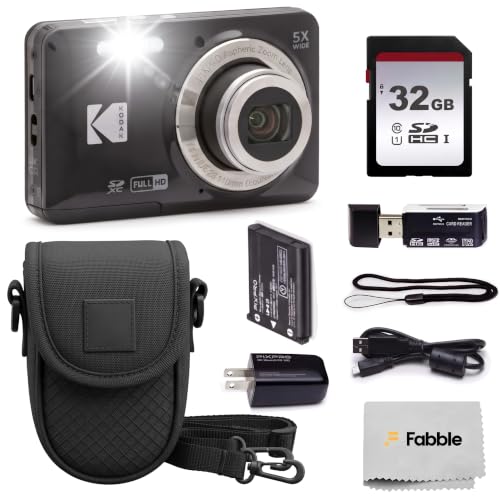
Who Should Buy Which Compact Cameras?
Routines split this class more cleanly than brands do. A traveler, a creator, and a parent need different strengths from the same budget. Buyers who drop the compact requirement entirely can compare the wider field in our guide to the best cameras under 1000.
For Travelers and Commuters
Travelers should prize low weight, a fast start, and a zoom that covers streets and landmarks without a lens swap. A travel zoom model fits that routine, since it packs a long reach into a pocket size body. Battery life matters on long days away from a charger, so check the shot rating before you buy. A tough case and a wrist strap protect the camera through stations, trails, and crowded markets.
For Remote Workers and Creators
Creators need clean video, a screen that flips for self recording, and a microphone input once the work turns public. A one inch sensor model serves that routine best, because it holds detail in indoor light where calls and clips are filmed. Reliable autofocus matters more than raw resolution here, since a soft face ruins a take. Plan for a small tripod as well, because stable framing makes budget footage look planned.
For Students and Everyday Users
Students and everyday shooters should favor simple controls, honest auto modes, and a price that leaves room for a memory card and a case. A modest small sensor model covers family events, campus life, and weekend trips without stress. Durability counts, since these cameras ride in backpacks and coat pockets daily. Choose the model you will actually carry, because the best routine camera is the one that is present.
For Serious Hobbyists
Hobbyists who shoot often should look for manual controls, raw file support, and a bright fixed zoom lens. A one inch sensor model near the top of the cap rewards that routine with cleaner files and more room to edit. A control dial and a custom button or two speed up daily shooting. This group also gains the most from a hot shoe, which opens the door to a small flash later.
Key Features to Compare
Sensor Size Governs Low Light
Start with the sensor, because it sets the ceiling for everything else in this class. A larger sensor gathers more light for each photo, so it holds detail and color as rooms get darker, while a small sensor leans on flash and noise reduction much sooner. Megapixel counts mislead here, since more pixels packed onto a small sensor can mean noisier images. Judge this class by sensor size first, lens brightness second, and pixel count last.
One Inch Sensors and Small Sensors Are Different Buys
Under this cap you meet two honest buy classes, and they are different tools rather than rivals. One inch sensor models cost about $600 to $1000 and suit low light, portraits, and print making. Small sensor models cost about $250 to $600 and return the savings as longer zoom range and smaller bodies. Neither class is a mistake; the mistake is paying one inch money for small sensor results, or expecting travel zoom reach from a large sensor body.
Zoom Range and Lens Quality
Zoom figures describe framing, not quality. A 3x to 5x zoom on a one inch model covers portraits and street scenes, while a 10x or longer zoom on a small sensor model reaches across stadiums and wildlife fences. Lens brightness matters as much as reach, because a lens that opens to about f2.8 at its widest setting keeps shutter speeds healthy indoors. Judge reach and brightness together rather than chasing the biggest zoom number on the box.
Video Capabilities
Video separates casual clips from creator tools at this cap. Look for 4K recording, a screen that flips for self recording, and a microphone input if you plan to publish your work. Stabilization smooths walking shots, though a small tripod still beats it for seated pieces. Creators comparing dedicated options can read our guide to the best cameras for videography under 1000 for the video first view of this budget.
Size, Weight, and Battery Life
A compact camera earns its name only if it travels with you. Models around 300 grams ride in a coat pocket, while larger ones need a small bag and a deliberate decision to carry them. Battery ratings of about 250 to 350 shots per charge are typical in this class, and heavy video use drains a charge far faster. If your routine mixes stills and clips, plan the day around one charge or budget for a spare battery.
Budget for the Whole Kit
The camera price is not the whole price at this cap. A fast memory card and a spare battery are part of the cap, not extras, and together they add about $40 to $90. A small case and a wrist strap protect the purchase for about $20 more. If the total breaks your budget, stepping down to the best compact cameras under 500 keeps the kit complete, which serves you better than a bare camera bought at the very top of the cap.
What You Can Realistically Get Under $1000
Around $400 to $600 buys a small sensor travel zoom with a long lens and simple controls. Around $600 to $850 buys a one inch sensor, a brighter lens, and stronger video. Around $850 to $1000 buys the strongest compacts in the class, with fast lenses, confident autofocus, and build quality that survives daily carry. What the cap will not buy is an interchangeable lens system with lenses included, so price bodies and lenses together if that path tempts you.
Shoppers working with less can still shoot well, as the best compact cameras under 300 and the best compact cameras under 200 guides show; the trade is sensor size and video polish, not the ability to take good photos.
Common Mistakes to Avoid When Buying Compact Cameras
Most disappointments in this class come from spending the budget in the wrong order.
- Spending the whole cap on the camera, then shooting on a slow free card with no spare battery.
- Chasing the longest zoom, when a brighter lens would serve indoor and evening routines far better.
- Comparing megapixels across sensor sizes, which hides the low light gap that actually matters.
- Skipping the grip test, because a camera that feels slippery at the store gets left at home.
- Ignoring the return window on a first buy, when a week of real shooting settles fit and feel.
Tips to Get the Most From Your Compact Camera
Carry a spare battery and a lens cloth, and store the camera in a dry, padded bag rather than a car glove box. Learn one control beyond auto each week, starting with exposure compensation, which fixes bright and dark scenes fastest. Clean the lens before important days rather than after them. Copy your photos to two places before you format the card, because a card failure should never cost you a trip.
Frequently Asked Questions
Can you get a good compact camera under $1000?
Yes, this cap covers the strongest compacts sold today, including one inch sensor models with bright lenses and 4K video. The newest releases sometimes launch above the cap and settle into it within months, so a short wait can move a model into reach. What you give up against larger systems is lens swapping, not image quality for everyday prints and screens.
Is a smartphone enough instead of a compact camera under $1000?
For quick shares, a smartphone is enough, and its processing hides many mistakes. A compact camera pulls ahead with real optical zoom, a larger sensor for dim light, and controls that stay put while you learn. It also keeps photos off the phone, which helps on trips with limited storage. Many buyers carry the phone for messages and the camera for the moments they plan to keep.
What specs matter most for beginners choosing a compact camera?
Sensor size, a simple auto mode, and a screen you can read in sunlight matter most for a beginner. Those three decide image quality, learning speed, and whether you can frame shots outdoors at all. A comfortable grip matters more than a long feature list, because beginners shoot more with a camera that feels secure in the hand. Skip slow motion video and exotic modes until the basics feel automatic.
How far can the zoom on a compact camera under $1000 reach?
Small sensor travel models reach about 10x to 30x, enough to frame a landmark across a river or a player across a field. One inch models reach about 3x to 10x, which suits people and street scenes better than distant subjects. Digital zoom only crops the image, so it adds no real detail to the file. If reach is your main need, choose the travel zoom class and accept its smaller sensor.
How much should I spend on my first compact camera under this cap?
A first time buyer often lands between about $450 and $700, which buys a strong one inch or travel zoom model plus the basic kit. Spending less on the body and more on a class or a photo book improves results faster than the last step up in hardware. Keep the receipt and the return window in mind while you shoot your first hundred frames, since fit and feel settle this choice.
Final Thoughts
Match the sensor class to your light, the zoom to your subjects, and the kit to your budget, and this cap buys a camera that lasts for years. The product table above pulls the short list together by routine. Whichever type you choose, the best compact cameras under 1000 are the ones sized for your pocket and your patience, ready on the days when the good light shows up without warning.