Best Cameras under 1000: A Buying Guide for 2026
Disclosure: We may earn a commission when you buy through links on this page, at no extra cost to you. As an Amazon Associate I earn from qualifying purchases. Learn more

Learn what you can realistically get for under $1000, compare sensor, video and low light features, and choose a camera type that fits your skill level.
Shopping for best cameras under 1000 means balancing real capability against a firm price ceiling, and the good news is that this price range now covers serious cameras for photos, video, and everyday creative work. This guide explains what you can realistically expect under $1000, how to compare the specs that matter, and how to match a camera type to your skill level and shooting style. The comparison table below gives you a quick side by side view while you read.
The trick at this price is knowing where to spend and where to save. Sensor size, lens quality, autofocus, and low light ability usually matter more than headline megapixels or a long feature list. A camera that nails focus, handles dim rooms decently, and feels good in your hands will serve you better than a camera with impressive numbers on paper but weak real world handling.




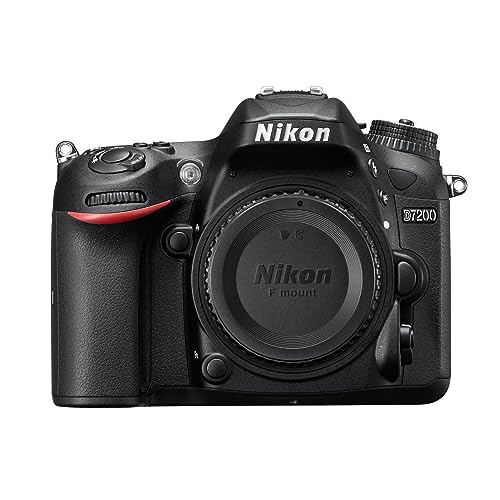
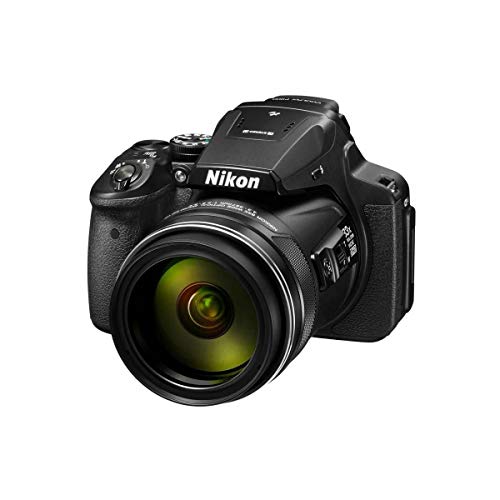
Spending Levels Under $1000
At the lower end of this range, around $300 to $500, you will mostly find compact cameras and older interchangeable lens bodies with a kit lens. These cameras suit beginners who want better quality than a phone without a steep learning curve, and they handle bright daylight and casual video well. Their limits show up in dim rooms and fast action, where smaller sensors and simpler autofocus systems struggle, so keep your expectations realistic if you film indoors often.
In the middle of the range, about $500 to $750, you step into stronger interchangeable lens cameras with better sensors, faster autofocus, and cleaner video features such as 4K recording and a microphone input. This is the sweet range for most buyers under $1000, because you gain meaningful image quality and control without paying for professional features you may not use. A midrange body plus a decent kit lens, and later one fast prime lens, is a sensible path for many photographers and video makers.
Toward the top of the range, about $750 to just under $1000, you can find larger sensor bodies, better stabilization, and stronger low light performance, sometimes as a body only deal that needs a separate lens. This level suits buyers who already know they want interchangeable lenses, shoot in varied light, or plan to grow into more advanced work. Watch the total cost carefully here, because a body at the top of the range plus a lens, a card, and a spare battery can push past $1000 quickly.
How to Choose the Best Cameras: Buying Guide
What You Can Realistically Get Under $1000
Under $1000 you can expect a capable sensor, solid 4K video in many models, reliable autofocus for everyday subjects, and good daylight image quality. You should not expect the fastest professional autofocus, the cleanest very high ISO results, or weather sealing and dual card slots across the board, because makers reserve those features for higher priced bodies. Spend your money on sensor and lens quality first, and treat extras such as fancy burst rates or exotic video formats as bonuses rather than deciding factors.
Sensor Size and Image Quality
Sensor size shapes image quality more than megapixels do, because a larger sensor gathers more light and produces cleaner images in dim conditions. Common sizes under $1000 include 1 inch sensors in premium compacts, Micro Four Thirds sensors, and APS C sensors in many interchangeable lens cameras, while full frame bodies rarely sit in this range except as older or used options. A larger sensor also gives you more control over background blur, which helps portraits and product shots look polished. Compare sample images at the ISO values you will use, not just in bright daylight, before you judge a sensor.
Video Capabilities
Video features matter even if you mainly shoot stills, because most buyers now record clips for social media, family events, or creative projects. Look for 4K at 30 frames per second as a baseline, 4K at 60 frames per second if you film sports or dance, and a microphone input if sound quality matters to you. A log picture profile gives you more room to adjust color in editing, but it needs extra work before footage looks finished, so beginners may prefer a standard profile. A flip screen helps when you film yourself, and a headphone jack lets you monitor sound during a take.
Autofocus and Stabilization
Autofocus decides whether moving subjects stay sharp, and modern systems with face and eye tracking make a real difference for people, pets, and performers. Check how the camera behaves when a subject moves toward you, turns away, or passes behind an object, because simple contrast systems can hunt or lose the subject in those moments. Stabilization reduces shake in handheld photos and video, and it may live in the body, in the lens, or in both working together. Body stabilization helps every lens you mount, while lens stabilization helps mainly with longer lenses, so weigh which lenses you plan to use.
Ease of Use for Your Skill Level
A camera should match the way you like to learn, because a complex menu system can discourage a beginner while a too simple camera can frustrate a growing shooter. Beginners benefit from clear auto modes, guided menus, and quick transfer to a phone for sharing, while intermediate shooters want direct dials for aperture, shutter speed, and ISO. Try to handle the camera if you can, and check whether the grip, button layout, and menu structure feel natural in your hands. A camera that feels awkward will stay home, no matter how good its sensor looks on paper.
Low Light Performance
Low light performance describes how clean images stay as light drops, and it depends on sensor size, lens speed, and how far you are willing to push ISO. A fast lens with a low f number, such as f1.8, lets in more light than a slow kit lens, and it can matter more than a slightly larger sensor paired with a slow lens. Raise ISO only as far as the image stays acceptably clean for your use, whether that is social media, prints, or large screen viewing. If you shoot indoors, at dusk, or at events often, give this factor serious weight and look at real low light samples before you buy.
Battery Life and Charging
Battery life varies widely, and video recording drains batteries much faster than still photos, so check the rated shot count and real video recording time rather than a single headline number. Cameras that charge over USB C are convenient for travel, because you can top up from a power bank between shoots, while cameras with a dedicated charger may need you to carry extra gear. Carry at least one spare battery for event days, weddings, or travel, and keep a spare card as well, because video files fill cards quickly. A camera with modest battery life can still work well if spares are affordable and easy to swap.
Types of Cameras
Interchangeable Lens Cameras
Interchangeable lens cameras let you swap lenses for different jobs, from wide landscapes to close portraits, and they suit buyers who want room to grow. Their larger sensors and manual controls give you more creative control, but bodies plus lenses cost more and weigh more than a compact camera. Choose this type if you enjoy learning photography, plan to build a small lens collection over time, or need strong low light and video features that compacts struggle to match.
Compact Cameras
Compact cameras pack a fixed lens and a sensor into a pocket friendly body, and they suit travelers, casual shooters, and anyone who wants better quality than a phone without carrying extra lenses. Premium compacts with 1 inch sensors can look excellent in daylight and decent indoors, while cheaper compacts may only modestly beat a phone. Choose this type if portability matters most, you prefer automatic settings, and you rarely need very long zoom or very shallow depth of field.
Vlogging Cameras
Vlogging cameras are built around self filming, with a flip screen, strong video autofocus, good built in microphones or a microphone input, and stabilization for handheld walking shots. They suit creators who film themselves often, record talking head videos, or need a camera that works well at arm's length. Their still photo quality varies, so check sensor size and lens speed if you also want strong photos, and make sure the flip screen and microphone options match the way you record.
Choosing Cameras for Your Situation
Best Video Cameras for under 1000
For video first buyers, prioritize continuous autofocus, stabilization, a microphone input, and clean 4K video over still photo extras. A flip screen, a headphone jack, and good battery life matter more here than burst shooting speed or a very high megapixel count. If you film yourself, test face tracking and flip screen visibility in sunlight, and if you film others, test how focus holds when subjects move across the frame.
Best Video Cameras under 1000
Video focused buyers should also weigh recording limits, overheating during long takes, and file sizes, because some cameras stop recording after a set time or heat up during extended 4K sessions. Check whether the camera records without a time limit at your chosen resolution, and whether it needs an external recorder for longer sessions. A camera with unlimited recording, a microphone input, and a spare battery plan will handle events, interviews, and tutorials far more calmly than a camera that overheats mid take.
Care and Maintenance Tips
- Use a lens cloth, not your shirt, to clean lenses, because shirt fabric can smear coatings or trap grit that scratches glass over time.
- Carry a spare battery and a spare card on event days, since video drains power fast and fills cards far quicker than still photos.
- Store the camera in a dry, padded bag away from dust and damp, and remove batteries for long storage periods.
- Update firmware for autofocus improvements, because makers often refine tracking and fix bugs after launch.
- Keep the sensor clean by changing lenses with the camera facing down in calm air, and use a blower before any wet cleaning.
- Back up photos and video regularly, because a single card failure can erase a whole shoot if you have no second copy.
Frequently Asked Questions
Can you get a good camera under $1000?
Yes, you can get a good camera under $1000, especially if you define good by your actual use rather than by professional feature lists. Midrange interchangeable lens cameras and premium compacts in this range deliver clean daylight images, solid 4K video, and reliable autofocus for most everyday and creative work. Their limits appear mainly in very dim light, very fast action, and extreme weather, so match the camera to your hardest shooting condition and you will rarely feel shortchanged.
What focal length should a beginner start with?
A beginner should start with a versatile zoom that covers a wide to short telephoto range, such as about 24 mm to 70 mm in full frame terms, because it handles rooms, groups, portraits, and travel scenes without lens changes. The wide end captures whole scenes, while the longer end isolates a subject and flatters faces. Once you notice which end you use most, your next lens can specialize in that direction, whether that is a wider lens for landscapes or a longer lens for distant subjects.
Which is better for low light?
A larger sensor paired with a fast lens is usually better for low light, because that combination gathers more light and keeps noise lower at higher ISO values. A camera with an APS C sensor and an f1.8 lens will generally beat a small sensor camera with a slow kit lens in dim rooms, even if the smaller camera claims a higher megapixel count. Add a simple light source when you can, since a little extra light on your subject often improves results more than any single camera upgrade.
Is a smartphone enough instead?
A recent smartphone is enough for many casual photos and social media videos, especially in bright light, because phone cameras, stabilization, and editing apps have improved greatly. A dedicated camera earns its place when you need a larger sensor for dim light, interchangeable lenses for different looks, a microphone input for clean sound, or long recording sessions without overheating. If your phone already covers your daylight and social needs, spend on a camera only when one of those four gaps actually limits your work.
What specs matter most for beginners?
Beginners should weigh sensor size, continuous autofocus, stabilization, and ease of use above megapixels, burst rates, or exotic video formats. Those four factors decide whether images look clean, subjects stay sharp, handheld shots stay steady, and the camera feels pleasant to learn with. Battery life and a microphone input matter too, especially if you record video, while features such as dual card slots and advanced log profiles can wait until your skills and needs grow.
How much should I spend on my first one?
Most first time buyers do well spending about $500 to $750 on a camera and kit lens, then reserving money for a card, a spare battery, and possibly a fast prime lens later. Spending less works for bright daylight and casual use, but very cheap cameras often lack a microphone input and struggle indoors. Spending near the top of the range makes sense if you already know you want interchangeable lenses and shoot in varied light, yet the best first camera is still the one you will actually carry and use often.
The Bottom Line
Under $1000, the strongest choice is usually a midrange interchangeable lens camera or a premium compact that balances sensor size, autofocus, stabilization, and ease of use for your hardest shooting condition. Weigh low light quality and lens options carefully, keep total cost in mind including cards and batteries, and choose the type that fits your skill level rather than the longest feature list. For related options, see our guide to the best cameras for videography under 1000, our guide to the best digital cameras under 1000, our guide to the best dslr cameras under 1000, our guide to the best film cameras under 1000, and our guide to the best cinema cameras under 1000.
Start with a realistic budget, test handling and low light results if you can, and leave room for the accessories that make shooting easier. Your first camera should teach you what you value most, whether that is low light, lenses, video, or portability, and your next upgrade can target that exact strength. For a final reminder, best cameras under 1000 are the ones that stay sharp, clean, and enjoyable to use in the situations where you actually shoot, so check the product table above before you order.