Best Cameras for Videography Under 1000 for 2026 Guide
Disclosure: We may earn a commission when you buy through links on this page, at no extra cost to you. As an Amazon Associate I earn from qualifying purchases. Learn more

Use this checklist for cameras for videography under 1000, covering stabilization, autofocus, audio, battery, and tradeoffs to expect at this price.
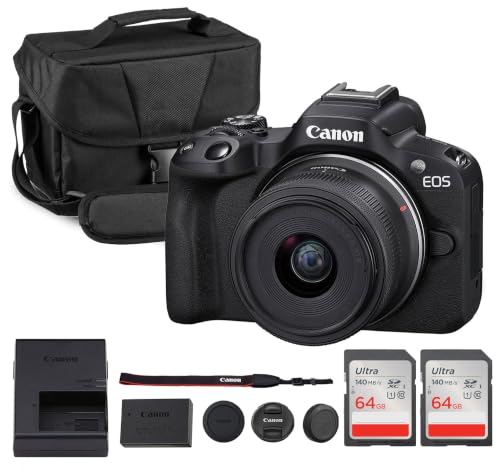
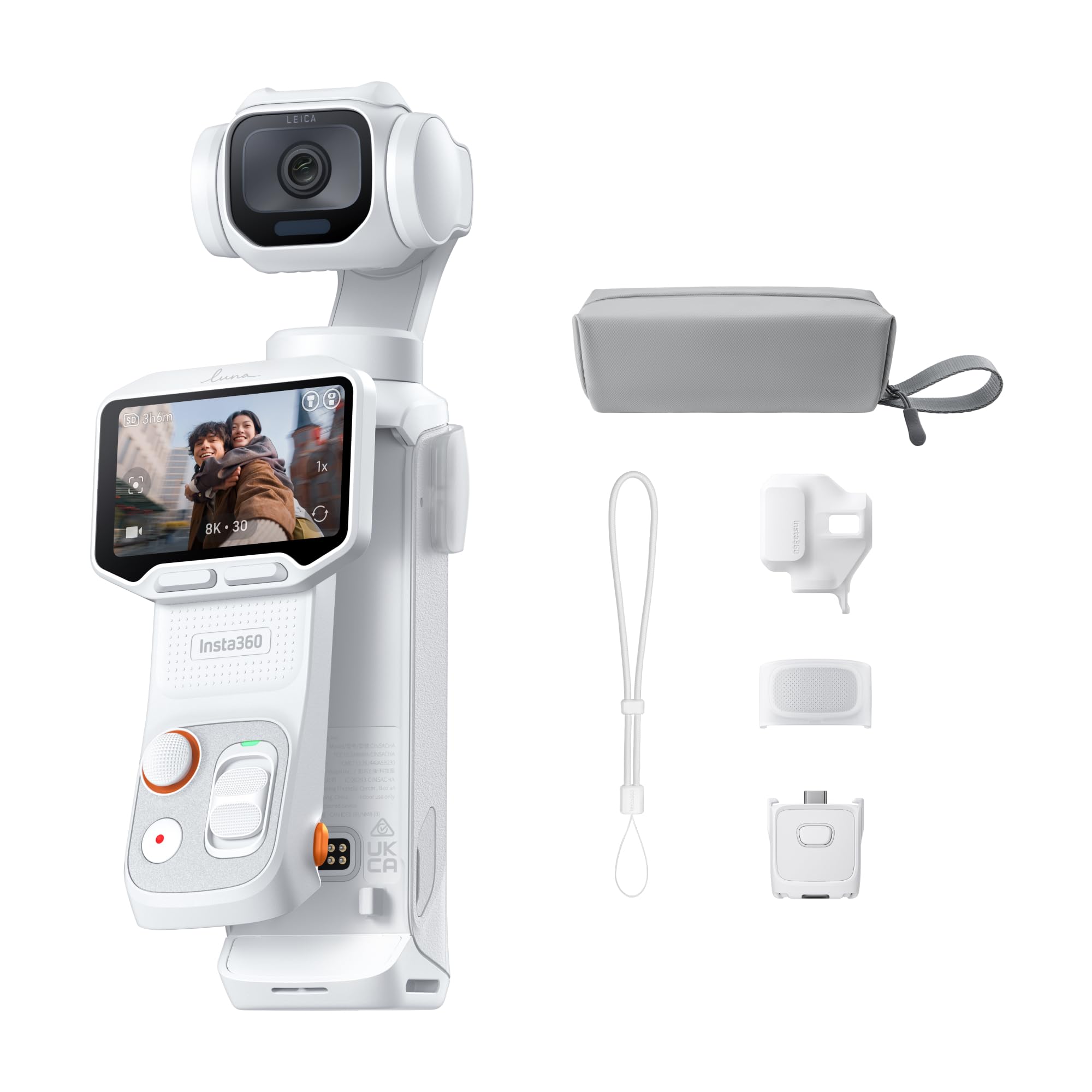
A clear checklist helps you judge cameras at this price without getting lost in marketing terms or in specs that do not affect your footage. The best cameras for videography under 1000 are not the ones with the longest feature list, but the ones that deliver steady video, usable audio, and reliable focus for the kind of work you actually shoot. Use the comparison table below to see how the main choices differ before you work through the checklist.
At this budget you can expect strong video for online work, travel, events, and short projects, with some tradeoffs in low light, battery life, and lens range. Knowing those tradeoffs in advance helps you spend on the features that matter for your projects and skip the ones that only look impressive on a spec sheet. Work through each section in order, and note any deal breaker before you compare prices. For a broader price guide, see our guide to best cameras under 1000.




What to Check Before You Buy
This checklist replaces a ranking with a set of tests you can apply to any camera in this price range. For each item, decide what level you need, what level you can accept, and what level would force you to look elsewhere. That approach keeps the focus on your projects, not on a single model.
What You Can Realistically Get Under $1000
Under $1000 you can usually get 4K video, useful autofocus, and a compact body that suits travel and everyday shooting. You may not get the cleanest low light image, the longest battery life, or a wide range of professional lenses in the same package. Features that are often cut include a second memory card slot, a fully weather sealed body, and a large built in viewfinder. Do not cut corners on stabilization, audio input, or focus reliability, because those affect nearly every clip you shoot.
Features That Matter for Videography
Videography needs smooth motion, steady exposure, and sound that stays in sync with the picture. Look for video frame rates that suit your delivery, such as 24 or 30 frames per second for a natural look and higher rates for slow motion. Check whether the camera can record for a full take without stopping, and whether it offers a microphone input for better sound. Also look for a flip screen or a tilt screen that helps you frame yourself or shoot from low and high angles.
For cinema style work at this budget, see our guide to best cinema cameras under 1000.
Sensor Size and Image Quality
Sensor size affects low light performance, depth of field, and dynamic range, but it is only one part of image quality. A one inch sensor, an APS C sensor, and a full frame sensor each offer different tradeoffs in cost, lens size, and background blur. Megapixel count matters less for video than clean color, stable exposure, and low noise at the light level you actually use. Judge footage on the screen where your audience will watch it, such as a phone or laptop, rather than judging still photos at full zoom.
Battery Life and Charging
Battery life in video mode is usually much shorter than the still photo rating, so check video recording time specifically. A camera that records for about 60 to 90 minutes on one charge may need a spare battery for a full day of shooting. USB C charging helps on the road, while a spare battery or a power bank adapter helps for long sessions. Keep a habit of charging after each shoot, and confirm that the camera does not overheat and stop during long takes in warm rooms.
Lens and Zoom Range
Lens range affects how close you can get to a subject and how wide a scene you can capture without moving. Optical zoom keeps detail as you zoom in, while digital zoom crops the image and can soften footage. Check the widest and longest focal lengths in the kit lens, and whether you can add a wider lens or a longer lens later.
Autofocus and Stabilization
Autofocus should track a moving subject smoothly without hunting back and forth, and it should hold focus on a face during conversation. Eye autofocus can help for people focused work, while subject tracking helps for sports, pets, and moving objects. Stabilization can be built into the body, the lens, or both, and it helps most for handheld walking shots. Test stabilization at your normal walking pace, because a system that looks smooth on a tripod may still struggle with steps and turns.
Ease of Use for Your Skill Level
Ease of use covers menus, touch controls, custom buttons, and how quickly you can change exposure, focus, and audio levels. Automatic modes help new shooters, while manual controls help experienced shooters keep a consistent look across scenes. App transfer can speed up short clips for social sharing, but a card reader or a direct cable is often faster for long files. Choose a camera whose controls you can learn in a weekend, and test the full workflow from recording to editing before an important project.
Spending Levels Under $1000
Price tiers at this budget are better understood as tradeoff tiers, not as quality ranks. Each tier gives you more control or more convenience, but each also asks you to accept a limit somewhere else. Use the product table above to compare the broad choices, then match a tier to your main type of work.
Budget Level: Simple and Portable
At a budget level around $200 to $400, you can expect a compact camera or a capable phone style workflow with good daylight video and simple controls. This level suits travel clips, family events, and short online videos where portability matters more than low light control. Expect a smaller sensor, a fixed or limited lens range, and fewer manual controls. A tripod, a microphone, and good lighting often improve results at this level more than a small step up in camera price.
Mid Level: More Control for Regular Projects
At a mid level around $400 to $700, you can expect better autofocus, a larger sensor option, a microphone input, and more control over exposure and color. This level suits creators who shoot weekly, edit their own footage, and need reliable focus for people and movement. You may still face limits in very dim rooms or in long continuous recording, so check those two points against your projects. A spare battery and a fast memory card are sensible additions at this level.
For a broader digital choice, see our guide to best digital cameras under 1000.
Higher Level Under $1000: Fuller Video Tools
At a higher level around $700 to $1000, you can expect stronger stabilization, cleaner low light footage, and more lens choices within the same system. This level suits short films, client work, and projects where color and sound need more room for editing. Even here, check for recording limits, heat management, and the cost of lenses and accessories, because the camera body is only part of the total cost. If a feature you need only appears in a lens or an accessory, include that cost in your budget from the start.
For a larger body style, see our guide to best dslr cameras under 1000.
Quick Buyer Checklist
- Can the camera record for the length of your longest typical take without stopping?
- Does it offer a microphone input and manual audio levels for clear sound?
- Does autofocus track your main subject smoothly without hunting?
- Does stabilization suit handheld walking shots at your normal pace?
- Does the lens range cover your widest and closest shots without frequent lens changes?
- Does battery life cover a full session, or will you need a spare battery?
- Does the file format work with your editing software without extra conversion?
- Does the total cost, including lenses, cards, and audio gear, stay under $1000?
Red Flags to Watch For
Vague specs are a common warning sign, especially when a listing promises high resolution without stating frame rates, recording limits, or sensor size. Very short warranty terms, unclear return terms, and a flood of nearly identical short comments can also signal a listing that needs closer checking. Be wary of claims about professional results without details on audio input, stabilization, or low light performance. If a camera cannot state its video recording time, its file format, or its lens range clearly, treat that gap as a reason to ask more questions before buying.
Another red flag is a price that seems far below similar cameras without a clear reason, such as an older model, a smaller sensor, or a missing accessory. Check what is included in the box, what is sold separately, and whether the lens in the listing matches the lens in the photos. A camera that needs an expensive adapter, a special card, or a separate microphone just to record usable video may cost more in practice than a slightly higher priced option that includes those basics.
Setup and Care Tips
Before a shoot, format the memory card in the camera, charge all batteries, and record a short test clip to check focus, sound, and exposure. Use a lens cloth, not your shirt, to clean the front glass, because fabric can leave smears that soften footage. Carry a spare battery for long days, and store the camera in a dry, padded bag when you are not using it. Keep a simple routine for backing up files after each shoot, so a lost card does not lose a whole project.
Frequently Asked Questions
Can you get a good camera under $1000?
Yes, you can get a good camera under $1000 for most online video, travel, events, and short projects. At this price you can expect strong daylight video, useful autofocus, and stabilization that suits handheld work. You may need to accept limits in very dim rooms, in long continuous recording, or in lens range. Spend on stabilization, audio input, and focus reliability first, and add lighting and a microphone before you chase a larger sensor.
What features matter most in cameras for videography?
Smooth autofocus, effective stabilization, a microphone input, and reliable recording time matter most for videography. Those features affect nearly every clip, while higher resolution alone does not fix shaky footage, weak sound, or focus that drifts during a scene. Also check frame rate options, file formats, and battery life in video mode. A camera that handles those basics well will serve most projects better than a camera with a longer spec list but weak audio or unstable focus.
Is a smartphone enough instead?
A smartphone can be enough for short clips, travel diaries, and social video, especially if you already own a recent model with good stabilization. A dedicated camera may still help if you need a microphone input, interchangeable lenses, longer recording without interruptions, or more control over exposure and color. Start with the phone you own, learn what limits your footage most, and choose a camera that solves that specific limit. That approach avoids spending on features you may never use.
How much should I spend on my first one?
Your first camera budget should reflect how often you shoot and what you need to deliver, not a fixed amount for every beginner. A budget around $200 to $400 can cover simple travel and event work, while about $400 to $700 adds better focus, audio input, and manual control. A budget around $700 to $1000 opens up stronger low light performance and more lens choices. Leave room for a microphone, a tripod, memory cards, and a spare battery, because those items often improve footage more than a small camera upgrade.
Which is better for low light?
A larger sensor, a wider aperture lens, and good noise handling usually perform better in low light, but lighting still matters more than any single spec. A simple light placed near your subject can improve a modest camera far more than a sensor upgrade alone. Look for a camera that keeps skin tones natural and noise low at the light level in your rooms, and test it in that setting rather than in a bright store. If you often shoot at night, prioritize low light tests over daylight sharpness.
Final Thoughts
Use the checklist to judge each camera by recording time, audio input, autofocus, stabilization, lens range, and total cost, rather than by a single headline spec. Match the spending level to your main projects, and leave room for a microphone, a tripod, and a spare battery. Then use the product table above to compare the broad choices one more time before you buy. The best cameras for videography under 1000 are the ones that let you shoot steadily, record clear sound, and finish projects without fighting the camera at every step.