Best Compact Cameras for Vlogging: Budget, Midrange, and Premium Picks for 2026
Disclosure: We may earn a commission when you buy through links on this page, at no extra cost to you. As an Amazon Associate I earn from qualifying purchases. Learn more

Compare the best compact cameras for vlogging at every price point. Learn what budget, midrange, and premium levels give you and where extra money helps.
Compact vlogging cameras span a wide price range, and the gap between the cheapest and the priciest models is mostly about video features rather than photo quality. Finding the best compact cameras for vlogging means knowing which upgrades change your daily filming and which ones you will rarely notice. The comparison table below lets you scan prices and core specs side by side.
Vlogging makes specific demands that ordinary point and shoot compacts were never built for. You need a screen you can see while facing the lens, autofocus that holds your face as you move, and audio that stays clear outdoors. This guide sorts those needs by budget, so you can spend on the features that match how and where you film.



Buying Guidance by Budget: Who Each Tier Suits
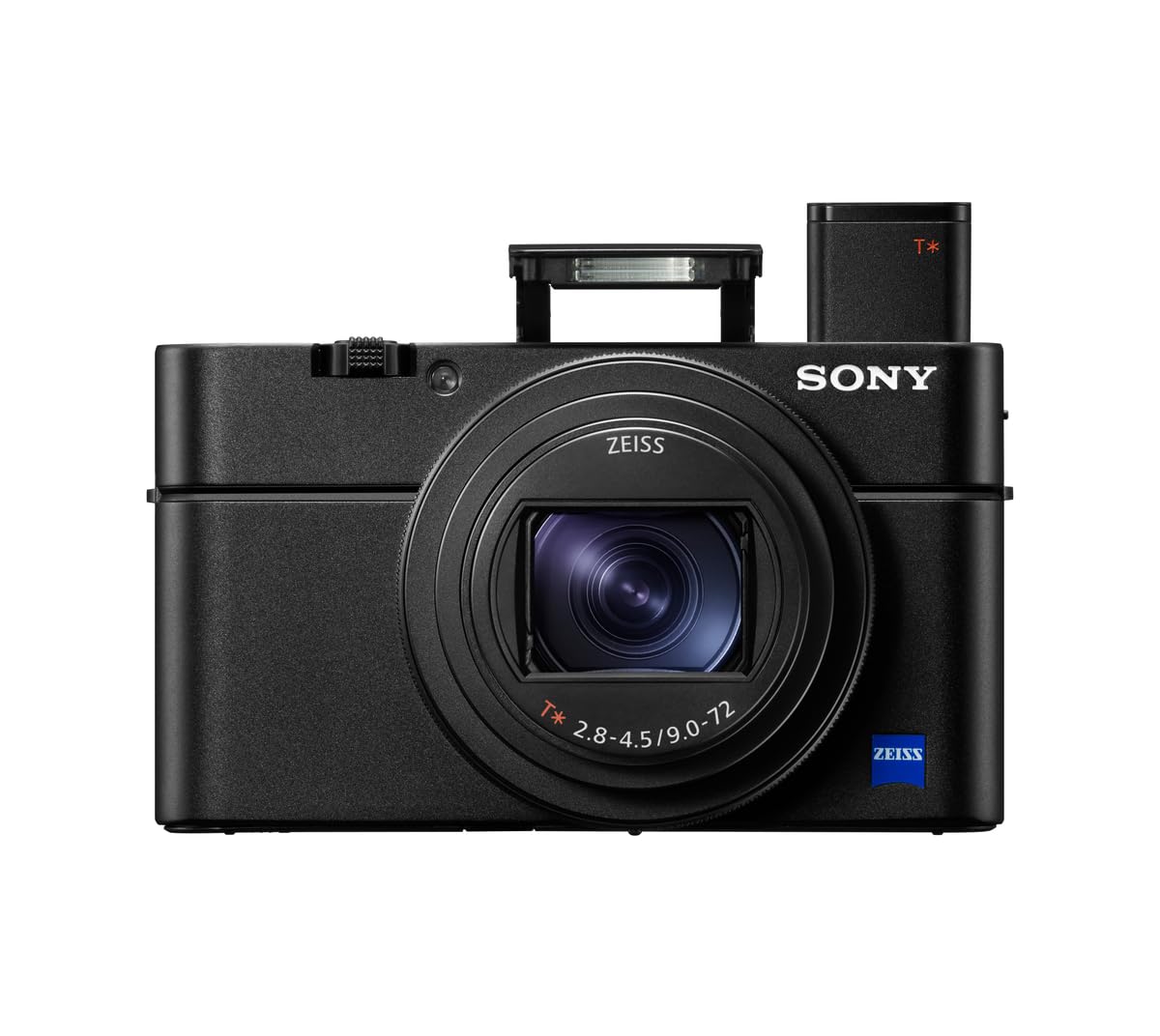
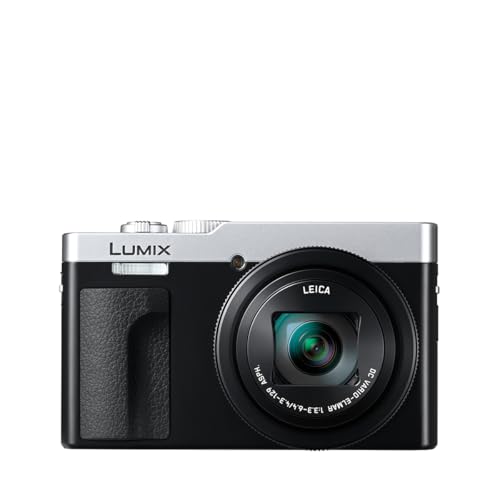
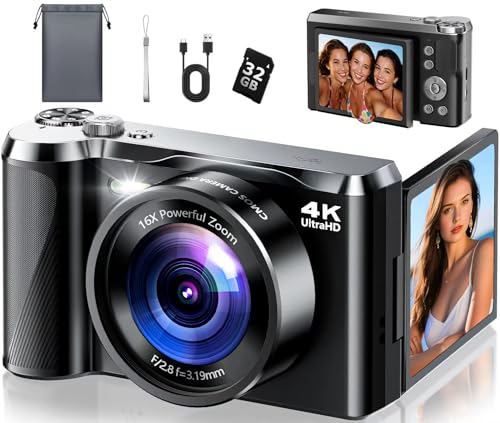
Price is the fastest way to narrow this category, because each tier tends to serve a different filming habit. Start by matching your routine to one of the three groups below, then use the product table above to check which models sit in that range. If most of your filming happens on trips, our guide to the best compact cameras for travel covers packing and durability in more depth.
Budget Buyers Who Film Simply
You film at home, at a desk, or on short walks, mostly in decent light, and you post a few times a month. A simple compact with a screen that flips forward and steady autofocus covers this well, and you can put the money you save toward a small tripod and better lighting. If your filming turns rough, with water, drops, or mounting on a bike, action cameras suit that work better than a delicate compact lens.
Growing Channels That Post Every Week
You film on a schedule, often while walking, cooking, or showing products, and retakes cost you real time. This group gains the most from reliable face tracking, a microphone input, and stabilization that stays smooth at a normal walking pace. Most creators in this group find the midrange tier removes the frustrations that slow down a weekly routine.
Serious Creators Who Film Daily
You film every day, in mixed light, and your camera is a work tool rather than a hobby purchase. Premium compacts earn their price here through stronger low light video, better heat handling during long recordings, and audio options that keep your voice clear in noisy places. You also keep gear longer, so build quality and lens range matter more. For this group, paying once for the right tool usually costs less than upgrading twice.
What Your Money Gets You at Each Price Tier
Spending more on best compact cameras for vlogging mainly buys video stamina, audio flexibility, and cleaner footage after dark. Photo quality improves more slowly, since even budget models take sharp stills in daylight. The tiers below describe what is typical on Amazon in the US, so you can judge whether a higher price solves a problem you actually have.
Budget Tier What to Expect
Budget models run about $250 to $500 and usually pair a smaller sensor with 4K video that may crop the frame or limit recording time. Expect a screen that flips up or forward, basic face detection autofocus, and a built in microphone with no input for an external one. Many overlap with general stills cameras, so compare the wider field in our guide to the best compact digital cameras. In good light the footage looks clean, but dim rooms and fast movement expose the limits quickly.
Midrange Tier Where Most Creators Land
Midrange models run about $500 to $900 and this is where vlogging features become standard rather than occasional. You typically get a 1 inch sensor, dependable face and eye autofocus, a microphone input, and stabilization tuned for walking footage. Recording limits stretch longer, menus grow faster to use, and product showcase modes that shift focus to an object held near the lens appear here. For most people filming indoors and outdoors each week, this tier balances cost, size, and footage quality better than the tiers on either side.
Premium Tier When the Extra Cost Helps
Premium models run about $900 to $1500 and add larger sensors, brighter lenses, and stronger cooling for long 4K video sessions. Audio improves too, with better built in microphones, wind protection in the box, and sometimes a headphone jack for monitoring. A few models add weather sealing, though very few compacts are fully weatherproof. This tier pays off when you film in dim venues, record long events, or depend on your footage for income.
Features Worth Paying For and Ones to Skip
Spec sheets mix genuinely useful video tools with numbers that look impressive and change little. The sections below sort the features that shape your footage from the ones you can safely ignore, and you can cross check them against the product table above as you compare models.
Sensor Size and Image Quality
Sensor size drives low light quality more than any other spec. A 1 inch sensor gathers far more light than the small sensors in budget compacts, so indoor footage stays cleaner and skin tones hold up after sunset. APS C sensors appear in a few larger compacts and do better still, while full frame is rare at this size. Megapixel counts matter far less for video, since 4K video uses only part of the sensor. If you are weighing a compact against a larger body, our overview of the best digital cameras shows what the bigger formats add.
Features That Matter for Vlogging
Four features decide whether a compact works for vlogging at all. The screen must flip fully forward so you can frame yourself, and autofocus must track your face and eyes while you move. A microphone input lets you add clear audio later, and electronic stabilization keeps walking shots watchable. A wide lens, around 24 mm at the wide end, fits your face and some background at arm length. For a wider look at cameras built around filming yourself, see our guide to the best cameras for vlogging.
Lens and Zoom Range
Most vlogging compacts use a fixed lens, and its range matters more than raw magnification. A zoom that starts wide suits talking to the camera, while a modest reach of 2x to 3x magnification helps with detail shots across a room. Optical zoom keeps full quality at every step, while digital zoom simply crops and softens the image, so judge a camera by its optical range only. Aperture counts too, since a brighter lens such as f/2.8 gathers more light and softens backgrounds. Check that the objective lens stays protected by a cap or cover, because a scratched front element cannot be swapped on a fixed lens model.
Battery Life and Charging
Video drains a compact battery far faster than stills, and many models record only about 60 to 90 minutes of footage per charge. Look for USB C charging, which lets you top up from a power bank between locations without a separate cradle. A spare battery is close to essential if you film away from home, and third party spares vary in accuracy, so check the rated capacity before buying. Skip paying extra for huge stills per charge claims, since that number says little about video stamina.
Size and Portability in Daily Use
A vlogging camera only helps if you actually carry it, so weigh size honestly against your routine. The smallest models slip into a coat pocket at around 10 to 12 ounces, but tiny bodies pair with small grips, small batteries, and screens that feel cramped. Measure your usual bag pocket before ordering, and remember that a grip or small tripod adds bulk. Our roundup of best cameras compact models compares sizes across the category if you want more context.
Long Term Costs to Factor In
The camera body is only part of the bill. Fast memory cards that can keep up with 4K video cost more than basic cards, and most creators need at least two. Add a spare battery, a protective case, a small grip or tripod, and a wind cover for the microphone, and the extras often reach about $100 to $250 over the first year.
Ongoing costs stay modest after that. Batteries slowly lose capacity and usually need replacing every few years, and a scratched screen protector or worn strap costs little. Factor in an extended warranty only if you film in risky places like beaches or worksites. Keeping a small reserve for these items keeps a midrange camera the smarter buy once total ownership cost is counted.
Compact Camera Questions Answered
What features matter most in a compact camera for vlogging?
A screen that flips forward, reliable face tracking autofocus, and a microphone input matter most in a compact camera for vlogging. Stabilization comes next if you walk while filming. One point buyers often miss is the recording limit, since some models stop each clip at around 30 minutes, which interrupts long talks and events.
How much should you spend on your first compact camera for vlogging?
Most first time buyers should spend about $400 to $700 on a compact camera for vlogging. That range buys a 1 inch sensor, a forward flipping screen, and a microphone input on many models, without paying for premium extras you may never use. Keep some budget aside for a card and a spare battery. If you later film daily, the same camera still works well as a second angle while a stronger body handles your main shots.
Which sensor size is better for low light in a compact camera for vlogging?
A 1 inch sensor is better for low light than the smaller sensors in budget compact cameras for vlogging. It captures more light per frame, so evening and indoor footage shows less grain and steadier exposure. Pair it with a bright lens for the best result. One practical extra is a small plug in light for your desk or room setup, which often improves night footage more than another step up in sensor size would.
What specs matter most for beginners choosing a compact camera for vlogging?
Beginners choosing a compact camera for vlogging should prioritize a flipping screen, simple autofocus, and clear menus over raw spec numbers. A camera that starts recording fast and exposes faces correctly on full auto lets you learn filming instead of fighting settings. Weight matters too, because a light body gets carried more. Skip models that require a phone app for basic framing, since that extra step quickly becomes the reason sessions get skipped.
Do compact cameras for vlogging need an external microphone input?
Compact cameras for vlogging do not strictly need an external microphone input, but it is the upgrade most viewers will notice. Built in microphones handle quiet rooms well, yet they pick up wind and room echo outdoors. An input lets you clip on a small microphone and keep your voice close and clear. If a model lacks an input, a separate audio recorder works too, though syncing the sound in editing adds a step to every video.
Is a smartphone enough instead of a compact camera for vlogging?
A smartphone is enough instead of a compact camera for vlogging when you film casually in good light. Phones focus fast, upload instantly, and handle bright scenes well. A dedicated compact pulls ahead for long sessions, since it will not overheat as quickly, interrupt filming for calls, or drain the battery you need all day. Compacts also give you a real zoom lens and a screen that stays visible in bright sun.
Final Thoughts
Start with your filming routine, then match the tier to it. A forward flipping screen, face tracking autofocus, and honest battery life will shape your videos far more than headline megapixels or long digital zoom claims. Use the comparison table above to confirm that the models in your tier include the audio and screen features your style needs. Chosen that way, the best compact cameras for vlogging are simply the ones that remove friction from filming, so you post more often with less effort.