Best Compact Cameras for Beginners 2026: Every Type Explained Side by Side
Disclosure: We may earn a commission when you buy through links on this page, at no extra cost to you. As an Amazon Associate I earn from qualifying purchases. Learn more

Compare compact camera types side by side, from action cameras to point and shoot models, and learn which features matter most for your first camera.
Choosing your first small camera can feel confusing because every type promises great photos in a pocket sized body. This guide to best compact cameras for beginners sorts the main types into plain language, so you can see what each one does well and where it falls short. The comparison table below gives you a quick overview before the detailed sections explain each choice.
A good first camera should be easy to carry, simple to learn, and forgiving when you make mistakes. It should also match the way you actually take photos, whether that means family trips, outdoor adventures, or short videos for friends. Keep that daily use in mind as you read, because the best type for a hiker is not always the best type for someone filming at home.


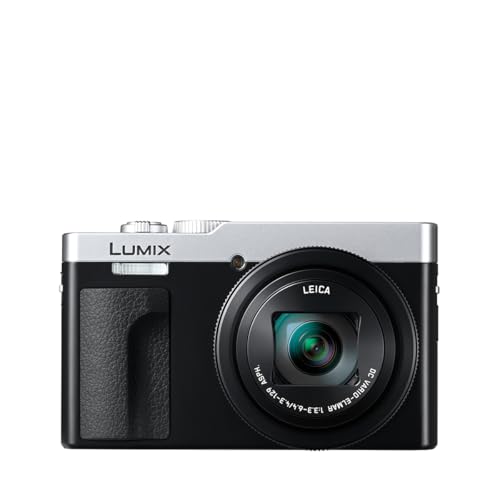

Types of Compact Cameras Compared
The table below compares the three main types a beginner is likely to meet. Prices are typical street ranges, and they move up and down with features such as zoom range, video quality, and weather sealing. Use the table to narrow your shortlist, then read the type sections for the trade offs behind each row.
| Type | Best For | Pros | Cons | Typical Price |
|---|---|---|---|---|
| Action cameras | Outdoor activity and video | Small, tough, wide view | Small sensor, limited zoom | Around $200 to $400 |
| Vlogging cameras | Talking to camera and creators | Flip screen, good audio options | Less rugged, larger than action models | Around $300 to $700 |
| Point and shoot compacts | Everyday photos and travel | Optical zoom, simple controls | Slower in low light, fewer video extras | Around $200 to $600 |
Action Cameras
An action camera is a tiny, rugged box built to be mounted on a helmet, a bike, or a chest strap. It records a very wide view, which is handy when you want to capture a whole scene without careful framing. Most models are water resistant and survive drops better than a general purpose camera.
The trade off is image quality in tricky light. The small sensor and fixed wide lens struggle in dim rooms, and zoom is usually digital rather than optical, so distant subjects look soft. Choose this type if most of your shooting happens outdoors, in motion, or in wet and dusty places.
Vlogging Cameras
A vlogging camera is designed around talking to the camera, either alone or with a friend in frame. It usually has a screen that flips forward so you can see yourself, plus a socket for an external microphone. That combination makes a real difference when your voice matters as much as the picture.
These cameras are less rugged than action cameras and often cost more for the same still photo quality. They suit creators, families recording messages, and anyone who films indoors and outdoors in turn. If you rarely film yourself, you may not need the flip screen or mic socket.
Point and Shoot Compacts
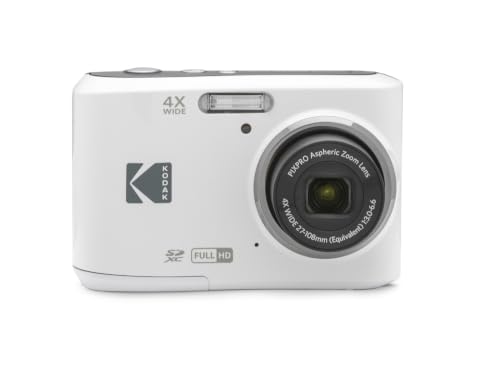
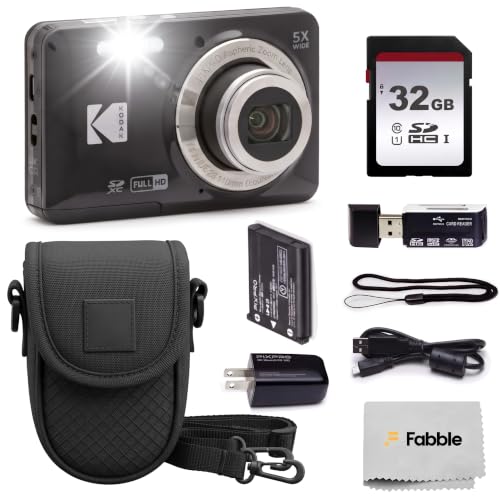
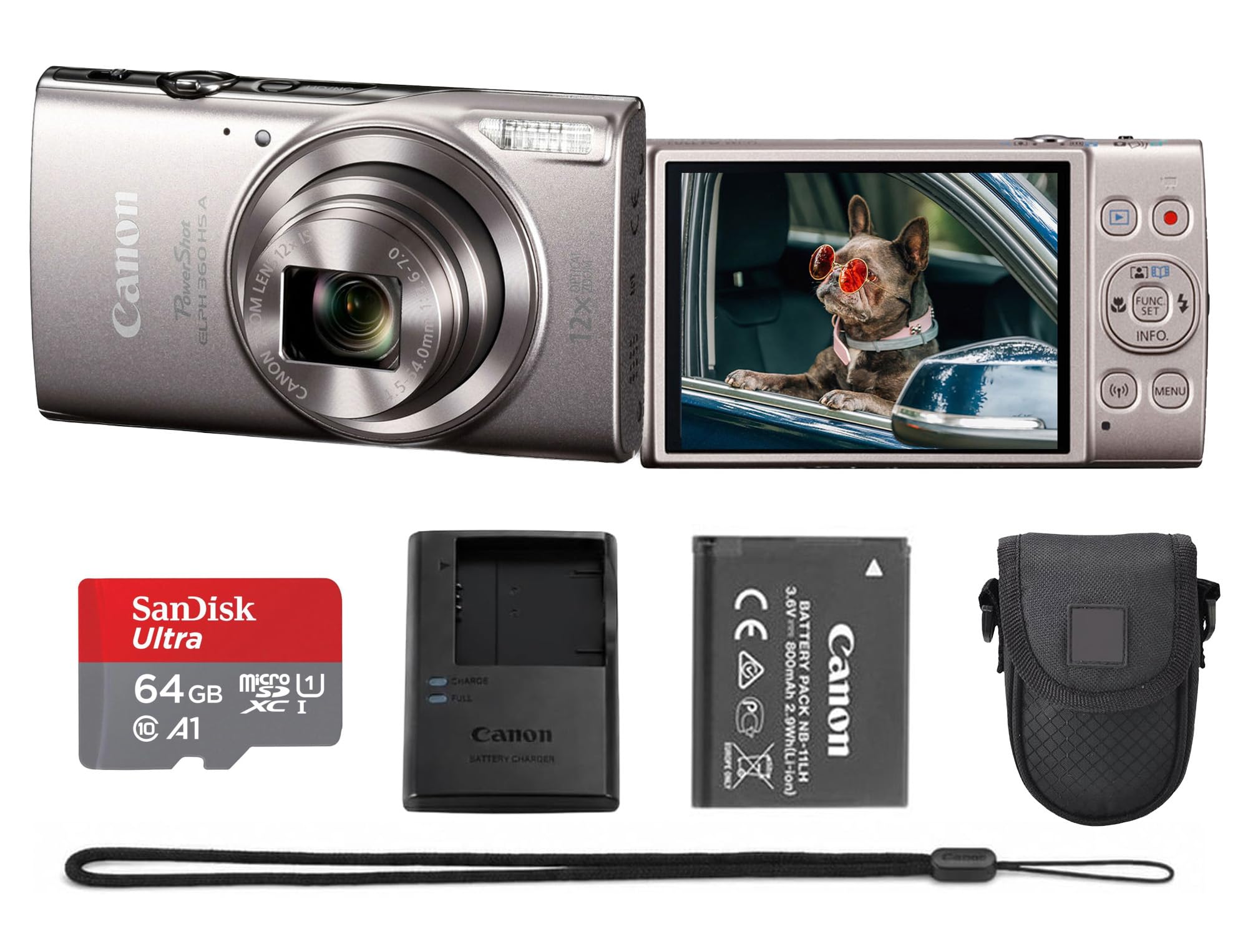
A point and shoot compact is the classic pocket camera: a zoom lens, a simple mode dial, and a screen for framing stills. It is the easiest type to hand to someone else, and it feels natural for holidays, parties, and days out. The optical zoom lets you pull a distant subject closer without the soft look of digital zoom.
The weakness is low light and fast action, where a larger sensor and quicker focus help. Video features are usually basic, with fewer audio options than a vlogging camera. Choose this type if still photos come first and you want a camera that disappears into a jacket pocket.
Action Cameras vs Vlogging Cameras: Which Should You Choose?
Start with where you will use the camera most. Action cameras win for motion, water, and rough handling, while vlogging cameras win for clear speech, self framing, and controlled indoor scenes. If your videos are mostly you talking, the flip screen and mic socket matter more than waterproofing.
Next, think about zoom and framing. Action cameras use a very wide fixed view, so faces at a distance look small. Vlogging cameras usually offer a zoom lens and a more natural field of view, which flatters faces and rooms. For still photos, the vlogging camera or point and shoot compact will usually give you more pleasing results.
Finally, weigh size against control. An action camera is the smallest option and the easiest to mount, but its tiny buttons and menus can frustrate a beginner. A vlogging camera is larger yet simpler to aim, review, and adjust. Pick the one you will actually carry and enjoy using, not the one with the longest feature list.
How to Choose the Right Compact Camera
The sections below explain the features that matter most for a first camera. You do not need the highest specification in every area. You need a sensible balance for your budget and your main use.
Beginner Friendly Features That Matter
Look for a clear auto mode, a menu you can read at a glance, and a quick way to switch between photo and video. A touch screen helps, but physical buttons for shutter and zoom are just as useful in cold weather or with gloves. A guided mode that explains each setting in plain words can shorten the learning curve a lot.
Autofocus and Stabilization
Good autofocus keeps faces and moving subjects sharp without constant adjustment. Eye focus is helpful for portraits, while subject tracking helps with pets and children. Stabilization smooths small hand shakes in video and helps in low light, but it cannot rescue a very dark scene or fast running subject on its own.
Video Capabilities
Many beginners overvalue headline video resolution. A steady, well exposed video at a modest resolution often looks better than a shaky high resolution clip. Check for a mic socket if you plan to talk on camera, and a flip screen if you film yourself. If you only shoot short clips for family, basic video is plenty.
Sensor Size and Image Quality
Sensor size affects low light performance and background blur more than megapixel count does. A larger sensor gathers more light, so evening photos look cleaner. Megapixel count matters mainly if you crop heavily or print very large. For most beginners, a mid sized sensor with a good lens beats a tiny sensor with a huge megapixel number.
Measuring for Size and Portability
Measure your pocket, bag, or jacket before you buy, and compare those numbers with the camera size and weight. A camera that is slightly larger but comfortable to hold will get used more than a smaller model that cramps your hand. Remember to add a case and a spare battery to the total bulk, since both travel with you in practice.
How to Make Your Compact Camera Last Longer
Use a lens cloth, not your shirt, to clean the front glass, since fabric can trap grit and scratch the coating. Carry a spare battery so a flat cell does not end a day out, and store the camera in a dry, padded bag away from sand and damp. Keep the camera out of a hot car, and wipe it dry after rain or beach use.
If you want a wider view of pocket models, the best cameras compact guide covers more point and shoot options. For a shortlist built around digital stills and video, see the best compact digital cameras. Buyers who care most about build and image standards can read the best quality cameras for beginners, and the best digital cameras beginners guide adds general digital models for new shooters.
Compact Cameras: Your Questions Answered
What makes compact cameras for beginners different?
Beginner compacts favor simple menus, reliable auto modes, and forgiving focus over deep manual control. They still offer manual settings for later learning, but the default experience is designed to produce good results with little setup. The difference is less about raw power and more about how quickly you can go from switching on to taking a decent photo.
Is a smartphone enough instead?
A modern phone is enough for casual snapshots in good light, and it is always with you. A dedicated compact adds optical zoom, a larger sensor option, better handling, and longer battery life for a full day of shooting. If you often zoom, shoot in low light, or want a camera that is separate from your phone, a compact earns its place.
How much should I spend on my first one?
Most beginners do well around $200 to $500, where you get optical zoom, decent stabilization, and reliable autofocus. Spending less can still work for bright daylight photos, but low light and video quality drop off. Spending more mainly buys a larger sensor, better video, and stronger weather sealing, which matter only if your use demands them.
Which is better for low light?
A larger sensor and a brighter lens help most in low light, followed by effective stabilization. A point and shoot compact with a bright lens often beats an action camera indoors, while a vlogging camera with a larger sensor can do well for evening video. No small camera works miracles in darkness, so expect some grain and use steady support when light is scarce.
Do I need interchangeable lenses as a beginner?
No. A compact camera with a built in zoom lens is simpler, lighter, and cheaper than a system camera, and it never needs a lens change. Buyers who later want more control over blur and low light can move to a larger sensor model once they know what they miss.
Final Thoughts
Match the type to your main use, then check size, low light ability, and video needs in that order. A point and shoot compact suits everyday photos, an action camera suits rough outdoor video, and a vlogging camera suits talking to camera work. Keep the choice simple, and let your first camera teach you what matters before you spend more.
Use the product table above to compare your shortlist side by side, and remember that the best compact cameras for beginners are the ones you will carry, understand, and enjoy using every week.