
Best Birding Binoculars under $200: A Buyer Checklist for 2026
Disclosure: We may earn a commission when you buy through links on this page, at no extra cost to you. As an Amazon Associate I earn from qualifying purchases. Learn more
Use this checklist to choose the best birding binoculars under $200, covering magnification, glass quality, field of view, eye relief, and sealing.
Finding the best birding binoculars under $200 is less about chasing the longest spec list and more about matching a short checklist to the birds and places you watch most. At this budget you can get bright glass, a wide view, and solid weather sealing, if you know which numbers deserve your money and which are mostly marketing.
This guide walks through that checklist step by step, from magnification and objective lens size to eye relief and focus wheel feel. Use it alongside the comparison table below to judge any pair in a few minutes.




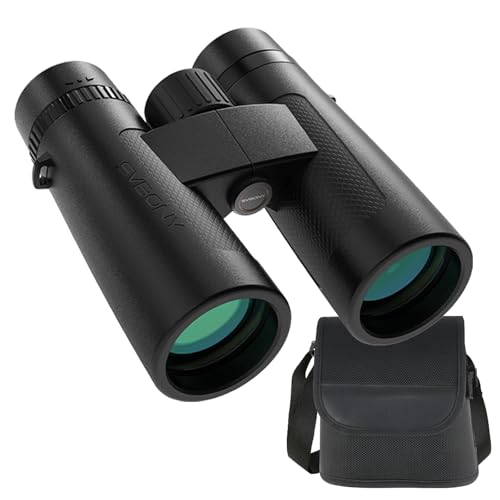
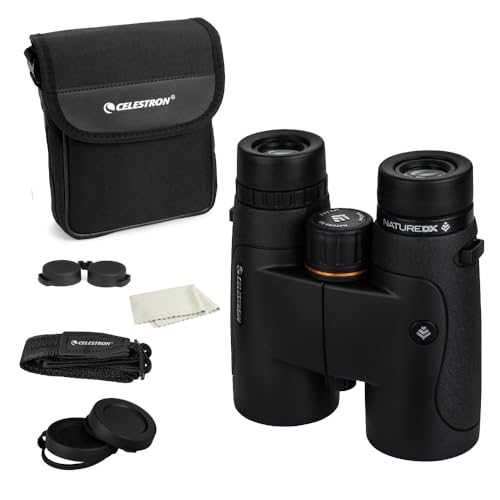
How to Evaluate Birding Binoculars
A good checklist scores each pair on the things that change what you see in the field. A pair earns its place by being bright at dawn, easy to hold steady, quick to focus, and comfortable for a full morning.
What You Can Realistically Get Under $200
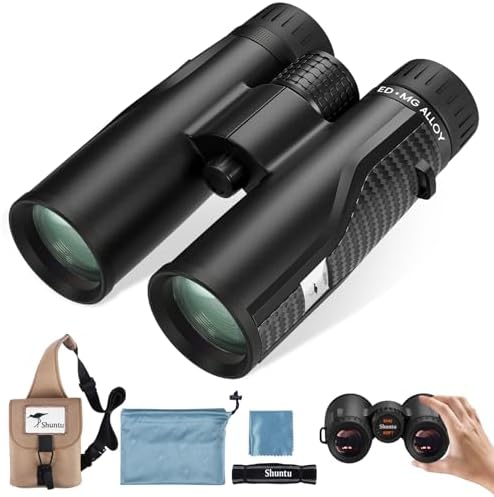
For about $100 to $200 you can expect fully multi coated optics, BaK 4 roof prisms, a rubber armored body, and sealing that keeps out rain and fog. Many pairs also add ED glass, which helps control color fringing. What you give up versus higher priced glass is the widest field of view and the smoothest focus wheel.
If your budget can stretch, compare this tier with the best birding binoculars under $300 to see what the extra money buys. For general use, our guide to the best binoculars under $200 shows how birding models differ from travel and sports models.
Magnification and Objective Lens Size
The two numbers in a name like 8x42 tell you almost everything about size and brightness. The first is magnification, so 8x makes a bird look eight times closer, and the second is the objective lens diameter in millimeters. Divide the objective size by the magnification and you get the exit pupil, so an 8x42 gives 5.25 mm and a 10x42 gives 4.2 mm. A larger exit pupil gives a brighter image in low light.
Higher magnification is not automatically better. A 10x view magnifies hand shake as well as the bird, and it usually brings a narrower field of view, which makes fast moving birds harder to follow. If you watch distant shorebirds and raptors, see our guide to the best 10x42 binoculars under $200. For woodland and garden birding, 8x is the calmer choice.
Glass, Prisms, and Coatings
Glass quality decides how much detail and true color reach your eyes. Look for BaK 4 prisms rather than BK 7, because BaK 4 glass passes light more cleanly and keeps the image bright to the edge. Fully multi coated lenses matter just as much, since coatings on all air to glass surfaces raise light transmission and cut glare.
ED glass, short for extra low dispersion glass, reduces the purple fringe around a bird set against a bright sky. It is a genuine plus, but it does not rescue poor coatings. If clean color matters most, the best birding binoculars under $500 bring better ED elements and prism coatings. Within this budget, prioritize full multi coating first.
Field of View and Close Focus
Field of view is listed in feet at 1000 yards or in degrees, and it decides how much of a scene you see at once. Around 330 feet at 1000 yards feels roomy for following warblers through branches, while a view under 300 feet feels like looking through a tube. A wide view also makes it easier to land on a bird you spot with your naked eye.
Close focus tells you the nearest distance the binoculars can focus on, and under about 6.5 feet is ideal for butterflies, dragonflies, and tame feeder birds. Long close focus distances are a quiet deal breaker for garden watchers. Check both numbers in the product table above, because a bright pair with a narrow view still frustrates in dense cover.
Eye Relief and Fit for Glasses Wearers
Eye relief is the distance your eyes can sit from the eyepieces while still seeing the full view, and glasses wearers need about 16 mm or more. With too little eye relief, the edges black out and you lose the wide view you paid for. Twist up eyecups with firm stops help everyone, since glasses wearers leave them down and others raise them.
The diopter dial, usually on the right eyepiece, balances focus between your two eyes, and it should turn with some resistance so it stays set. The interpupillary distance range matters too, and a range near 56 to 74 mm suits most adults.
Weather Sealing and Build Quality
Birding happens in drizzle, cold mornings, and humid woods, so waterproof and fogproof construction is more than a bonus. Look for O ring sealing and nitrogen purging, which keep moisture out and stop the lenses fogging when you step from a warm car into cold air. Rubber armor adds grip with gloves on and absorbs small knocks.
Weight is part of build quality too. Most 42 mm pairs weigh about 22 to 28 ounces, and a few ounces change how long you can hold them steady. Hunters often accept more weight for ruggedness, as our guide to the best hunting binoculars under $200 shows. For birding, a lighter pair on a good strap gets carried more, and the pair you carry finds birds.
Choosing the Right Configuration for Your Birding
Named picks age fast and prices move, so this section gives configuration guidance instead. Match the setups below to your habitat, then use the product table above to find pairs that fit. That is the practical way to shop for the best birding binoculars under $200 at any time of year.
Open Country, Coast, and Reservoirs
On open water and farmland, birds are often distant specks, and extra magnification earns its place. A 10x42 setup gives you the reach to separate similar gulls, ducks, and waders, and the 42 mm objective still gathers enough light for daytime scanning. For long sessions, a steady rest helps, because shake grows tiring at 10x.
Woodland, Gardens, and Feeders
In woods and gardens, birds are close, quick, and often half hidden, so an 8x42 setup is usually the smarter buy. The wider field of view helps you pick up movement, and the larger exit pupil keeps the image bright under tree cover. Short close focus matters here too, because feeder birds may sit only a few feet from a window.
Focus wheel speed becomes critical in this setting. A wheel that moves from close focus to distance in about one full turn lets you keep up with warblers, while a slow wheel leaves you cranking as the bird vanishes.
Travel, Hiking, and Smaller Hands
If you walk miles to your birds, a compact 8x32 pair can be the right call despite the smaller objective lens. In daylight a good 32 mm pair looks nearly as bright as a 42 mm pair, and it hangs far more comfortably on a long climb. The trade off appears at dawn and dusk, when the smaller exit pupil gives a dimmer image.
Smaller hands and faces need a closer look at minimum interpupillary distance and barrel shape. Slim barrels let shorter fingers reach the focus wheel without stretching.
Quick Buyer Checklist
Run through these questions before you order, with the listing and the product table above in front of you. A pair that passes every line is very likely to satisfy you in the field.
- Is the magnification 8x for woodland birding or 10x for open country, matching where you watch most?
- Is the exit pupil at least 4 mm, so dawn and dusk views stay bright?
- Does the listing state BaK 4 prisms and fully multi coated optics in plain words?
- Is the field of view around 330 feet at 1000 yards or wider?
- Is close focus about 6.5 feet or shorter for feeder watching?
- Is eye relief about 16 mm or more if you wear glasses?
- Are the binoculars waterproof and fogproof with nitrogen purging?
- Can you return the pair easily if the focus wheel does not suit you?
Red Flags to Watch For
Weak binoculars tend to announce themselves in the listing. Walk away, or at least slow down, when you meet any of these warning signs.
- Huge magnification claims such as 20x or 30x on a small handheld pair, which deliver a dim and shaky image.
- Vague optics language like high definition or military grade with no mention of prism glass or coating type.
- No stated eye relief, field of view, or close focus numbers, which usually means the numbers are poor.
- A very short warranty with no clear service route if the hinge or focus wheel loosens.
- Review patterns full of generic praise and no mention of birding or outdoor use at all.
Weight figures are sometimes copied from a different model, so cross check them against the maker page before ordering.
Care Tips for Your Birding Binoculars
Good care is simple and it protects the coatings that give you a bright image. Blow loose grit off the lenses first, then wipe gently with a clean microfiber cloth in small circles. Never use your shirt, because trapped dust on fabric can scratch the coating. A lens pen and a small blower handle most field cleaning.
Store the pair in a dry padded case with the eyecups down, away from direct sun and car heat. Fit the lens covers after each outing, and let a soaked pair air dry fully before casing it. Note any double image at once, since that points to a collimation issue for a service center.
Frequently Asked Questions
Can you get good birding binoculars for under $200?
Yes, you can get genuinely good birding binoculars for under $200, with bright coatings, BaK 4 prisms, and full weather sealing. The main gains from spending more are a wider view and better edge sharpness. Buy from a seller with easy returns, because sample variation exists at this price.
What specs matter most for beginners buying birding binoculars?
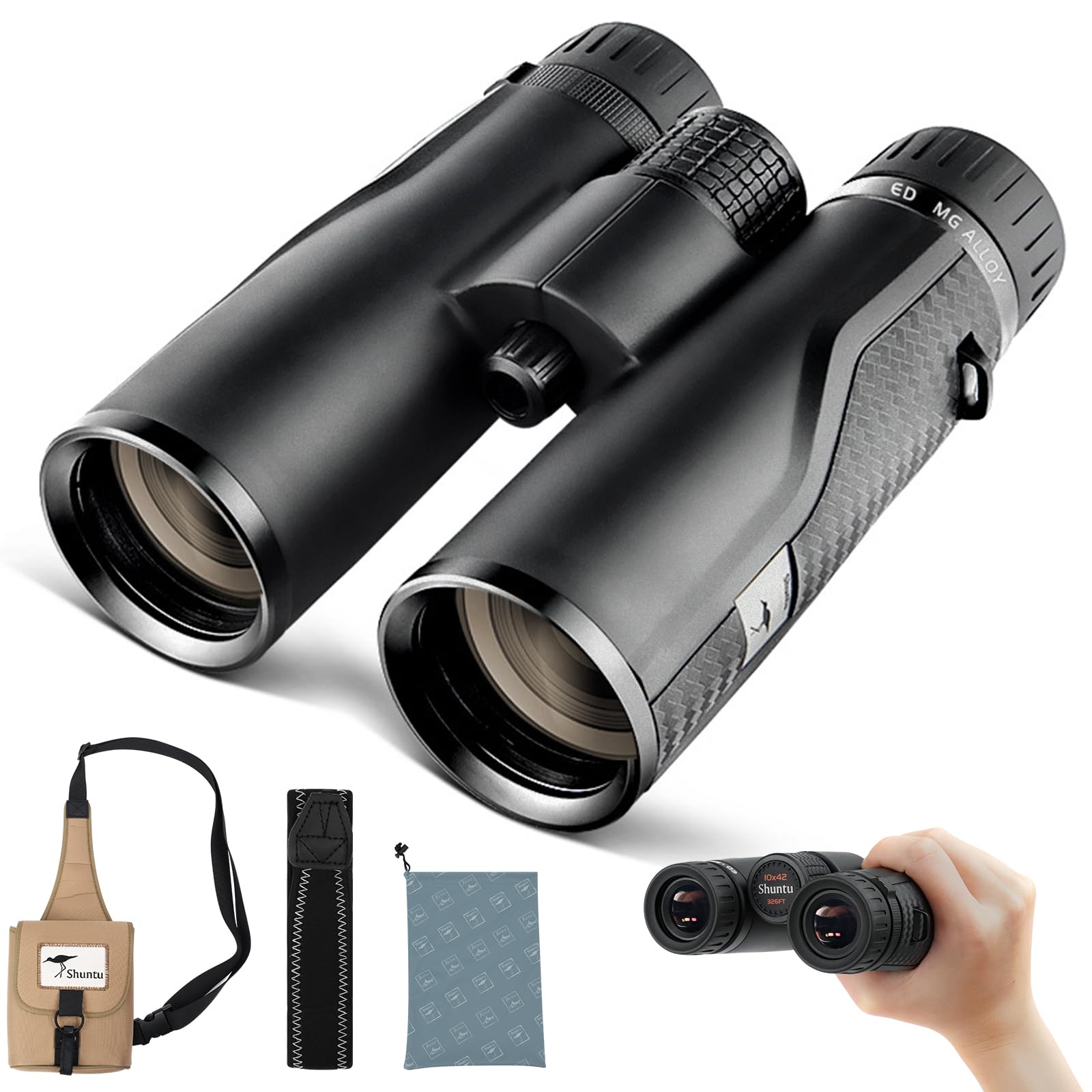
Beginners should put field of view, eye relief, and focus wheel smoothness ahead of raw magnification when choosing birding binoculars. Those three decide how easily you find birds and how long you stay comfortable. A welcome extra is a wide padded neck strap in the box, since comfort encourages longer first outings.
Is a smartphone enough instead of birding binoculars?
No, a smartphone is not enough instead of birding binoculars, because phone zoom crops a small image and loses the detail you need for identification. Phones are still handy for recording calls and snapping a rough record shot through one eyepiece. Many birders carry both, using the phone for notes and sound.
How much should you spend on your first pair of birding binoculars?
Spending about $120 to $200 on your first pair of birding binoculars lands you where optics stop holding you back. Below about $80, dim glass and narrow views frustrate new birders quickly. If money is tight, buy a solid 8x42 now and skip the cheap compact pair you would soon replace.
What does 8x42 or 10x42 mean on birding binoculars?
On birding binoculars, 8x42 means eight times magnification through a 42 mm objective lens, and 10x42 means ten times magnification through the same lens size. The second number also drives size and weight, so 42 mm pairs are larger than 32 mm pairs. A quick check is to view a printed page at dusk, where the brighter format shows its advantage.
Which birding binoculars are better for low light birding?
An 8x42 pair is better for low light birding than a 10x42 pair, because its larger exit pupil delivers more light to your eye at dawn and dusk. Coating quality matters just as much, so a fully multi coated 8x42 will outsee a poorly coated one. For owls and evening roosts, arrive early and let your eyes adjust to the dark.
Final Thoughts
Keep the checklist short: the right magnification for your habitat, honest glass with full coatings, enough eye relief, and sealing you can trust in the rain. The best birding binoculars under $200 for you are the pair that passes those tests and feels natural in your hands. Compare your finalists in the product table above and get out at first light.


