
Best 10x42 Binoculars under $200 of 2026: Complete Buying Guide
Disclosure: We may earn a commission when you buy through links on this page, at no extra cost to you. As an Amazon Associate I earn from qualifying purchases. Learn more

Compare the best 10x42 binoculars under $200 with clear guidance on glass quality, field of view, eye relief, focus, weight, and weather sealing.
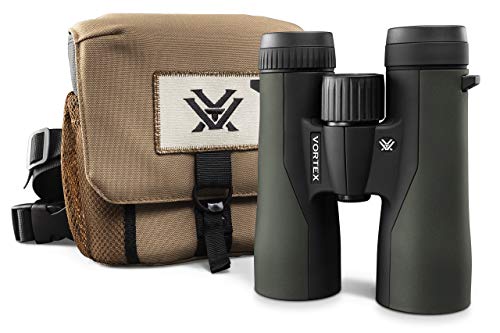
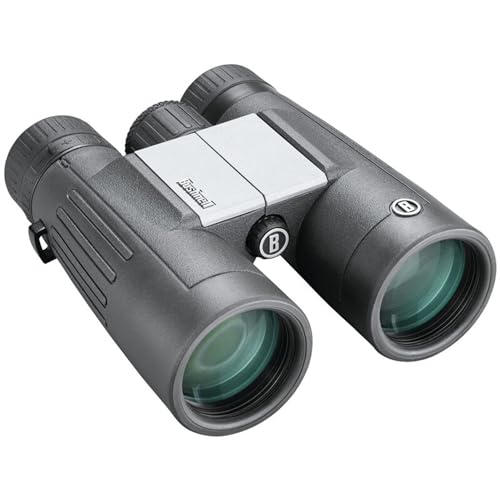
A 10x42 pair hits a sweet spot for many outdoor days, giving you real reach without the bulk of a larger glass. Finding the best 10x42 binoculars under $200 means sorting honest optical quality from long feature lists that add little in the field. This guide explains what to compare, what to skip, and how to check fit. The comparison table below gathers the key specs side by side so you can spot the differences fast.
Price alone tells you very little at this level, since two pairs at a similar cost can differ a lot in edge clarity, focus feel, and weather sealing. You will learn how glass, prisms, field of view, and eye relief shape the view, plus the checks that reveal a poor sample.


What You Can Realistically Expect at This Price
Shoppers who want the best 10x42 binoculars under $200 should put glass quality and sealing ahead of extras like phone adapters and fancy cases. At this budget you can expect fully multi coated lenses, roof prisms with phase coating on many models, and a waterproof housing that shrugs off rain. What you give up is the last bit of edge sharpness, the widest field, and premium glass that flattens color fringing against bright sky. Those are fair tradeoffs, since the center view on a good pair is bright and crisp for most daylight use.
Some makers spend the budget on the optics, while others spend it on accessories you may never carry. A padded case and a basic strap are plenty, so let the glass and the focus wheel drive your choice. If your plans mix several sizes and uses, see our guide to the best binoculars under $200 for a wider look at other formats.
Stretching the budget does buy real gains, mostly in glass quality, coatings, and low light clarity. If you can spend a little more, see our guide to the best 10x42 binoculars under $300 to learn what that extra money adds. Readers saving toward a longer term upgrade can also see our guide to the best 10x42 binoculars under $500 and judge whether the jump is worth it.
Who Should Buy a 10x42 Pair at This Budget
Bird Watchers Who Want Reach and Fine Detail
You watch warblers, shorebirds, and raptors at distances where 8 power can leave markings just out of reach. The extra magnification helps you confirm a wing bar or a bill shape before the bird moves on. You still need a decent field of view for finding birds in brush, plus a close focus near your feeders. For a deeper look at features tuned to this hobby, see our guide to the best birding binoculars under $200 and compare the priorities there with your own walks.
Hunters and Wildlife Watchers in Open Country
You glass hillsides, field edges, and cutovers where animals appear far off and often in dim woods light. A 42 mm objective lens gathers enough light for dawn and dusk scanning, and the sealed body handles frost and drizzle. Rubber armor and a firm grip matter when your hands are cold or gloved. If your season drives the purchase, see our guide to the best hunting binoculars under $200 for guidance shaped around stands and stalks.
Travelers, Hikers, and Sports Fans Who Share One Pair
You want one pair that covers a stadium seat, a scenic overlook, and a whale watch boat without fuss. A 10x42 is bigger than compact binoculars, yet it gives a brighter picture when the light fades late in the day. Sharing is easy when the interpupillary range is wide and the eyecups move smoothly for different faces. Choose a secure strap and a case you will actually pack.
Key Features to Compare Before You Buy
The product table above lists the headline specs, but the notes below explain what each one feels like in your hands and at your eyes.
Glass Quality and Lens Coatings
Coatings control how much light reaches your eyes and how much stray light washes out the view. Fully multi coated means every air to glass surface carries several coating layers, and it is the standard to expect at this price. Some models add extra low dispersion glass, which reduces the purple or green fringe along branches against a bright sky. No coating claim fixes poor glass underneath, so favor honest spec sheets over long lists of trademarked names.
Prism Design and Phase Coating
Most 10x42 models use roof prisms, which keep the barrels straight and the body slim for packing. Better roof prisms use BaK 4 glass and a phase coating that keeps light waves aligned, giving stronger contrast and finer detail on feathers and fur. Cheaper BK 7 prisms can show a slightly squared exit pupil and a dimmer edge. Porro prism designs still appear at this price and can offer a bright view, though the body is broader.
Field of View and Eye Relief
Field of view tells you how wide a scene you see at once, listed as feet at 1,000 yards or as an angle in degrees. Most pairs in this class show about 305 to 345 feet at 1,000 yards, and a wider field makes moving birds easier to follow. Eye relief is the distance your eye can sit from the eyepiece and still see the full picture, and about 15 to 18 mm suits most glasses wearers. Twist up eyecups set that distance in clicks.
Focus Wheel and Close Focus
The center focus wheel should turn smoothly with light finger pressure and no rough spots or free play. A wheel that needs about one and a half turns from close focus to far distance balances speed and precision well. Close focus near about 6 to 8 feet lets you study butterflies and feeder birds without stepping back. Test the wheel in cold weather too, since a stiff wheel feels even stiffer through gloves.
Weather Sealing and Overall Build
A weatherproof pair uses sealed housings and nitrogen filling to keep rain out and stop the inner lenses from fogging when temperatures swing. Look for a clear waterproof claim rather than vague words about splashes. Rubber armor guards the barrels against knocks and gives your hands purchase on wet mornings. Most pairs here weigh about 24 to 28 ounces, light enough for a neck strap on short walks and better on a harness for long ones.
What the 10x42 Numbers Mean for Fit and Light
The first number is magnification, so a 10x42 makes a bird appear ten times closer than it looks to the naked eye. The second number is the objective lens size in millimeters, and 42 mm stays useful in shade and at dusk. More magnification also magnifies hand shake, which is why many owners brace their elbows for long looks.
Divide the objective size by the magnification and you get the exit pupil, the small circle of light that reaches your eye. For a 10x42 that figure is 4.2 mm, a good match for eyes in shade and at dusk, when your own pupil opens wider than at noon. A larger exit pupil feels more forgiving about eye placement, while a smaller one dims fast as light drops. No setting can change it later.
Fit checks take a minute and save a return. Set the barrel spacing so the two circles merge into one round image, using the interpupillary scale if your pair has one. Then use the diopter ring, usually on the right eyepiece, to balance focus between your two eyes, since few people have identical vision on both sides. Finish by setting the eyecups for how you watch, with glasses on or off.
Common Mistakes to Avoid
- Buying on magnification alone, because a narrow field makes birds harder to find and follow in brush.
- Ignoring eye relief while wearing glasses, so the edges of the view turn black and the field feels small.
- Skipping the barrel spacing check, so the two circles never merge into one clean round image.
- Paying for a phone adapter before glass quality, so the budget goes to an extra instead of a brighter view.
- Storing the pair loose in a hot trunk, so heat and knocks work on the seals and the alignment.
- Turning the diopter ring by accident and never resetting it, so one eye always looks soft no matter how you focus.
Care and Maintenance for Your 10x42 Binoculars
Good care protects the coatings that do most of the optical work.
- Blow loose grit off the lenses first, then wipe with a clean lens cloth in slow circles, since trapped grit dragged across a coating can leave fine scratches.
- Keep the objective caps and the eyepiece guard in place between uses, because most dust and small knocks happen in the bag.
- Let a wet pair air dry at room temperature before you case it, so trapped moisture does not sit against the seals.
- Bring cold glass indoors inside its closed case, so warm house air condenses on the case instead of on the cold lenses.
- Check the strap lugs, hinge tension, and eyecup clicks every few months, and service anything that has worked loose.
- Rinse salt spray off the body with a damp cloth after coastal trips, since dried salt creeps into seams and dulls the armor.
Frequently Asked Questions
Can You Get Good 10x42 Binoculars for Under $200 Without Giving Up Clear Views?
Yes, a good pair at this price gives a bright and sharp center view that satisfies most birders and hunters. When yours arrives, check the sample by viewing a straight roof line through both barrels at once. The two images should merge into one with no double edges or eye strain after a minute. A sample that fails that check goes back, because internal alignment is set at the factory.
Do 10x42 Binoculars Shake More Than 8x42 Binoculars During Handheld Use?
Yes, the higher magnification shows more hand movement, so distant detail can swim a little on a windy ridge. You can calm the view by bracing your elbows against your ribs, leaning on a tree or fence post, or resting the barrels on a pack rim. The shake often fades from notice after a few outings as your hold settles. If you mostly watch from boats, the steadier 8 power view may suit you better.
Can You Use 10x42 Binoculars While Wearing Eyeglasses or Sunglasses?
Yes, most wearers see the full field with the eyecups twisted fully down and the glasses sitting close. Try the pair with the exact frames you wear outside, since deep frames hold your eye farther back than slim ones do. Sunglasses with thick temples can have the same effect. If the outer ring of the view still clips, a model with a millimeter or two more eye relief will feel more open.
How Much Do 10x42 Binoculars Usually Weigh for a Full Day on Foot?
Most pairs weigh about 24 to 28 ounces, close to a full water bottle, and that load rides on your neck for hours on the stock strap. A chest harness spreads the weight across your shoulders and keeps the glass from swinging while you climb. Add the case when you judge pack weight, since the full kit adds several ounces. For short walks the strap is fine, but hikers covering miles usually switch to the harness.
Do 10x42 Binoculars Need a Tripod for Watching at Dusk?
No, a tripod is optional for this size, since most owners hand hold a 10x42 comfortably for scanning and short studies. An adapter earns its place during long and still watches, like a feeder from a porch chair or shorebirds at last light. Sitting with your elbows on your knees gives you most of the same steadiness for free.
Final Thoughts
Start with the glass and the sealing, confirm the field of view and eye relief fit your eyes and your glasses, and let extras wait. Use the product table above to line up your final choices against those priorities. Chosen that way, the best 10x42 binoculars under $200 stop being a gamble and become a tool you reach for on every walk, watch, and trip.


