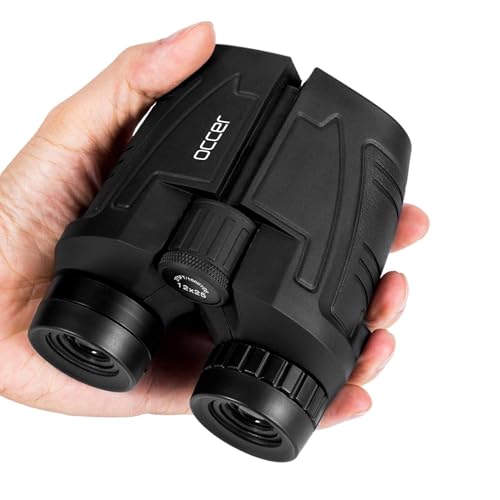
Best Compact Binoculars for Wildlife Viewing for 2026: What Your Money Gets You
Disclosure: We may earn a commission when you buy through links on this page, at no extra cost to you. As an Amazon Associate I earn from qualifying purchases. Learn more

Compare compact binoculars for wildlife viewing by size, brightness, and price. Learn which magnification and coatings suit dawn walks, wetlands, and hikes.
Choosing best compact binoculars for wildlife viewing starts with a simple trade off. A smaller optic is easy to carry all day, yet it must still gather enough light and show enough detail to make a distant animal worth watching. Prices on the market vary widely, so this guide explains where spending more helps and where it does not. Use the comparison table below to weigh size, brightness, and price side by side before you decide.
Wildlife watching rewards patience, and a compact optic rewards the watcher who actually carries it. A heavy pair left in the car helps no one, while a light pair around your neck is ready when a deer steps from cover or a heron lifts from a marsh. The sections below cover spending levels, features worth paying for, and long term costs, so you can match an optic to the outings you really take.
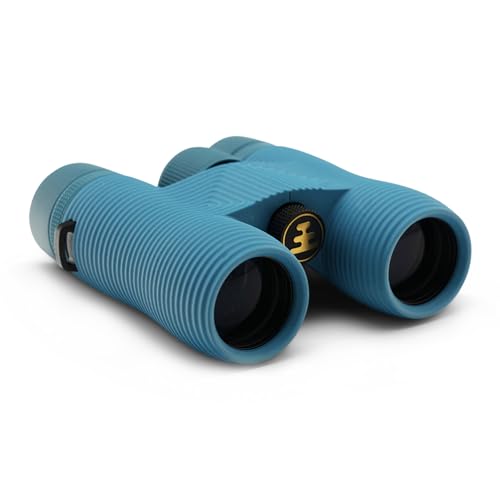


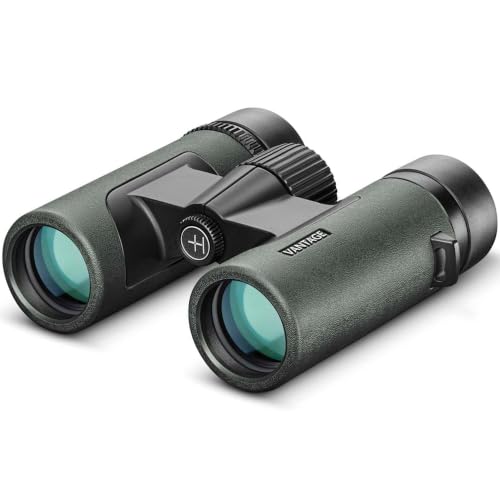

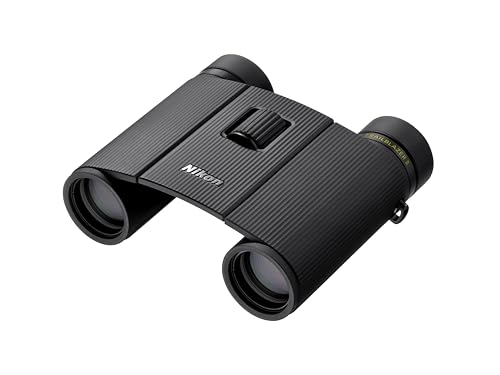
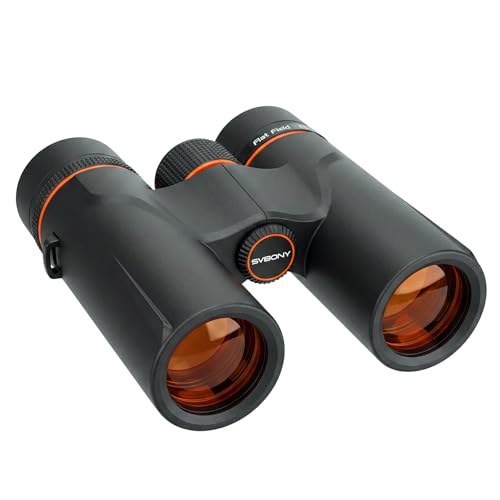
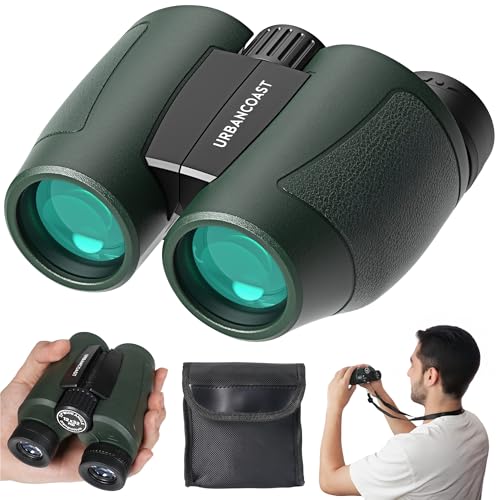

Which Compact Size Suits Your Outings
Dawn birders need brightness more than raw power. At first light, a wider objective and good coatings matter more than high magnification, because a dim, shaky image hides feather detail. A compact pair with an 8x32 or 8x42 configuration often suits this group, since it balances a steady view with enough light for the early hours.
Wetland watchers face glare, wind, and long periods of scanning open water. Here a comfortable eye relief and a wide field of view matter, because you may watch a flock for many minutes without lowering the optic. Weather sealing also earns its keep near water, where spray and sudden rain are part of the outing.
Hikers and travelers value packed size and weight above all else. A pair that folds flat and slips into a jacket pocket will travel on every walk, while a bulkier pair may stay behind on steep climbs. For this group, a modest magnification with a steady image beats a powerful optic that shakes with every step.
Spending Levels Explained
Budget tiers in this guide describe what you typically get at each price level, not a ranking of specific products. Prices are approximate, and features vary by maker, so treat each tier as a starting point for comparison rather than a promise.
A Sensible Starting Point
A starting budget of about $60 to $120 usually buys a light, pocket sized pair with basic coatings and a simple focus wheel. Images are clear in good daylight, and the build is fine for casual walks and garden watching. You may notice softer edges and less brightness at dawn, and weather sealing may be limited to light rain resistance. This level suits a first time wildlife watcher who wants to learn what magnification feels right before spending more.
The Comfortable Middle Ground
A middle budget of about $120 to $250 usually adds fully coated glass, smoother focus, and better sealing against rain and dust. Images stay brighter in shade and at dusk, and eye relief often improves for people who wear glasses. Many regular watchers settle here, because the gain in clarity and comfort is easy to notice without paying for the finest glass. This level suits weekly outings, longer walks, and mixed conditions.
When a Larger Budget Helps
A larger budget of about $250 to $500 usually brings finer glass, tighter quality control, and a more refined focus and hinge. Colors look more natural, edge sharpness improves, and the optic often feels smoother after hours of use. The gain over the middle level is real but smaller, so this level suits dedicated watchers who spend long hours in the field and want the clearest view in poor light. For occasional use, the extra cost may not be worth it.
Features Worth Paying For and Ones to Skip
Camera terms such as sensor size, megapixels, and video resolution do not apply to binoculars. A binocular has no sensor and records no video, so judge it by its glass, its build, and how it feels in your hands. The factors below are the ones that change what you actually see in the field.
Magnification and Objective Size
Magnification tells you how much closer a subject appears, and objective size tells you how wide the front lens is in millimeters. An 8x42 pair magnifies eight times with a 42 millimeter front lens, while a 10x42 pair magnifies ten times with the same front lens. Higher magnification narrows the view and shakes more, so most wildlife watchers prefer 8x for a steady, wide image. Compact models often use 25 to 32 millimeter objectives to save weight, which is fine in daylight but dimmer at dawn.
Brightness in Low Light
Brightness depends on exit pupil and twilight factor, two numbers that describe how much light reaches your eye. Exit pupil is the objective size divided by magnification, so an 8x32 pair gives a 4 millimeter exit pupil.
A larger exit pupil helps at dawn and dusk, when your own pupils widen. Twilight factor combines magnification and objective size into a single rough guide to low light detail. Coatings matter too, since fully coated glass loses less light at each surface than partly coated glass.
Size Weight and Carrying Comfort
Measure folded size and weight before you buy, and think about how you will carry the pair. A compact pair should fit a jacket pocket or a small case without pulling at your neck. Check the hinge, since a double hinge folds smaller but can feel less rigid than a single hinge. Try the focus wheel with gloves if you watch in cold weather, and check that the eye cups twist or fold to suit glasses or bare eyes.
Weather Sealing and Build Quality
Look for a sealed body filled with dry gas, which resists internal fog when you move from cold air into a warm hide or vehicle. Rubber armor protects against knocks and gives a secure grip in wet hands. A rain guard for the eyepieces and a tethered objective cover help on wet days. These features are worth paying for if you watch near water or in rain, but they add weight, so fair weather walkers may prefer a lighter, simpler body.
Features That Matter for Wildlife Viewing
Wildlife viewing calls for a wide field of view, a close focus distance, and comfortable eye relief. A wide field helps you find a moving animal and follow it without constant searching. Close focus matters when a butterfly or a nearby bird fills the view, so check the nearest distance the maker lists. Generous eye relief lets glasses wearers see the full field, and a smooth focus wheel lets you shift from a near subject to a distant one without losing the moment.
Long Term Costs to Factor In
The purchase price is only part of the total cost. Add a neck strap you actually like, a rain guard, lens caps, and a cleaning cloth, plus a protective case if you hike rough ground. Budget for occasional service if the hinge loosens or the focus stiffens, and check the warranty length and what it covers before you buy. A well kept pair can last many years, so spending a little more on sealing and build often costs less over time than replacing a cheaper pair.
Frequently Asked Questions
What features matter most in compact binoculars for wildlife viewing?
The most important features are a steady magnification, good coatings, and a comfortable fit. An 8x magnification gives a wide, stable view that suits most wildlife watching, while fully coated glass keeps images bright in shade. Eye relief matters for glasses wearers, weather sealing matters near water, and size matters too, since a pair you leave behind helps no one. For wildlife viewing in general, the same factors apply in harsher northern conditions, where brightness and sealing matter even more.
Which compact binocular is better for low light?
A compact binocular with a larger objective and a lower magnification is usually better for low light. An 8x32 pair gathers more light per unit of magnification than a 10x25 pair, and fully coated glass preserves more of that light. Twilight factor offers a rough comparison, but it does not tell the whole story, since coating quality and glass quality also shape the image. If dawn and dusk watching matters to you, favor brightness over power and test the pair in dim light when you can.
How much should I spend on my first compact binocular?
Most first time buyers do well with a budget of about $80 to $180, which buys a light, well coated pair that performs well in daylight. Spending less is fine for casual walks, but very cheap optics can frustrate a new watcher with soft edges and stiff focus. Spending more makes sense once you know you watch weekly and want better low light performance. Start modestly, learn which magnification you prefer, and upgrade later if your outings demand it.
What does 8x42 or 10x42 mean?
The first number is magnification, and the second number is the objective lens size in millimeters. An 8x42 binocular magnifies eight times and has a 42 millimeter front lens, while a 10x42 binocular magnifies ten times with the same front lens. The 8x version gives a wider, steadier view and a brighter image in low light, while the 10x version shows more detail but shakes more. For most wildlife viewing, the steadier 8x view is easier to use for long periods.
What specs matter most for beginners?
Beginners should focus on magnification, weight, eye relief, and close focus rather than chasing the highest power. An 8x magnification is forgiving, a light body encourages daily carrying, and generous eye relief suits glasses wearers. Close focus helps with nearby birds and insects, which beginners often enjoy most. A simple, smooth focus wheel matters more than advanced features, since it lets you react quickly when an animal appears.
The Bottom Line
The best choice balances size, brightness, and budget for the outings you actually take. Favor a steady 8x view, fully coated glass, and a body you will carry every time, and pay more only when low light performance or rugged sealing truly matters. Remember the safety basics on every outing: never look at the sun through binoculars, keep a safe distance from animals, and follow local wildlife and trail rules. When you are ready to compare options, return to the product table above and weigh best compact binoculars for wildlife viewing against your own viewing habits.
For related reading, see our guide to best binoculars for viewing wildlife, our guide to best inexpensive binoculars for wildlife viewing for budget focused advice, our guide to best rated compact binoculars, and our guide to best binoculars for wildlife viewing in Alaska.