
Best Binoculars for Wildlife: Field Guide for 2026
Disclosure: We may earn a commission when you buy through links on this page, at no extra cost to you. As an Amazon Associate I earn from qualifying purchases. Learn more

Best binoculars for wildlife depend on your ground and light: compare magnification, brightness, close focus, and weight before you buy.
Choosing the best binoculars for wildlife starts with the animals you hope to see, because a pair built for open plains behaves differently from a pair built for dense forest. Shy animals keep their distance, light changes fast at dawn and dusk, and you may carry the pair for hours before a brief sighting. This guide walks through the features that matter in the field so you can choose a pair that finds animals quickly and holds them in view.
The product table lists picks to compare, and the sections that follow explain how magnification, brightness, close focus, and weight work together in real watching. You will also learn which spending level fits your habits, which mistakes cost watchers the best sightings, and how simple care keeps the pair ready for the next outing.
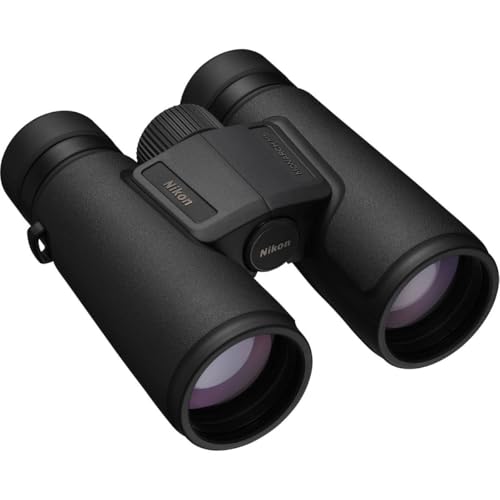


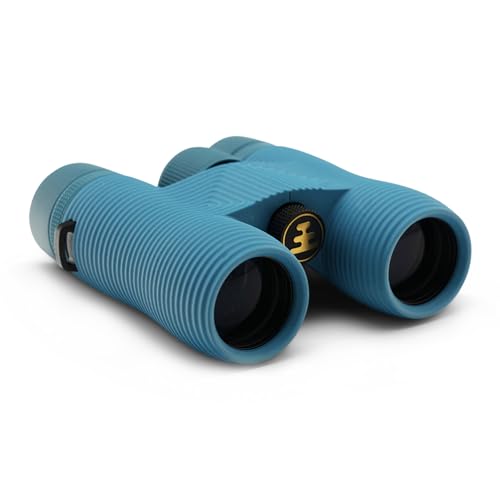
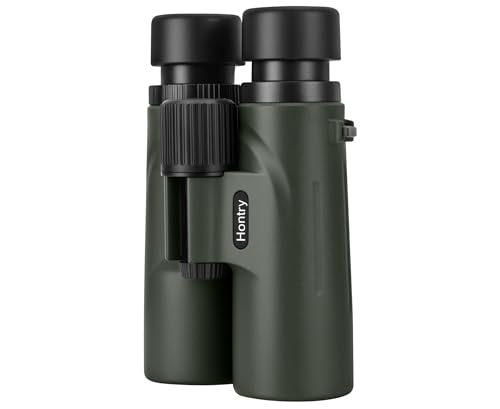

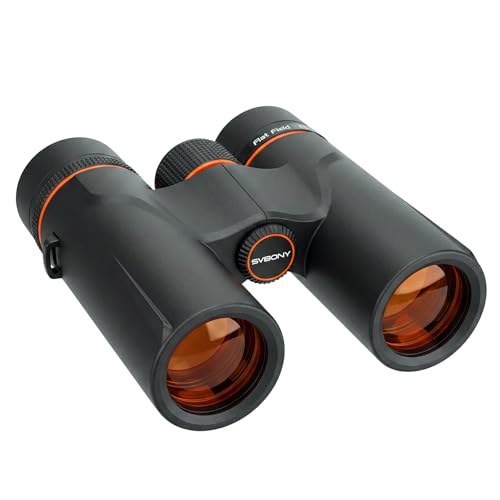

Best Binoculars for Wildlife by Watching Style
Wildlife watchers differ in where they stand, how far their subjects sit, and how long they wait, so one pair cannot serve every style equally well. Dawn watchers need brightness, open country watchers need reach, and forest watchers need a wide view that finds movement fast. Matching the pair to your usual ground gives you more sightings than chasing the highest magnification on the shelf.
Dawn and Dusk Watchers
Dawn and dusk watchers head out when animals are most active and light is weakest, so brightness and contrast matter more than extreme zoom. A pair with larger front lenses and strong coatings keeps details visible as shadows deepen, and a steady 8x view often beats a shaky 10x view when the light fades. These watchers should also check fog resistance, since cold mornings and warm breath can cloud lenses at the worst moment.
Open Country and Wetland Watchers
Open country and wetland watchers scan wide spaces for animals that sit far away, so reach and a stable image matter most. A 10x pair can help here when used with a rest, a monopod, or elbows braced on a fence, and a narrow field is less of a problem when the subject sits in open ground. These watchers should still weigh total weight, since a long walk to a viewpoint can tire arms before the first sighting.
Forest and Trail Watchers
Forest and trail watchers move through trees and brush where animals appear close and vanish fast, so a wide field of view and quick focus matter most. A lighter pair with a fast focus wheel lets you swing from a nearby warbler to a distant deer without fumbling, and good close focus helps when a subject lands only a few yards away. For this group, a compact pair that hangs comfortably on a harness will see far more use than a heavy pair left in the car.
Spending Bands for Wildlife Watching
Wildlife pairs span a wide price range, and the right band depends on how often you watch and how much low light performance you need. The bands below describe what typically improves as spending rises.
Modest Spend: Field Ready Basics
A modest spend usually buys a daylight capable pair with simple coatings, a workable focus wheel, and basic sealing. Expect a clear view of animals in good light and a pair light enough for a morning walk, but expect softer edges and dimmer views as light fades. This band suits watchers who go out occasionally, share the pair with family, or are still learning which magnification they prefer.
Middle Spend: Better Dawn and Dusk Views
A middle spend usually brings stronger coatings, smoother focus, and better sealing, which together make dawn and dusk watching far more rewarding. Images look brighter and more contrast rich, edges sharpen, and the pair handles rain and temperature swings with less fogging. For watchers who head out weekly, this band often gives the best return, since the gains show up in exactly the conditions when wildlife is most active.
Higher Spend: Sharper Detail at Distance
A higher spend usually buys finer glass, tighter mechanical tolerances, and a view that stays sharp across the whole field. Distant animals show more feather and fur detail, colors look truer, and the focus wheel stays smooth in cold weather. Before paying at this level, check that your watching truly needs the extra detail, since a casual walker may gain more from a lighter middle band pair carried every day than from a premium pair carried rarely.
Wildlife Specific Features to Weigh
The features below shape wildlife watching more than headline numbers do. Read them together, since a strength in one area can offset a weakness in another.
Magnification for Shy and Distant Animals
Magnification decides how large a distant animal appears, but it also narrows the view and magnifies every tremor of your hands. An 8x pair gives a steadier, wider view that finds animals fast, while a 10x pair shows more detail once the animal is located. Many field watchers start with 8x and move to 10x only after they learn to brace steadily, since a shaky close view is worse than a steady slightly smaller one. Consider how you will support the pair on long watches.
Objective Size and Low Light Brightness
Objective size, the width of each front lens, shapes how much light reaches your eyes. A 42 millimeter front lens suits most wildlife watching, balancing brightness and weight, while a 50 millimeter front lens gathers more light for dawn and dusk but adds bulk on long walks. Coatings matter just as much as size, since poor coatings waste the light a large lens gathers. Judge low light performance by brightness and contrast together, not by front lens size alone.
Close Focus for Nearby Subjects
Close focus is the shortest distance at which the pair still gives a sharp image, and it matters more for wildlife than many buyers expect. Butterflies, frogs, and birds at a feeder may sit only a few yards away, and a pair with a long close focus will leave them blurred. Check the close focus figure before buying if you watch gardens, hides, or wetlands where subjects approach closely. A short close focus turns a near miss into a detailed view.
Field of View and Tracking Movement
Field of view measures the width of the scene you see at a set distance, and a wide field helps you find an animal fast and follow it as it moves. In forest and scrub, a wide field often matters more than magnification, since the animal may cross the view in seconds. Compare field of view figures at the same distance, and remember that a pair with a narrow field can make even a bright image feel hard to use. Practice sweeping slowly, since fast panning blurs the scene and startles nearby animals.
Weight and Comfort on Long Walks
Weight decides whether the pair stays around your neck all morning or ends up in your pack. A difference of a few ounces grows large over miles of trail, and a good harness spreads the load across your shoulders instead of your neck. Check the balance of the pair as well as its listed weight, since a front heavy pair tires your arms faster than a balanced one. Comfort also covers eye cups, grip texture, and a focus wheel you can turn with gloves on cold mornings.
Mistakes Wildlife Watchers Often Make
- Buying the highest magnification first, then struggling to find and hold animals in view.
- Ignoring close focus, then missing sharp views of nearby birds and insects.
- Choosing a heavy pair for long walks, then leaving it behind on the best mornings.
- Skipping weather sealing, then facing fogged lenses in rain and cold.
- Pointing binoculars toward the sun while scanning bright skies and water.
- Moving too fast and noisily, then wondering why animals vanish before the view settles.
Never point binoculars at the sun, and follow the manufacturer's instructions for safe use. Readers planning a northern trip can compare best binoculars for Alaska wildlife for cold and wide landscape needs, while watchers who also photograph animals may like our guide to best binoculars for viewing wildlife. For a packable option on long trails, see our guide to best compact binoculars for wildlife viewing, and for a general quality check see best rated binoculars.
Keeping Binoculars Ready in the Field
Field care is simple but worth doing after every outing. Brush off dust before wiping lenses, use a soft optics cloth for smudges, and keep caps on during transport to block grit. Dry the pair before storing it after rain, check the strap and harness for wear, and store it in a cool dry place away from direct heat. A quick check of the hinge and focus wheel now and then catches grit early, before it grinds into the mechanism and stiffens the focus.
Your Questions Answered
How do you choose magnification for shy animals?
Choose magnification by balancing detail against steadiness, starting with 8x unless you already brace well or use a support. Shy animals sit far away, so the temptation is to buy 10x or more, but a shaky image hides the very detail you want to see. Practice holding the pair with elbows tucked in and arms supported, and check whether you can hold a distant sign steady for a full minute. If you cannot, the wider and steadier 8x view will serve you better in the field.
Why does close focus matter for wildlife watching?
Close focus matters because many rewarding sightings happen near, not far, from the watcher. A bird at a feeder, a frog at a pond edge, or a butterfly on a flower may sit only a few yards away, and a pair with a long close focus cannot sharpen on them at all. A short close focus lets you enjoy those near subjects without switching to another optic. Check the figure in the specifications and try it on a near object before you commit to a pair.
Do wildlife binoculars need full weather sealing?
Full weather sealing is worth having for wildlife watching, since outings often run through rain, mist, and sharp temperature changes. Sealed tubes filled with dry gas resist internal fog far better than open tubes, and good armor protects against knocks on trails and in hides. Sealing does not make a pair waterproof for swimming, so check the maker's depth and time limits before trusting it near water. For watchers who only go out in fair weather, basic sealing may be enough.
Can one pair serve both forest and open country?
One pair can serve both forest and open country if you pick a balanced specification such as 8x42 with a wide field and good close focus. The compromise is real, since forest watching rewards a wide view and open country rewards reach, but a balanced pair handles both acceptably for most watchers. Dedicated watchers may later add a second pair, but a first pair should favor versatility over a single extreme. Weight and comfort matter in both settings, so try the pair on a walk before deciding.
What should you check before a long wildlife hike?
Before a long hike, check the strap and harness, clean the lenses, confirm the focus wheel turns smoothly, and pack a soft cloth and lens caps. Binoculars need no charging, but do check the weather and dress for the conditions you will stand in while watching. Plan water, sun protection, and quiet clothing, and tell someone your route if you head into remote ground. A short practice scan in the yard also confirms that eye cups and focus suit you before the trail.
Final Thoughts
The right wildlife pair is the one that matches your ground, your light, and your stamina, not the one with the biggest numbers. Weigh magnification against steadiness, brightness against weight, and field of view against reach, then spend where your own sightings will benefit most. The product table can narrow the field, but a close check of fit, focus, and balance should guide the final choice. With a balanced pair and patient field habits, the best binoculars for wildlife will reward early mornings and long walks with views worth the wait.


