
Best Binoculars for Wildlife Viewing in Alaska for 2026: Which One Fits the Way You Use It?
Disclosure: We may earn a commission when you buy through links on this page, at no extra cost to you. As an Amazon Associate I earn from qualifying purchases. Learn more

Compare binoculars for wildlife viewing in Alaska by magnification, objective lens size, field of view and weather sealing for whales, bears and birds.
Alaska wildlife is often far away, moving, and seen in rain or dim light, so the right binoculars depend on how and where you will watch. The best binoculars for wildlife viewing in alaska for a whale cruise differ from a pair for tundra hiking, and neither suits every budget. This guide matches each type of trip to magnification, lens size and sealing, so you can read the comparison table below with a clear plan.
Think first about distance and light. Bears feed along distant shorelines, eagles cross wide rivers, and whales surface for seconds at a time. A steady image, a wide view and lenses that stay clear in cold rain matter more here than a long list of numbers. The sections below sort those needs by trip type first.

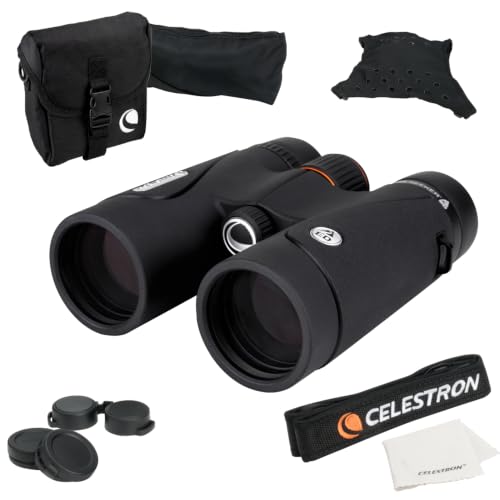
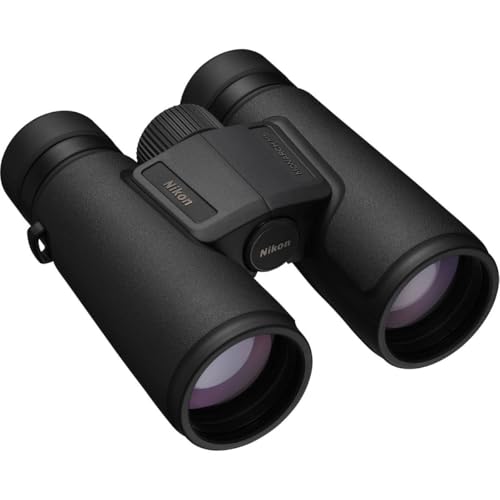


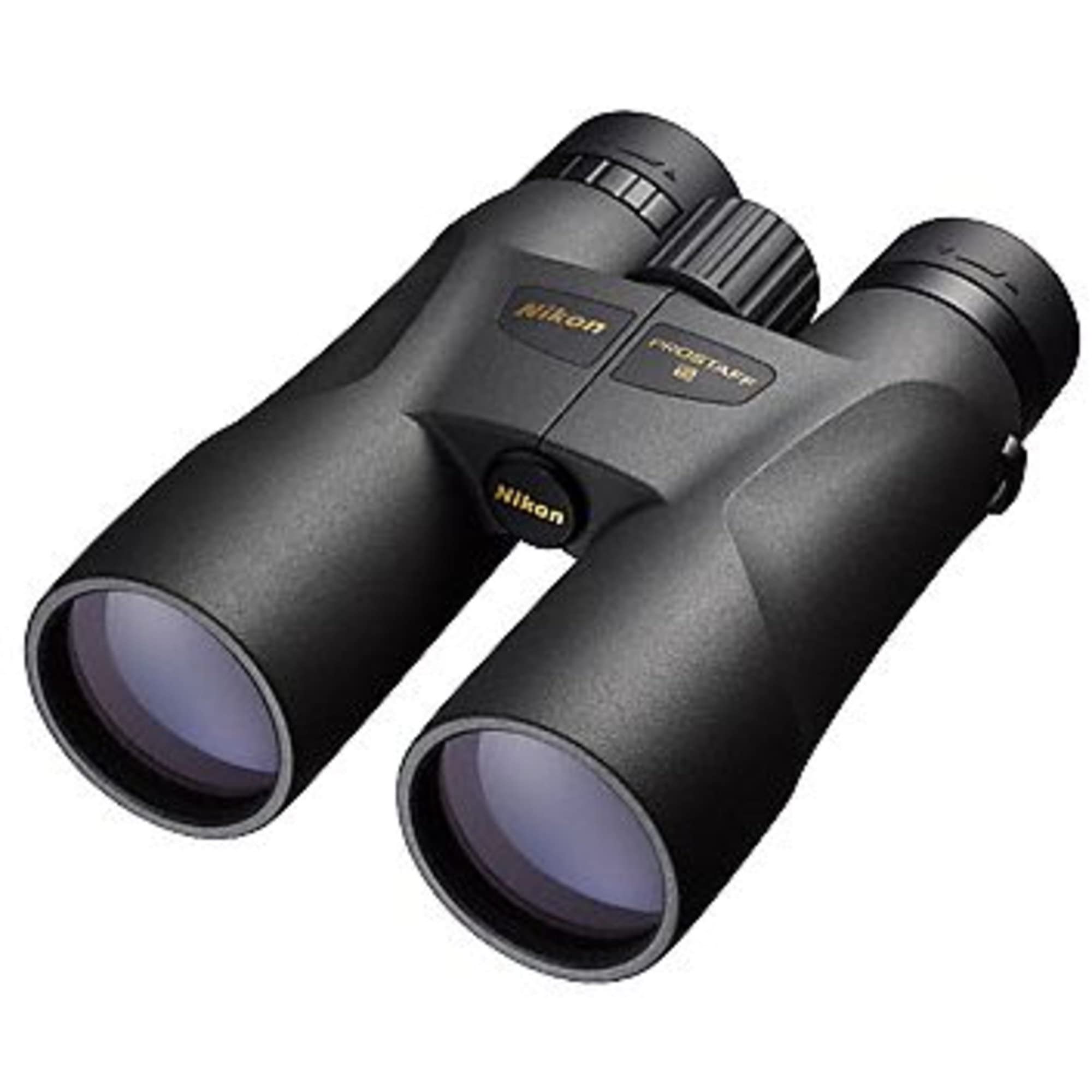


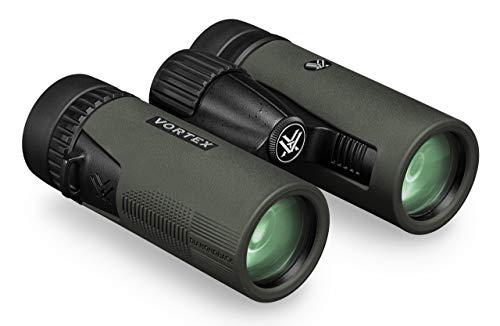
Who Should Buy Which Binoculars?
Match the pair to the trip you will take most often. Weight matters on a trail, steadiness matters on a boat, and brightness matters at dawn.
Cruise Passengers and Whale Watchers on Boats
You watch from a moving deck, often in wind and spray. Choose 8x magnification, because a boat amplifies every shake and a wider view helps you find a whale before it dives. Look for full waterproof sealing and a strap that keeps the pair secure at the rail. If whales are your main goal, see our guide to the best binoculars for whale watching in alaska.
Hikers and Campers on Trails and Tundra
You carry every ounce for hours, and weather can change fast. A mid size 8x32 or 10x32 pair cuts weight while keeping a useful view of caribou, sheep and birds. Choose rubber armor for bumps against rock and pack straps, plus a harness that spreads weight across your shoulders. If pack space is tight, see our guide to the best compact binoculars for wildlife viewing before you settle on a full size pair.
Bird Watchers and Bear Viewers Along Rivers and Shore
You often stand still for long stretches, scanning banks and mudflats where detail matters. A 10x42 pair gives reach for distant bears and enough brightness for shorebirds in flat morning light. Close focus of about 6 to 8 feet helps with warblers and butterflies near the trail. A tripod adapter can steady longer sessions at a viewing platform.
Key Features to Compare
Specs only matter when they change what you see in the field. When you shop for the best binoculars for wildlife viewing in Alaska, judge each spec by the distance, light and weather on your trip. The five factors below explain what each number means and which choice suits which kind of watching.
Magnification and Stability for Distant Alaska Wildlife
Magnification tells you how much closer an animal appears. An 8x pair makes a bear look eight times closer and stays steadier in your hands, while 10x adds reach for sheep on far slopes but narrows the view and shows more shake. Power above 10x rarely helps without support, because wind and cold hands magnify every tremor. Image stabilization can calm the view on boats, but it adds weight, cost and batteries. Most visitors do best with 8x for boats, or 10x for scanning open country from shore.
Objective Lens Size, Exit Pupil and Low Light
The second number in 8x42 is the objective lens size in millimeters, and larger lenses gather more light. Exit pupil, found by dividing lens size by magnification, hints at brightness in dim light, so 42 divided by 8 gives about 5.3 mm. Summer days in Alaska are long, yet dawn bear viewing and forest shade still reward a 42 mm lens. Good coatings and extra low dispersion glass sharpen color and contrast, which helps you separate a brown bear from brown brush.
Field of View for Tracking Moving Animals
Field of view is the width you can see at 1,000 yards, often about 300 to 420 feet. A wider view helps you pick up a moving eagle, follow porpoises, and find an animal again after you lower the binoculars. Narrow views feel cramped and make scanning slow work. If you track birds in flight, favor width over extra power, because an animal outside the view cannot be identified.
Waterproof and Fogproof Sealing for Rain, Spray and Cold
Alaska viewing means rain, sea spray, and warm breath meeting cold air. Choose binoculars sealed with rubber rings and filled with nitrogen, described as waterproof and fogproof, so water stays out and lenses stay clear. Rubber armor adds grip with wet gloves and guards against knocks on rails and rocks. A rating that allows brief immersion is a useful sign of serious sealing. Avoid pairs sold as only water resistant, because one wet afternoon can cloud the lenses for the rest of a trip.
Weight, Eye Relief and Controls You Can Use With Gloves
A full size 42 mm pair often weighs about 22 to 30 ounces, while mid size pairs can drop below 20 ounces. Eye relief of about 15 to 20 mm lets glasses wearers see the full view with twist up eyecups set partway out. In cold weather you will focus with gloves on, so check the focus wheel size, how firmly the diopter ring holds its setting, and strap comfort before a trip. A wheel that turns smoothly beats a stiff one when a moose steps out and seconds matter.
Binocular Types Compared for Alaska Trips
Full size 8x42 and 10x42 pairs are the default for a reason. They balance brightness, view width and weight on shore, trails and boats. Mid size 32 mm pairs trade some dim light brightness for a smaller pack footprint, which suits long hikes. Compact 25 mm pairs fit a jacket pocket for casual sightseeing, but their small lenses dim in shade and their narrow view frustrates serious scanning.
Porro prism and roof prism designs differ mainly in shape. Roof prism pairs are straight and slim and seal well, while porro prism pairs are wider and can cost less for similar clarity. For general wildlife use beyond this state, see our guide to the best binoculars for viewing wildlife, and for a closer match to Alaska conditions, see our guide to the best binoculars for alaska wildlife.
Common Mistakes to Avoid
Each of these errors costs viewing time you cannot get back.
- Choosing 12x or higher power for handheld use makes shake so strong that distant animals blur instead of coming clear.
- Buying a pair with no fogproof sealing lets cold rain cloud the inside lenses during the best viewing hours.
- Ignoring field of view leaves you scanning in narrow slices while whales and eagles pass outside the frame.
- Picking the cheapest compact pair for a once in a lifetime bear trip wastes the trip on dim and narrow views.
- Forgetting glasses and glove use when you test a pair leads to sore eyes and missed focus on cold mornings.
Care and Maintenance for Binoculars in Alaska Conditions
Clean lenses with a soft lens cloth, never your shirt, because grit in fabric can scratch coatings. Blow loose dust off first, then wipe in small circles with light pressure. Keep lens caps on during boat rides, and use a strap or harness so a drop does not end your day.
After a wet outing, let the pair dry at room temperature in open air before you store it in a dry and padded bag. Never leave binoculars in a hot car, because heat can damage seals and lubricants. Check the strap, hinges and focus wheel each season, and send the pair for service if the two sides no longer align or fog appears inside a lens.
Frequently Asked Questions
What features matter most in binoculars for wildlife viewing in Alaska?
Waterproof sealing, a 42 mm objective lens and 8x or 10x magnification matter most for Alaska conditions. One point buyers often miss is the interpupillary distance range, which sets how far apart the two barrels can move. Groups often share one pair, and a pair that cannot narrow enough leaves smaller viewers with dark edges and tired eyes.
What does 8x42 or 10x42 mean on binoculars for Alaska wildlife viewing?
The first number is magnification and the second is the front lens size in millimeters, so 10x42 magnifies ten times with a 42 mm lens. In a store, use the two numbers together rather than chasing power alone. Hold each pair for a full minute, because a heavy pair that feels fine for ten seconds can ache on a long bear watch.
How much should I spend on a first pair of binoculars for Alaska wildlife viewing?
Plan on about $100 to $250 for a solid first pair with real waterproof and fogproof sealing. Below that range, sealing and lens coatings are usually the first corners cut. Set aside part of the budget for a harness and a dry bag. If your budget is tighter, see our guide to the best inexpensive binoculars for wildlife viewing.
What binocular specs matter most for beginners viewing wildlife in Alaska?
Forgiving specs matter most for beginners, meaning a wide field of view, moderate 8x power and simple center focus. Before your trip, set the diopter once at home by focusing on a distant sign with one eye at a time, following the maker directions, then leave it alone. Practice finding a fixed landmark quickly before you go.
Can a smartphone replace binoculars for wildlife viewing in Alaska?
No, a smartphone cannot replace binoculars for Alaska wildlife, because phone zoom crops the image and distant bears shrink to a few blurry pixels. Cold air also drains phone batteries fast, while binoculars keep working all day with no charge. A phone still earns its place for close animals at platforms and for photos through one eyepiece, called digiscoping.
Final Thoughts
For most Alaska trips, start with magnification, sealing and lens size, in that order. A steady, clear and dry view beats extra power you cannot hold still. Use the product table above to compare weight, view width and price against the trip you have planned. When you choose the best binoculars for wildlife viewing in alaska for your own route and season, you spend less time fighting your gear and more time watching the animals you came to see.


