
Best Compact Binoculars for Sports of 2026: Complete Buying Guide
Disclosure: We may earn a commission when you buy through links on this page, at no extra cost to you. As an Amazon Associate I earn from qualifying purchases. Learn more
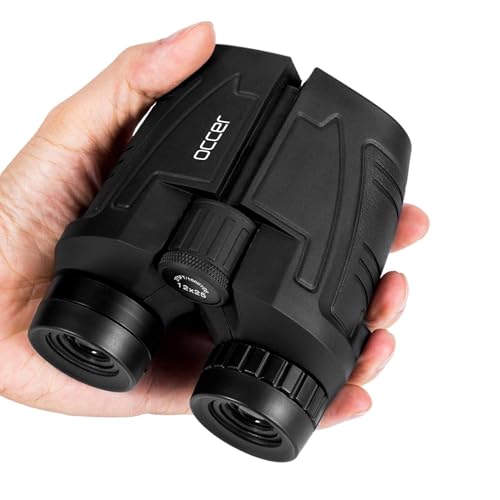
Compare the best compact binoculars for sports by magnification, lens size, field of view and weight, and pick a pair that suits your seat.
From a high seat at a baseball park or the far end of a soccer stadium, the play can feel distant even when the crowd around you is loud. Choosing the best compact binoculars for sports comes down to a few clear tradeoffs between magnification, brightness, size, and how fast you can focus as the action moves. A good compact pair slips into a jacket pocket, yet still brings faces and jersey numbers close enough to follow with ease.
This guide explains the specs that matter at a game, the sizes that stay comfortable through nine innings or four quarters, and the mistakes that leave fans with a dim or shaky view. Use the comparison table below to see how sizes and prices line up, then read on for the detail behind each number.


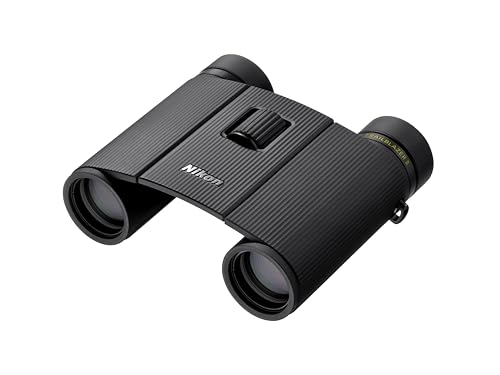


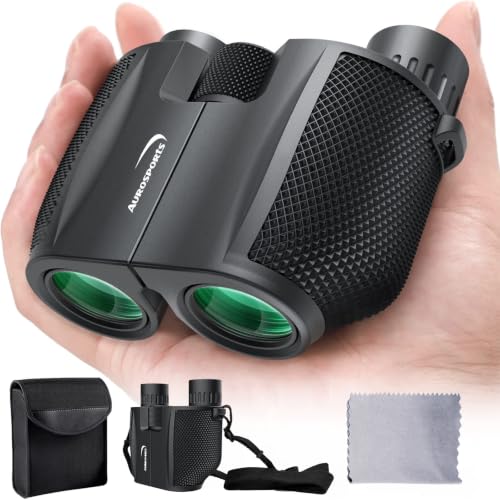

Who Should Buy Compact Binoculars for Sports Viewing
Compact models suit fans who value a light carry and a wide, easy view over the sheer brightness of a larger pair. Your seat distance, the speed of your sport, and how long you hold the binoculars up should drive the choice. If your main question is which format fits live viewing in general, see our guide to the best compact binoculars for watching sports.
Fans in Large Stadiums Who Sit Far From the Field
If your seats sit high or deep, a 10x compact brings distant players noticeably closer than an 8x pair, and that reach helps you read numbers down the sideline. The tradeoff is shake, since higher magnification also magnifies every small movement of your hands. Brace your elbows on your knees or a rail and the view settles. From closer seats, the wider 8x view usually feels calmer.
Parents and Youth League Families on the Move
Families who walk between fields all weekend need a pair that is light, tough, and quick to share. Look for a hinge that folds small, a secure strap, and an interpupillary range that closes down far enough for a child to see one round image instead of two overlapping circles. Rubber armor helps the pair survive drops onto bleachers.
Travelers Who Follow Teams on the Road
If you fly or take trains to away games, every ounce of your carry bag matters, and a compact pair earns its place by riding in a coat pocket on game day. Choose a padded case, and check the weight with the strap and caps on, since listings sometimes quote the bare binoculars only. Fans whose trips mix stadiums with trails can also see our guide to the best compact binoculars for birding.
How to Choose Compact Binoculars for Live Games
Choosing the best compact binoculars for sports starts with the two numbers printed on every pair, then moves to focus speed, brightness, and build quality. The sections below explain each factor once, with the ranges that suit most fans.
Magnification and Objective Lens Size
Every pair is described by two numbers, such as 8x25, 10x25, or 8x32. The first number is magnification, so an 8x pair makes a player look eight times closer, while the second number is the diameter of the front objective lens in millimeters. A larger objective lens gathers more light and looks brighter, but it adds bulk.
For most fans, 8x is the forgiving choice, since the view stays steady and wide enough to track a fast break or a fly ball. A 10x pair suits distant seats, where reach matters more than width. Anything stronger is hard to hold still without support.
Field of View and Focus Speed for Fast Play
Field of view tells you how much of the field you can see at once, usually listed in feet at 1000 yards. A wider field, around 300 feet or more at that distance for an 8x compact, lets you keep the ball and the players around it in frame as play shifts. Narrow views force constant panning, and you end up chasing the action.
Focus speed matters just as much, because a counterattack gives you only a second to sharpen the image. A large center focus wheel that turns smoothly with one finger lets you adjust without lowering the binoculars. Compact binoculars use fixed magnification rather than a zoom control, and fixed pairs stay brighter than small zoom models.
Brightness, Exit Pupil, and Evening Games
Brightness decides whether a day game and a night game under lights feel equally clear. The key figure is exit pupil, found by dividing the objective lens size by the magnification, so an 8x32 pair gives a 4 mm exit pupil while an 8x25 gives about 3.1 mm. A larger exit pupil delivers more light to your eye and looks brighter at dusk.
Your own pupils widen as light falls, so a tiny exit pupil that feels fine at noon can feel dim by the late innings. If most of your games start in the evening, the step from a 25 mm to a 32 mm objective is the biggest upgrade you can make in a compact pair.
Size, Weight, and Comfort in the Hand
Most compact pairs weigh about 8 to 16 ounces, light enough to hang from your neck for a full game without strain. Roof prism models fold into a slim shape that pockets well, while porro prism compacts are wider but often give a pleasing sense of depth. Twist up eyecups set the right distance for your eyes, and glasses wearers should look for eye relief of about 14 mm or more.
Durability and Weather Sealing
Outdoor sports mean sun, dust, spilled drinks, and the odd rain delay, so build quality is a real buying factor. Waterproof pairs use sealed construction to keep rain out, and fogproof models are filled with nitrogen so the inside of the lenses stays clear when you move from a cool car into a humid stadium. Rubber armor absorbs bumps and gives wet hands a surer hold. Check that the focus wheel and hinge move smoothly, since grit in either one ruins game day use.
Lens Coatings, Prisms, and Image Clarity
Clarity comes from the glass and its coatings more than from any headline spec. Coated lenses cut glare and raise contrast, and fully multi coated optics, where every glass surface carries several coating layers, give the cleanest view under bright sun or stadium lights. Inside, BaK 4 prism glass passes light more cleanly than BK 7. Roof prism pairs benefit from phase coating, while ED glass reduces the colored fringe around white jerseys.
Compact Binoculars Compared With Other Options
Size is the main fork in the road when you shop, and the right answer depends on how you watch. The options below trade pocket space against brightness and comfort in different ways. If brightness matters more than a small carry, see our guide to the best sports binoculars for sizes beyond compact models.
Full Size Binoculars
Full size binoculars, most often 8x42 or 10x42, gather far more light than any compact and give the brightest view at dusk. They are the better pick if you sit in one seat all game, watch many evening games, and do not mind a larger case. The cost is size and weight, since a full size pair will not ride in a pocket and can feel heavy by the final quarter.
Monoculars and Spotting Scopes
A monocular is smaller still and works for a quick glance at a scoreboard or a distant banner. Viewing with one eye for a whole game, though, feels tiring and flat, and the narrow field makes tracking play harder. A spotting scope sits at the other extreme, with tripod mounted power meant for still targets, which is far too much for fast team sports.
Phone Cameras and Stadium Screens
Your phone is always with you, and its screen is fine for replays, photos, and checking a call. As a viewing tool during play, though, phone zoom mostly crops the image, so distant players turn soft, and bright sun washes the screen out. Stadium screens show what the broadcast director picks, not the matchup you want to watch. Binoculars give you a steady, both eyes view with real depth.
Common Mistakes to Avoid
Most regrets with compact binoculars come from a handful of repeat errors that a few minutes of checking can prevent.
- Choosing 12x or higher magnification for handheld use, so the image shakes too much to follow play.
- Buying the smallest pair for evening games, so the tiny objective lens gives a dim view under lights.
- Ignoring eye relief while wearing glasses, so you lose the edges of the field.
- Forgetting to check the interpupillary range for a child, so the barrels cannot move close enough for one clear image.
- Testing focus only on a still sign in a store, so you miss how slow the wheel feels during fast play.
- Storing the pair loose in a bag without caps or a case, so grit scratches the lens coatings.
How to Care for Your Compact Binoculars
Clean lenses only with a soft lens cloth or a blower, since a shirt can drag grit across the coating and leave fine scratches. Blow loose dust off first, then wipe in small circles from the center outward, using a drop of lens cleaning fluid on the cloth for stubborn spots like sunscreen. Keep the caps on whenever the pair is not at your eyes.
Store the binoculars in their padded case in a dry place at home, and avoid leaving them in a hot car, where heat can harm seals over time. Check the strap, hinge, and focus wheel every few games, and replace a worn strap before it fails.
Tips to Get the Most From Your Compact Binoculars at a Game
- Keep the strap around your neck or wrist whenever the pair is out of its case, so a fumble in a crowded row does not end its season.
- Set the diopter ring once for your eyes and note its position, so a shared pair returns to your setting in seconds.
- Brace your elbows on your knees or a rail to steady the view, especially with a 10x pair.
- Preset the focus near the far baseline distance, so small wheel turns bring most plays into focus fast.
Frequently Asked Questions
What features matter most in compact binoculars for sports?
A wide field of view, fast center focus, and enough brightness for your game times matter most in compact binoculars for sports. Beyond the optics, check what arrives in the box, since a good neck strap, lens caps, and a padded case protect your purchase at crowded venues.
What specs matter most for beginners buying compact binoculars for sports?
Beginners do best with an 8x25 or 8x32 pair, moderate weight, and a simple center focus wheel when buying compact binoculars for sports. Before your first game, set the interpupillary distance and the diopter at home while looking at a distant sign, so setup does not eat into the opening minutes.
Which compact binoculars are better for sports under low light?
Compact binoculars with a 32 mm objective lens are better for sports under low light than 25 mm models at the same magnification. Give your eyes a few minutes to adjust as the light drops at an evening game before judging the view, since early impressions can mislead.
How much should you spend on compact binoculars for sports?
Most fans get a satisfying pair of compact binoculars for sports for under $150. Below about $50, coatings and sealing usually thin out, while spending more mainly buys ED glass, stronger weather sealing, and smoother focus mechanics. If a pair ships without a case, set a little budget aside for one.
What do the numbers 8x42 and 10x42 mean on sports binoculars?
The numbers on sports binoculars state magnification first and objective lens diameter in millimeters second, so 10x42 magnifies ten times through a 42 mm front lens. Compact pairs more often read 8x25 or 10x32, since their smaller lenses define the category. You will usually find the numbers printed near the focus wheel or on the hinge.
Final Thoughts
Start with your seat and your sport, then match magnification, objective size, and weight to how you actually watch. Use the product table above to compare formats side by side, and if you like to cross check owner feedback against specs, see our guide to the best rated compact binoculars before you order.
In the end, the best compact binoculars for sports are the pair whose size you will actually carry and whose view stays bright and steady from your seat. Choose the wider, calmer 8x view for most games, step up to 32 mm lenses for evening play, and keep the pair cased and clean.


