
Best Compact Home Elliptical Machine: Buying Guide for 2026
Disclosure: We may earn a commission when you buy through links on this page, at no extra cost to you. As an Amazon Associate I earn from qualifying purchases. Learn more

This buying guide for the best compact home elliptical machine covers stride, size, noise, and warranty so you can choose the right fit for your rooms.
A spare room, a bedroom corner, or half of a garage can hold a real cardio routine if the machine is sized honestly. The challenge is that compact models vary widely in stride, stability, and noise, and a poor fit at home quickly becomes an unused clothes rack.
This guide shows you how to choose the best compact home elliptical machine for your space, your height, and your schedule. Start with the type profiles below, then work through the buying guide, and use the product table to compare models on the specs that matter most.
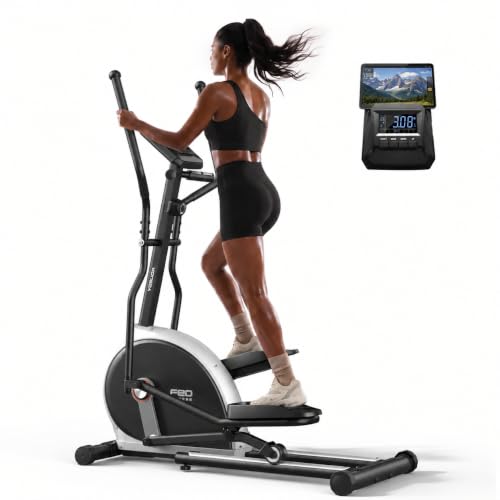


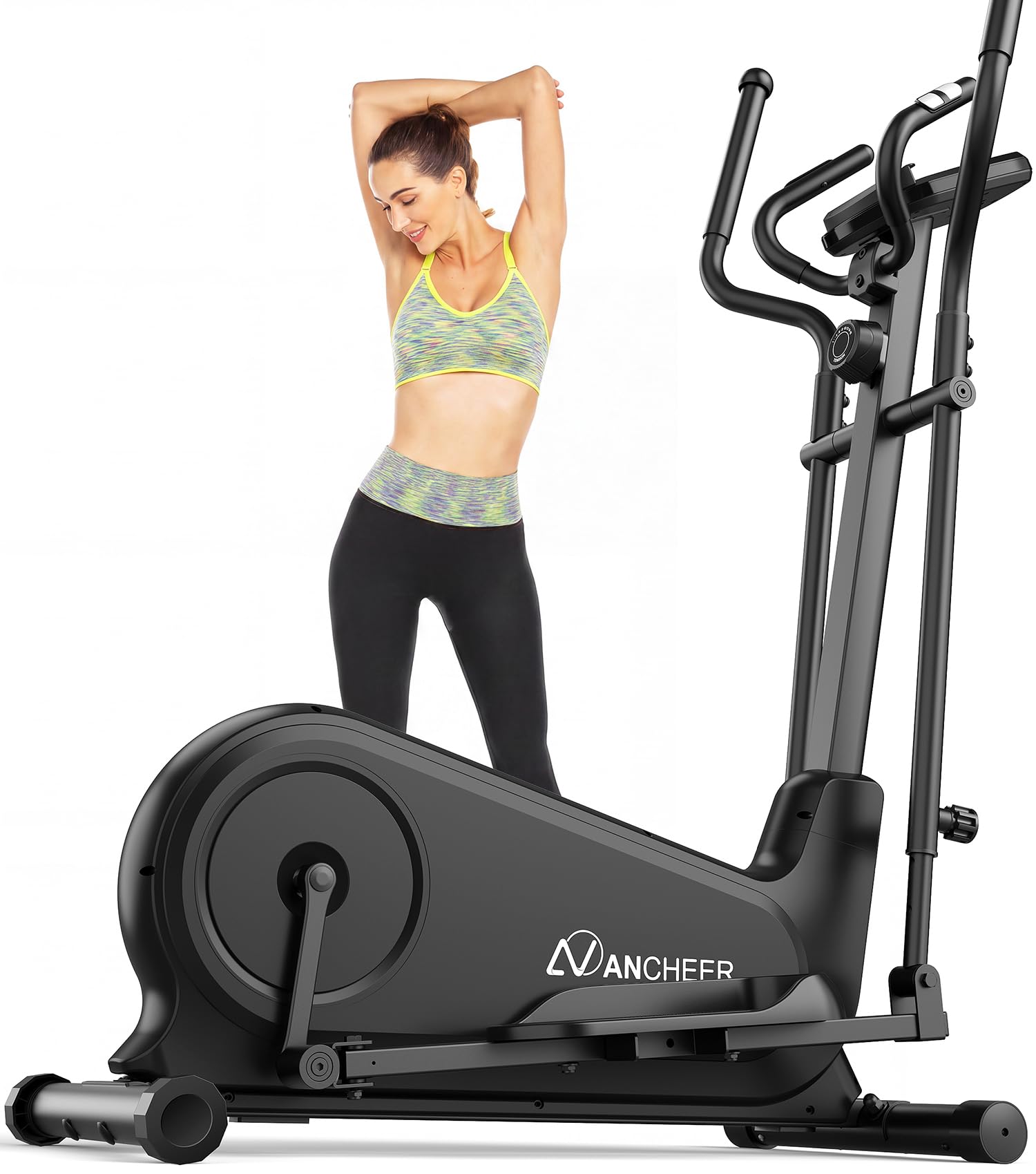

Three Types at a Glance
These profiles describe kinds of machines rather than named models. Match your household to a profile first, because the right type makes every later feature comparison simpler and cheaper.
The All Round Type
The strongest all round type for home use balances a mid length stride with a steel frame, magnetic resistance, and a footprint shorter than a full size machine. It suits adults of average height who train most days and want one machine to serve for years. Its console covers the basics well, sometimes with Bluetooth logging. Its main limit is size: it fits a dedicated corner comfortably, but it is not the easiest type to store in a closet after every session.
The Value Type
The value type keeps the magnetic drive and a solid frame while trimming screen size, program count, and connected features. It suits a buyer who wants a dependable daily session and already tracks progress on a phone or in a notebook. Prices land lower because the savings come from electronics, not structure. Check the parts warranty carefully, since a few value models trim coverage along with features, and prefer one that keeps at least a year on parts.
The Beginner Friendly Type
The beginner friendly type offers both fixed handles and moving arms, a low starting resistance, and controls that make sense at a glance. It suits someone returning to exercise who wants balance support while learning the motion. Stride tends to be moderate, which is fine while sessions stay short. Its limit shows up later: keen users may want more top end resistance and a longer stride within a year, so beginners who are tall should still favor the longer stride options in this class.
How to Choose a Compact Elliptical for Your Home: Buying Guide
Measuring for Size and Portability
Measure the training spot, the storage spot if they differ, and every doorway between them. Listings give a footprint, but you also need the machine weight and whether it rolls on transport wheels or must be lifted. A compact elliptical that takes two people to move will stay wherever it first lands, so be honest about whether that spot works for daily life. Allow working clearance of about two feet behind the machine and a foot on each side for safe mounting and balance.
Space, Footprint, and Ceiling Height
Home rooms add quirks that gyms never face: low ceilings, radiators, sloping floors, and furniture you cannot move. Check ceiling height by adding about 15 inches to your height for pedal lift and the rise of the motion. Check the floor too, because a slight slope makes a light frame rock. Some models fold or stand more compactly for storage, but confirm the stored dimensions on the listing, since the pedals and arms do not always tuck in as neatly as the base suggests.
If your layout is closer to a single multipurpose room, see our guide to the best home elliptical compact for extra notes on shared spaces.
Assembly and Portability
Most home models take a couple of hours to assemble. The flywheel housing is the heavy part, so plan for a second person when you lift it into place, even if the rest is a one person job. Tighten bolts in stages as the instructions direct, then recheck them after the first week, because joints settle under use. Keep the machine on the floor where it will live before final tightening if you can, since moving a finished elliptical through a narrow doorway is the hardest part of many setups.
Warranty (Frame, Parts, Labor)
Read the warranty as three separate promises. Frame coverage is usually the longest and protects the structure. Parts coverage matters most day to day, because belts, bearings, and electronics wear first.
Labor coverage decides whether a repair visit costs you money during the covered period. For a machine you will use daily at home, a short parts term is a warning sign even when the frame term looks generous. Ask how a claim is handled and whether parts ship to your home for self fitting.
Stride Length, Range of Motion, and Ergonomics
Stride length is the single best predictor of comfort. Shorter strides suit shorter users, while longer strides feel natural for taller users. Pedals set close together keep hips and knees aligned, and cushioned pedal inserts reduce foot numbness on longer sessions.
Handle height matters as well: you should hold the moving arms with a slight bend in your elbows and without leaning forward. If you can, watch a video of a person your height using a similar stride before you buy.
Resistance Type and Range
Magnetic resistance is the right choice for most homes because it is smooth, quiet, and needs little care. Manual adjustment by knob is simple and reliable, while motorized adjustment lets programs change the effort for you and makes interval sessions easier. Count the levels, but judge the range by both ends: the lowest level should feel easy enough for a gentle start, and the highest should challenge you at a moderate pace. A wide, evenly spaced range serves a mixed household best.
Households comparing higher rated home models can see our guide to the best rated elliptical machine for home to check how ratings reflect these same points.
Noise Level for Apartments
Drive noise on a magnetic machine is minimal, so most sound complaints trace back to vibration and loose parts. Place the machine on a mat, keep it level, and tighten bolts on a monthly routine. Downstairs neighbors hear thumps through the floor more than whirring through the air, so a thick mat and moderate paces help most. If your home has thin floors, avoid placing the machine directly above a bedroom, and favor a heavier frame, which usually transmits less vibration than a very light one.
Types of Compact Home Elliptical Machines
Commercial Grade Models
Commercial grade models bring heavy frames, high weight capacities, and long warranties into the home. In compact form they are still sizable and costly, and they suit serious users and large households that train daily. The benefit is durability and a planted, quiet feel. The cost is money and floor space, so this type makes sense only when lighter home models have already felt too small or too fragile for your routine.
Smart Connected Models
Smart connected models add Bluetooth, app tracking, and sometimes a large display with coached sessions. They suit people who stay motivated by goals, streaks, and recorded progress. The trade offs are price and possible subscription costs after a trial.
Before choosing this type, confirm that the basic workout functions remain fully usable without an account, so the machine never depends on a service staying available. Readers weighing several connected home options may also see our guide to the best at home elliptical machines for a wider comparison.
Compact and Foldable Models
Compact and foldable models put storage first, with shorter frames, lighter weight, and wheels or folding joints that shrink the stored size. They suit apartments, shared rooms, and anyone whose training spot doubles as living space. Expect shorter strides and lower capacities than standard home models. If your priority is a dedicated training corner in a larger room, compare this type with our guide to the best home gym elliptical machine, where stability matters more than storage.
Care and Maintenance Tips
- Use a mat to protect floors and reduce noise, and to catch dust before it reaches the rails.
- Wipe down handles, pedals, and the console after each workout, since sweat corrodes metal and harms electronics.
- Tighten bolts monthly, and check pedal arms and handle joints for any new play or clicking.
- Start with lower resistance and build gradually, which protects both your joints and the drive parts.
- Vacuum around the base weekly so grit does not work into moving joints.
- Keep the power cord, where fitted, clear of the pedal path and away from damp floors.
FAQs
How much space does a compact home elliptical need?
Check the listing for the machine's length and width, then add about two feet behind and a foot on each side for safe mounting. Storage space can be smaller on folding or rolling models, but check the stored size rather than assuming it halves. Also leave room to walk around the machine for cleaning and bolt checks, which cramped corners often forget.
Is a compact home elliptical quiet enough for an apartment?
Yes, a magnetic model on a mat is usually quiet enough for apartment living at reasonable hours. The audible sounds are mostly soft mechanical movement and your own breathing, while floor vibration is what neighbors notice. Monthly bolt care stops most squeaks before they start. If you train very early, choose the room in your home that sits above a kitchen or hallway in the unit below, where early sound matters least.
Is a subscription required for a compact home elliptical?
No, manual training, resistance control, and built in programs work without a subscription on most models. Subscriptions pay for coached video content and advanced app tracking only. Some connected models push the app hard during setup, so read the screens carefully and skip optional accounts until you know you want them. Your machine should still record basic session data on its own console with no account at all.
Which compact home elliptical is better for beginners?
A model with fixed handles for balance, moving arms for later variety, and a genuinely easy first resistance level is better for beginners. Simple controls matter more than program counts while you build confidence. Beginners should also favor a stride that matches their height, because learning a cramped motion teaches poor habits. If you feel joint pain that persists or sharpens, stop and talk with a clinician about whether this form of exercise suits you.
How long does a compact home elliptical last?
A well kept home model often lasts for years of regular use. Life depends on training frequency, user weight compared with the rated capacity, and routine care such as bolt checks and clean rails. Parts such as belts and bearings wear before the frame does, which is why the parts warranty length is such a useful buying signal. One careful user usually gets more years from a machine than a busy shared household does.
Wrapping Up
Fit comes first: stride for your height, footprint and ceiling clearance for your room, and a warranty that protects parts as well as the frame. Then choose the type that matches your household, from value focused to connected. The product table above lines up those details so you can compare without guesswork. For most homes, the best compact home elliptical machine is the one that fits your tallest user, runs quietly on your floor, and still leaves room to live around it.


