
Best Compact Home Rowing Machine: Which One Fits the Way You Use It for 2026
Disclosure: We may earn a commission when you buy through links on this page, at no extra cost to you. As an Amazon Associate I earn from qualifying purchases. Learn more

The best compact home rowing machine suits your height, your storage space and your noise limits; here is how to match features to the way you row.
No single rower suits every home. A machine that stores beautifully in a small apartment may flex too much for a strong athlete, while a long, heavy rail that feels wonderful to row can dominate a shared living room.
This guide starts with how you will row, then covers resistance, rail length, noise, and storage. Once your use case is clear, judging the best compact home rowing machine for your space becomes straightforward, and the product table lists current models to compare.


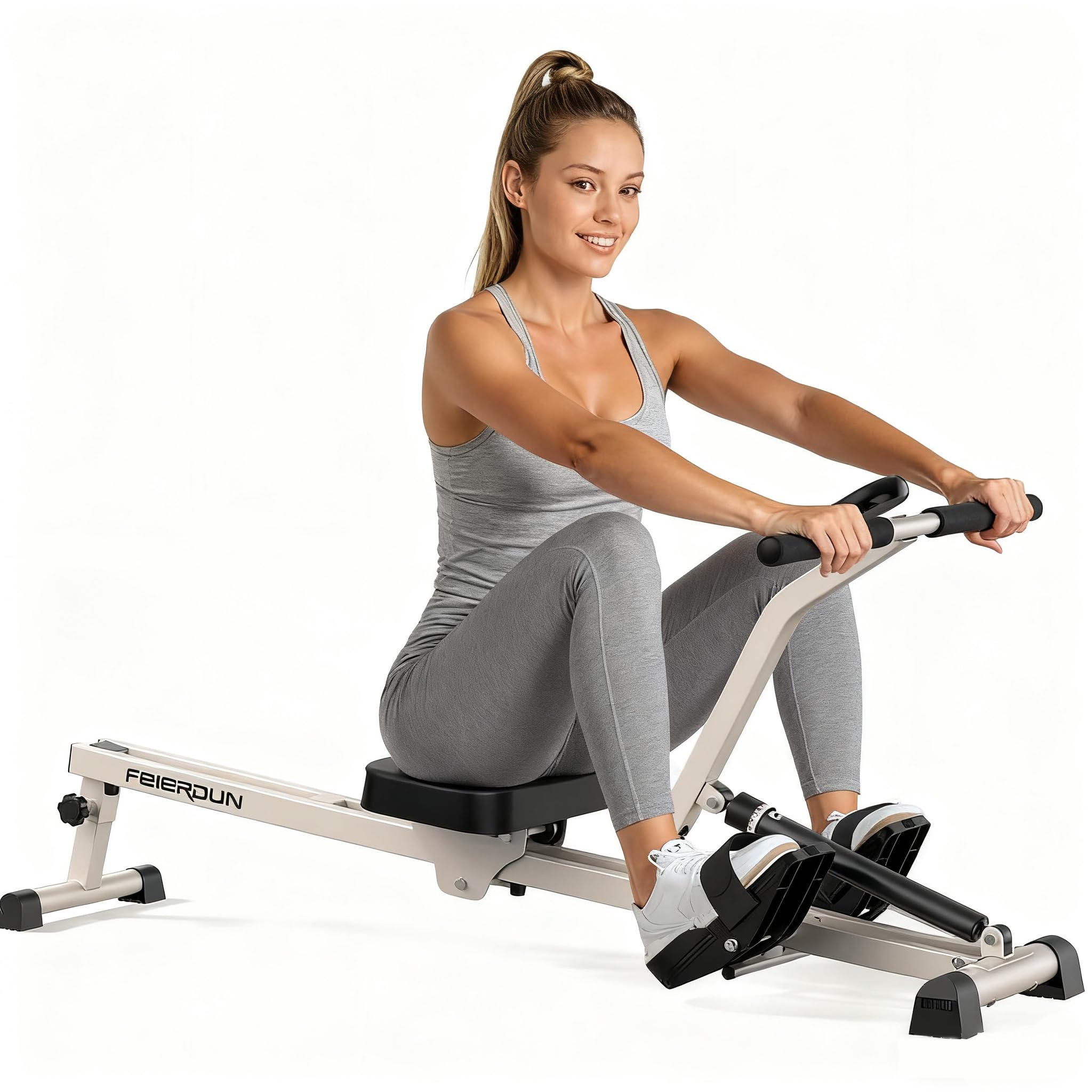

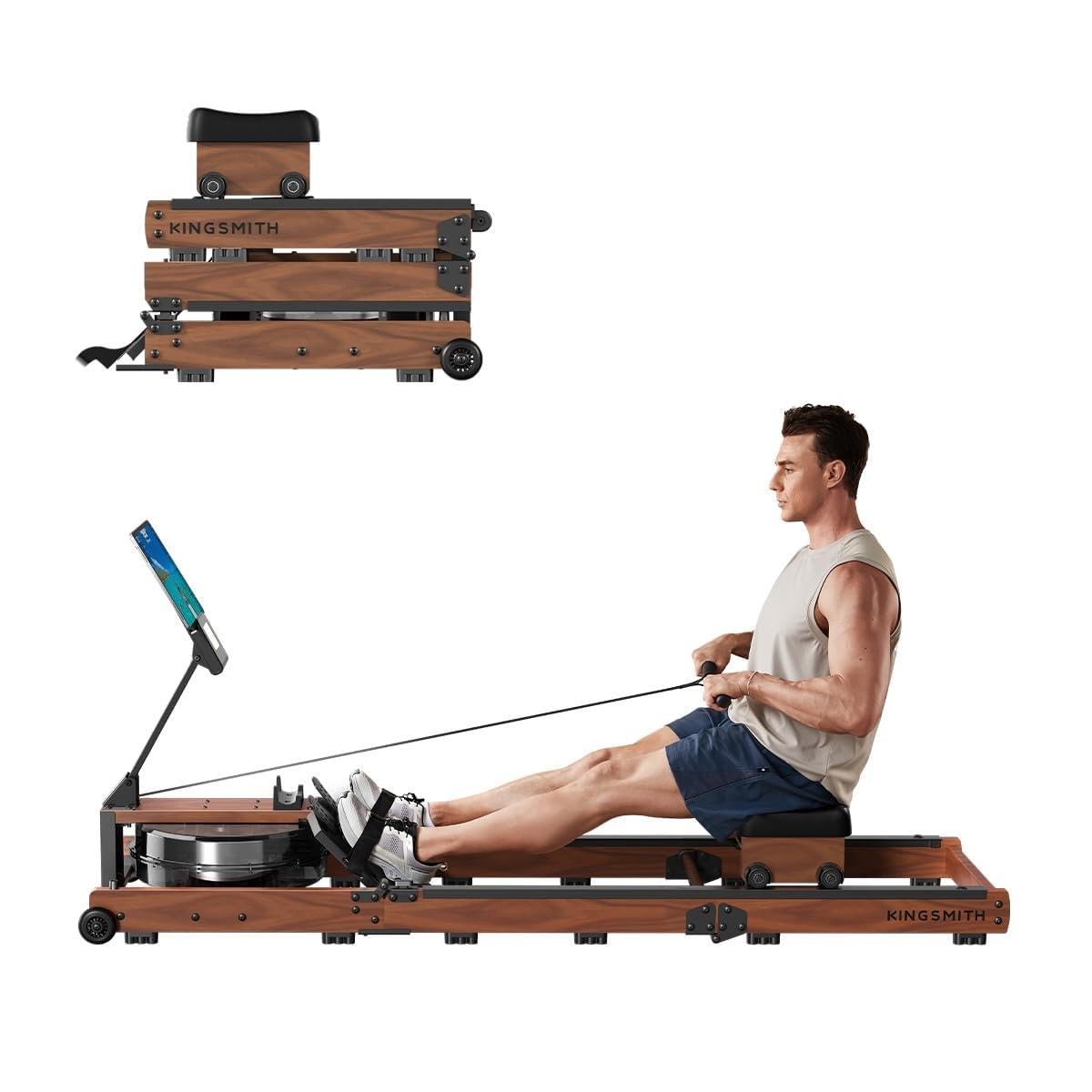
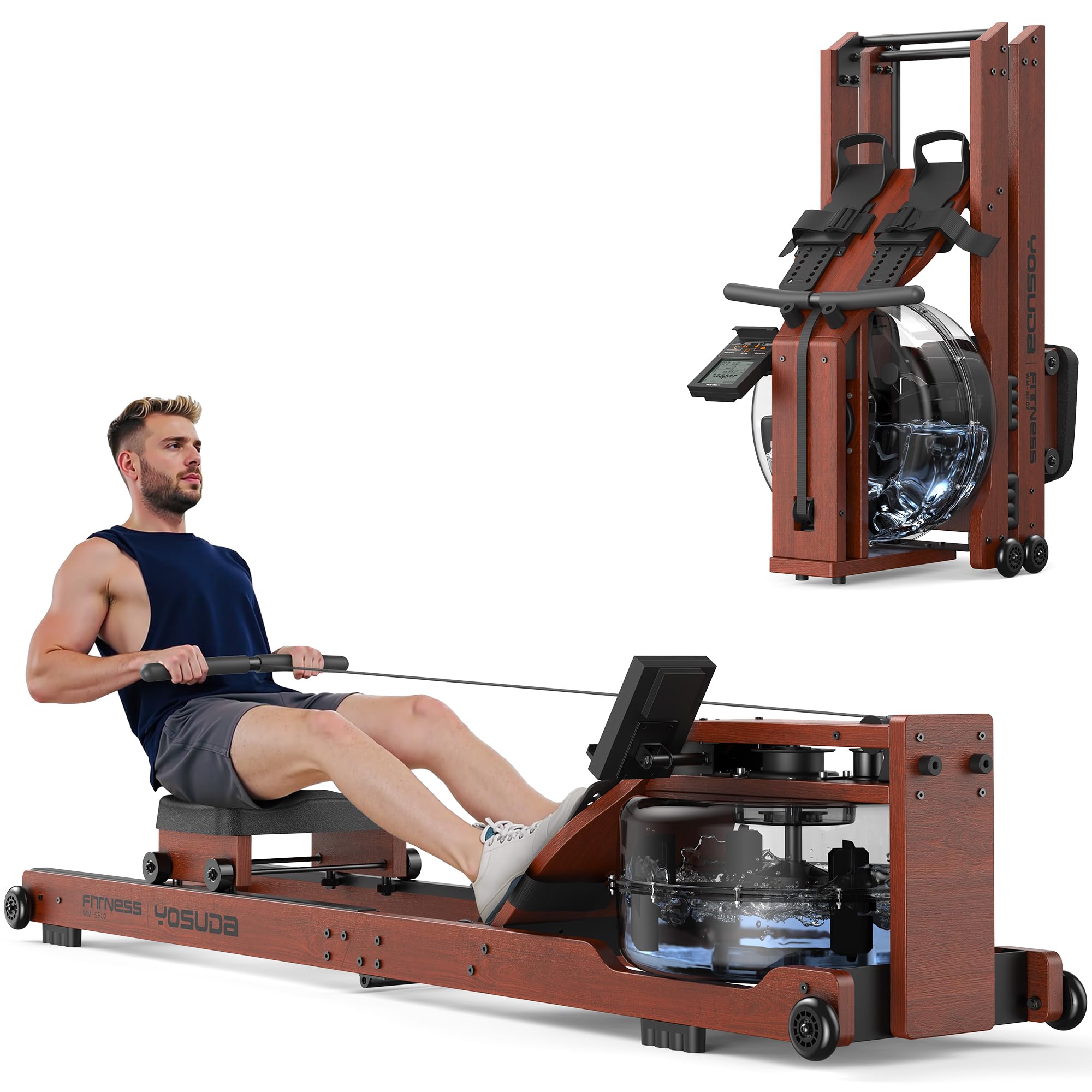
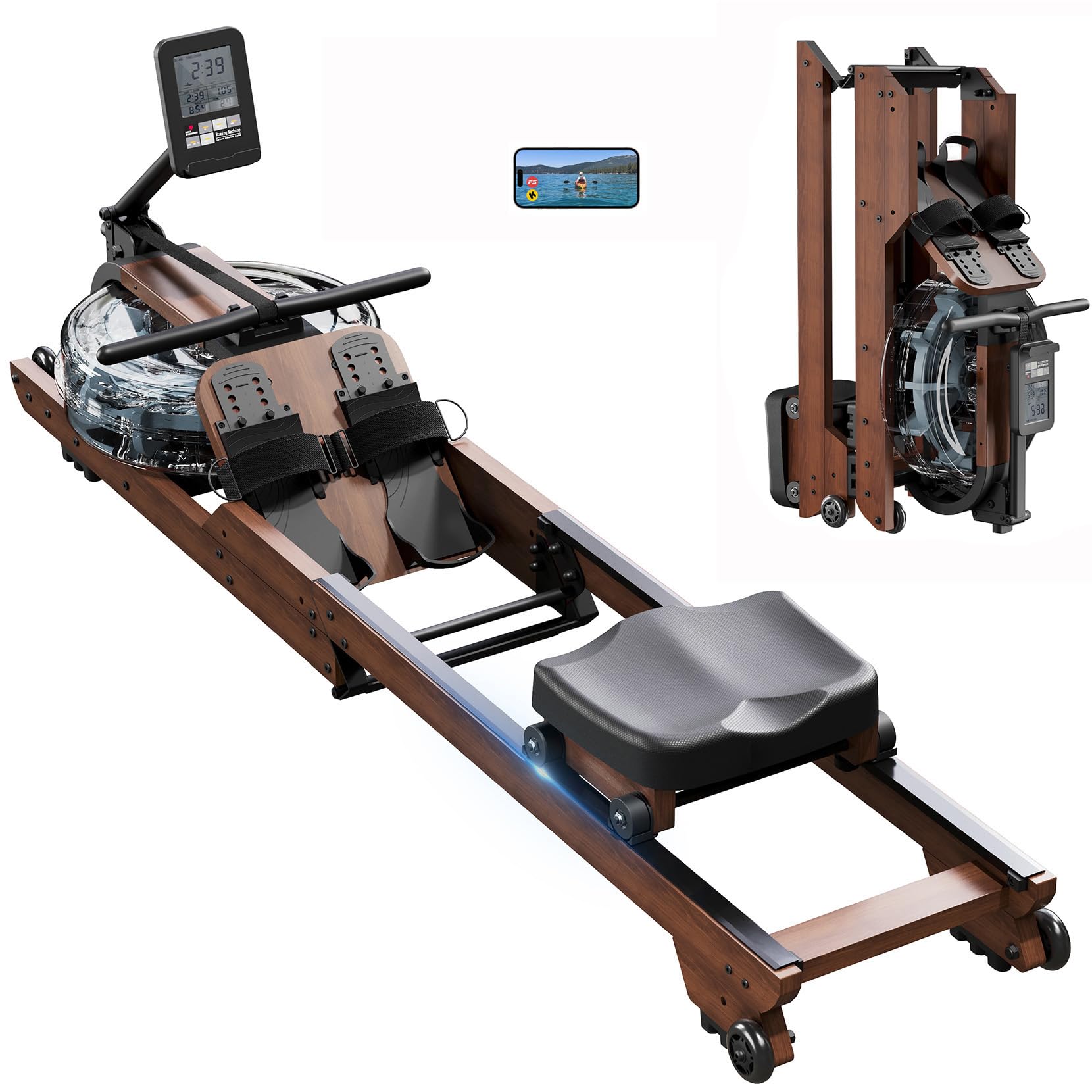
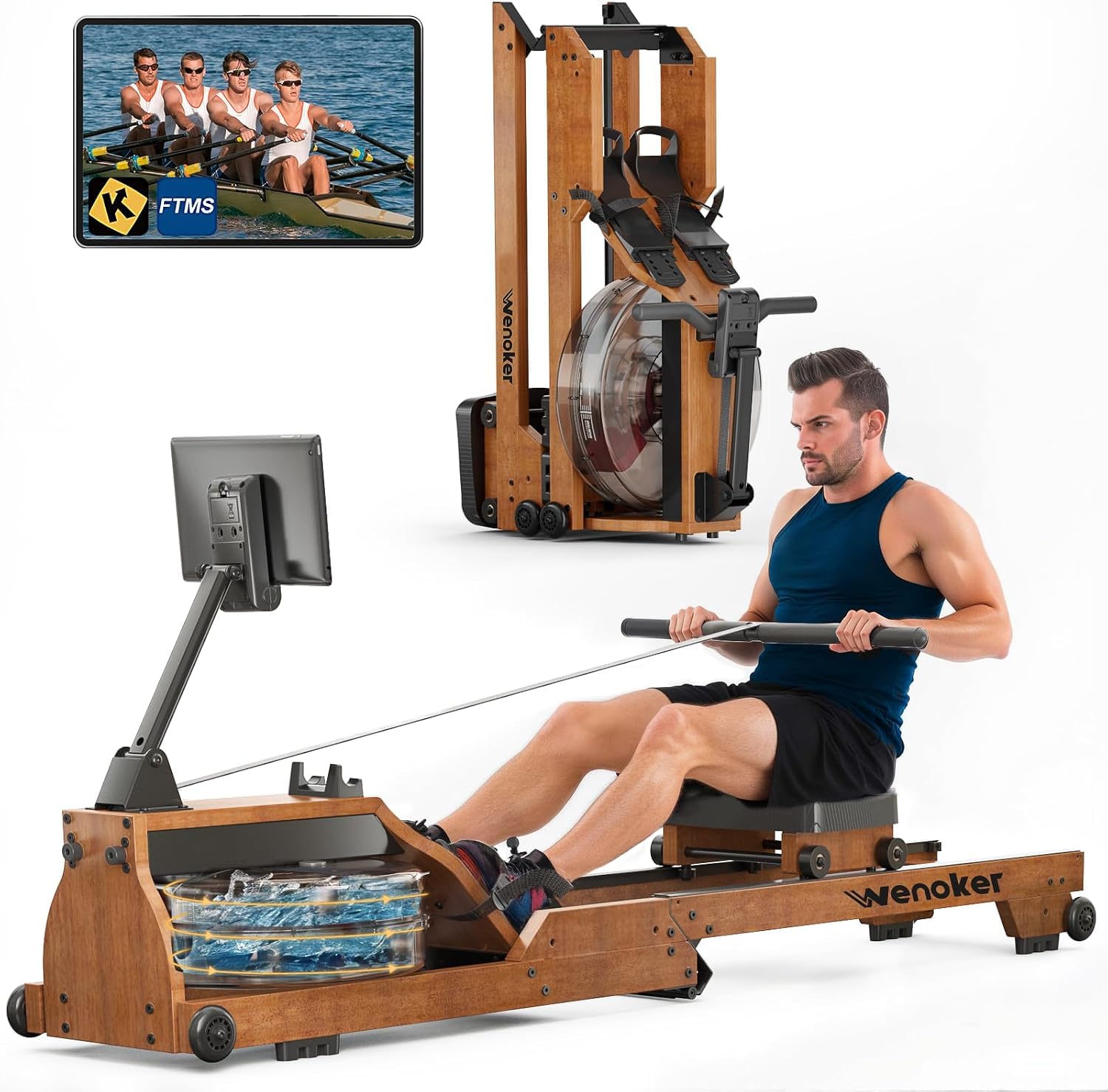

Who Should Buy Which Compact Home Rowing Machines?
For Weekend Beginners
If you will row two or three times a week while you learn form, favor a machine that feels stable at low resistance and has a monitor that is easy to read. A comfortable seat and a handle with a gentle grip matter more than a long list of programs. Magnetic models suit beginners well because the resistance stays smooth as your stroke improves. Keep the budget sensible until the habit is proven, but do not accept a rail so short that taller beginners cannot extend their legs fully.
For Small Spaces and Easy Storage
If the rower must share a room, storage design becomes the deciding feature. Some models fold, some stand upright on one end, and some split into two pieces for a closet. Measure the stored footprint, not just the rowing footprint, and check the stored height against your ceiling and closet doors. Weight matters here too: a machine you can tilt and roll alone will actually get stored, while a heavy one will slowly take over the room you meant to share.
For Frequent or Serious Users
If you row most days or train with hard intervals, put rail strength, seat rollers, and warranty at the top of your list. A steel frame with a long, smooth rail keeps the seat tracking straight under strong pulls. Look for a weight capacity with a wide margin above your body weight and a flywheel or resistance unit built for repeated hard efforts. Serious users should also value a monitor that records pace and distance accurately, because training decisions depend on honest numbers.
For Bad Weather and Tough Conditions
If your rower will live in a garage or a damp basement, materials decide how long it lasts. Favor powder coated steel, sealed bearings where offered, and electronics that sit away from floor moisture. Air resistance models draw in garage air and dust, so they need more frequent cleaning in rough spaces. Keep any rower off bare concrete on a mat, and wipe down the rail and handle after sessions in humid rooms, because sweat and damp air together corrode metal quietly and steadily.
Garage and spare room setups overlap with dedicated training spaces, so see our guide to the best rowing machine for home gym if your rower will share space with other equipment.
Key Features to Compare
Stroke Length, Range of Motion, and Ergonomics
On a rower, the equivalent of stride is stroke room: the rail must let your legs extend fully without the seat hitting the end stop, and the handle must return close to the resistance unit without forcing you to hunch. Taller users need longer rails, so check the maximum inseam or user height the maker states. Seat comfort matters on longer rows, and footplates should adjust to hold your heels securely. A handle that is wide enough for a natural grip reduces wrist strain over thousands of strokes.
Console, Programs, and App Connectivity
A good rowing monitor shows pace, distance, time, and stroke rate clearly, because rowers pace themselves by those numbers rather than by speed alone. Bluetooth on some models sends your data to a phone app for logging and goals. Built in programs are less common and less important on rowers than on other cardio machines, since interval timing is easy to run from the monitor. Check whether an app needs a subscription for the data views you want, and whether the basic monitor still shows everything if you skip the app.
Measuring for Size and Portability
Measure three states: the full length and width while rowing, the stored size, and the path between them. A compact rower in use is often longer than buyers expect, so check the rowing length on the listing. Then confirm you can perform the storage move alone: tilting a long rail upright takes both strength and ceiling clearance.
Transport wheels help, but only if the balance point suits your height. The honest trade off in this class is that the shortest storage designs usually give up some rail length and stability.
Noise Level for Apartments
Resistance type decides most of the noise. Air models make a whooshing sound that rises with your effort, which is satisfying in a garage but travels through apartment walls. Magnetic models are much quieter and suit shared buildings and early mornings.
Water models sit between the two, with a soft sloshing sound many people enjoy. Whatever the type, a mat under the machine reduces vibration through the floor, and smooth technique makes less noise than rushed, jerky strokes at any resistance.
If storage format is your deciding factor, see our guide to the best foldable rowing machine for home for the folding designs and their stored sizes.
Space, Footprint, and Ceiling Height
Plan a rowing area a little longer and wider than the machine itself, so you have room to sit back at the finish of each stroke and to step on and off safely. Ceiling height matters mainly when the machine stores upright, since a long rail standing on end can approach the ceiling in low rooms. Also check what the stored machine leans against or how it balances, because an upright rower that can tip is a hazard around children and pets.
Buyers comparing rated models across formats can see our guide to the best rated home rowing machine to check how ratings handle this storage and noise balance.
Common Mistakes to Avoid When Buying Compact Home Rowing Machines
- Judging size by the stored footprint only, then finding the rowing length does not fit the room.
- Ignoring rail length and user height limits, which leaves taller rowers unable to extend their legs.
- Choosing air resistance for an apartment without thinking about how the sound carries.
- Skipping the warranty check on seat rollers and rails, the parts that wear first.
- Storing an upright machine where it can tip toward children, pets, or a doorway.
How to Make Your Compact Home Rowing Machine Last Longer
Use a mat to protect floors and reduce noise, and to keep dust away from the rail. Wipe down the rail, seat, and handle after each workout, because sweat and grit wear the seat rollers quickly. Tighten bolts monthly, and inspect the strap or chain and the seat rollers for wear every few months.
Store the machine dry and out of direct sunlight, which ages plastic parts. Good form protects the machine as well as your back: a smooth drive through the legs, then the arms, avoids the sharp jerks that loosen joints and fittings.
If you are short on space for any cardio machine and are weighing formats, our guide to the best compact elliptical machine for home covers the other main low impact option for small rooms.
FAQs
Which compact home rower is better for beginners?
A magnetic model with a stable rail, an adjustable resistance range that starts genuinely easy, and a clear monitor is better for beginners. Smooth resistance lets you learn the stroke sequence without the effort surging as you speed up. Beginners should also favor a comfortable seat and footplates that adjust quickly, because small discomforts end sessions early. Start with short rows and build time gradually, and stop if back pain appears rather than pushing through poor form.
How long does a compact home rowing machine last?
A well kept home rower often lasts for years, and simple designs can serve longer. The rail, seat rollers, and the strap or chain wear first, so their quality and warranty terms are good predictors of life. Wiping the rail after each session and keeping the machine dry prevent most early wear. Heavy daily interval training shortens parts life compared with steady moderate rows, whatever the price.
How much space does a compact home rowing machine need?
While rowing, plan on the machine's full length and width plus room for your body at the back of each stroke. Stored space varies widely: folding models may halve their length, and upright storage uses a small floor area but needs ceiling height close to the rail length. Measure both states in your actual room, including the route you will roll the machine between them.
Is a subscription required for a compact home rowing machine?
No, the machine rows and the monitor tracks your session without any subscription. Paid apps add coached rows, scenery, and long term data analysis, but they are optional extras layered on top. Some connected models offer a trial that later converts to a monthly charge, so note the renewal date if you start one. A rower with a strong basic monitor keeps its full value even if you never pay for an app.
Is a compact home rowing machine quiet enough for an apartment?
A magnetic model usually is quiet enough, producing soft mechanical sound and little vibration on a mat. Air models are the risky choice for apartments because their sound rises with effort and carries through walls. Water models fall between, with a gentle sound at low volume. Timing also matters: even a quiet machine is a better neighbor at moderate hours, and a mat plus smooth technique keeps floor noise to a minimum.
The Bottom Line
Match the rower to your routine first: easy storage for shared rooms, rail strength and warranty for serious training, and smooth low resistance for beginners. Then confirm the rowing length, the stored size, and the noise type against your actual home. The product table above gathers those measurements in one place. For most buyers, the best compact home rowing machine is the one whose rail fits your legs, whose storage move you can handle alone, and whose sound suits your building.


