
Best Binoculars for Sports in 2026: What Each Price Band Delivers
Disclosure: We may earn a commission when you buy through links on this page, at no extra cost to you. As an Amazon Associate I earn from qualifying purchases. Learn more

Compare the best binoculars for sports across price bands, from starter glass to premium optics, with plain guidance on focus speed, weight and brightness.
Sports move fast, and the binocular that suits a slow afternoon of golf may frustrate you at a hockey game. The best binoculars for sports balance quick focusing, a forgiving field of view, and weight you can hold up through a full match. Prices run from about $25 to well over $400, so this guide sorts out what each band actually gives you.
Each band below is described by who it fits and where it falls short, followed by the features that separate a good sports pair from a general purpose one. The product table gives you a set of picks to compare while you read.


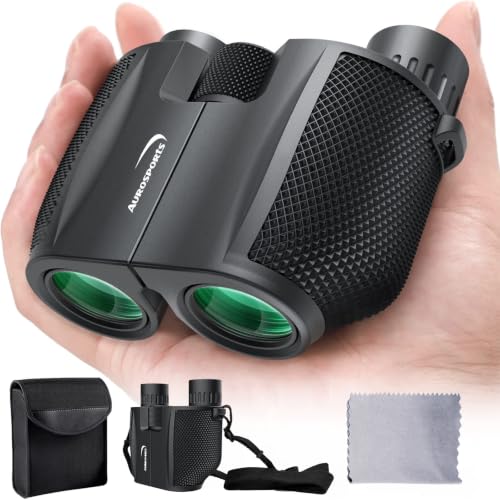


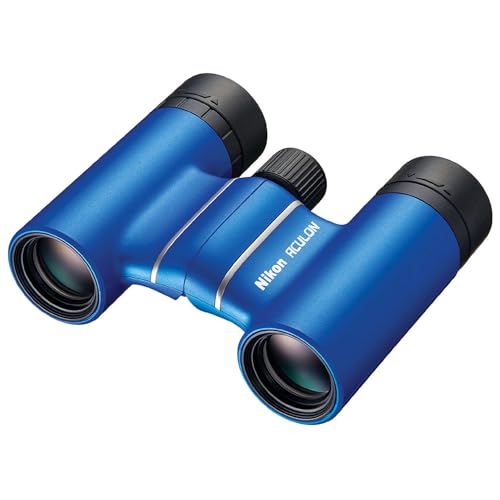

Price Bands for Spectator Sports
Starter Glass: About $25 to $60
Starter pairs are compact or simple porro prism models with basic coatings and modest fields of view. They work for parents at youth games and casual fans who sit close to the action. Expect dimmer views at indoor arenas and focus wheels that feel vague. As a first pair or a spare for the car, the value is hard to argue with.
Season Ticket Glass: About $60 to $150
This band covers most needs well: roof prism 8x42 models with multi coated optics, rubber armor, and reliable center focus. Brightness improves enough for evening baseball and shaded tracks, and build quality survives being tossed in a gear bag. If you attend events monthly, this is where money stops feeling wasted and starts feeling well spent.
Championship Glass: About $150 to $400
Premium sports glass adds extra low dispersion elements, very wide fields of view, and sealed bodies that handle rain at outdoor events. Focus action becomes smooth and precise, which matters when you refocus between a near lane and a far turn dozens of times. Dedicated fans who follow a season closely notice these gains every single outing.
How the Bands Differ in Real Use
Starter Band Trade Offs to Accept
Low prices come from simpler prisms and partial coatings, so contrast drops and colors can look flat under stadium lights. Hinges and diopter rings may drift out of adjustment over time. None of this matters much for a few events a year, but frequent users will feel the limits quickly. Buy this band knowing it is a stepping stone, not a final pair.
Middle Band Balance for Most Fans
Middle band pairs balance brightness, weight, and cost better than any other group. Phase coated prisms and fully multi coated lenses appear here, along with twist up eye cups and waterproof ratings. Our overview of best binoculars for watching sports explains how these mid priced traits translate across different sports. For mixed use across several sports, this band is the sensible default.
Top Band Optics and Handling
Top band models widen the field of view so more of a play fits in frame, and their glass keeps the edges of that view sharp. Close focus distances shrink too, which helps at events like tennis where the near court sits close. Weight control improves through magnesium bodies and better balance. The gains are real but gradual, so buy this band for refinement rather than revelation.
Where to Spend and Where to Save
Size, Weight, and Holding Comfort
A pair around 20 to 28 ounces can be held to the eyes for long stretches without aching arms. Compact 8x25 models weigh half that and slip into a jacket pocket, trading brightness for convenience at daytime events. If portability decides it for you, see our guide to best compact binoculars for sports for the smaller formats compared. Full size glass earns its weight once the light fades.
Focus Design and Ease of Use
Center focus with a large, grippy wheel is the right system for sports, because one finger adjusts both barrels while you track play. Avoid lever style quick focus designs that overshoot at distance, and skip zoom binoculars entirely, since zoom models narrow the view and dim the image. A locking diopter ring is a small feature worth having, because it holds your personal setting between outings.
Features That Matter for Sports
Fast moving action favors 8x magnification, which keeps a wide view and hides hand shake better than 10x. Rubber armor protects against the knocks that happen in crowded seating, and a short minimum focus helps at close venues. Long eye relief of about 15 mm or more keeps sunglasses and eyeglasses wearers in the full picture. These traits matter more for sports than headline zoom numbers.
Lens Coatings and Brightness
Brightness in a binocular comes from lens coatings and objective size, not from any sensor or video feature. Fully multi coated 42 mm objectives deliver the dusk performance that evening fixtures demand. Cheaper pairs coat fewer surfaces, which shows up as glare when you look toward floodlights. If most of your events happen at night, fund coatings and aperture before anything decorative.
Ownership Costs After Checkout
Budget a little beyond the pair itself: a wide neoprene strap or harness at about $15 to $30 spreads weight during long events, and a rain guard plus objective covers protect the lenses in your bag. Replacement eye cups and lens pens cost a few dollars each. Sealed premium pairs may also deserve an occasional professional cleaning after years of use. Altogether, accessories usually add less than the price jump between bands, so buy the right band first.
Best Binoculars for Sports: Questions Answered
How much magnification do sports binoculars really need?
For most sports, 8x is the sweet spot, because it brings the action closer while keeping the view wide enough to follow movement. Racetrack and golf fans seated far away sometimes prefer 10x, accepting a narrower view and more visible shake. Beyond 10x, handheld use becomes tiring within minutes. Match the power to your typical seat distance, not to the biggest number on the box.
What does exit pupil mean for evening sports events?
Exit pupil is the objective size divided by magnification, so an 8x42 pair gives about 5.25 mm. A larger exit pupil feeds your eye more light as daylight fades, which keeps evening baseball and late races looking bright. Compact pairs with small exit pupils are fine at noon but disappoint at dusk. This one number predicts low light performance better than marketing terms do.
Can one pair of sports binoculars be shared between two people?
Yes, sharing works if you both reset two settings each time the pair changes hands: the hinge width for your eye spacing and the diopter for your vision difference. A locking diopter slows this down slightly but prevents drift. Many couples simply buy two starter pairs instead, since constant readjustment during a match gets old fast. Sharing suits occasional events better than weekly ones.
Do sports binoculars also work well for concerts?
Yes, the same traits carry over, since concerts also reward a wide view, moderate power, and good low light performance. Theater seating is close, so an 8x32 or compact 8x25 often feels better than a full size pair. Readers comparing both uses can look at best binoculars for spectator sports for the overlap explained. One warning applies everywhere: never aim binoculars at the sun, even briefly between events.
How long should a decent pair of sports binoculars last?
A middle band pair used a few times a month should last about ten years or more with basic care. Store it dry, keep the lenses capped, and wipe grit away before cleaning so coatings are not scratched. Hinges loosening or fog appearing inside the barrels are the usual end of life signs. Premium pairs often carry longer warranty coverage, which stretches their practical lifespan further.
Final Thoughts
Pick the band by how often you attend and how far you sit, then check focus design, weight, and coatings in that order. Most fans are happiest in the middle band, where brightness and handling meet a fair price. The best binoculars for sports are the ones you will actually carry to every event. Compare the picks in the product table before you check out.


