
Best Compact Home Gym for 2026: Types, Space and How to Choose
Disclosure: We may earn a commission when you buy through links on this page, at no extra cost to you. As an Amazon Associate I earn from qualifying purchases. Learn more

The best compact home gym saves floor space without cutting the exercises you need; here is how to compare stations, towers and portable kits.
A full size gym station can take over a spare room, a garage bay, or the only open corner of an apartment. A compact model promises the same core training in far less floor area, but the saving only works if the machine still fits your body, your exercises, and your storage plan. Choosing the best compact home gym means checking build quality and weight capacity, footprint and storage, and features before you fall for a small box size that feels cramped once you start training.
The product table lists current models across the main compact styles. If you want the broader picture first, see our guide to the best home gym for full size options and how they differ.


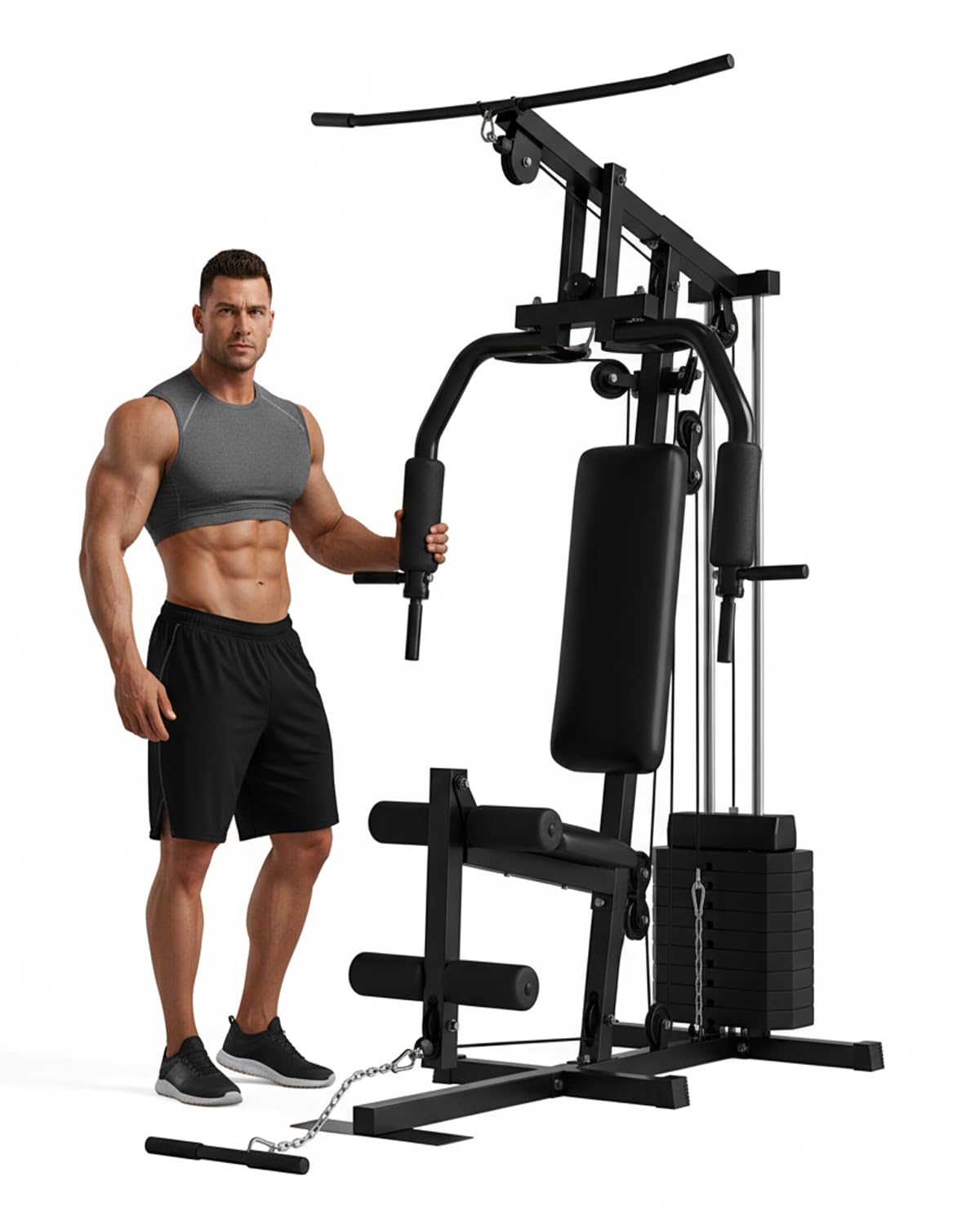
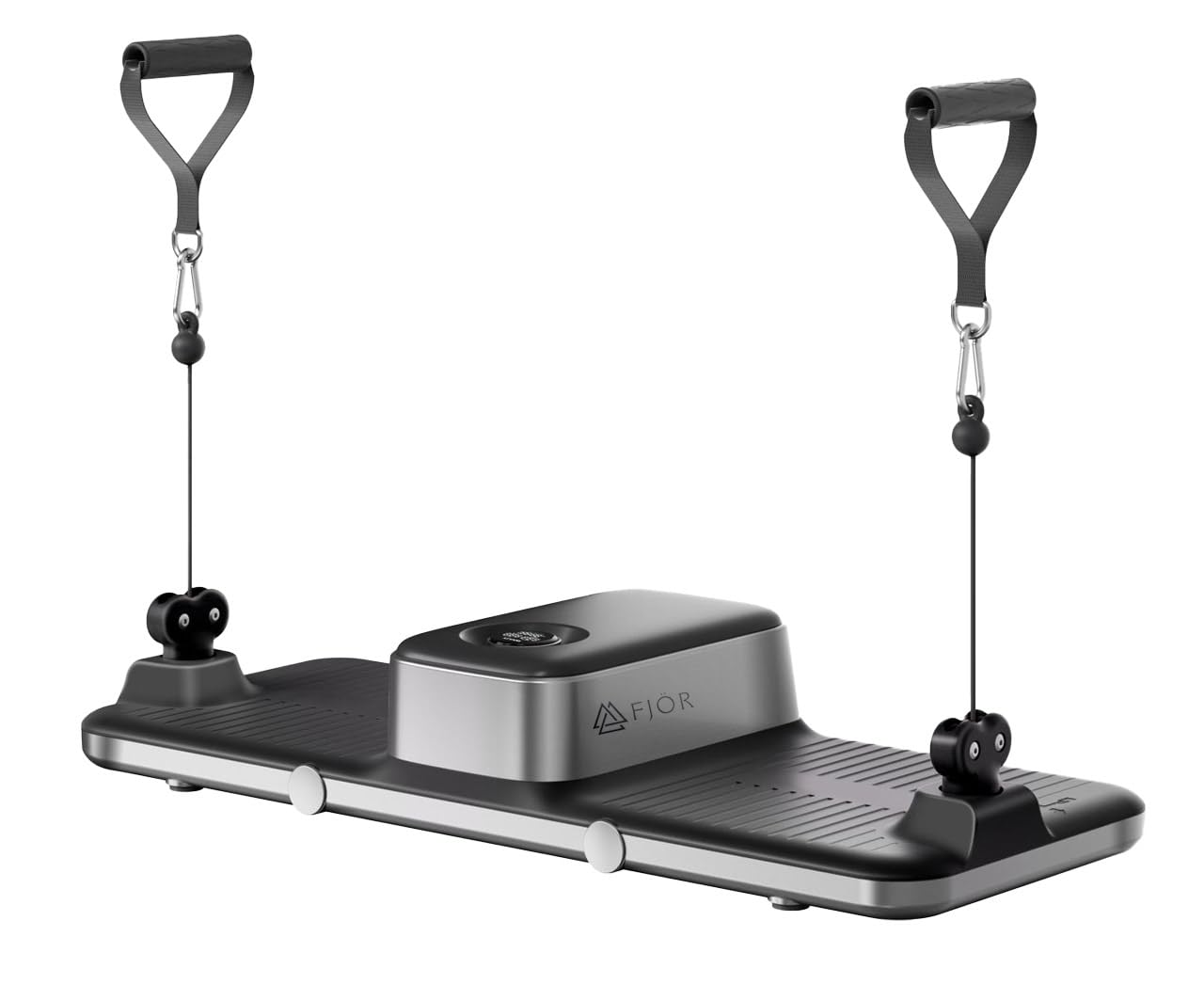


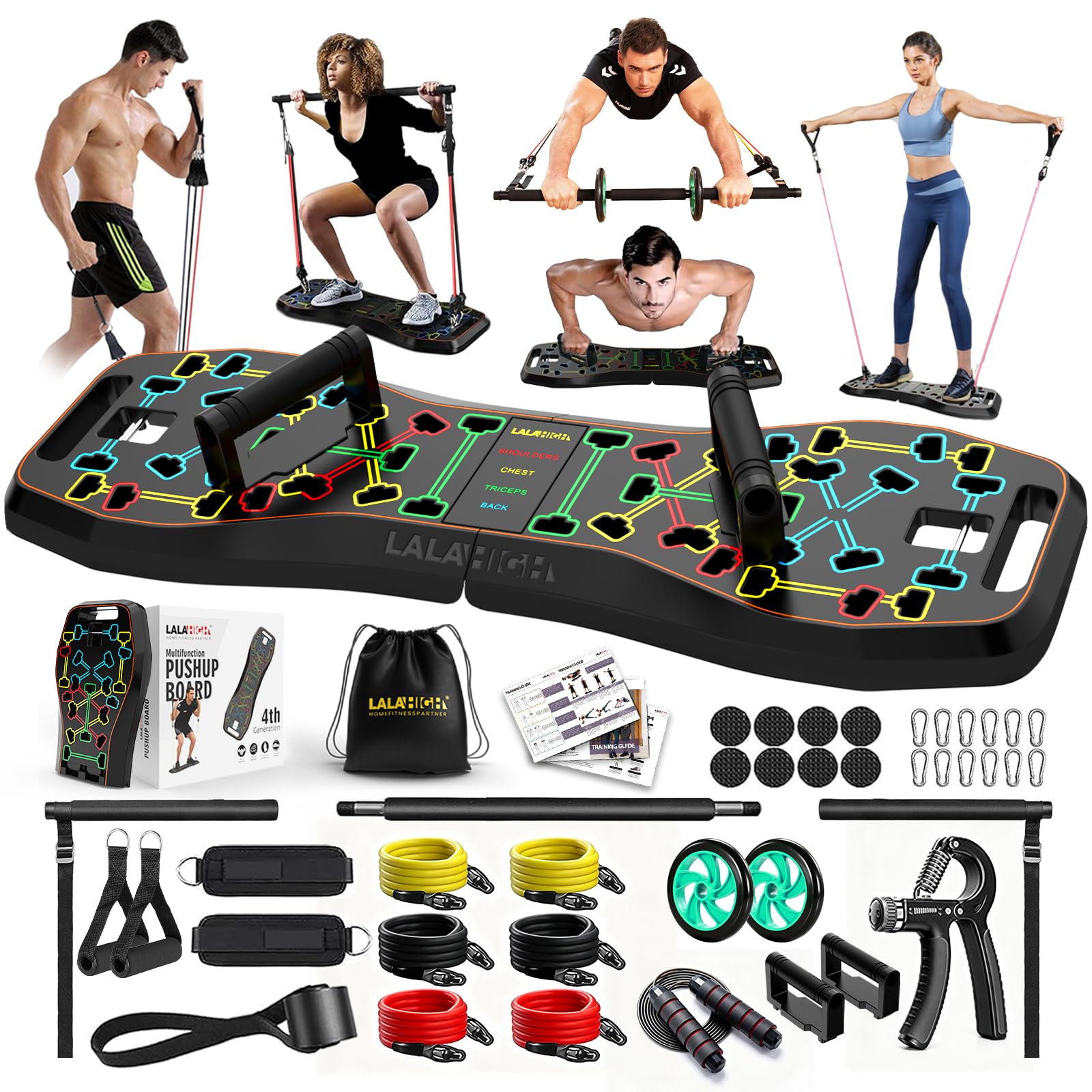
Compact Types at a Glance
This guide compares the three design families that most compact systems fall into. Each family saves space in a different way, and each asks something different from you in return.
- Stack and rod stations. These give guided pressing, rowing, and pulldown work from one seat or bench, using a weight stack or flexible rods for resistance. They suit you if you want many exercises from one station and can keep a modest rectangle of floor clear.
- Power towers and pull up stations. These are frames for pull ups, dips, and push ups that use your own body weight. They take little floor space, and some fold toward the wall. They suit you if body weight training appeals to you and you have the ceiling height they need.
- Portable and bodyweight systems. These pack resistance bands, boards, or bars into a kit that stores in a closet. They suit you if floor area is your scarcest resource and you train mostly with your own weight.
No family wins on every measure. A stack station is quick to use and easy on form, a power tower is cheap and sturdy for body weight work, and a portable system is the easiest to put away. Related styles include barbell racks and app driven wall units, covered in our guides to the best power rack home gym, the best smith machine home gym, and the best smart home gym.
How to Choose a Compact Home Gym
Work through the factors below in order. Space and fit come before features, because a system that blocks a door or crowds your stance will annoy you every session, no matter how many attachments it ships with.
Type of Resistance
Weight stacks give a smooth, predictable load and are easy to adjust with a pin. Flexible rod systems fold small and feel different from iron, with resistance that rises through each rep. Body weight frames ask nothing of you except effort and skill. Choose based on how you like to train and how much load you will want within a year.
Features Worth Paying For
Pay first for movements you will use weekly. A lat pulldown covers back work that is hard to replace without a bar and a strong anchor point, and a low row, a chest press, and a leg attachment add real training value. A seat that adjusts for your torso length helps comfort. Skip attachments you would use only for novelty, since more parts also mean more storage to organize.
Space and Footprint
Measure the working footprint rather than the folded one. Note the length, width, and height in use, then add room for your body on every side where you stand, sit, or step back. Check ceiling height for overhead pressing and pull ups, door swing, and the route you will carry parts along.
Mark the footprint on the floor with tape and live with it for a day. If the taped area blocks vents, sockets, or a walkway, the design is too big.
Weight Capacity
Check two numbers that listings often blur together. User weight capacity tells you the heaviest person the seat, bench, and frame are rated to support. Resistance capacity tells you the most load the stack or rods can provide for a lift.
You need headroom on both, because your strength can grow well past your starting loads. Treat a low resistance ceiling as a real limit, and favor stated ratings and steel frames over vague claims of sturdy construction.
Noise and Floor Protection
Weight stacks can clank at the end of a set, and bodyweight frames are nearly silent. Place a dense rubber mat under the whole footprint to protect flooring and soften vibration through the joists. Tell people below or beside your training spot what hours you plan to train.
How Much Should You Spend?
Body weight kits and simple towers sit at the low end of the market, while stack stations with a full range of attachments cost considerably more, and a few premium models cost more still. Across every price band, leave budget for a mat, basic attachments, and delivery costs.
Compact Versus Full Size Home Gyms
A compact system answers a specific problem, which is limited and shared space. Compared with a full size station, it gives up some load ceiling, some exercise variety, and sometimes some stability under maximal effort. In exchange, it returns floor area to daily life between sessions and lowers the barrier to starting a workout.
- Pro: one footprint covers most major movement patterns, so a single corner can serve a full week of training.
- Pro: folding and tower designs free the room for work or guests when you are not training.
- Pro: a single purchase simplifies delivery, assembly, and warranty claims.
- Con: resistance ceilings can cap progress for stronger lifters.
- Con: shared parts wear together, so one failed cable can idle the whole station.
If you are still asking is a home gym worth it for your household, weigh these trade offs against your gym travel time and how often you will truly train at home.
Frequently Asked Questions
What is the best compact home gym?
It depends on your largest exercises, your storage plan, and how you prefer to train. Choose a stack station if you want guided variety, a power tower if body weight training leads your routine, and a portable kit if you need to put everything away. Confirm you can reach every adjustment point when the unit sits in its real corner.
Are compact home gyms worth it?
They are worth it when the space saving turns into extra sessions each week. Divide the total price by the sessions you realistically expect over two years and compare that with a gym membership plus travel time. If your home figure is lower and the resistance still clears your current lifts, the purchase holds up on numbers as well as convenience.
How long does a home gym last?
Frames often last many years, while cables, pulleys, upholstery, and bands wear sooner and count as consumables. Check bolts twice a year and order spare cables before the originals fray. Keep the manual and serial details on your phone, because support teams ask for them before supplying replacement parts.
How do you clean a home gym?
Wipe grips, seats, and handles after sweaty sessions with a cloth dampened with mild soap solution, then dry them fully so moisture does not corrode metal or crack vinyl. Vacuum dust from guides and pulleys monthly, and avoid spraying cleaner directly onto cables or moving parts.
What should I do before my first workout?
Read the manual, check that every bolt is tight, and set the seat and pins for your body. Start with light loads and learn the movements slowly. Our guide on how to use a home gym covers setup, warm up, and exercise order. If you have a health condition, ask your doctor before starting.
Final Thoughts
Match the design family to your space first, then check resistance headroom, storage in daily life, and total cost. The product table above helps you compare those points quickly. When they line up, the best compact home gym is the one that fits your strongest exercises, folds or stores away cleanly, and actually gets used several times a week.


