Best Compact Binoculars for Deer Hunting for 2026: Which One Fits the Way You Hunt?
Disclosure: We may earn a commission when you buy through links on this page, at no extra cost to you. As an Amazon Associate I earn from qualifying purchases. Learn more

Compare the best compact binoculars for deer hunting by magnification, brightness, size, and fit to find glass that stays clear from first light to dusk.
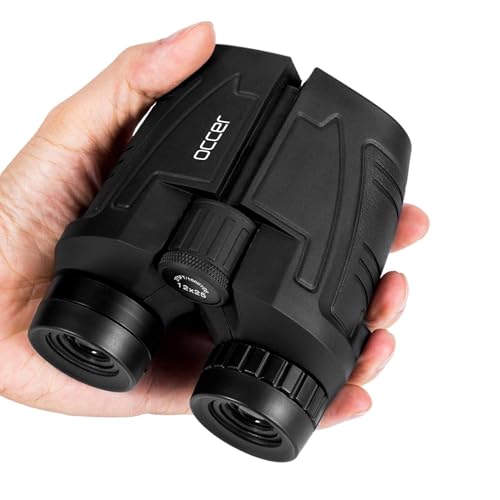
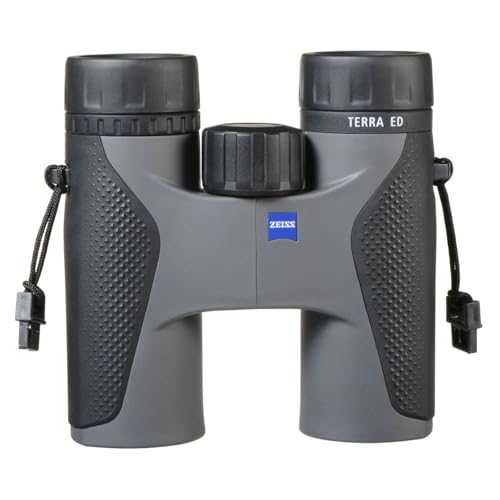
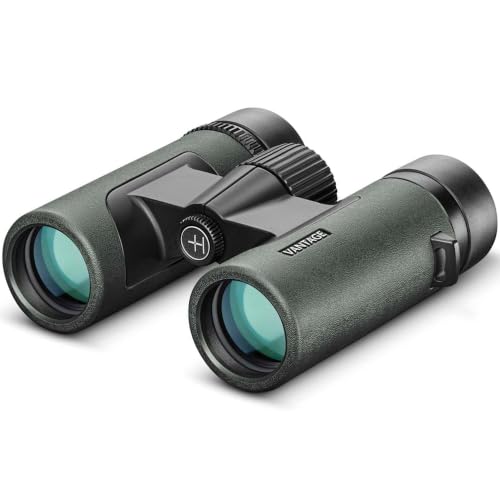
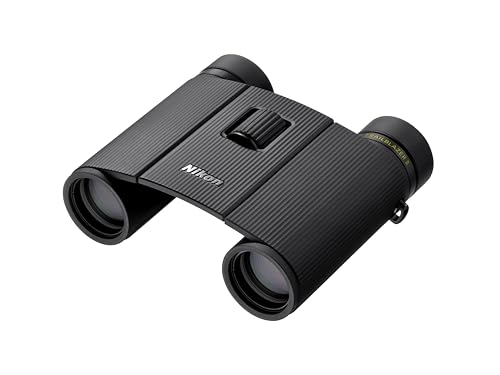
Deer rarely appear in bright open light at midday. You spot them at the edge of a field in the first gray minutes of morning, or slipping through shaded timber while you struggle to hold a heavy pair of binoculars steady. Choosing the best compact binoculars for deer hunting is really about matching small glass to those moments, and the comparison table below lays out the sizes and powers side by side.
There is no single pair that suits every hunter. A stand hunter who watches field edges at 200 yards needs different glass than a still hunter who catches movement at 30 yards in brush. This guide works by use case first. It covers who each style fits, the features that change what you see, mistakes that waste money, and care that keeps a pair clear for years.




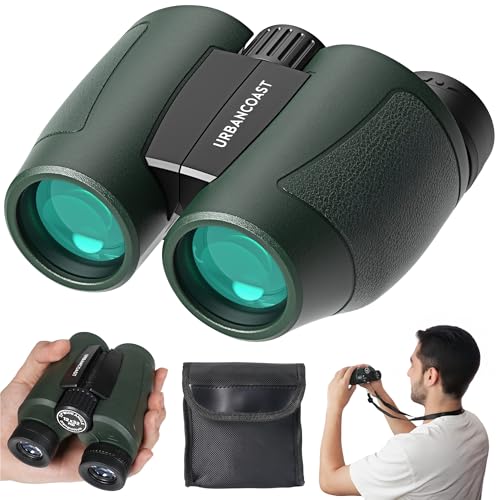

Who Should Buy Which Compact Binoculars for Deer Hunting?
Start with how and where you hunt, because cover and distance decide more than brand or price. If you are still deciding between a compact pair and a larger full size pair, see our guide to the best binoculars for deer hunting for that broader comparison. The four hunters below cover the ways most deer hunters use compact glass.
Tree Stand and Ground Blind Hunters
You sit for long stretches and scan the same edges, trails, and food plots at ranges usually under 150 yards. Light matters more than reach here, because legal shooting light at dawn and dusk is exactly when deer move and when a dim image hides antlers against brush. A compact pair suits you because it fits in a small stand pack, hangs without banging the rail, and lifts fast when movement catches your eye.
Still Hunters Who Cover Ground on Foot
You move slowly through timber, pause to glass, then move again, so every ounce rides on your neck or chest for hours. A compact pair in a chest harness stays tight to your body, snags less on branches, and comes up quickly when a deer freezes at 40 yards. If you also glass for turkey, elk, or other game on the same trips, see our guide to the best compact binoculars for hunting for features that carry across seasons.
Hunters in Thick Timber and Brush
In heavy cover you rarely glass past 100 yards, and most deer first appear as an ear flick or a patch of hide between trees. You need the widest view you can get, so a deer at 25 yards stays in frame, plus an image bright enough for a closed canopy on cloudy days. Lower power compact glass fits this hunting best, and a short minimum focus distance helps when an animal steps out almost under your stand.
Hunters Who Travel Light for Distant Hunts
You may fly to a lease, draw a tag in another state, or walk a long way into public land. A compact pair earns its place in a carry on bag or a small daypack, leaves room for layers and food, and costs less to replace if travel is rough on gear. Rubber armor, weatherproof sealing, and a snug case matter more for you than extra optical reach, because your gear gets packed and hauled far more than it gets used at home.
Key Features to Compare
The product table above gives you the raw numbers, but numbers only help when you know what each one changes in the woods. When you compare the best compact binoculars for deer hunting on paper, work through the five factors below in order. They decide whether a pair feels bright, steady, and easy to carry, or dim, shaky, and left in the truck.
Choosing Between 8x and 10x Magnification
The first number in a spec such as 8x32 is magnification, so an 8x pair makes a deer look eight times closer. An 8x image is steadier in cold or excited hands and shows a wider slice of woods, which suits stands and timber. A 10x image shows antler points and body detail farther out, which helps across fields and cutovers, but it also magnifies shake and narrows your view. Most deer hunters in cover do better with 8x, while hunters who glass open ground prefer 10x.
Size and Weight You Can Measure Before Buying
Compact is a class, not a promise, so check the listed weight and length instead of trusting the label. Most true compacts weigh about 14 to 20 ounces and run about 4.5 to 5.5 inches long, small enough to ride in a jacket pocket or the top of a pack. Pocket models near 25 mm weigh less still, but they give up the brightness that stand hunters need at dawn. Picture where the pair will ride while you climb, walk, and sit before you buy.
Objective Lens, Glass, and Coatings
The second number is the objective lens diameter in millimeters, and it sets how much light the binoculars can gather. A 32 mm objective is the sweet spot for compact deer glass, while 25 mm pocket lenses gather notably less. Glass and coatings decide how much of that light reaches your eyes. Fully multicoated lenses cut glare and lift contrast, phase coated prisms keep edges sharp, and ED glass reduces the color fringe around a bright skyline behind a deer.
Low Light Performance at Dawn and Dusk
Brightness in the last legal minutes comes from exit pupil and coatings working together. Exit pupil is the objective size divided by the power, so an 8x32 gives you a 4 mm beam of light while a 10x32 gives about 3.2 mm. A larger exit pupil looks brighter as light fades and is easier to line up when you lift the binoculars fast. In shaded timber on an overcast evening the difference is plain, which is why low light stand hunters usually gain more from 8x than from extra reach.
Focus Wheel, Eye Relief, and Hunting With Gloves
You focus a center wheel with one finger, and on a cold morning that wheel has to turn smoothly under a glove without feeling loose. A larger wheel is easier to control than a small stiff one. Twist up eyecups set eye distance, and hunters who wear glasses need about 14 to 17 mm of eye relief to see the full view. The diopter ring on one eyepiece balances the pair to your two eyes, so set it once at a distant sign or ridge and leave it alone.
Brand lineups are worth a look once you know your size and power, because warranty support and service matter on gear that rides in trucks and stands for years. If you already trust one maker, see our guide to the best Vortex binoculars for deer hunting to compare its compact models and coverage in one place.
Another long running optics name draws hunters who value simple controls. If that brand fits how you shop, see our guide to the best Nikon binoculars for deer hunting for its compact choices and warranty terms.
Common Mistakes to Avoid When Buying Compact Binoculars
Most regrets with compact glass come from choosing on one number or one shopping trip. If budget is your main filter, see our guide to the best deer hunting binoculars for the money before you judge any pair on price alone. The mistakes below cost hunters clear views at the moments that matter most.
- Choosing 10x or higher for thick timber, then losing close deer outside a narrow and shaky view.
- Buying 25 mm pocket binoculars for dawn stand sits, then finding the image too dim to judge a deer in the first legal minutes.
- Judging brightness by lens size alone, then discovering that weak coatings leave the view washed out under a gray sky.
- Forgetting to check eye relief with your glasses on, then seeing only the center of the view all season.
- Testing a pair only under bright store lights, then learning at dusk that the focus wheel is too small for gloved hands.
How to Make Your Compact Binoculars Last Longer
Clean lenses only with a soft lens cloth or a brush made for optics, never with your shirt, because grit caught in fabric can scratch coatings in a single wipe. Blow loose dust off first, then wipe in small circles from the center outward. Keep the lens caps on while you walk, and carry the pair in a padded case or harness that keeps brush and stand metal off the glass.
Store your binoculars indoors in a dry padded bag, away from a hot truck cab or a damp basement, because trapped heat and moisture age seals and invite fog inside the barrels. Check the strap and harness mounts before each trip, and tighten or replace worn cords before they fail over a stand floor. If the inside of a lens fogs or the focus wheel turns gritty, send the pair in for service instead of opening it yourself.
Compact Binoculars for Deer Hunting: Your Questions Answered
What features matter most in compact binoculars for deer hunting?
Brightness, a wide view, and easy focus matter most. A bright 8x32 image at dusk beats extra power you cannot hold steady, and a wide view helps you find a deer again after you lower the binoculars. One spec buyers often miss is the interpupillary distance range. If a smaller framed hunter or a teen will share the pair, check that the hinges fold narrow enough for their eyes to see one round image.
What does 8x32 or 10x32 mean on compact binoculars for deer hunting?
The first number is magnification and the second is the objective lens size in millimeters, so a 10x32 magnifies ten times through 32 mm front lenses. Next, check the field of view listed in feet at 1000 yards, because that number tells you how much ground you can scan at once. Both numbers are printed on the body near the focus wheel, which helps when you compare used or borrowed pairs.
Are 8x compact binoculars better than 10x compact binoculars for deer hunting in low light?
Yes, an 8x compact pair is usually brighter and steadier as light fades, so it suits dawn and dusk stand hunting better. Age sharpens the choice in a useful way. Your pupils open less wide as you get older, so the 4 mm exit pupil of an 8x32 still fills what most eyes can use at dusk, while the smaller pupil of a 10x32 can look dim sooner. That tradeoff matters far less over open midday fields.
What specs should beginners check first on compact binoculars for deer hunting?
Beginners should start with an 8x32 size, a center focus wheel they can reach easily, and eye relief that fits their face or glasses. Keep the list short and ignore high power claims on the box. A practical first test is to order from a seller with simple returns, then try the pair with your hunting gloves and jacket on during the return window, because fit problems show up in minutes with real layers on.
Can a smartphone replace compact binoculars for deer hunting?
No, a smartphone cannot replace compact binoculars for deer hunting, because phone zoom crops a digital image instead of magnifying through glass, so detail falls apart at the ranges where you judge deer. A phone screen also glows in a dark blind, and steady glassing drains the battery you may need for maps, weather, and an emergency call. Binoculars give you a steady two eyed view for as long as you care to look.
The Bottom Line
The right compact pair is the one that matches your cover, your light, and your legs. Hunters in timber and on stands land on a bright 8x32, hunters over open ground may trade some brightness for 10x reach, and hunters who walk far gain most from low weight and a good harness. Look back at the product table above, match it against the best compact binoculars for deer hunting factors covered here, and choose the pair you will carry on every sit. Prices and availability can change, so check the product page before ordering.