
Best Binoculars for Deer Hunting: A 2026 Buyer Checklist
Disclosure: We may earn a commission when you buy through links on this page, at no extra cost to you. As an Amazon Associate I earn from qualifying purchases. Learn more

Best binoculars for deer hunting balance magnification, low light glass, weight and sealing. A simple checklist to help you choose a pair that fits.
Choosing the best binoculars for deer hunting starts with a clear checklist, not with a single specification. Deer are often spotted at dawn, at dusk, or across brushy ground, so glass that works well in bright midday light may still disappoint when the light fades. Use the product table to compare the options side by side, then work through the factors in this guide before you decide.
A good pair for deer country should help you pick out shape, movement, and antler detail without straining your eyes or weighing down your pack. It should also survive rain, cold, fog, and long hours in the field. The sections below explain each factor in plain language, flag common traps, and end with a short checklist you can use in the store or at home.
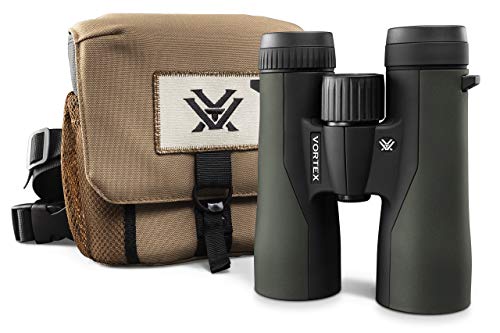


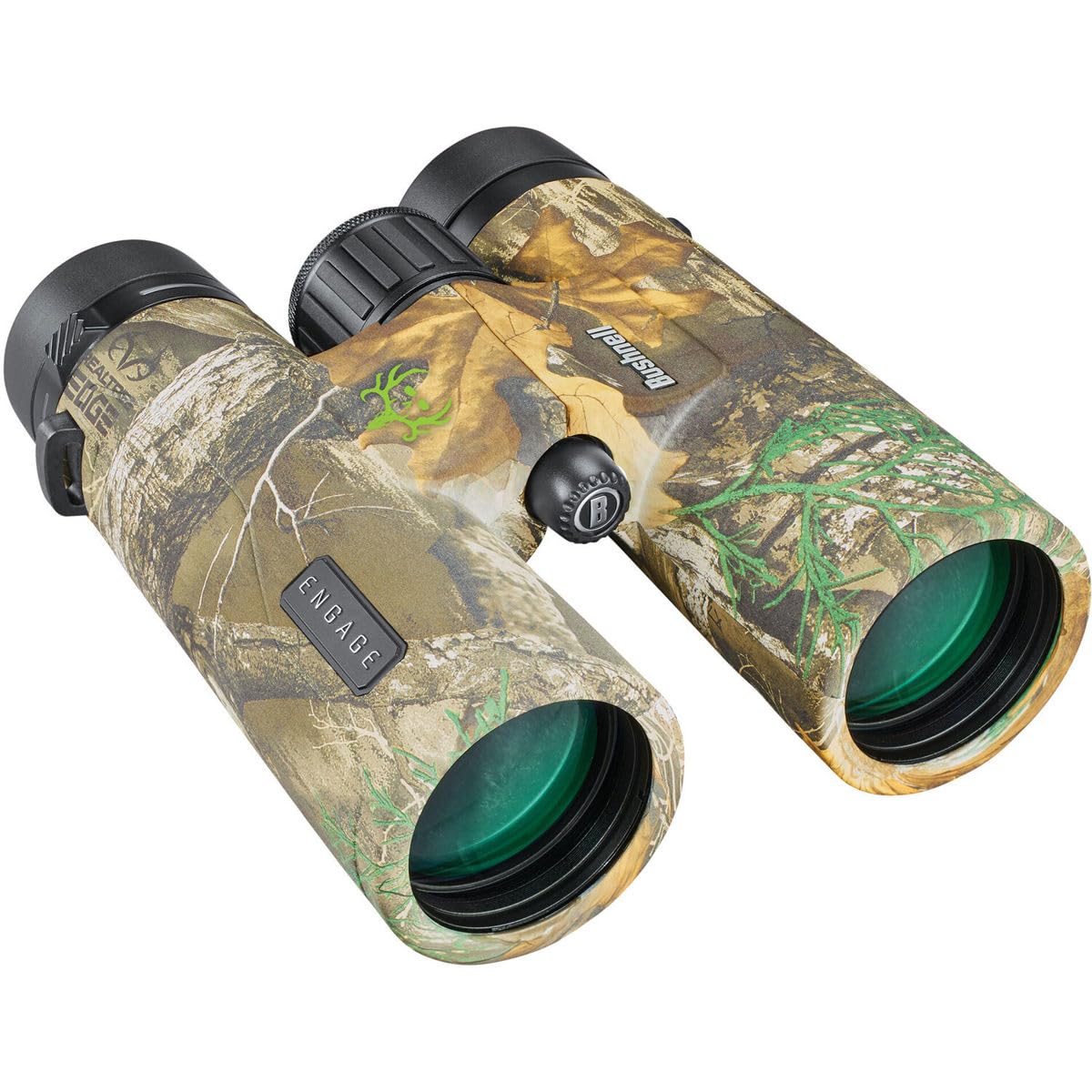

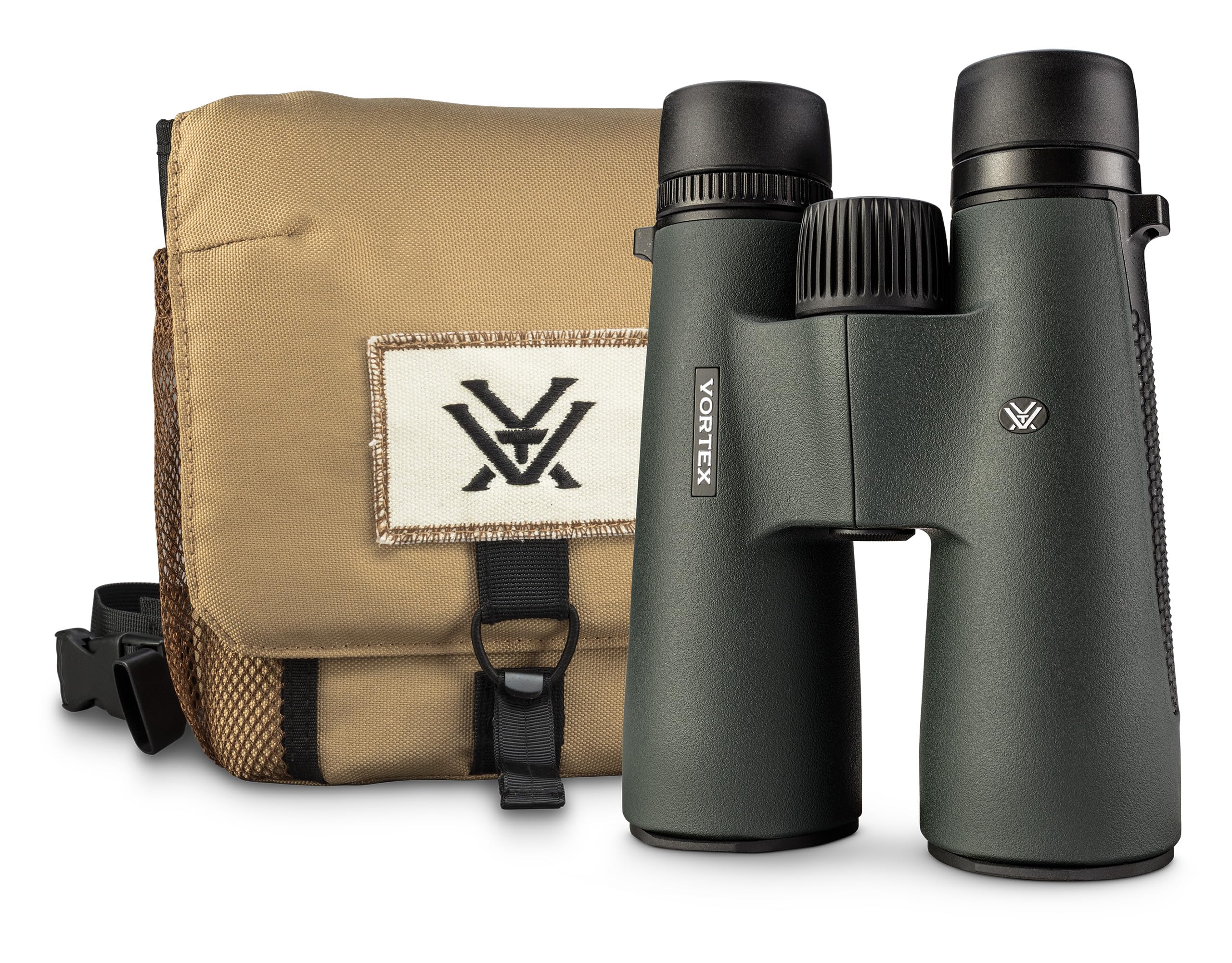


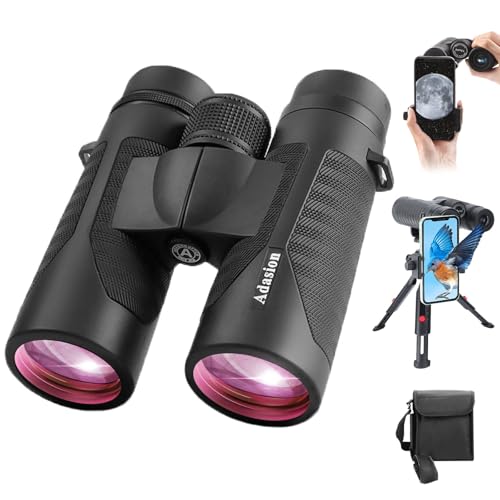
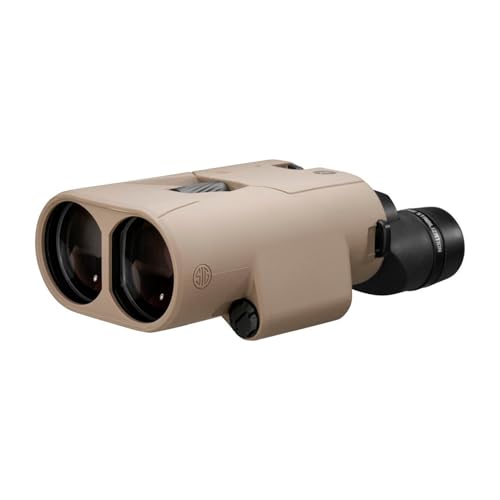
How to Choose the Best Binoculars for Deer Hunting
Think of this guide as a scoring sheet. No single pair wins on every point, so decide which strengths matter most for the ground you hunt, the distances you glass, and the hours you spend outside. A hunter who walks miles of open ridges needs different glass from a hunter who sits in a wooded stand. Keep your own priorities in mind as you read each factor.
Features That Matter for Deer Hunting
Deer hunting rewards steady viewing, quick target location, and detail at distance. Look for a wide field of view so you can scan a hillside without constant sweeping, plus a focus control that moves smoothly and locks onto a deer without overshooting. A comfortable eye relief matters if you wear glasses, and a stable image matters even more when your hands are cold. If you hunt from a stand, consider how the pair hangs, how quietly it moves, and whether it fits beside other gear without snagging.
Magnification and Objective Size
The familiar numbers on a pair, such as 8x42 or 10x42, describe magnification first and objective lens size second. An 8 power pair gives a steadier, wider view and is often easier to hold still, while a 10 power pair brings distant detail closer but narrows the view and magnifies hand shake. The 42 mm objective gathers more light than a compact lens, which helps at dawn and dusk. For many deer hunters, 8x42 is a balanced starting point, while 10x42 suits open country and longer glassing sessions from a rest.
Low Light Performance and Glass Quality
Low light performance depends on more than the objective size. Lens coatings, glass quality, and exit pupil all shape how bright and clear the image looks when the sun is low. A larger exit pupil can help your eyes gather light, but only up to the point your own pupils can use it.
Look for fully coated optics and clear, high contrast images in dim conditions rather than chasing a single number. If possible, compare pairs in fading light, since differences that look small indoors often grow large at dawn.
Size, Weight, and Ergonomics
Weight and balance shape how long you can glass without fatigue. A full size pair may offer the brightest view, yet it can tire your arms during a long sit or a long walk. A compact pair travels well but may feel cramped in large hands and gather less light.
Hold the pair with both hands, check the bridge width, and try the focus wheel with gloves on. The best shape is the one you can hold steady, adjust quickly, and carry without thinking about it all day.
Durability and Weather Sealing
Deer season brings rain, frost, dust, and sudden temperature changes. Sealed housings help keep moisture and dust out, while nitrogen purging helps resist internal fogging when you move between cold air and a warm vehicle or blind. Rubber armor adds grip and some shock protection, and a secure lens cover system keeps glass clean in brush. Check the warranty terms and the maker guidance on care, since field use is hard on hinges, eyecups, and straps over time.
Focus, Eye Relief, and Field Comfort
Fast, precise focus matters when a deer steps into a gap for only a few seconds. A center focus wheel should turn smoothly through its full range without stiff spots, and the diopter control should let you fine tune one side for your own eyes. Eye relief tells you how far your eyes can sit from the eyepieces while still seeing the full image, which matters most for glasses wearers. Twist up eyecups should stay in place at your chosen setting and feel comfortable against your brow during long glassing sessions.
Carrying, Mounting, and Field Use
How you carry glass in the field affects how often you actually use it. A chest harness spreads weight, keeps the pair close, and reduces swing while you walk or climb. A neck strap alone may be fine for short sits but can bounce and strain your neck on long hikes.
Some hunters add a tripod adapter for long glassing from a ridge, which also steadies higher magnification pairs. Whatever system you choose, try it with your jacket, pack straps, and other gear before the season opens.
Spending Levels Without the Hype
Price tiers in deer hunting glass tend to reflect glass quality, coatings, build, and warranty support rather than a single headline feature. Use the levels below as a planning tool, not as a ranking of specific products. Your budget should follow your hunting style, your light conditions, and how many days a season you expect to glass.
A Sensible Starting Budget
A starting budget often covers solid roof prism pairs with coated optics, sealed housings, and comfortable handling for typical woodland distances. Expect clear images in good light and usable performance at dawn and dusk, though fine detail in very dim light may be limited. This level suits hunters who glass mainly from stands, hunt familiar ground, and want reliable gear without a large outlay. Spend extra attention on fit and focus feel, since a comfortable pair you use often beats a sharper pair you leave at home.
A Strong Middle Budget
A middle budget usually buys better coatings, brighter low light images, smoother focus, and tougher sealing. These gains show up most during the first and last light, when deer move and detail is hardest to read. This level also tends to offer wider fields of view and more refined ergonomics for long sessions.
It suits hunters who glass open fields, ridges, and food plots, or who hunt many days each season. If you can, compare this level side by side with a starting pair in dim light before deciding.
A Higher Budget for Demanding Conditions
A higher budget generally buys premium glass, excellent contrast, and very steady color in poor light, plus refined build and strong warranty support. The difference is most visible in fog, rain, and deep shade, where cheaper glass may wash out fine detail. This level suits hunters who glass long distances, hunt in harsh weather, or rely on optics for most of their scouting. Even here, fit and handling still matter, so do not trade a comfortable, well balanced pair for a small optical gain you rarely notice.
Quick Buyer Checklist
Run through these questions before you buy, and answer each one honestly for your own hunting ground.
- Can you hold the pair steady for several minutes without arm fatigue?
- Does the field of view feel wide enough to scan a hillside without constant sweeping?
- Do you see clear detail in dim light, not just in bright store light?
- Do the eyecups work with your glasses, if you wear them?
- Does the focus wheel turn smoothly with gloves on?
- Is the pair sealed against rain and resistant to internal fogging?
- Does your carry system keep the pair quiet, close, and easy to reach?
- Does the warranty and maker guidance fit how hard you use field gear?
Red Flags to Watch For
Vague specifications are a warning sign, especially when magnification or lens size is stated without clear coating or sealing details. Be cautious of claims that promise perfect images in all light, since no pair erases fog, rain, or deep shade. Very short warranty terms, missing maker guidance, or unclear return terms can also signal weak support. Finally, watch for pairs that feel front heavy, focus unevenly, or show dark edges in the image, since those flaws grow more annoying during long glassing sessions.
How to Make Your Pair Last Longer
Use a lens cloth, not your shirt, since fabric and grit can scratch coatings over time. Brush loose dust away first, then wipe gently in a circular motion. Store the pair in a dry, padded bag away from heat and damp, and keep lens covers on during travel.
Check straps, hinges, and eyecups each season, and follow maker guidance for cleaning and storage. A good harness also protects the pair from drops and bumps during travel and long walks.
Binoculars: Your Questions Answered
What features matter most in binoculars for deer hunting?
A wide field of view, steady handling, and strong low light clarity matter most for deer hunting. You need to find a deer quickly, hold the image still, and read detail when light is poor. Magnification, objective size, coatings, eye relief, and weather sealing all feed into those goals.
Weight and carry comfort matter too, since a pair you leave behind helps no one. If you hunt open ground, lean toward wider views and steadier handling over raw power.
Is a smartphone enough instead?
A smartphone can record a deer you already found, but it rarely replaces dedicated glass for finding one. Phone zoom often loses detail and struggles in low light, and holding a phone steady at distance is hard without support. Binoculars give a brighter, wider, and more stable view for scanning fields and timber edges.
Many hunters use both, with glass for finding deer and a phone for photos or notes. Keep your phone protected from rain and cold if you carry it as a backup.
What does 8x42 or 10x42 mean?
The first number is magnification, and the second is the objective lens diameter in millimeters. An 8x42 pair magnifies eight times with a 42 mm front lens, while a 10x42 pair magnifies ten times with the same front lens size. Higher magnification brings detail closer but narrows the view and magnifies shake.
Larger objectives gather more light, which helps at dawn and dusk. Choose the balance that fits your distances, your steadiness, and your light conditions.
How much should I spend on my first one?
Start with a budget that covers sealed, coated glass with comfortable handling, often about $100 to $250 for a first serious pair. That range usually buys clear images in good light and usable dawn and dusk performance for woodland hunting. Spend more if you hunt open country, glass for long hours, or need stronger low light detail.
Spend less only if your hunts are short, close, and mainly in daylight. Fit, focus feel, and sealing matter as much as price at any level.
Which is better for low light?
Larger objectives, high quality coatings, and good glass usually perform better in low light, but no single number tells the full story. A well coated 8x42 pair can beat a poorly coated larger pair at dusk, since contrast and clarity matter as much as brightness. Try pairs in fading light when you can, and look for detail in shadow rather than just overall brightness. Also consider your own eyes, since older eyes gather less light and may benefit more from a larger exit pupil.
Our Verdict
Focus first on field of view, low light clarity, steady handling, and weather sealing, then match magnification to your ground. A compact pair may suit short woodland hunts, while a full size pair may suit open ridges and long glassing sessions.
For related options, see our guide to best compact binoculars for deer hunting if pack weight matters, our guide to best vortex binoculars for deer hunting if you want a maker focused comparison, our guide to best nikon binoculars for deer hunting for another maker angle, and our guide to best binoculars for mule deer hunting if your hunts run long and open. Check the picks in the table once more, then choose the best binoculars for deer hunting that fit your hands, your ground, and your budget.
Never look at the sun through binoculars, and follow local wildlife rules on every hunt.


