
Best Compact 35mm Cameras: How to Pick the Right One in 2026
Disclosure: We may earn a commission when you buy through links on this page, at no extra cost to you. As an Amazon Associate I earn from qualifying purchases. Learn more

Compare the best compact 35mm cameras by lens, metering and condition, with honest film and developing costs for new or used buying.
Shopping for the best compact 35mm cameras starts with one plain fact: 35mm is a film format, and most classic compacts were built decades ago. A handful of simple reusable models are still sold new, but the wider choice sits on the used market. That changes the buying rules. A working meter, healthy light seals, and a clean lens matter more than any feature list, and the sections below group the main types by the jobs they handle best.
This guide is built around how you plan to shoot. It covers who each type suits, why a fixed lens shapes the whole experience, and what film and developing add to the real cost of ownership. By the end, you will know how to judge a used listing, which checks to run before money changes hands, and how much of your budget to hold back for film.
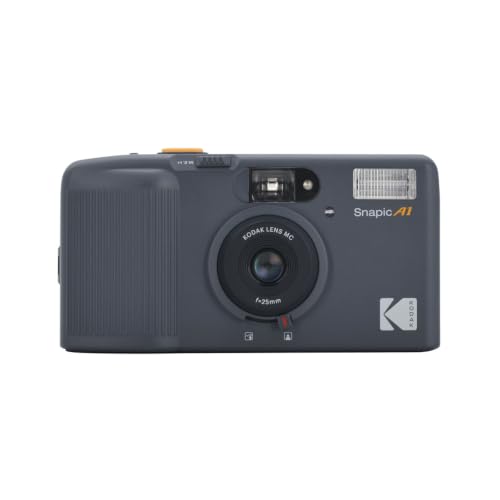


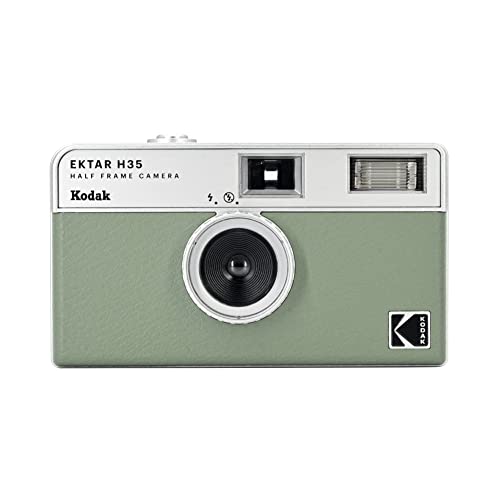

Who Should Buy Which Compact 35mm Cameras?
Compact 35mm models divide by how much control they hand you and how much effort they ask in return. Simple auto models suit quick everyday shooting, while manual models reward slower and more deliberate work. If you are still weighing the format itself, our guide to the best 35mm cameras covers the broader family, including larger interchangeable lens bodies.
For Students and Everyday Users
Students and casual shooters should look for full auto exposure, a built in flash, and simple film loading. These cameras forgive mistakes, cost little to replace, and keep the focus on learning how film responds to light. Prices stay low because supply is deep, so condition matters more than the badge on the front. Choose the cleanest example you can find rather than the fanciest name in the listing.
For Travelers and Street Shooters
Travelers need a camera that disappears into a jacket pocket and starts fast. A fixed lens model with quiet operation and zone focus suits street work, because there is little to set before the moment passes. Weather sealing is rare in this class, so a simple rain cover or a dry bag earns its place in your kit. Battery choice matters too, since common cells are easier to find on the road than rare button cells.
For Creators Who Want a Film Look
Creators chasing a film look should favor models with aperture control, exposure compensation, and a lens in the 35mm to 45mm range. Those features let you shape depth and correct the meter when a scene runs brighter or darker than average. A brighter lens, around f2 to f2.8, opens up evening streets and indoor work. Expect to pay more, because control and fast glass are exactly what collectors want as well.
Picking the Right Compact 35mm Cameras for Different Uses
Two buying paths cover most shoppers in this class. One path prizes ease above everything else, and the other trades a little ease for control over each frame.
Best Easy Compact 35mm Cameras: What to Prioritize
Easy models load film with a simple drop in system, set exposure on their own, and fire a flash without being asked. That mix suits parties, family days, and anyone who wants film texture without film homework. Readers comparing pocketable options across eras can start with the best cameras compact guide for the wider shelf. Within this class, pick the camera with the clearest lens and the freshest light seals, because ease means nothing if every frame leaks light.
Compact 35mm Cameras With Manual Control: What to Prioritize
Manual control models add an aperture ring, a focus ring, or both. They suit shooters who already understand exposure and want the camera to stay out of the way. Slower handling is the trade, so these cameras fit planned walks and portraits better than fast family moments. Check that every shutter speed fires and sounds distinct, since sticky slow speeds are a common age fault in this group.
Key Features of the Best Compact 35mm Cameras
The 35mm Film Format Comes First
Start with the format itself, because it governs everything else in this class. A 35mm camera records images on rolls of 35mm film. Entry level reusable models from Kodak and Ilford are available new, while most classic compacts with better lenses and meters are sold used. That means supply, condition, and repair support vary from one listing to the next, and our guide to the best compact 35mm film cameras explains the format family in more depth. Treat every purchase as a condition purchase first and a features purchase second.
Fixed Lens or Zoom Lens
Most cameras in this class carry a fixed lens, and that fixed lens governs the point and shoot class. A fixed prime lens is usually brighter and sharper, and it keeps the body small enough for a coat pocket. Zoom models trade brightness for framing flexibility, and their lenses extend on motors that can fail with age. If you shoot indoors or at dusk, the brighter fixed lens usually wins, while a modest zoom earns its keep for travel scenes in daylight.
Metering and Exposure Help
The meter is the part you trust on every frame, so test it against a known light reading if you can. Center weighted meters are common in this class and stay predictable once you learn their habits. Exposure compensation, even a simple backlight button, rescues bright beach and snow scenes from gray results. Cameras that read the film speed code printed on the cassette remove one setup step and one common mistake.
Autofocus and Focus Methods
Autofocus models lock quickly in good light and hunt in dim rooms, while zone focus models rely on preset distance steps. Scale focus suits practiced shooters who can judge distance by eye. For group photos and self timed shots, autofocus is the safer tool. For quiet street work, zone focus is faster, because the camera never pauses to think before it fires.
Buying New or Used: Condition Checks
A new entry level camera needs no inspection beyond a test roll, but a used one does, and age faults follow patterns, so check them in a set order. Foam light seals crumble and cause leaks along the film door, shutter blades can stick, battery contacts corrode, and old lenses grow haze or fungus that softens contrast. Advance the film lever, fire every speed, and open the back to inspect the seals. A seller who allows a test roll offers the strongest signal of all, because one roll shows focus, frame spacing, and leaks at once.
Film and Developing Costs
The camera is only the first payment in this class. A roll of color film costs about $8 to $20, and developing with scans adds about $12 to $25 per roll, so a keen shooter can spend the camera price again within a year. Black and white film costs less per roll and suits home developing later on. Budget this running cost before you buy and hold back money for the first few rolls and a spare battery, because the product table above lists camera prices only and the running cost is yours to plan.
Common Mistakes to Avoid When Buying Compact 35mm Cameras
Most regrets in this class come from skipping checks rather than choosing the wrong type.
- Buying on looks alone, because a pretty body can hide a dead meter, a sticky shutter, or leaking seals.
- Paying collector prices for a first camera, when a plain auto model teaches the same lessons for far less.
- Ignoring the light seals, since crumbled foam is the most common cause of ruined first rolls.
- Forgetting the film budget, because rolls and developing fees add up faster than most new shooters expect.
- Skipping a test roll, which is the only check that confirms focus, spacing, and exposure together.
How to Make Your Compact 35mm Camera Last Longer
Store the camera in a dry, padded bag away from heat, because damp air feeds lens fungus and heat ages seals and lubricants. Replace light seals when they turn sticky, and remove the batteries during long storage so a leak cannot corrode the contacts. Wipe the lens with a lens cloth rather than a shirt, and keep the film door closed in dusty places. A camera that shoots a roll every few months stays looser and more reliable than one left in a drawer for years.
Frequently Asked Questions
How much should I spend on my first compact 35mm camera?
Most first time buyers do well between about $35 and $120, whether that buys a new entry level camera or a clean used auto model. Spend the rest of your starter budget on film, since three or four rolls teach more than a pricier body does. Keep about $30 aside for fresh light seals if the foam looks tired. A slightly worn camera with a fresh test roll behind it beats a mint looking camera with no proof that it works.
What specs matter most for beginners on a compact 35mm camera?
A working meter, simple film loading, and a lens around 35mm to 40mm matter most for a beginner. Those three cover exposure accuracy, easy handling, and a natural field of view for everyday scenes. A built in flash helps at parties and indoor gatherings. Fancy modes matter least, because beginners learn fastest when the camera makes few decisions and makes them the same way from roll to roll.
Is a smartphone enough instead of a compact 35mm camera?
A smartphone is enough for instant sharing, but it cannot copy the film process or its look. Film slows you down, limits each roll to about 24 or 36 frames, and returns prints and scans days later, which many shooters find is the whole appeal. Readers who prefer digital can compare the best compact digital cameras instead. Many photographers end up carrying both, one for speed and one for pleasure.
Which compact 35mm camera type handles low light best?
Models with a fast fixed lens handle low light best, because an f2 or f2.8 lens gathers far more light than a slow zoom. Pair that lens with film rated at ISO 800 and you can shoot indoors without flash in many rooms. Autofocus may still hunt in the dark, so a model that lets you set focus by distance gives a useful backup plan when the light drops.
How can I tell whether a used compact 35mm camera still works?
Fire every shutter speed and listen for a clear difference between the fast and slow settings. Check that the film counter advances, the rewind crank turns, and the lens looks clear when you shine a light through it. Sticky residue along the film door points to dead light seals. When possible, shoot one cheap roll and inspect the scans, since that single test settles focus, spacing, and light leaks together.
Final Thoughts
Pick by condition first, lens second, and features third, and this format will reward you. If film turns out not to fit your life, our guide to the best digital cameras covers the modern alternative. For everyone else, the best compact 35mm cameras are the ones that pass a test roll and disappear into a pocket, ready for the next frame. Match the type to your routine using the product table above, set a film budget beside the camera budget, and start with one roll shot close to home.


