
Best Canon 35mm Film Cameras in 2026: Matching the Right Type to Your Routine
Disclosure: We may earn a commission when you buy through links on this page, at no extra cost to you. As an Amazon Associate I earn from qualifying purchases. Learn more
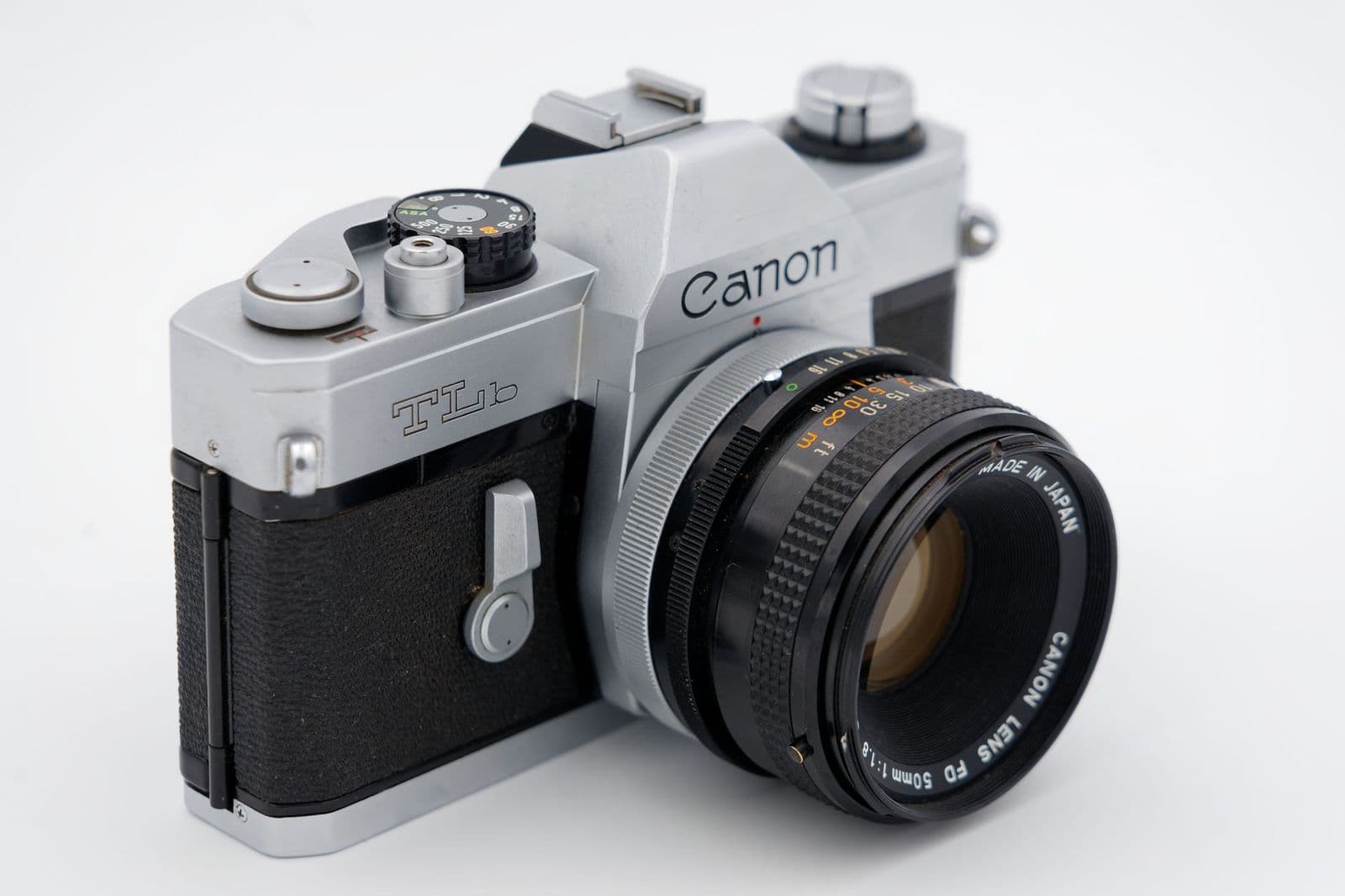
Learn how to choose the best canon 35mm film cameras by mount, focus, metering and condition, with used buying checks that help you avoid a poor fit.
There is no single Canon film camera that suits every routine, because the mount, focus method and level of automation change how each roll feels to shoot. The best canon 35mm film cameras for you are the ones that match the lenses you can use, the control you want and the condition you can trust. Compare types rather than chase a single name.
Start with how you plan to shoot. Slow, deliberate work rewards manual focus and a clear viewfinder. Busy family days reward autofocus and automatic advance. Travel rewards a small body you will actually carry.
Who Should Buy Which Canon 35mm Film Cameras?
Pick by the shooting you repeat most often. A body that feels inspiring on a quiet walk can feel slow at a school event, and a fast automatic body can feel distant when you want full control.
Learners Who Want Full Manual Control
Choose a manual focus SLR if you want to learn exposure by setting aperture and shutter speed yourself. A bright viewfinder with a split image or microprism aid makes focus easier to judge, and a simple meter display teaches you how light changes a scene. Older Canon bodies in this group pair with FD mount lenses, so see our guide to the best vintage film cameras 35mm if you enjoy older handling.
Families and Event Shooters Who Need Autofocus
Choose an autofocus SLR from the EOS line if you shoot children, gatherings or moving subjects and cannot pause to focus by hand. These bodies use the EF mount, offer program and aperture priority modes, and advance film with a motor. That speed helps when moments pass quickly, but check that the autofocus and film transport work smoothly before you buy.
Travelers and Everyday Carriers Who Want a Compact Camera
Choose a compact point and shoot model if you want film in a jacket pocket and simple loading for trips and daily walks. Fixed lens and zoom lens compacts trade manual control for ease, and many load film and set speed automatically from the film code. If you like that simple format, see our guide to the best reusable film cameras 35mm for more pocket friendly options.
Key Features to Compare
Compare these factors in order, because mount and condition decide long term value more than a long list of modes. When you compare the best canon 35mm film cameras side by side, a body with the right mount and a sound shutter will serve you better than a feature rich body with faults.
Lens Mount and Lens Compatibility
The mount decides which lenses fit, and Canon changed mounts over time, so this check comes first. FD mount bodies use manual focus FD lenses, while EOS film bodies use EF lenses with electronic contacts for autofocus. Early FL lenses fit some older bodies with limits on metering. A lens that mounts but cannot meter or focus as expected is a poor bargain. Decide the mount first, then build a small lens set around one normal lens and one wider or longer lens.
Focus Method and Viewfinder Clarity
Manual focus bodies rely on your eye and on aids in the viewfinder, such as a split image circle that aligns when the subject is sharp. Autofocus bodies focus faster and help with moving subjects, but older systems can hunt in dim light. Look through the finder before you buy. Dust or haze inside dulls the view, and a dim finder makes manual focus slow even when the lens itself is clean and sharp.
Metering and Exposure Control
The meter reads light and guides your aperture and shutter choices, so its pattern and accuracy shape every roll. Center weighted metering suits most general scenes, while partial and spot options help when a bright sky or dark stage would mislead a wider reading. Full manual mode gives you control, aperture priority speeds up shooting, and program mode helps new users. Test the meter against a known camera or app, because a meter that reads a stop off will spoil otherwise good film.
Shutter, Light Seals and Overall Condition
Most Canon film bodies are now bought used, so condition matters as much as the original specification. Cloth and metal shutters should fire cleanly at slow and fast speeds without sticking or uneven gaps. Foam light seals around the back door and mirror often crumble with age and let light streak your frames. Seal replacement is a common and modest service, but a faulty shutter, corroded battery contacts or a cracked body raises the real cost quickly.
Size, Weight and Handling
A metal manual SLR feels solid and suits deliberate shooting, but its weight adds up on a long walk. Later autofocus bodies use more plastic, feel lighter and add a deeper grip that helps with longer lenses. Compact models weigh the least and load fastest. Hold the body with the lens you plan to use most, check that the controls fall under your fingers, and confirm the strap lugs are sound if you will carry it all day.
How to Check a Used Canon Film Camera Before You Buy
Run these checks before you pay, in this order. Open the back in soft light and look for crumbled foam, bent parts and a clean film path with no deep scratches. Fire the shutter at several speeds and listen for a slow first speed that drags or sticks. Advance the lever or motor and confirm the counter moves and the rewind crank turns freely.
Fit a fresh battery of the correct type and test the meter against a scene you know. Look through the lens at a bright surface to spot haze, fungus or cleaning marks on the glass, and turn the focus and aperture rings to feel for stiffness. If you are comparing bodies across brands as well, see our guide to the best film cameras 35mm, and for condition focused shopping see our guide to the best used 35mm film cameras.
Common Mistakes to Avoid
- Buying a body before checking its lens mount leaves you with lenses that cannot focus or meter as intended.
- Ignoring crumbled light seals lets stray light fog the edges of your first rolls.
- Trusting a meter you have not tested leads to a full roll of pale or dark frames.
- Choosing the heaviest SLR for travel means the camera stays in the room while you walk.
- Spending your whole budget on the body leaves nothing for film, processing and a seal service.
Care and Maintenance for Canon Film Cameras
Store the body in a dry, padded bag away from heat and damp. Wipe the lens
with a clean lens cloth, not your shirt, because grit on fabric can mark the coating. Carry a spare battery for the meter and autofocus, since a weak cell can slow focus or stop the camera mid roll.Between rolls, blow dust from the film chamber with a hand blower and keep the back closed while you work. Do not touch the shutter curtain with your fingers, because cloth and thin metal blades bend easily. If slow speeds start to drag after storage, a service can often restore timing.
FAQ
Can Canon EF lenses work on a Canon FD mount film body?
No, Canon EF lenses cannot work properly on an FD mount film body. The mounts differ in size and communication, and adapters that claim to bridge them usually lose infinity focus or automatic functions. Pick one mount family and buy lenses made for it. Starting with a single normal lens in the correct mount keeps costs down and avoids a drawer of glass you cannot use.
How can I tell if the light seals on a used Canon film camera need replacing?
Light seals need replacing when the foam around the back door feels sticky, crumbles at a touch or leaves black specks on your fingers. You may also see flat foam that no longer springs back when pressed. This is a routine service on older bodies, and many sellers include it in the price. Ask directly, because fresh seals are a sign the camera was prepared for use rather than stored and forgotten.
Which film speed suits a Canon 35mm film camera for low light?
A faster film such as ISO 400 or ISO 800 suits a Canon 35mm film camera best in low light. Faster stock lets you keep a usable shutter speed with a modest lens aperture, which reduces blur from hand movement. Pair it with the widest aperture your lens offers and brace the camera where you can. Grain will be more visible than with slower film, and many shooters accept that trade for sharper moments.
How much should I spend on a first Canon 35mm film camera?
Most first time buyers do well with about $100 to $300 for a sound used body and one lens. Spend toward the top of that range for a serviced body with fresh seals and a tested meter, and less only if you accept repair risk. Keep money aside for film and processing, because your first three rolls teach you more than a second lens would at this stage.
What should a beginner check first on a Canon 35mm film camera?
A beginner should check the shutter, meter and light seals first on a Canon 35mm film camera. Those three decide whether your first roll comes back usable, while extra modes can wait. Also confirm the camera takes a battery you can still buy easily, because some older meters relied on cells that are no longer sold. A body that passes these checks and fits your hands is a safe place to learn.
Our Verdict
Match the mount to the lenses you want, choose manual focus for learning and autofocus for speed, and treat condition as a feature in its own right. A serviced body with a clear finder and honest meter will please you more than a rare body that needs work. Compare types against your routine before you shop.
When those points line up, the best canon 35mm film cameras become a short, clear list. Buy the simplest sound body that fits your routine, load a fresh roll and start shooting.


