
Best Company for Cameras 2026
Disclosure: We may earn a commission when you buy through links on this page, at no extra cost to you. As an Amazon Associate I earn from qualifying purchases. Learn more

Compare camera companies by lens range, service, software, and cost of ownership so you can choose a system that stays useful as your skills grow.
A camera is the start of a system, not a single purchase. Lenses, flashes, batteries, and software will follow the body for years, which makes the maker behind it as important as any one model. This guide compares the best company for cameras by lens range, service, software, and cost of ownership, so you can pick a brand that still suits you after your first upgrade.
The product table at the top of the page shows current bodies and kits from several makers. The sections below explain what each company does well and where it asks you to compromise, so the table makes more sense when you read it.




What Makes the Best Company for Cameras?
Four traits separate a dependable camera maker from a risky one. First, a broad lens catalog, including affordable first lenses and more advanced glass for later. Second, a clear service path, with written warranty terms and repair options you can reach in the United States. Third, regular firmware updates that improve autofocus, menus, and file handling instead of leaving bugs in place. Fourth, a healthy second hand market, because lenses that resell easily lower the real cost of changing your mind.
Lens Mount and Third Party Support
The lens mount decides what you can attach, and some makers allow independent lens brands while others restrict them. More choice usually means lower prices and more specialty lenses, such as fast portrait primes or long wildlife zooms. Check whether the maker has a full set of standard zoom and prime lenses in the sensor format you are buying, since a large body with few lenses is a poor long term bet.
Sensor Size and Image Style
Smaller sensors keep bodies and lenses compact and affordable. Full frame sensors collect more light and give shallower depth of field, but the bodies and lenses cost and weigh more. Each maker also has a recognizable image style, from natural skin tones to vivid color to film inspired looks. Look at sample photos taken in light similar to yours, and judge brands by the style you enjoy editing rather than by megapixel counts alone.
Video and Hybrid Features
If you record video, compare stabilization, autofocus tracking, overheating behavior, and audio input options. Several makers aim squarely at hybrid shooters, while others keep video basic so the body stays compact and affordable. Decide how often you will actually record clips before paying for advanced video tools you may never use.
Top Camera Companies at a Glance
Prices in the table range from entry kits to professional bodies, and the best fit depends on what you shoot most. Each profile below lists a strength, a weakness, and the buyer it suits. For a wider view of what to look for in a body before choosing a maker, read our guide to the best digital cameras.
Canon
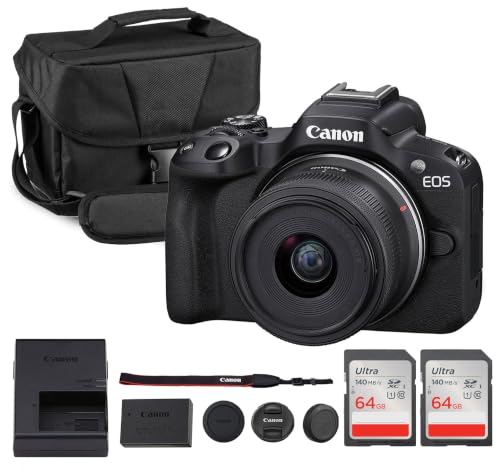
Canon is known for friendly menus, pleasant skin tones, and a lens range that covers beginners through working professionals. Its mirrorless line has grown quickly, and the used market for its lenses is deep. The main drawback is a tighter policy on third party autofocus lenses for some mounts, which can raise lens costs. Canon suits families, travelers, and first time buyers who want a straightforward camera that grows with them.
Sony
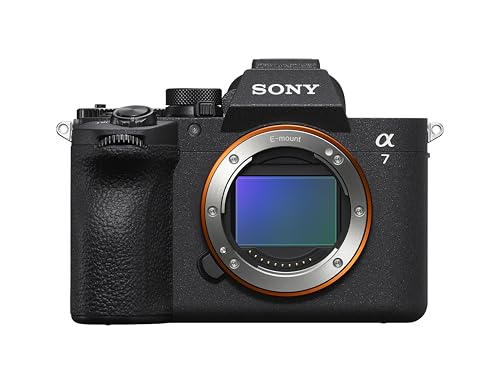
Sony leads on autofocus tracking and compact full frame bodies, and its mount supports a very large number of third party lenses. That combination keeps costs flexible for hobbyists and professionals alike. Menus can feel dense, and some bodies run warm during long video recording. Sony suits action, wildlife, and hybrid photo and video shooters who value fast focus and a huge lens choice.
Nikon
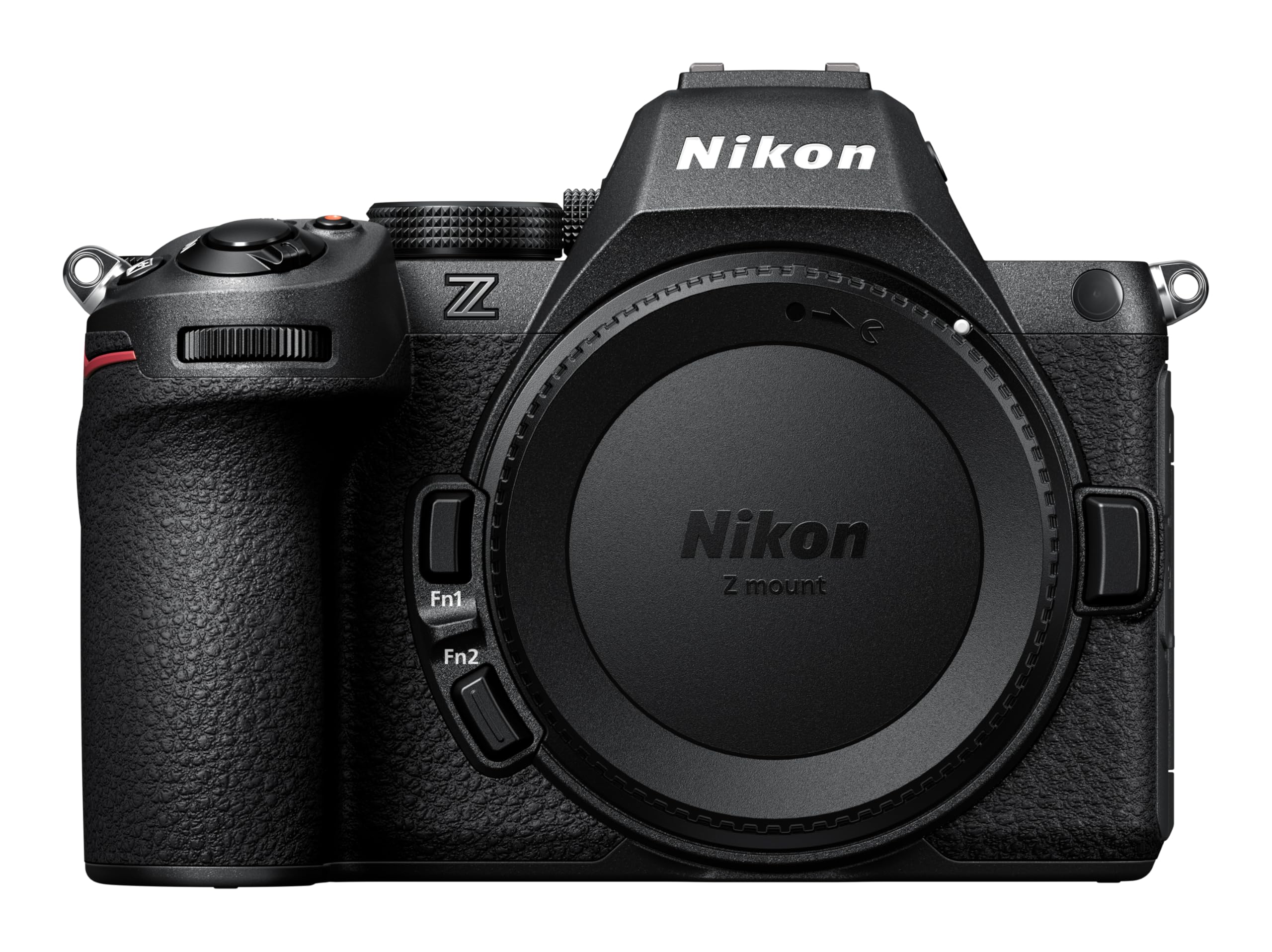
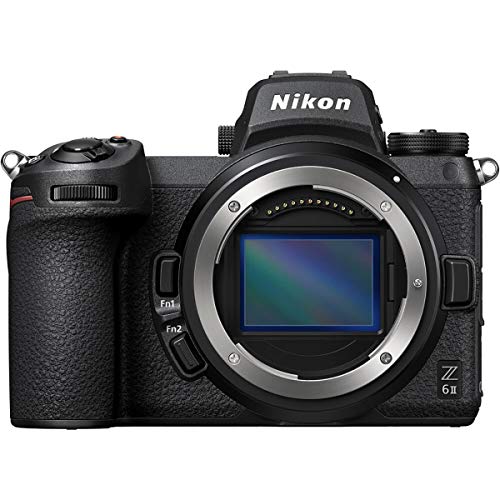
Nikon builds sturdy bodies with comfortable grips, excellent viewfinders, and a loyal following among wildlife and event photographers. Its newer mirrorless cameras also work well with older lenses through an adapter, which helps owners of earlier systems. The native lens catalog is smaller than the largest rivals, so check that the focal lengths you want exist. Nikon suits photographers who value handling, weather resistance, and natural color.
Fujifilm
Fujifilm stands out for retro dials, film inspired color, and APS-C bodies that stay compact. Its photographers often shoot straight to the camera with little editing, which appeals to street and travel shooters. The tradeoffs are fewer professional grade video tools and a lens line that is smaller than the biggest systems. Fujifilm suits enthusiasts who want a tactile, stylish camera that produces pleasing images with simple workflows.
Panasonic
Panasonic concentrates on video capable hybrid cameras, with strong stabilization and recording options that appeal to filmmakers and vloggers. Photo features are also solid, and the shared lens mount with other brands widens the lens choice. Autofocus has historically trailed the leaders in fast action, and bodies tend to be larger. Panasonic suits creators who record as often as they photograph and want deep video control.
How to Choose Between Brands
Start with your main subject. Portraits, travel, sports, and video each favor different strengths, so list what you shoot most and match it to the maker with the strongest lenses in that area. Then price the whole kit: body, a standard zoom, one fast prime, a spare battery, and fast memory cards. A cheap body with expensive lenses often costs more than a pricier body with affordable glass.
Handling matters more than most buyers expect. If possible, hold the cameras in a store, check how the grip fits your hand, and confirm that the controls reach your fingers without stretching. Finally, read the return policy before you order, so you can try the camera at home and send it back if the size, weight, or menus do not suit you. If your goal is mainly photography, our guide to the best cameras for photography goes deeper on what to look for in a body, and the best quality cameras guide covers build standards.
Common Mistakes to Avoid
- Choosing a body without checking lens prices, which can make the full system far more costly than expected.
- Ignoring the service route, so a simple repair becomes slow or expensive.
- Buying into a system with few lenses for your preferred style of photography.
- Paying for advanced video features you will not use, instead of spending that money on a better lens.
- Skipping firmware updates, which often fix autofocus and battery behavior.
Care and Everyday Use
Keep lenses clean with a blower and soft cloth, store bodies and lenses dry, and update firmware when the maker releases it. Back up photos regularly, charge batteries as the manual describes, and check the sensor for dust before important shoots. Avoid changing lenses in dusty or windy places, and cap the body whenever a lens is off.
If you want a camera for home security rather than photography, that is a different product with different makers, covered in our guide to the best security cameras company.
Frequently Asked Questions
Which camera company should a beginner choose?
Beginners do well with Canon, Nikon, or Sony entry kits, because all three offer simple menus, affordable starter lenses, and plenty of tutorials. Fujifilm suits beginners who want a stylish body and like the film inspired look. Compare lens prices before committing, and buy the kit lens version if you are unsure what you will shoot.
Are mirrorless cameras better than DSLR cameras?
Mirrorless cameras are usually smaller and offer newer autofocus and video features, while DSLR cameras offer optical viewfinders and long battery life. Image quality depends more on the sensor and lens than on the mirror design. Most new lenses are now made for mirrorless mounts, so buyers starting fresh usually choose mirrorless.
How important is the lens system when choosing a camera company?
It matters a great deal, since lenses often outlast several camera bodies and shape your image style. A wide catalog lets you grow from wide angle to portrait to telephoto work. Check prices for the lenses you will actually buy, not the full catalog.
What service support should I expect from a camera company?
Expect written warranty terms, repair options in the United States, and reasonable turnaround times. Keep your receipt and serial number for any claim. Professionals who cannot be without a body should look at the maker's priority service plans.
Should I buy a camera system based on video features?
Only if you shoot video often. Check recording resolution, frame rates, stabilization, and audio inputs for your needs. A hybrid camera suits creators who do both stills and video, while stills focused bodies keep size and cost down.
Final Thoughts
Match the maker to what you shoot and how long you plan to keep the system. Canon offers friendly handling, Sony offers autofocus and lens choice, Nikon offers sturdy bodies, Fujifilm offers style, and Panasonic offers video depth. The best company for cameras is the one whose lenses, service, and software fit your plans, so compare the options in the product table at the top of the page and choose a body you will enjoy carrying.


