
Best Commercial Walk Behind Mowers by Price: What Your Money Gets You in 2026
Disclosure: We may earn a commission when you buy through links on this page, at no extra cost to you. As an Amazon Associate I earn from qualifying purchases. Learn more

Match the best commercial walk behind mowers to your workload: price tiers, deck build, discharge options and power source explained.
Prices for commercial mowers vary widely, and the gap is not just about brand names, since deck build, drive type, and engine or battery size all change what a mower can handle day after day. The best commercial walk behind mowers for a small crew cutting a few lawns a week will look very different from the right machine for a crew cutting all day. This guide explains what each price level usually delivers, which upgrades are worth paying for, and which ones you can skip.
Before you compare prices, think about your typical properties, including lawn size, slope, gate width, and how much bagging or mulching you do. A mower that is too wide for your gates or too heavy for your slopes will slow you down no matter how good its price looks. Use those answers as you read the price sections below, and check the product table above when you are ready to compare options side by side.
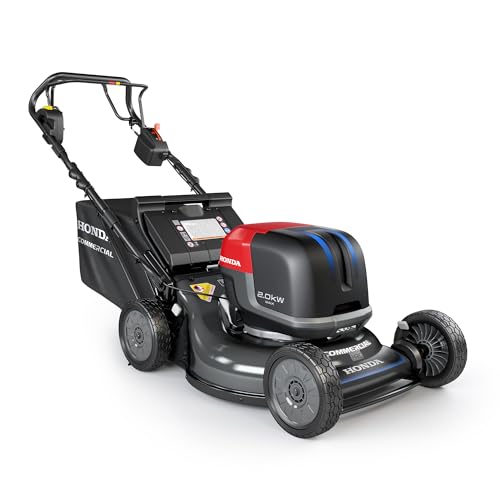
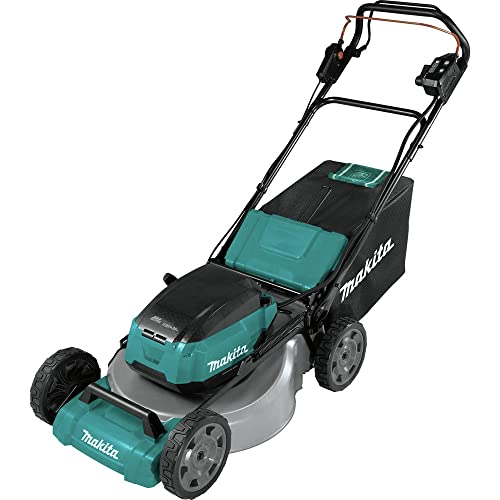

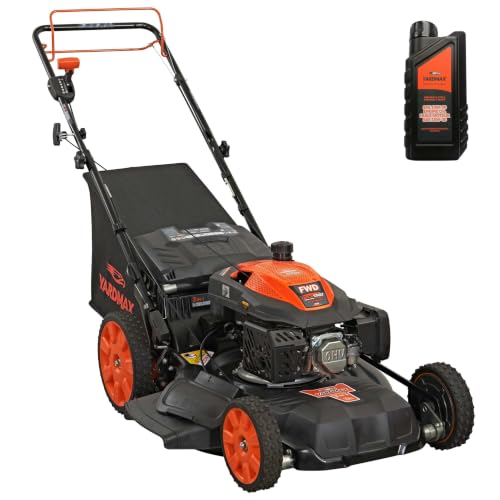
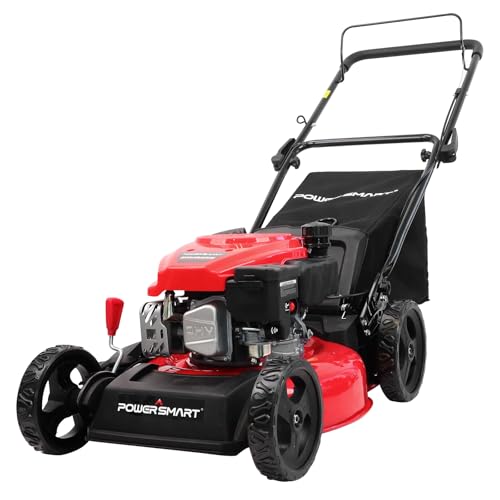
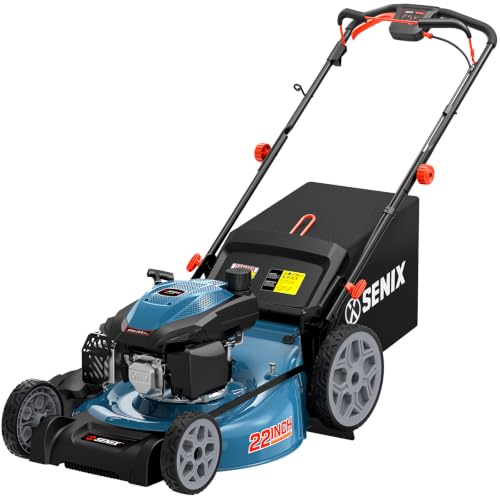


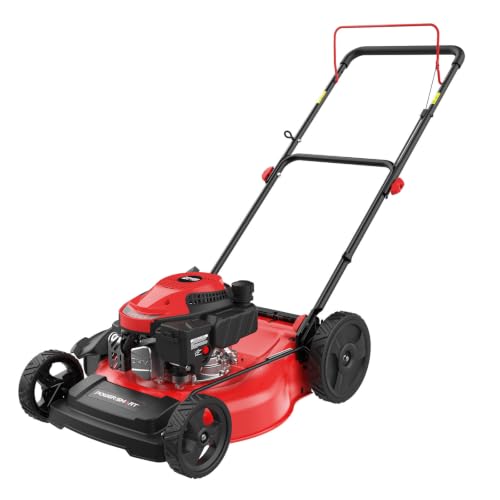

What Your Money Gets You at Each Price Tier
Lower Tier: What to Expect
At the lower tier, expect a straightforward mower with a stamped or lighter steel deck, a standard engine or battery, and basic height adjustment. It should still cut cleanly on flat, open lawns, but it may need more frequent blade and belt attention under heavy use. Service parts are usually easy to find, which keeps running costs down. This tier suits a new business gauging demand, a part time crew, or a property owner with several large lawns to maintain.
Middle Tier: A Strong All Round Choice
At the middle tier, expect a thicker deck, a stronger drive, and smoother controls that make long days easier. Height adjustment often moves to a single lever or a simpler system, which saves time when you change cutting heights between properties. Bagging and mulching also tend to work better, since the deck and blade design are built for varied grass conditions. This tier is a good fit for crews that cut daily but do not need the heaviest machine on the market.
Upper Tier: When Spending More Pays Off
At the upper tier, expect a fabricated deck, a high output engine or a large battery pack, and a drive built for sustained commercial use. Controls are more refined and service points are easier to reach. The extra cost pays off when downtime or slow cutting would cost more than the price difference. For light work, however, this tier adds weight and cost without a matching benefit.
Features Worth Paying For (and Ones to Skip)
Mulch, Bag, and Side Discharge Options
A mower that mulches, bags, and side discharges gives you flexibility across properties, since each method suits different grass lengths and client preferences. Mulching returns fine clippings to the lawn and works well for regular cuts, while bagging suits overgrown grass or clients who want a clean finish. Side discharge is fastest on tall or wet grass, though it can leave visible clippings. Pay for all three options only if you truly switch between them, since a mower with one good method may serve a steady route just as well.
Deck Material and Build
Deck build affects durability more than almost any other feature, since the deck takes hits from stones, curbs, and rough ground. Fabricated decks, made from welded steel plates, usually resist dents and cracks better than stamped decks formed from a single sheet. A thicker deck also holds its shape longer under commercial use, which keeps cutting quality steady. If you work on rough or uneven ground, a stronger deck is worth paying for, while a lighter deck may suit smooth, open lawns where impacts are rare.
Cutting Height Adjustment
Cutting height adjustment matters when you move between lawns with different grass types or growth rates, since the right height changes through the season. A single lever system lets you change all wheels at once and saves time, while individual wheel adjustments can be slower but may offer finer steps. Check the number of height steps and the lowest and highest settings, since a mower with too narrow a range may not suit both short formal lawns and longer rough areas. Easy adjustment is worth paying for on a varied route, and less important on a route with uniform lawns.
Slopes and Terrain
Slopes change which mower is safe and practical, since a heavy mower can be hard to control on a steep bank. Walk behind mowers suit many slopes better than riding machines, because the operator can guide them more precisely. Still, every mower has slope limits in its manual, and you should follow those limits. For very steep ground, consider a different cutting pattern, and keep children and pets well away from the work area.
Power Source: Gas, Battery, or Corded Electric
Gas mowers offer long run times and strong power for thick grass, but they need fuel, oil, and regular engine care, and they must never run indoors. Battery mowers run quieter and need less engine maintenance, but run time depends on battery size and grass conditions, so check how many batteries a full day needs. Corded electric mowers suit small areas near an outlet, but the cord limits range on larger properties. Choose the power source that fits your route length and storage.
Battery models deserve a closer look if you work near homes with noise limits or if you want simpler daily upkeep. You can compare them in our guide to the best electric walk behind mowers, which covers run time, charging, and power trade offs in more detail. That guide pairs well with this one, since it focuses on electric options while this guide compares all power types by price.
Choosing the Best Commercial Walk Behind Mowers for Your Situation
Walk Behind Mowers with a Sulky: Where Your Money Goes
A sulky lets the operator ride behind the mower instead of walking, which can save energy on larger properties and speed up long straight runs. The trade off is a longer machine that needs more room to turn, so a sulky suits open lawns better than tight yards with many obstacles. Check whether the mower is rated for sulky use, since not every transmission or frame handles the extra load well. You should also confirm that the sulky does not make the mower too wide for your gates or too heavy for your trailer ramps.
Crews that cut larger lawns often compare sulky ready models with standard lawn versions before they commit. Our guide to the best commercial walk behind lawn mowers covers deck sizes and drive options for lawn work in more detail. Use it alongside the price tiers above to decide whether a sulky is worth the added cost for your route.
Entry Level Commercial Walk Behind Mowers
Entry level commercial mowers suit a new crew or a crew adding a second machine for lighter work, since they cost less and are easier to load and store. They usually offer a solid deck and a reliable engine or battery, but they may lack the thicker deck of higher cost models. That trade off is fine for a modest schedule, but it can lead to more repairs under heavy daily use. Start here when your workload is light, and move up a tier when your schedule grows.
For a broader view of the category, see our guide to the best walk behind mowers, which compares residential and commercial models side by side. That guide helps you judge whether a commercial build is truly needed for your properties, since a strong residential mower may suit a light schedule at a lower price. If your work is clearly commercial, the price tiers in this guide are the better starting point.
Another useful comparison is our guide to the best walk behind lawn mowers, which focuses on lawn cutting rather than brush or rough ground. It can help you narrow deck width and discharge options for typical lawns, while this guide focuses on commercial durability and price. Keep your gate widths and slope limits in mind as you compare, since those practical limits often decide the choice.
Long Term Costs to Factor In
Long term costs include blades, belts, filters, oil, batteries, and tires, plus maintenance time during a busy season. A cheaper mower can cost more over time if it needs frequent repairs, while a stronger mower may cost more up front but last longer between services. Replacement batteries deserve special attention, since they are a large expense. Add fuel or charging costs, transport, and storage to your total before you compare price tiers.
Commercial Walk Behind Mowers: Your Questions Answered
How often should I sharpen mower blades?
Sharpen mower blades about every 20 to 25 hours of cutting, or sooner if you hit stones or notice torn grass tips instead of clean cuts. Dull blades tear grass, which can leave lawns looking ragged and more open to stress in hot or dry weather. Check the blade edge each week during heavy use, and keep a spare set so you can swap blades without losing a workday. Always disconnect the spark plug or remove the battery before you touch the blade, and follow the manual for torque and balance.
Is a zero turn worth it for one acre?
A zero turn can be worth it for one acre when the lawn is open, with few obstacles and gentle slopes, since it cuts faster than a walk behind mower on such ground. It is less useful on small, gated, or steep properties, where a walk behind mower fits better and is easier to control. A zero turn also costs more, needs more storage, and has slope limits that must be respected. For one acre with many beds, trees, or narrow passages, a commercial walk behind mower often finishes the job with less trimming and less hassle.
How long does a commercial walk behind mower last?
A commercial walk behind mower often lasts many years when it is maintained well, though the exact life depends on hours per week, grass conditions, and care. Crews that clean the deck, change oil and filters on schedule, and sharpen blades regularly usually get far more life than crews that skip maintenance. Rough ground, wet cutting, and heavy loads wear parts faster, so a mower used hard every day will need major parts sooner. Keep a simple service log, since it helps you spot rising repair costs and decide when replacement makes more sense than another repair.
What size mower do I need for my yard?
Choose a deck width that fits your narrowest gate with room to spare, then pick the widest deck within that limit for faster cutting. A 21 inch deck suits small yards and tight gates, while 30 inch and wider decks suit larger open lawns where turning room is plentiful. Wider decks cut faster but are heavier and harder to maneuver around beds and trees. Measure your gates, paths, and trailer before you buy, since a mower that cannot reach the lawn is useless no matter how well it cuts.
Are battery mowers as good as gas?
Battery mowers can match gas mowers for many commercial lawns, especially on regular cuts where grass is not overgrown, but they differ in run time and power delivery. A large battery system with spares can cover a full route, while a small battery may need midday charging that slows the crew. Gas mowers still suit very thick or tall grass and long days without charging breaks, though they need more engine care and must never run indoors. Compare run time, charging time, and battery cost against your route before you choose, rather than judging on noise or starting ease alone.
Final Thoughts
Match the mower to your workload first, then let price decide within that workload, since a mower that fits your gates, slopes, and schedule will serve you better than a stronger machine that does not. Check deck build, drive type, discharge options, and power source against your real properties, and use the product table above to compare the final options side by side. The best commercial walk behind mowers are the ones that cut well, last under your workload, and keep your crew moving without costly downtime.

