
Best Commercial ZTR Lawn Mowers: A Buyer Checklist for 2026
Disclosure: We may earn a commission when you buy through links on this page, at no extra cost to you. As an Amazon Associate I earn from qualifying purchases. Learn more

Use this checklist to compare the best commercial ztr lawn mowers by engine strength, deck width, drive quality, service access, and cost per acre.
Commercial mowing punishes weak equipment. A machine that feels fine for one lawn can lose speed, cut quality, and reliability when it runs six days a week across rough ground, thick growth, and long summer days. That is why choosing among the best commercial ztr lawn mowers should start with a clear checklist, not with paint color or a headline horsepower number.
This guide walks through that checklist in order, from engine and deck to service access and total cost. Use it beside the product table above, note where each model is strong or weak, and you will spot the right class of zero turn machine for your crew, your properties, and your budget.
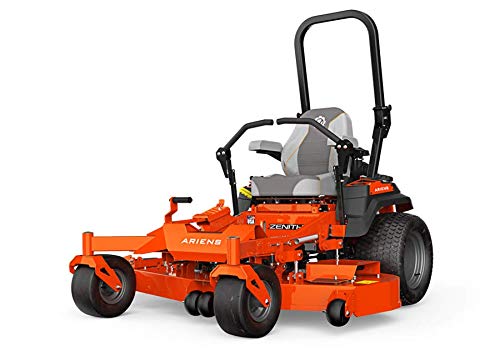


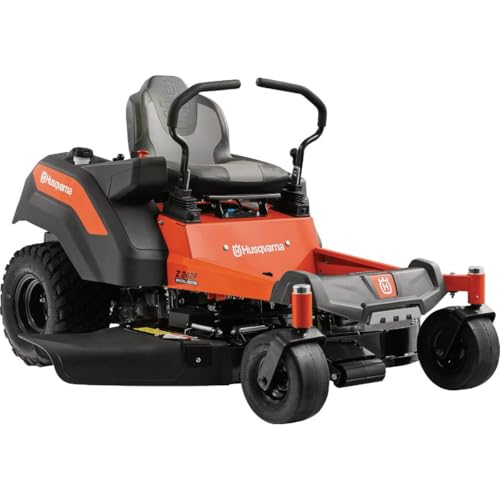

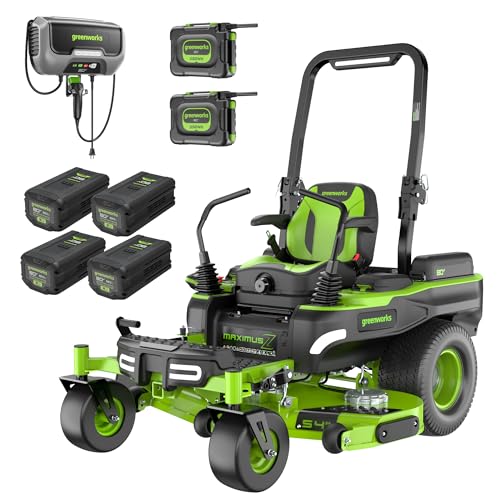
How to Evaluate the Best Commercial ZTR Lawn Mowers
Score each candidate on the same seven points below and the differences become obvious. A mower that wins on width but loses on dealer support or transmission strength can cost you more in downtime than it saves in cutting time. If your work is lighter and mostly residential, see our guide to the best ztr lawn mowers for models built around home use instead.
Power Source: Gas or Battery Power
Most commercial zero turn mowers still run on gasoline because gas delivers long runtime, quick refueling, and proven power for thick or wet grass. Look for a commercial grade engine with a strong torque rating, an efficient air filtration system, and easy access to filters and plugs. Large battery models suit noise sensitive accounts and short routes, but you must plan pack cost, charging time between properties, and reduced output as packs age.
Drive and Hydrostatic Transmissions
Two independent wheel motors let a ZTR pivot in place, and the quality of those hydrostatic units decides how the mower feels after thousands of hours. Commercial machines use serviceable transmissions with external filters, cooling fans, and higher ground speed ratings. Residential grade units are often sealed and cost far less to buy, but they overheat sooner on slopes and during long days. Smooth lap bar response matters too, since jerky controls tear turf and tire the operator.
Cutting Height Adjustment
Commercial crews change cutting height several times a day as grass species and conditions change from one property to the next. A good system offers a wide range, often about 1.5 to 5 inches, with clear increments and a foot operated deck lift that works without leaving the seat. Transport locks, anti scalp wheels, and a dial or pin system that cannot slip mid route all protect cut quality. Avoid vague settings that force guesswork at every stop.
Mulch, Bag, and Side Discharge Options
Most commercial work relies on side discharge for speed in tall growth, mulching for clean finished lawns, and bagging only where clients demand collection or during leaf season. Check that the cutting deck accepts a proper mulch kit with baffles, not just a cover plate, and that a high capacity bagging system with a powered blower is available if you need it. Changing between modes should take minutes in the field, not an hour in the shop.
Noise, Storage, and Maintenance Access
Noise rules on campuses, hospitals, and homeowners associations can limit when gas machines may run, so note sound levels if your accounts include them. For storage and transport, measure the mower with the discharge chute raised and confirm it fits your trailer and gate clearances with room to spare. Daily maintenance should be simple: grease points you can reach, a fuel filter you can see, and an hour meter that tracks service intervals accurately.
Deck Material and Build Quality
A fabricated cutting deck built from thick steel plate with welded reinforcement suits commercial work far better than a thin stamped shell. Look for reinforced leading edges, strong spindle housings, and replaceable wear parts where the deck meets curbs and trailer ramps. The frame matters just as much, with fully welded rails rather than bolted sections that loosen over time. A rollover protection structure and a seat belt are standard safety equipment worth keeping in place.
Yard Size and Cutting Width
Match deck width to the properties you cut most, not the largest one you cut once. A 48 or 52 inch deck balances speed and access for mixed commercial work, passing many gates while still covering open ground quickly. A 60 or 72 inch deck shines on fields, parks, and campuses where turns are wide and obstacles are few. Every extra acre of open turf rewards width, while tight landscaping punishes it with extra trimming.
Sizing and Buying Guidance for Commercial Crews
With the checklist scored, narrow your shortlist by the work you actually do each week. The right commercial ztr mowers for a solo operator with twenty suburban accounts differ from the machines a fleet manager buys for municipal contracts. The three groupings below replace guesswork with a practical way to sort the product table above before you spend anything.
Crews Cutting Large Open Properties
If most of your hours go to schools, parks, industrial sites, or large estates, prioritize deck width, fuel capacity, and top ground speed. A 60 inch or wider deck, a high back suspension seat, and large drive tires will save real time and reduce fatigue across a full day. Confirm that local dealer stock includes blades, belts, and spindle parts for that model, since a wide mower parked for a week waiting on parts earns nothing.
Operators Handling Gated and Mixed Properties
Mixed routes reward a midsize deck, tight turning feel, and a fold down chute that clears narrow gates. Measure your tightest gate and your trailer width, then buy for those numbers rather than for brochure speed. Many crews pair a 48 or 52 inch ZTR with smaller machines for enclosed yards, and if those enclosed areas dominate a route, see our guide to the best commercial push lawn mowers for walk behind options built for daily use.
Fleet Buyers Planning for High Hour Use
Fleets should standardize on one or two models so blades, filters, tires, and operator training stay simple across crews. Ask about fleet pricing, warranty terms for commercial use in writing, and loaner policies during peak season repairs. Track cost per hour, including fuel, blades, belts, and downtime, instead of judging by purchase price alone. If you are comparing closely related commercial lines, our guide to the best commercial ztr mowers covers the same class from another angle and can help you cross check your shortlist.
Quick Buyer Checklist
Run through these questions for every model on your shortlist. A no answer does not always end the discussion, but two or three no answers in the areas that matter most to your route should move that mower down the list.
- Does the deck width fit your narrowest gate and your trailer with room to spare?
- Is the transmission serviceable, with filters you can change and fluid you can check?
- Can you reach every grease point, filter, and belt without removing major parts?
- Does a nearby dealer stock blades, belts, and spindles for this exact model?
- Is the commercial warranty period and hour limit stated clearly in writing?
- Does the seat, with suspension and armrests, suit a full day of operation?
- Can the deck switch between discharge, mulching, and bagging with kits you can buy today?
- Does the total cost, including a spare blade set and a service kit, fit your budget?
Red Flags to Watch For
Some warning signs show up in listings and spec sheets long before a mower disappoints you in the field. Treat the points below as reasons to slow down, ask harder questions, or walk away entirely.
- Vague engine claims with no torque figure, no brand, and no model number you can verify.
- A stamped thin deck marketed for commercial routes, which flexes and cracks under daily impact.
- Sealed transmissions paired with commercial marketing, leaving you no way to service the drive system.
- A short warranty that excludes commercial use, rental use, or high hour operation in the fine print.
- No local parts support, so a simple belt or spindle failure sidelines the mower for weeks.
- Missing safety gear, such as a removed rollover bar or a damaged seat switch, on a used machine.
New technology deserves the same scrutiny rather than automatic trust. Autonomous equipment can handle open, predictable areas, and readers curious about that route can see our guide to the best commercial robotic lawn mowers, but it does not replace a ZTR for varied commercial properties with slopes, debris, and changing layouts.
Setup and Care Tips for Commercial ZTR Mowers
Before the first route, set tire pressure evenly on both sides, level the deck front to back and side to side, and confirm the lap bars track straight with no drift. Check blade torque, belt tension, and the parking brake, then record the hour meter reading in your service log.
Ongoing care is about rhythm rather than heroics. Grease spindles and pivot points on the schedule in the manual, clean grass buildup from under the deck and around cooling fins, and replace the engine air filter before it restricts power. Rotate between two or three sharp blade sets so a dull set never forces a bad cut on a paying account. Store fuel properly, run stabilizer during long off season storage, and keep spare belts and fuses on the trailer.
FAQs About Commercial ZTR Lawn Mowers
How often should you sharpen blades on a commercial ZTR lawn mower?
Sharpen blades on a commercial ZTR lawn mower about every 8 to 10 hours of cutting, and sooner after striking rocks, roots, or metal debris. A quick field test helps: grass tips that look torn and turn brown within a day signal dull edges. Keep a spare sharpened set on the trailer so swapping takes minutes and the mower keeps its schedule.
Are battery powered commercial ZTR lawn mowers as capable as gas models?
Battery powered commercial ZTR lawn mowers can match gas models for cut quality on maintained turf, but they trail on runtime and refueling speed. A gas machine refuels in minutes and runs all day, while battery crews must rotate expensive packs and plan charging. Battery models make the most sense for noise restricted accounts, shorter routes, and operations that value low daily maintenance over maximum range.
What size commercial ZTR lawn mower do you need for your properties?
The right size commercial ZTR lawn mower depends on your narrowest gate, your trailer, and how much open ground you cut each week. A 48 or 52 inch deck suits mixed routes with fences and landscaping, while 60 inch and larger decks pay off on open sites. Measure the gate first, because a fast mower that cannot enter the property helps no one.
How long does a commercial ZTR lawn mower last in daily service?
A commercial ZTR lawn mower built for daily service often lasts about 2,000 to 3,000 hours or more when maintenance stays on schedule. Engines, transmissions, and spindles usually decide that lifespan, not the frame. Machines used commercially on residential grade components may wear out in a fraction of that time, which is why hour ratings and serviceable parts matter more than purchase price.
Is a commercial ZTR lawn mower worth it for one acre?
A commercial ZTR lawn mower is worth it for one acre only if you cut that acre often, plan to add more properties, or need the durability for rough ground. For a single smooth acre cut weekly in season, a lighter zero turn model usually costs far less to own. The commercial premium buys serviceable parts and stamina that a single property rarely uses fully.
Final Thoughts
Start with the transmission, the deck, and dealer support, because those three points decide whether a mower earns money or sits in the shop. Then confirm width against your gates and trailer, and price the whole package, including blades, kits, and the first season of service parts. Compare your shortlist against the product table above, and the best commercial ztr lawn mowers for your route will stand out clearly. Prices and availability can change, so check the product page before ordering.

