
Best Commercial Zero Turn Mowers for Hilly Terrain: A Slope Safety Buying Guide for 2026
Disclosure: We may earn a commission when you buy through links on this page, at no extra cost to you. As an Amazon Associate I earn from qualifying purchases. Learn more

Compare the best commercial zero turn mowers for hilly terrain with guidance on slope ratings, traction, drive systems, deck sizes, and safe mowing habits.
Mowing slopes all week is very different from mowing your own lawn on a Saturday. Commercial crews face wet retention pond banks, tilted road frontage, and long embankments where a mower that slides even slightly becomes a real hazard. The best commercial zero turn mowers for hilly terrain earn that label through traction, stability, and drive control, not raw speed on flat ground. This guide explains the specs that keep a mower planted on a grade.
You will learn how slope ratings, rear tire tread, transmission quality, deck construction, and operator protection work together on hillside work. The sections below gather the key specifications so you can screen models quickly. If your sites are mostly flat, see our guide to the best zero turn mowers for general choices without the slope focus.

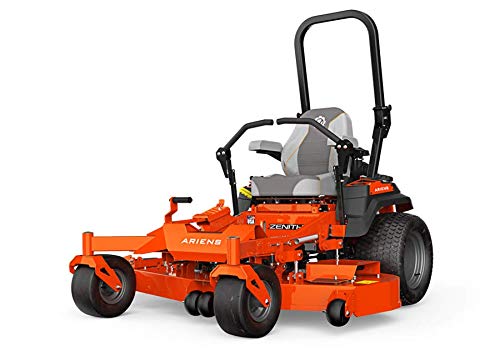

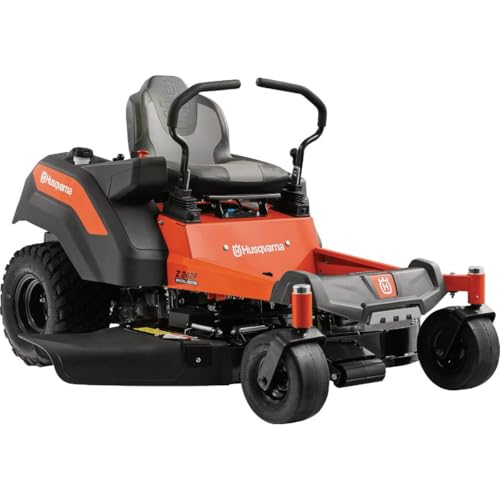

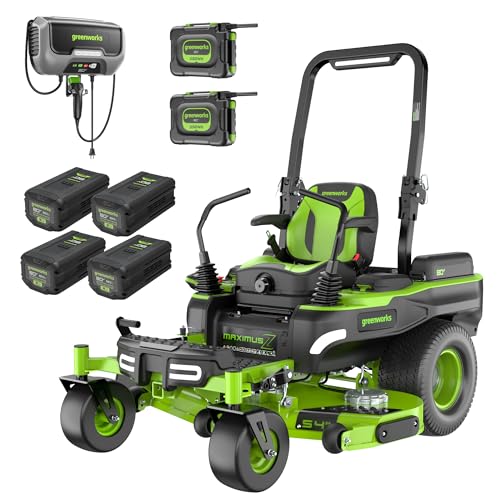


Who Should Buy a Commercial Zero Turn Mower for Sloped Ground
Commercial duty on hills rewards buyers who match the machine to their steepest regular site rather than their average one. Prices run from about $9,000 to $30,000 depending on deck size and drive components. The three groups below cover most buyers, but if your slopes are gentle and your operation small, see our guide to the best zero turn mowers for hilly terrain for simpler machines outside the commercial class.
Landscaping Crews Working Sloped Commercial Sites
You run several properties a day, and a few include pond banks, entrance slopes, or terraced lawns that punish a light mower. You need serviceable drive transmissions, a frame that shrugs off trailer loading and daily vibration, and fuel capacity for a full route. Because different operators climb onto the seat each week, controls must behave predictably and safety gear must stay in place. Dealer parts support near your route matters as much as any spec, since a mower waiting on parts earns nothing.
Property Managers With Embankments and Pond Banks
You keep one site or a small group of sites tidy with an in house team, and the same banks and berms come up on every visit. Measure your steepest bank once, write the number down, and buy a mower rated comfortably beyond it. Predictable ground lets you standardize training, storage, and service around one machine. Grounds around offices and schools also reward tidy results, so clean discharge and neat striping count too.
Large Acreage Owners With Rolling Ground
You mow five acres or more of your own land, and the rolling sections slow a smaller mower to a crawl. A deck of 60 inches or wider cuts your passes sharply, and a suspension seat keeps long sessions tolerable. Ground that is rutted and uneven asks different things of a mower than a smooth slope, so if your acreage is both rough and steep, read our guide to the best zero turn mowers for rough terrain before you decide.
Key Features to Compare on Sloped Commercial Sites
Start with stability and drive control, then look at the deck and the engine. The sections below show what separates the best commercial zero turn mowers for hilly terrain from flat ground fleet machines. Buyers who mainly need fleet advice for level properties can read our guide to the best zero turn mowers for commercial use, and our overview of the best commercial zero turn lawn mowers covers the wider commercial category.
Slope Rating, Weight, and Center of Gravity
Every maker publishes a maximum slope for its machines, and many commercial zero turn models are rated at about 15 degrees or less. Treat that figure as a ceiling for dry grass in good condition, never as a target for daily work. Stability comes from a wide rear track, a low mounted engine and fuel tank, and a heavy frame carried close to the ground. A tall seat works against you because your own weight sits high, so check the full stance rather than trusting a single brochure number.
Rear Tires and Drive Transmissions
On a zero turn mower, the rear wheels provide both drive and steering while the front casters simply roll along. That makes rear tire tread the heart of slope control. Bar style tread bites on banks but can tear soft turf, while smoother turf tread is gentler and grips less, so match the pattern to your ground. Look for dual hydrostatic transmissions, one driving each rear wheel, in serviceable designs with external filters. Stronger units hold climbing power on long grades and resist fade when the fluid runs hot.
Rollover Protection and Operator Safety
A roll bar and a seat belt protect you only when you use both together, with the bar raised and the belt fastened. Folding the bar down for one low branch and leaving it down all week is a common and dangerous habit, so plan routes that respect branch clearance. Train every operator to stop work when a rear wheel starts to slip sideways, since a slide on a wet bank can become a rollover in seconds.
Engine Power and Fuel or Battery Supply
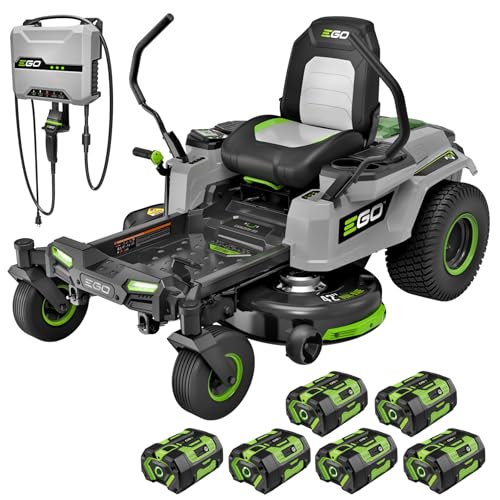
Climbing while cutting loads an engine far harder than cruising on the flat, so judge power by torque and displacement rather than headline horsepower. Commercial twin cylinder engines hold blade speed in thick grass on a grade, which keeps cut quality even. Check fuel capacity against your longest route so the mower finishes without a refill stop. Battery models answer with instant torque, but battery runtime shrinks on sustained climbs, so plan spare packs into the route.
Fabricated Deck, Cutting Height, and Daily Output
A fabricated cutting deck welded from thick plate steel survives the bumps, roots, and curb strikes of commercial work better than a thin stamped shell. Deck widths run from about 48 to 72 inches, and the widest decks scalp the crests of rolling ground, so match width to how smooth your slopes are. A wide cutting height range with quick adjustment helps crews switch sites fast. Think twice about rear bagging collectors for bank work, since a full collector adds weight high and rearward where it hurts stability, while side discharge keeps the load low.
Commercial Zero Turn Formats Worth Comparing
Not every zero turn steers the same way, and the control format changes how the mower behaves on a grade.
Lap Bar Models
The classic layout uses two levers, one for each drive wheel, giving precise control once the movements become habit. Small inputs matter on slopes, where a sudden push can break traction loose. Experienced operators love the fine control around trees and beds. New operators need supervised practice on flat ground first, because that same sensitivity can unsettle a beginner on a bank.
Steering Wheel Models
A steering wheel layout actually steers the front wheels, which helps the mower hold a straight line across a slope instead of drifting downhill. Drivers who learned on riding lawn mowers and tractors adapt fastest, a real advantage for crews with seasonal help. The trade off is slightly slower turning in tight corners. For sites with long open banks and frequent new operators, that trade often favors the wheel.
Stand On Models
You ride on a rear platform rather than a seat, which lets you shift your body weight as the ground changes and step off quickly when a spot looks unsafe. The compact frame loads onto trailers easily and turns tightly. Your weight sits lower than on a tall seat, which helps stability. The cost is comfort on long days, since standing over acre after acre tires legs and backs faster than sitting.
Common Mistakes to Avoid
Most slope accidents trace back to a short list of avoidable errors.
- Buying by deck size alone, so the mower ends up too wide and heavy for its banks and scalps crests while sliding on side slopes.
- Mowing ground steeper than the rating in the manual, which can turn a small rear wheel slide into a rollover.
- Running drive tires at uneven pressure, so one wheel grips less and the mower pulls toward the downhill side.
- Folding the roll bar down for low branches and leaving it down, so the bar and belt cannot protect the operator in a roll.
- Fitting a loaded rear collector for bank work, which lifts weight high and rearward and makes the mower less stable on grades.
- Skipping slope training for new operators, so they turn across steep faces and lose drive traction mid turn.
Care and Maintenance for Hill Working Mowers
Slope work stresses tires, transmissions, and safety hardware harder than flat mowing does.
- Check drive tire pressure and tread wear weekly, and replace tires in matched pairs so both wheels grip evenly.
- Inspect roll bar mounts and seat belt webbing monthly, and replace any belt that shows fraying or a weak latch.
- Service the hydrostatic transmissions on the maker schedule, since long climbs heat the fluid and shorten its life.
- Feel for spindle play and check blade balance at every blade change, because a wobbling deck cuts poorly on cross slopes.
- Blow grass and dust from engine cooling fins and screens often, since engines run hot while climbing under load.
- Grease caster bearings and check deck belt tension monthly, so the front end tracks straight instead of wandering downhill.
Commercial Zero Turn Mowers for Hilly Terrain: Your Questions Answered
What slope can a commercial zero turn mower handle safely?
Most commercial zero turn mowers carry a maker rating of about 15 degrees or less, and that is the limit you should plan around. Before buying, measure your steepest bank with a phone inclinometer app or a slope gauge, because eyeball estimates run low. Dew, fresh rain, and loose soil all lower the safe working angle, so leave margin. For the steepest narrow strip on a site, a walk behind mower or a string trimmer is often the sensible tool.
How long does a commercial zero turn mower last in fleet service?
A well maintained commercial zero turn mower commonly works past 2,000 engine hours, with the drive transmissions usually deciding the real lifespan. Keep dated service records tied to the hour meter, because documented care also lifts resale value when you rotate fleet machines. Abuse, skipped fluid changes, and operators who slam the levers can cut that life in half.
How often should commercial zero turn mower blades be sharpened?
Commercial crews typically sharpen or swap blades every 20 to 25 working hours, and sooner after any strike on rock or metal. Keep two sharp spare sets for each mower so a swap takes minutes in the field and the dull set goes to the bench later. Dull blades tear grass tips brown and force the engine to work harder on climbs.
Are battery powered commercial zero turn mowers strong enough for hills?
Yes, battery powered commercial zero turn mowers deliver strong low speed torque that suits climbing, and they run quietly enough for early work near offices. The real limit is energy rather than power, because sustained climbs drain packs faster than flat mowing. Plan on one charged spare pack per mower for a full route, and store packs indoors away from winter cold.
Is a commercial zero turn mower worth it for one sloped acre?
For one sloped acre mowed weekly, a compact commercial zero turn mower can still pay for itself in saved labor over a few seasons. Self propelled mowers walk that same acre slowly, and walking slopes is tiring work that pushes many owners toward riding equipment. A 48 inch commercial model balances speed with the control a smaller property needs. If only a narrow strip is steep, pairing a midsize mower with careful trimming there may beat the largest machine.
Final Thoughts
Slope work rewards buyers who put stability first. Match the maker slope rating to your steepest bank, demand serviceable dual transmissions and tread that grips, and keep the roll bar up with the belt fastened on every pass. Use the product table above to compare stance, deck size, and drive specs before you visit a dealer. Chosen that way, the best commercial zero turn mowers for hilly terrain give your crew fast, tidy cuts on ground that would defeat a lesser machine.
