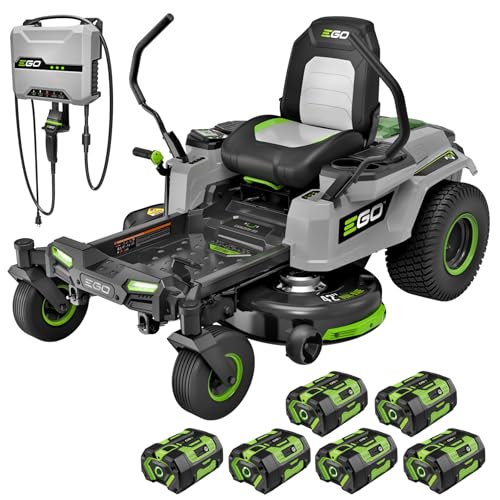
Best and Worst Walk Behind Mowers in 2026: How to Pick the Right One for Every Need
Disclosure: We may earn a commission when you buy through links on this page, at no extra cost to you. As an Amazon Associate I earn from qualifying purchases. Learn more

Learn what separates the best and worst walk behind mowers, from power and deck size to bagging and drive, and match a mower to your yard size and routine.
There is no single mower that suits every yard, and that is the whole point of comparing the best and worst walk behind mowers by use case instead of by a simple ranking. A mower that feels perfect on a flat quarter acre can feel slow and heavy on a sloped half acre of thick grass. Use the comparison table below to match each type to your weekly work.
Start with three facts about your lawn: its size, how flat or sloped it is, and how you handle clippings. Those answers narrow the field faster than brand or price, and the sections below turn them into clear choices on power, deck size and drive.


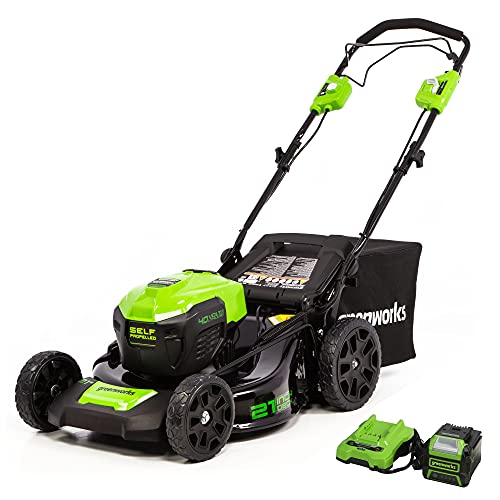

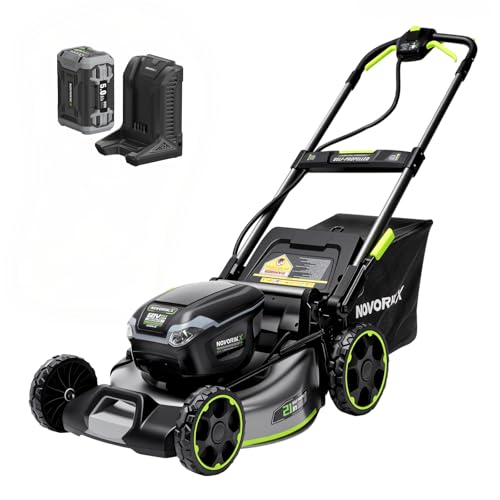


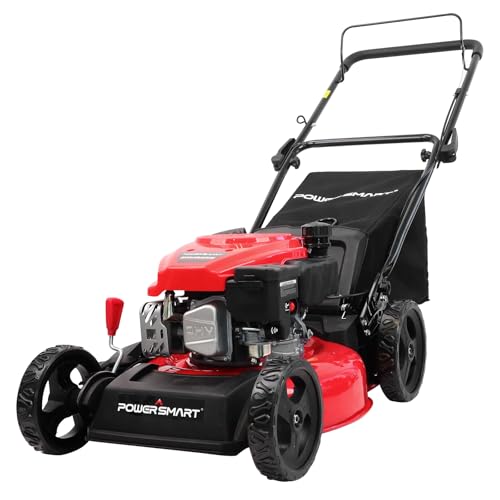
Who Should Buy Which Walk Behind Mower, and Which Types to Avoid
The best choice depends on how often you mow and where the mower will live between cuts.
Frequent and Serious Users Who Mow Large or Thick Lawns
You mow weekly in season and your grass grows thick, so power and durability come first. Choose a gas model or a high voltage battery model with a steel cutting deck and a self propelled drive. Plan to pay more, often about $450 to $800, because stronger parts matter more to you than a low starting price.
Weekend Beginners Who Want Simple, Calm Mowing
You want a mower that starts easily and handles a small to mid size lawn without drama. A battery mower or a basic gas push mower suits you well. Look for simple height levers and a weight you can lift over a step or curb. Models around $250 to $450 usually give you enough durability for home use.
Owners Facing Wet Grass, Rough Ground and Tough Conditions
Your lawn has damp patches, uneven soil or areas of coarse weeds, so traction and build quality decide your result. Choose large rear wheels, a deep deck that clears clippings well and a self propelled drive that pulls through soft ground. Avoid light decks and small wheels that clog or spin in wet grass.
Homeowners With Small Yards and Tight Storage
Your yard is small and your shed space is limited, so a compact mower earns its place. Choose a deck of about 20 to 21 inches and a handle that folds down for storage. A corded electric or small battery model removes fuel storage from your routine. Compact models are also the easiest to turn in narrow side yards.
Key Features to Compare
Power decides what the mower can cut, deck size decides how fast, and drive decides how much work your legs do.
Power Source: Gas, Battery or Corded Electric
Gas gives you long run time and strong power for thick grass, and you refuel in minutes, but it brings noise, exhaust, oil changes and pull starts. Battery models start with a button, run quietly and need little upkeep, yet thick grass drains the battery faster. Corded electric models cost least and never need charging, but the cord limits your range. If quiet mornings matter, see our guide to the best electric walk behind mowers for the main electric options.
Cutting Deck Width and What You Do With Clippings
The cutting deck sets your pass width, most often about 20 to 22 inches for homes. A wider deck cuts a big open lawn in fewer passes, while a narrower deck turns more easily around trees and beds. Decide also how clippings leave the deck. Bagging leaves a clean finish and collects leaves in fall, mulching returns fine clippings to feed the lawn, and side discharge spreads clippings fast when grass is tall.
Cutting Height Adjustment and Range
Most walk behind mowers offer about six to nine height settings, usually from about 1 to 4 inches. A single lever that moves all wheels at once is faster to use than four separate levers, and it keeps the deck level. Taller settings help in summer heat and on rough ground, while lower settings suit short, fine lawns in spring.
Engine Size, Battery Voltage and Run Time
For gas models, engine size is given in cubic centimeters, and larger engines in the common 140 to 190 range handle thick grass with less slowing. For battery models, voltage from 40 to 80 and capacity in amp hours together decide run time. As a rough guide, one standard battery charge covers about a quarter to a third of an acre of average grass, so budget for a second battery if your lawn is larger.
Drive Type, Wheel Size and Slopes
A push mower is light and simple, and it suits a small flat lawn, but you supply all the forward effort. Self propelled mowers drive the wheels for you, and they pay off on slopes, thick grass and larger lots. Large rear wheels, often about 11 inches, roll over bumps more easily than small wheels. Keep walk behind mowing to slopes you can walk safely, and move across the slope rather than up and down it. For rough ground that is more field than lawn, see our guide to the best walk behind brush mowers.
How to Match Deck Size and Power to Your Yard Size
Yard size is where lists of the best and worst walk behind mowers often mislead, because a mower that is worst for one lot can be best for another. For a lawn under a quarter acre, a 20 or 21 inch push or battery mower keeps the job quick and storage easy. For a quarter to a half acre, a 21 or 22 inch self propelled model cuts the walking effort and still fits through a standard gate. Above a half acre, look at wider decks and longer run time, because mowing an acre on foot can take well over an hour.
Shape matters as much as size. Many trees, beds and tight corners can erase the time saved by a wide deck, since you spend the savings on turning and trimming. If you mow several properties as work, see our guide to the best commercial walk behind mowers. For the standard home category, see our guide to the best walk behind mowers.
Common Mistakes to Avoid
- Buying on price alone leaves you with a deck or battery that is too small, so every mow takes longer than it should.
- Ignoring the power source saddles you with fuel upkeep you hate or a battery that fades before the last strip is cut.
- Choosing a mower that is too large for a small, planted yard makes turns clumsy and scalps grass around beds and tree roots.
- Choosing a push mower for a sloped or half acre lawn turns a routine chore into hard exercise and leads to skipped cuts.
- Skipping the warranty terms leaves you paying for drive or deck failures that a longer warranty would have covered.
Care and Maintenance Tips for Walk Behind Mowers
Keep the blade sharp, and plan on sharpening it each season or sooner if you strike stones, because a dull blade tears grass and leaves brown tips. Never cut more than one third of the grass blade in a single pass, since deeper cuts shock the plant and slow its recovery. Clean clippings from the deck underside after mowing and let it dry before storage.
For gas models, check the oil, clean or replace the air filter and use fresh fuel as the manual directs. For battery models, store the batteries indoors in winter and away from damp. Tighten loose handles and wheel bolts during the season.
Walk Behind Mower Questions Answered
How often should you sharpen walk behind mower blades?
Sharpen walk behind mower blades about once each season for most home lawns. Sharpen sooner if the cut tips look torn and pale, if you mow sandy soil, or after striking a stone. A useful check is a single blade of grass after mowing: a clean, even edge means the mower blade is fine, while a ragged edge means it is time.
How long does a walk behind mower usually last?
A walk behind mower usually lasts about eight to ten years with basic care. Dry storage and regular oil or battery care push toward the top of that range, while damp storage shortens it. Small parts such as cables and wheels often wear first, and replacing them is usually cheaper than replacing the whole mower.
Are battery walk behind mowers as good as gas models?
Battery walk behind mowers are as good as gas models for most small and mid size lawns. They cut average grass just as cleanly, start instantly and skip oil, fuel and spark plug tasks. Gas still holds an edge for very thick grass, long sessions and lots above a half acre without a spare battery. Judge by lawn size and grass growth, not by voltage alone.
What size walk behind mower do you need for your yard?
The walk behind mower size you need follows your lot: about 20 to 21 inches for under a quarter acre, and 21 to 22 inches for up to a half acre. Gate width can overrule deck width, so measure the narrowest gate or shed door the mower must pass through. Also check storage depth, because a wide mower can block a small shed.
Is a self propelled mower worth it?
A self propelled walk behind mower is worth it if your lawn is larger than about a quarter acre, has slopes, or grows thick grass. The drive wheels pull the mower forward, so you steer instead of pushing, and mowing stays comfortable. On a small flat yard, a lighter push mower costs less and is easier to lift. Test the speed control if you can, because a mower that runs faster than your walking pace is tiring to follow.
Our Verdict
Judge every mower by three things: power that fits your grass, a deck size that fits your lot and gates, and a drive that fits your strength and slopes. Use the product table above to check deck width, power type and price against your group.
Compared with that standard, the best and worst walk behind mowers are easy to tell apart: the best ones match your yard so well that mowing feels routine, and the worst ones fight you on size, power or upkeep every week. Choose the match, not the headline.