
Best Commercial Walk Behind Lawn Mowers by Budget for 2026
Disclosure: We may earn a commission when you buy through links on this page, at no extra cost to you. As an Amazon Associate I earn from qualifying purchases. Learn more

Crews: compare the best commercial walk behind lawn mowers by budget tier, deck width, drive type and blade safety before you buy.
Commercial walk behind prices run from a few hundred dollars to several thousand, and the gap is not about paint. It buys deck steel, engine duty, and parts support that keep a crew moving. This guide sorts the best commercial walk behind lawn mowers by budget first, so you can see what each tier really delivers before you spend.
Walk behind units earn their keep on small lots, gated yards, and trim work around larger properties. Match the mower to the route your crew actually walks each week, and the right tier usually picks itself.
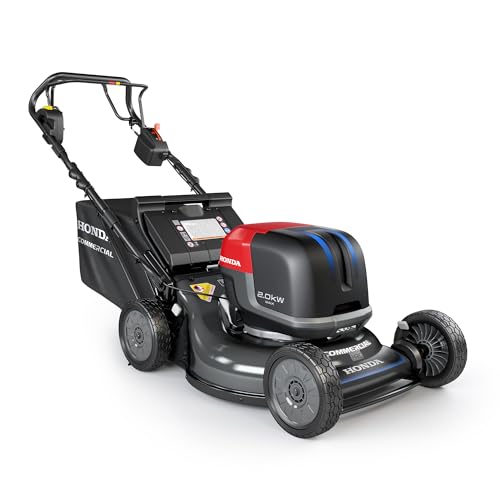
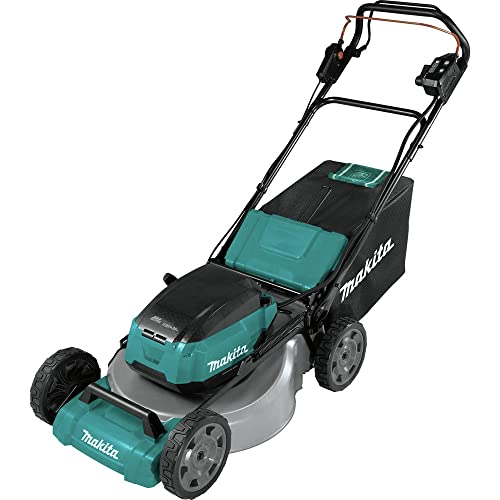
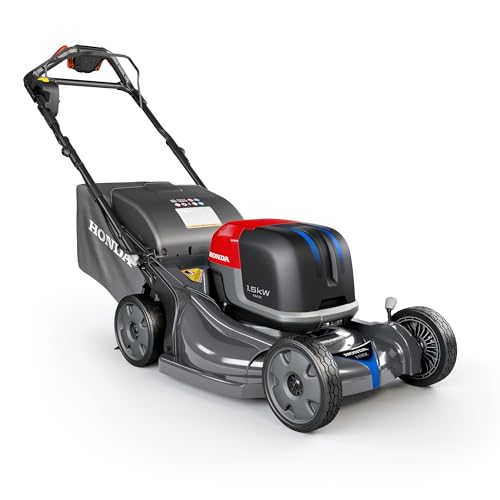

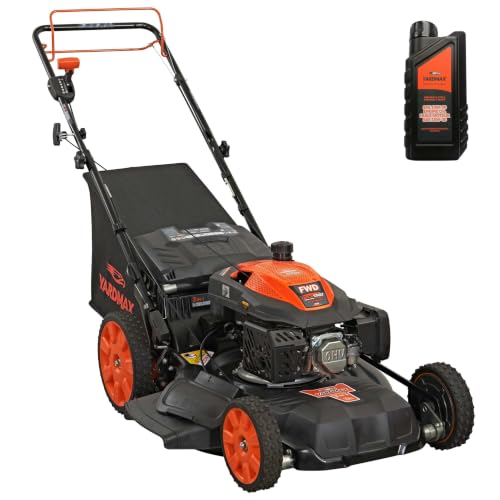

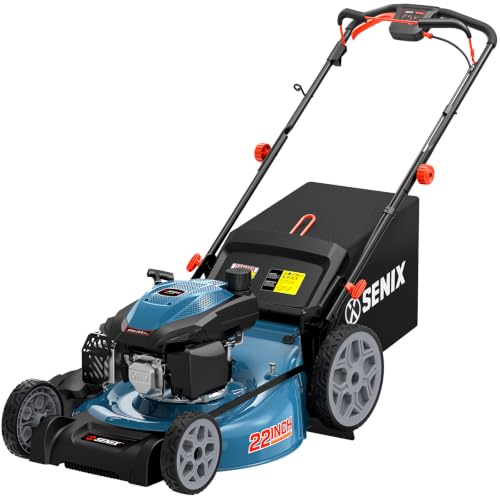


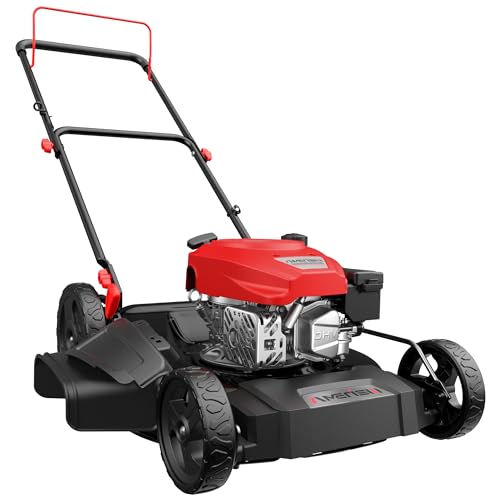
What Your Money Gets You at Each Price Tier
The tiers below use typical street prices for commercial grade walk behind models. The product table above shows the current spread, and the sections after the tiers explain which features deserve your money.
Entry Tier: Small Crews and Tight Budgets
For about $500 to $800, expect a 21 inch steel deck, a dependable gas engine, and push drive or a simple single speed self propelled system. These units suit new crews cutting small residential lots, where a basic best walk behind push lawn mowers setup still covers the route. Parts are cheap and widely stocked, though decks and wheels wear sooner than on higher tiers.
Middle Tier: The Daily Route Workhorse
For about $800 to $1,400, most working crews find their mower. Decks get thicker, engines move up in torque, and variable speed self propelled drive becomes standard, which saves legs across a full route. Blade brake clutches appear here, letting the operator step away to move a branch without killing the engine. If you mow five days a week, this tier returns its price in uptime.
Premium Tier: Wide Decks for Long Days
For about $1,400 to $3,500, premium money buys width and stamina: decks of about 28 to 33 inches, stronger transmissions, and larger fuel tanks for fewer stops. Wide area models overlap with best commercial walk behind mowers built for estates and sports fields. The jump only pays when your route has the open ground to use the width, because a wide deck is clumsy in tight gated yards.
Before You Buy the Best Commercial Walk Behind Lawn Mowers: Three Route Checks
The best commercial walk behind lawn mowers for a crew are the ones that fit its route, so run these checks before you compare prices.
- Measure every gate on the route, because the narrowest gate, not the average lawn, sets your maximum deck width.
- Weigh the trailer routine, since a unit loaded and unloaded thirty times a day needs strong handles and a frame that tolerates ramps.
- Walk one full route behind a borrowed unit if you can, and note hand fatigue, because drive controls differ more in feel than spec sheets suggest.
Features Worth Paying For (and Ones to Skip)
Spend on steel, drive, and safety. Skip lighted dashboards, cup holders, and decorative covers, which add cost and weight without cutting one extra lawn.
Blade Safety Comes First
Blade work is where commercial mowing gets dangerous, so learn the order and never rush it. Before any blade is touched, the engine must be off, the key removed where one is fitted, and the spark plug wire disconnected so the engine cannot turn over. Wait until the blade stops fully, wear gloves, and tip the mower only in the direction the maker allows so oil and fuel stay where they belong.
Deck Width and Deck Build
Deck width decides how many passes a lawn takes, and passes decide crew hours. A 21 inch deck threads gates and tight beds, while a deck near 30 inches can cut route time sharply on open ground, so compare your gate widths before you compare engines. Our guide to best walk behind lawn mowers walks through deck sizes in more depth. For build, pressed steel suits lighter duty, while thicker fabricated steel shrugs off curbs and trailer ramps.
Slopes and Drive Type
Walk behind mowers stay the safer choice on banks where riders should not go, but respect the limit: most makers rate walk behind use on slopes up to about 15 degrees. Self propelled drive earns its cost on those grades, pulling the unit uphill at a steady pace. Compare options in our guide to best walk behind self propelled lawn mowers. Rear wheel drive grips best on slopes, while front wheel drive turns more easily on flat lawns.
Power Source: Gas, Battery, or Corded Electric
Gas still leads commercial routes for runtime and quick refueling, and every parts shop stocks its filters and plugs. Battery units cut noise and remove fuel runs, which suits early morning work near homes, but a full route needs several large packs and a charging plan. Corded electric fits tiny plots only, since the cord limits range and slows a crew down.
Mulch, Bag, and Side Discharge Options
Most commercial walk behinds offer all three discharge paths in one deck. Mulching suits weekly lawns with modest growth, bagging keeps premium properties tidy, and side discharge handles tall, wet grass that would clog a mulching setup. Crews that switch modes daily should check how fast the changeover is, because a slow swap done ten times a day eats real money.
Long Term Costs to Factor In
Budget past the purchase price. Blades run about $20 to $40 each and busy crews may swap them weekly in season, while oil, filters, and spark plugs add a small yearly sum per unit. Drive belts and cables wear on self propelled models, and battery fleets face pack replacement after a few seasons. A maker with stocked parts and a solid commercial warranty lowers the true cost more than a small discount at the register does.
Frequently Asked Questions
What deck size do commercial walk behind mowers need for small yards?
A 21 inch deck is the standard answer for small yards because it fits through most gates, which are often about 32 to 36 inches wide. It also turns inside tight beds without scalping the edges. The point many buyers miss is weight. A lighter 21 inch unit loads on and off a trailer dozens of times a day, and that handling matters as much as cut width on a route with many stops.
How often should commercial mower blades be sharpened?
Working crews often sharpen or swap blades every one to two days of heavy cutting, because a dull blade tears grass and leaves brown tips that invite disease. A sharp blade also lowers engine load and fuel use. Keep a rotation of spare blades so sharpening happens at the shop bench, not beside the truck, and always follow the engine off, spark disconnected rule before any swap.
Is a zero turn mower worth it for one acre?
For one open acre, a zero turn can cut mowing time roughly in half compared with a walk behind, so it often pays for commercial crews. The trade offs are price, trailer space, and slope limits, since zero turns handle banks poorly. Many crews keep both types: the zero turn for open ground and the walk behind for gates, edges, and slopes. Judge by your route mix rather than by the single biggest lawn.
Are commercial battery walk behind mowers as strong as gas models?
Cutting power in normal grass is now close, and battery decks handle weekly growth without complaint. The real gap is endurance: a gas tank refills in a minute, while packs need hours to charge, so route planning changes. Battery units win on noise, low upkeep, and no fuel storage. For all day commercial routes, most crews still run gas or carry several charged packs.
How long does a commercial walk behind lawn mower last?
A well kept commercial unit often works about 1,500 to 2,500 engine hours, which can mean many seasons for a small crew. Engine hours, not calendar age, drive the wear, so an hour meter is a smart and cheap addition. Decks usually fail first from rust and strikes, so rinsing clippings off after wet days extends life more than any additive. Retire the unit when frame cracks or deck holes appear.
Wrapping Up
Start with your budget tier, then let deck width and drive type settle the choice inside it. Keep blade safety non negotiable, price the parts before the mower, and the best commercial walk behind lawn mowers for your crew will stand out quickly. Check the product table above for the current models in each tier before you order.

