
Best Commercial Self Propelled Lawn Mowers: Matching the Right Mower to Your Routine in 2026
Disclosure: We may earn a commission when you buy through links on this page, at no extra cost to you. As an Amazon Associate I earn from qualifying purchases. Learn more

The best commercial self propelled lawn mowers match your deck width, drive and fuel to your route. See buying checks for crews, hills, gates and daily routes.
No single mower suits every crew, because commercial mowing is a routine: the same gates, slopes and turf, repeated for hours a day and days a week. The best commercial self propelled lawn mowers are the ones whose deck width, drive type and fuel capacity match that routine, not the ones with the longest feature list.
This guide sorts the choices by the work you repeat, then covers the specs that decide whether a mower earns its place on the trailer. The product table above lines up the commercial models side by side.
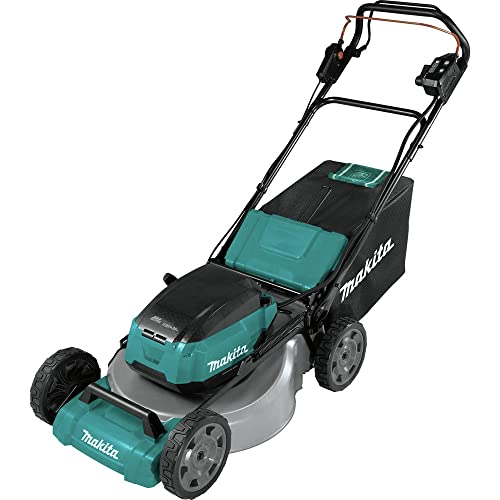


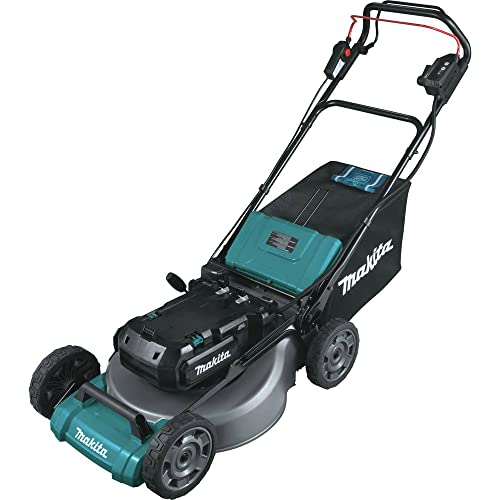
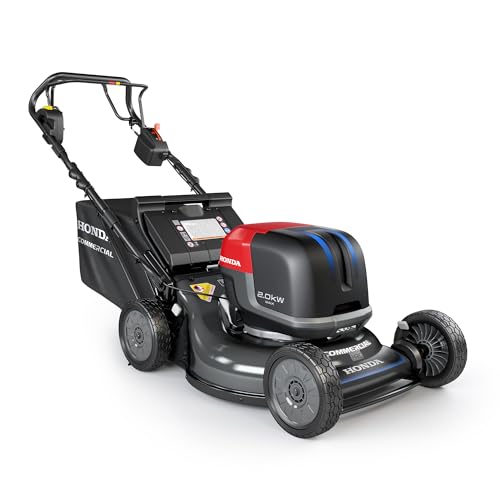
Who Should Buy Which Commercial Self Propelled Mower?
The best commercial self propelled lawn mowers are a small, professional class, mostly sold through dealers. Start from your route, not from a catalog. Your lawns fall mainly into one of the patterns below.
For Frequent or Serious Users
A commercial class is a daily hours class, so read the deck, the drive and the wheels for hours of use rather than for weekend duty. Steel decks, sealed wheel bearings and a blade brake clutch that lets the engine run while you empty the bag all pay for themselves across a season. The routine is the product here: a mower that fits your pace and your trailer saves a few minutes at every stop, and those minutes are the real spec. Look for a fuel tank of about a gallon or more and a warranty written for commercial work.
For Bad Weather and Tough Conditions
Wet grass and rough ground punish light machines. A steel deck resists the knocks that crack lighter shells, deep tread drives grip on damp slopes, and sealed bearings keep water and grit out of the wheels. Plan to scrape the deck more often in wet weeks, since packed clippings change the cut and strain the drive, and dry the machine before it goes back on the trailer.
For Small Spaces and Easy Storage
Tight gates and small lawns reward the standard 21 inch deck, which turns in its own length and passes a typical garden gate. A folding handle shortens the mower for a crowded trailer or garage wall, and a lighter build loads and unloads without a second pair of hands. Skip the wide area models here: width you cannot use is weight you still carry.
Picking the Right Mower for Different Uses
Some routes add one demand that changes the whole spec sheet.
Best Commercial Self Propelled Lawn Mowers for Hills
Slopes are decided by the drive class. Rear wheel drive and all wheel drive keep their grip when the deck points uphill, while front wheel drive tends to lift and spin as the bag fills. Choose a variable speed drive you can match to your walking pace, since a mower that pulls too hard on a slope tires the operator and scalps the crest. For background on smaller yards, our guide to the best self propelled lawn mowers for hills covers homeowner models and slope limits.
Key Features to Compare
With the user pattern set, compare these five factors in order.
Yard Size and Cutting Width
Deck width sets your pass count, and pass count sets your day. A 21 inch deck suits most commercial walk behind work and fits gates and truck beds, while wide area models of about 30 inches cut open ground far faster and struggle in tight yards. As a rule, self propelled walk behinds earn their keep up to about an acre of broken up lawns; beyond that, one large open property may justify a rider instead.
Noise, Storage, and Maintenance
Gas mowers are loud enough that many crews wear hearing protection, and some neighborhoods limit mowing hours, so check local rules where you work. Gas engines ask for oil, filters and fresh fuel habits, while battery fleets trade that work for charging routines and pack care. Store any mower dry and out of the weather, and fold handles only if the cables fold without kinking.
Power Source: Gas, Battery, or Corded Electric
Gas remains the commercial standard for runtime and refill speed, and our guide to the best gas self propelled lawn mowers compares the engine classes crews actually run. Battery models have earned a place on small, quiet routes: guides to the best self propelled electric lawn mowers and the best cordless self propelled lawn mowers cover the pack sizes and runtimes that decide whether a route finishes on one charge. Corded electric mowers suit a single small lawn near an outlet and rarely make sense for paid work.
Cutting Height Adjustment
Grass types and seasons ask for different heights, roughly 1 to 4 inches across the class. A single lever that moves all four wheels saves time at every lawn, while per wheel levers cost less and flex more over years of use. Whatever the system, change height with the engine off, and never reach under the deck to free a stuck adjuster.
Mulch, Bag, and Side Discharge Options
Most commercial decks switch among three modes. Bagging keeps formal lawns clean and adds trips to the truck, side discharge moves fastest through tall growth, and mulching returns clippings to the turf when you cut often enough to keep them short. Our guide to the best self propelled mulching lawn mowers explains blade and deck shapes that mulch well. A true 3 in 1 deck does all three without tools, which matters when one route mixes all three jobs.
Common Mistakes to Avoid
Most bad purchases repeat the same few errors.
- Buying on price alone: a cheap mower that misses route days costs more than the step up would have.
- Ignoring gate width: a deck that cannot pass the gate turns a ten minute lawn into a trim and carry job.
- Trusting a homeowner warranty: many warranties shrink or vanish in commercial use, so read the commercial terms before you buy.
- Matching drive to the wrong ground: front wheel drive on steep routes spins, slips and wears tires fast.
- Skipping the parts question: blades, belts and cables must be stocked locally or the mower waits while grass grows.
Tips to Get the Most From Your Mower
- Stop the engine and wait for the blade to stop fully before any hand goes near the deck, and service the mower with the drive off and, on gas models, the spark plug lead removed.
- Keep blades sharp: a keen edge cuts clean, while a dull edge tears tips and invites disease.
- Never cut more than one third of the grass blade at once; raise the deck and make a second pass on overgrown lawns.
- Store batteries indoors in winter and keep them partly charged rather than flat or full.
- Scrape the deck after wet work so packed grass does not rot the steel or sour the next cut.
Commercial Self Propelled Lawn Mowers: Your Questions Answered
How long does a commercial self propelled lawn mower last?
Judge life in hours, not years. A commercial walk behind that is serviced on schedule commonly delivers about 1,000 hours or more of work, which can mean several seasons for a small crew. An hour meter, fitted to many commercial models, tells you where a used machine really stands. Decks and drive cables usually wear out before engines do.
What size mower do I need for my yard?
For most mixed routes, a 21 inch deck is the right default: it passes gates, turns tightly and still covers ground at a walking pace. Step up to about 30 inches only when your lawns are open and gate free. Measure your narrowest gate before you shop, because that single number can rule out a wider deck no matter how good its price looks.
Is a zero turn worth it for one acre?
It can be, on one open and fairly flat acre, where a zero turn rider roughly halves mowing time against a walk behind. The trade is money and space: riders cost several times more, need trailer room and service, and handle tight or sloped corners worse. If your acre is split into small fenced lawns, the walk behind still wins the day.
Are battery mowers as good as gas?
For small and medium routes, yes, provided you carry enough packs to finish the day and a charger plan for the night. Gas still wins on long rural routes, where refilling takes a minute and outlets are rare. Compare cost per route, not cost per mower: packs, chargers and electricity against fuel, oil and engine service across a season.
How often should I sharpen mower blades?
Commercial crews sharpen about every 20 to 25 hours of mowing, and sooner after striking stones or thick hidden debris. Watch the grass for the real signal: torn, pale tips that brown within a day or two mean the edge is gone. Keep a second sharp blade set on the trailer so a swap takes minutes instead of ending the route.
The Bottom Line
Buy for the route you repeat: deck width that fits your gates, a drive that suits your slopes, and a power source your day can feed. Check the commercial warranty terms, keep blades sharp and serviced, and let the routine, not the feature list, make the final call. Chosen that way, the best commercial self propelled lawn mowers are simply the ones still earning money at the end of the season. Compare your finalists in the product table above before you order.


