Best Commercial Ranges for Home: Fuel, Burner Power and Ventilation for 2026
Disclosure: We may earn a commission when you buy through links on this page, at no extra cost to you. As an Amazon Associate I earn from qualifying purchases. Learn more

The best commercial ranges for home bring strong burners into a house safely. Compare fuel, burner power, oven size and ventilation before you spend.
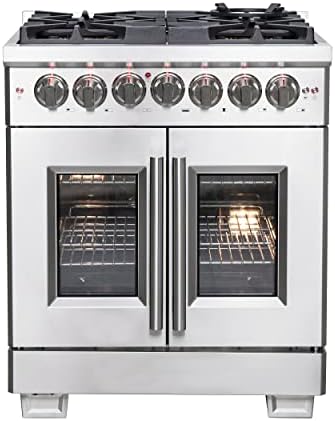
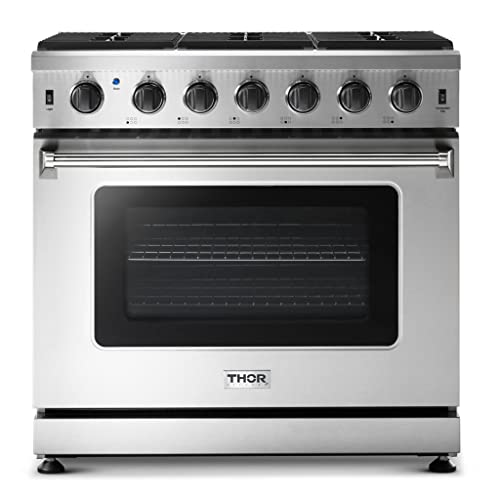
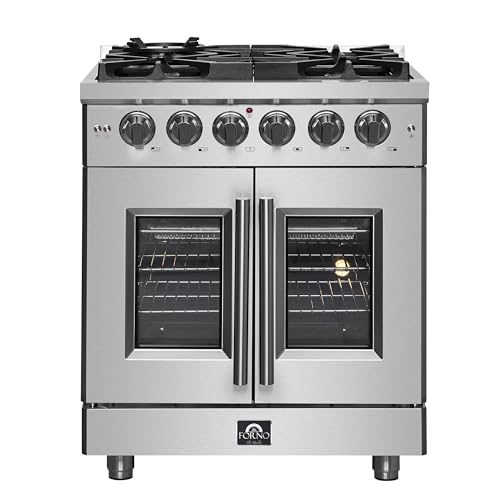
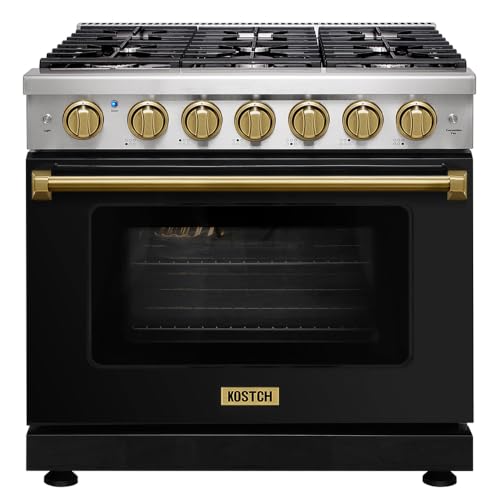
There is no single range that suits every home kitchen, because burner output, oven size and ventilation needs vary so widely. The best commercial ranges for home bring strong burners and solid construction into a unit built and certified for a house, and the comparison table below shows how the main options differ.
Start with how you actually cook, not with the widest unit or the highest output figure. A household that roasts and bakes weekly needs oven space and even heat, while a household that sears nightly needs burner power and a hood that clears smoke. Match each pattern to width, fuel and installation needs before you spend.




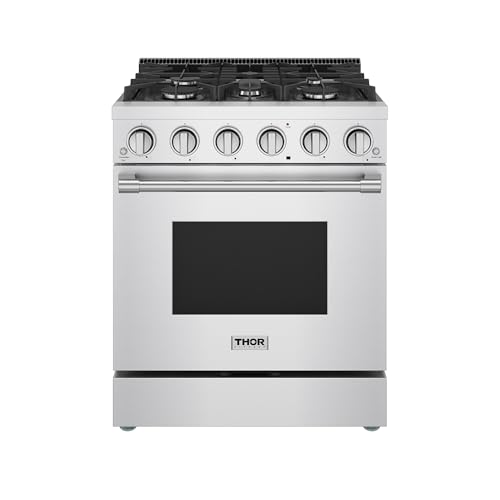

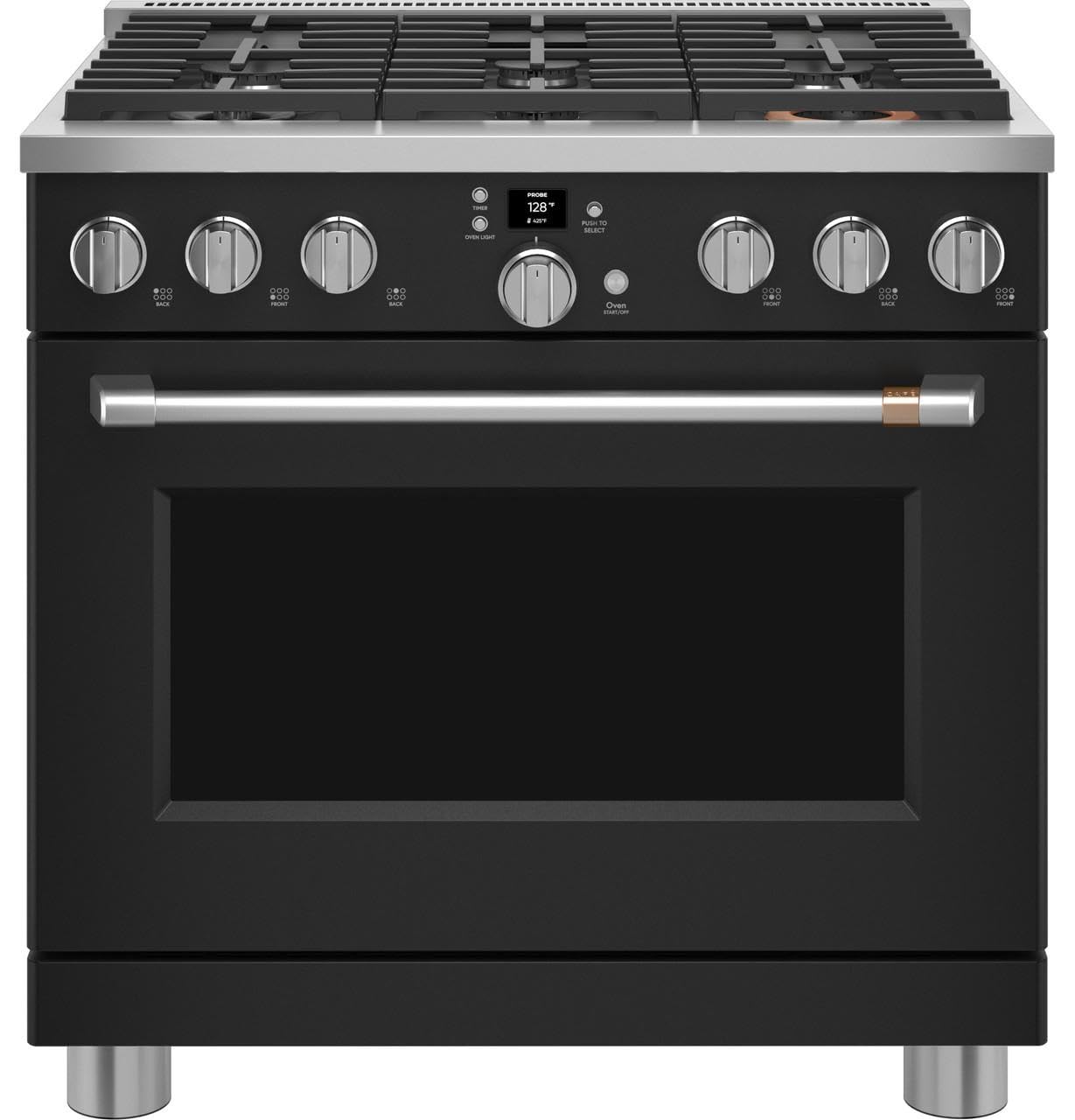
Who Should Buy Which Commercial Ranges for Home Kitchens?
Pick by the meals you repeat most often and by the room the range must live in. A serious cook and a small apartment family rarely need the same model.
Small Kitchens and Apartments That Need a Compact Fit
Choose a 30 inch freestanding or slide in model with four burners and one oven, and measure depth and door swing as carefully as width. Oven capacity and a true low simmer matter more in a tight room than a sixth burner you cannot reach around. Induction suits apartments with no gas line and keeps the room cooler in summer.
Busy Families Cooking Every Day at Home
Choose a wide oven, sealed burners and sturdy grates that tolerate heavy pots and fast weeknight cooking. Convection helps when two trays bake at once, and surfaces that wipe clean save time after meals. If daily cooking matters more than pro level output, see our guide to the best home gas ranges for simpler models that need less ventilation.
Occasional Users Watching the Total Budget
Choose a basic 30 inch gas or induction model and skip the griddle, the second oven and connected apps. Your real budget includes delivery, installation and ventilation, so a modest range with a proper hood beats a wide range with nothing left for venting. Expect to pay about $2,500 to $5,000 for the range itself, and keep a reserve for hookup costs.
Serious Home Cooks Who Want Precise Control
Choose dual fuel if you sear often and bake delicate items, because gas burners respond at once while an electric oven holds steady heat. Look for a true low simmer, continuous grates and room for your largest roasting pan. If gas is your priority, see our guide to the best commercial gas ranges for home use for burner focused models.
Key Features to Compare
The best commercial ranges for home balance power with the limits of a house, so compare each feature against your hookups, cabinets and habits.
Size, Burner Count and Layout for Home Counters
Home models are usually 30, 36 or 48 inches wide, with four to six burners, and some wide models trade two burners for a built in griddle. A 30 inch oven holds about 4 to 6 cubic feet, while wider models may add a small second oven. Measure the cutout, counter depth and nearby door swing. Choose by the pans you use together, because crowded burners slow cooking.
Fuel Type: Gas, Electric, Induction, or Dual Fuel
Gas gives instant visual control and works with nearly every pan, but it adds heat and moisture and needs a gas line. Dual fuel pairs gas burners with an electric oven at a higher price, with both hookups required. Induction boils fast, keeps the surface cooler and needs magnetic cookware plus a strong circuit. Plain electric costs less but responds slowly when you lower the heat.
Burner Power, Simmer Burners and Grate Design
Power burners on home models commonly reach about 18,000 to 23,000 BTU, which sears well and boils large pots faster. A dedicated simmer burner should hold a gentle low setting so sauces and rice do not scorch. Continuous grates let you slide a heavy pot between burners without lifting it. Sealed burners keep spills out of the burner box, while open burners demand more cleaning.
Oven Capacity, Convection and Broiling at Home
Convection uses a fan to move hot air, which evens out hot spots when you bake on two racks or roast a large meal. Check usable width between rack supports and confirm your largest pan fits with the door closed. A strong broiler matters for gratins and indoor steak finishing. For a second full oven, see our guide to the best commercial ovens for home.
Self Cleaning and Steam Clean Options
Many pro style home ranges skip true self cleaning, because very high cleaning heat is hard to combine with heavy insulation and tight clearances, so check before you assume it is included. A pyrolytic cycle burns soil to ash over several hours and creates strong odors, so ventilate well. Steam clean loosens light soil in a shorter, cooler cycle, but it will not remove baked on grease.
Controls and Smart Features Worth Paying For
Large metal knobs give precise control on gas and dual fuel models, and they keep working when your hands are wet or oily. Touch controls suit induction tops and wipe clean fast, but they can frustrate wet fingers. WiFi alerts help if you often leave the kitchen, yet they add cost. An air fry mode is simply strong convection, so do not pay extra for the label.
Ventilation, Clearances and Installation in a Home
A true restaurant range is a different product from a commercial style range built for a house. Restaurant units often lack insulation, need wide clearances, and may use standing pilots that burn gas all day. Many codes and insurers bar them from residences, so compare any unit you admire with our guide to the best commercial ranges for restaurants, then choose a certified home model.
A gas model needs a correctly sized line, an accessible shutoff valve and often a conversion kit for liquid propane. Dual fuel, electric and induction models need a 240 volt circuit, commonly 40 to 50 amps, set in the recess at the back.
High output burners can overwhelm a small microwave hood, and many homes need about 600 CFM or more with duct size matched to total output. Many codes require makeup air past about 400 CFM, because a strong hood can pull air down a chimney flue. If you smell gas, hear hissing, or see soot and lazy yellow flames, stop using the range and call your gas utility or a licensed professional at once.
Common Mistakes to Avoid When Buying Commercial Ranges
- Buying a true restaurant range for a house can fail inspection and demand clearances your cabinets cannot meet.
- Ignoring ventilation leaves smoke and grease in the room every time you sear or fry.
- Choosing a width before measuring doorways can leave a delivered range stuck outside the kitchen.
- Judging a range only by its highest BTU figure can leave you with weak simmer control for sauces.
- Skipping a check of gas line size and circuit rating can add costly upgrade work later.
Setup and Care Tips for a Commercial Range at Home
After installation, level the range so pans sit flat, then seat each burner cap squarely in its base, because a tilted cap makes the flame uneven. Use flat based cookware sized to the burner or induction zone. Test each burner and the oven on the first day.
Wipe a glass cooktop only after it cools, and clean grates and burner caps monthly so food does not harden around the igniters. Wash hood filters on the schedule in your manual, because a clogged filter spreads grease through the kitchen. Wipe stainless steel along the grain, and keep the area under grates crumb free.
Commercial Ranges: Your Questions Answered
What size commercial range does a home kitchen need?
Most home kitchens need a 30 or 36 inch range, and 48 inches suits only a large room with strong ventilation. Tape the full footprint on your floor, including the open door, and walk around it with a large pot in hand. That walk around reveals tight corners a tape measure across the cutout will miss.
Is induction better than gas for a commercial style range at home?
Neither fuel is better for every cook, because induction wins on speed and cleanup while gas wins on visual control and pan choice. Test your pans with a magnet, since a base that holds one firmly will work on induction. Induction also keeps the kitchen cooler during summer cooking in homes without strong air conditioning.
Do I need a special outlet for an electric commercial range at home?
Yes, an electric or dual fuel commercial range at home needs a dedicated 240 volt outlet on its own circuit. Older homes may have a three prong outlet where codes now expect four prongs, and the cord is often sold separately. Ask an electrician to confirm type and position before delivery to avoid a delay.
How long does a commercial range for home use usually last?
A commercial range built for home use usually lasts about 15 to 20 years with normal care and upkeep. Serviceable parts mean an igniter, thermostat or fan motor can often be replaced alone. Check local service coverage before you buy, because no nearby technician can turn a small repair into a long wait.
Is convection worth paying extra for on a home commercial range?
Yes, convection is worth paying for if you bake on two racks or roast large meals often. Lower the temperature by about 25 degrees Fahrenheit compared with a standard recipe and check doneness early, because moving air cooks faster at the edges. For single trays and stovetop meals, the benefit is much smaller.
The Bottom Line
Match the range to your room first, then to your cooking. Width, hookups and ventilation decide what fits your home safely, while burner control, oven space and cleaning decide weekly satisfaction. Use the product table above to compare models that fit your space and hookups.
When you judge best commercial ranges for home by those points, the right choice is usually a certified home model in a width your kitchen can vent well. Buy the simplest range that covers your weekly meals, and spend the savings on proper installation.