
Best Commercial Gas Ranges for Home Use: Which One Fits the Way You Use It for 2026
Disclosure: We may earn a commission when you buy through links on this page, at no extra cost to you. As an Amazon Associate I earn from qualifying purchases. Learn more

Compare the best commercial gas ranges for home use by size, BTU output, oven capacity, ventilation, and gas line needs to choose the fit for your kitchen.
A true commercial range is built for a restaurant kitchen, with open burners, minimal insulation, and safety rules that often keep it out of a house. What most home cooks actually want is a commercial style residential range, with powerful burners, sturdy grates, and a big oven in a cabinet made for a home. The best commercial gas ranges for home use are the ones that match your space, your gas line, and the way you cook each week.
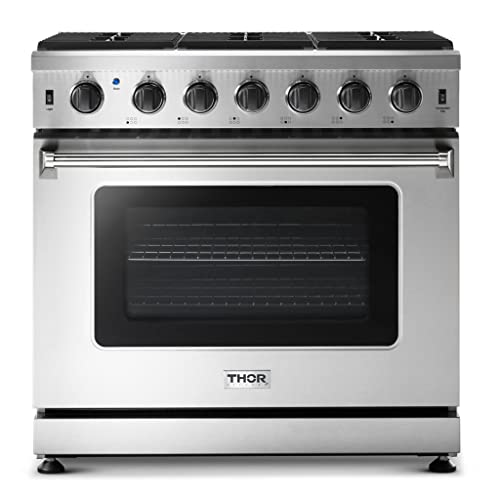
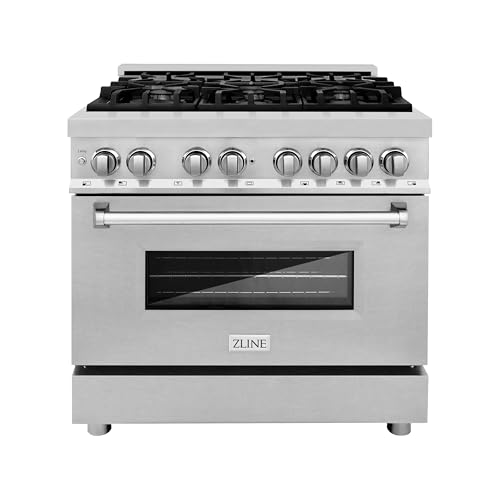
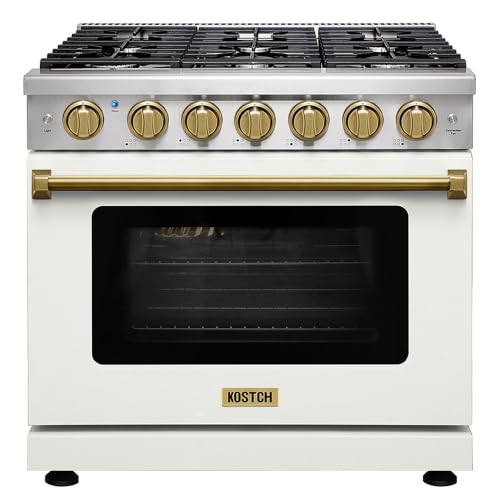
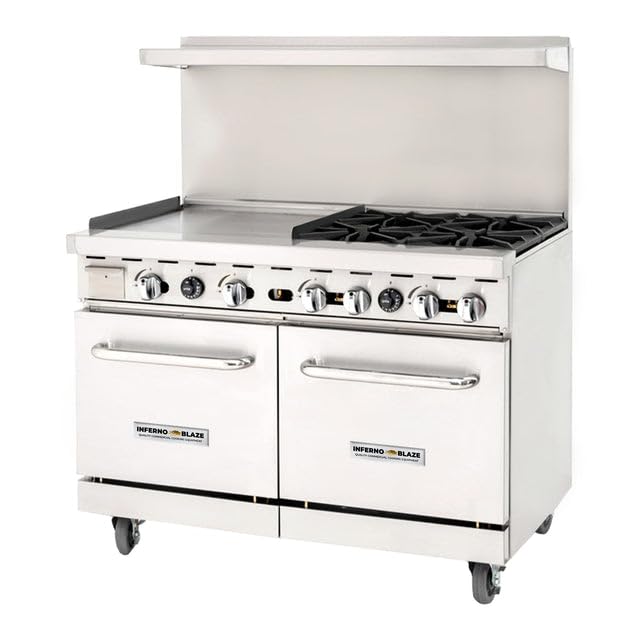
There is no single model that suits every household, because a daily family cook and a small apartment cook need very different things. Use the comparison table below to line up widths, burner output, and oven size for the best commercial gas ranges for home use, then read on for the fit and safety checks that matter before you order.


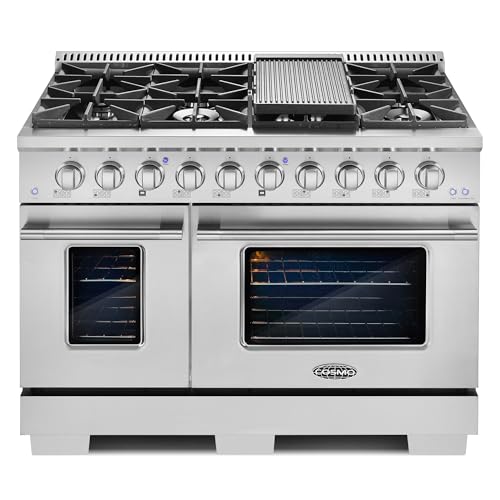
Who Should Buy Which Commercial Gas Range for Home Use?
Start with your habits rather than the biggest burner number on the page. Think about how many burners you truly use at once and how often the oven runs. If you are still weighing the broader category, see our guide to the best commercial ranges for home use for how gas compares with other fuel types at home.
Busy Families Cooking Every Day
You need capacity and speed more than showpiece extras. Look for five or six burners with one strong burner for boiling large pots of pasta water, plus a low simmer burner that holds a sauce without scorching it. A large oven, around 5 cubic feet or more in a 36 inch model, lets you roast vegetables beside a main dish. Continuous grates help you slide heavy pots between burners, and sealed burners make daily cleanup far simpler.
Occasional Users on a Budget
If the range mostly handles weeknight eggs, soups, and the odd roast, a simpler 30 inch model covers your needs for much less money. Prioritize reliable ignition and sturdy knobs over WiFi or extra modes you will rarely touch. Four burners are enough for most meals, and a standard oven without convection still bakes and roasts well. Spend the savings on a proper vent hood instead, because ventilation matters every time you cook.
Small Kitchens and Apartments
Space decides almost everything for you. A 24 inch or compact 30 inch range keeps the footprint workable, and a slide in style with front controls removes the bulky back panel that crowds a small room. Check depth as carefully as width, since a deep door can block a narrow walkway when it opens. Choose fewer, flexible burners over six small ones, and confirm the floor can carry the weight, because these ranges are far heavier than standard models.
Key Features of Commercial Gas Ranges for Home Use
The product table above gives you the headline numbers, but the details below explain what those numbers change at the stove. Work through each factor against your cooking, your cabinets, and your utility lines, because a range that looks ideal on paper can still be the wrong buy if one basic does not fit your home.
Burner Output in BTU and Simmer Control
BTU measures how much heat a burner can deliver, and commercial style burners often reach 18,000 to 23,000 BTU on the strongest ring. That power boils water fast and sears steaks hard, but it is only half the story. A burner that cannot turn down low will scorch garlic and split cream sauces, so look for a simmer range near 500 to 1,000 BTU or a dedicated simmer burner. Dual ring burners help here, because the small inner ring handles gentle heat while both rings together handle a stockpot.
Self Cleaning and Steam Clean Options
A pyrolytic self cleaning cycle heats the oven until spills turn to ash you can wipe away, but it takes several hours, creates strong smells, and heats up the kitchen. Steam clean cycles are shorter and gentler, using water to loosen light soil, though they will not shift baked on grease. Many commercial style ovens skip self cleaning entirely, because the insulation it needs adds cost and bulk. If easy cleaning matters to you, check this before you buy rather than assuming every oven has it.
Controls and Smart Features
Most commercial style ranges use large metal knobs, and that is a strength, because knobs work with wet hands and give instant, visible control of the flame. Touch controls and WiFi features appear on some models and can add remote preheat or timer alerts. Treat those extras as secondary, since an app may stop being supported long before the burners wear out. Whatever the style, confirm the controls are clear to read and the knobs feel solid rather than loose.
Oven Capacity and Convection
Oven capacity is stated in cubic feet, and a 30 inch range often holds about 4.5 to 5 cubic feet while wider models hold more or split the space into two ovens. True convection adds a fan with its own heating element, which moves hot air evenly so cookies bake the same on every rack. A fan alone without the extra element is a smaller step up. Measure your largest sheet pan against the stated interior width, because headline capacity can hide a narrow cavity.
Size and Cutout Dimensions
Ranges come in standard widths of 24, 30, 36, 40, 48, and 60 inches, and your cabinets set the limit, so measure the cutout at its narrowest point rather than trusting the size of your current range. Freestanding models have finished sides and a back panel, while slide in models overlap the countertop slightly to block crumbs falling down the sides. Leave the clearance the manual states above the cooktop, and check the door can open fully without hitting an island.
Fuel Type: Gas, Electric, Induction, or Dual Fuel
An all gas range uses gas for the cooktop and the oven, which keeps the price lower and the controls simple. Dual fuel pairs a gas cooktop with an electric oven, and many bakers prefer it because electric heat is steady and dry for pastry and bread. Induction responds faster than gas and keeps the surface cooler, but it needs magnetic cookware and gives you no visible flame. If you are still deciding, our guide to the best gas ranges for home use explains where a standard gas model may serve you better.
Gas Line, Ventilation, and Installation Checks
This is the section many buyers skip, and it is the one that can stop an installation cold. A commercial style range often needs a larger gas supply than a standard range, so a licensed installer should confirm your line size, pressure, and shutoff valve position before it arrives. The range also needs a standard outlet for the igniters and controls, even though the cooking fuel is gas. Never move a gas line yourself, and check local codes, because permit rules vary by city.
Ventilation deserves the same attention. Strong burners produce smoke, grease, and moisture, and burning gas also produces carbon monoxide, which you cannot see or smell. Choose a vent hood that covers the full cooktop width and vents outdoors where possible, and run it whenever several burners are going.
Fit a carbon monoxide alarm near the kitchen, and if anyone feels dizzy, nauseated, or headachy while cooking, turn the range off, leave the house, and call for help. A home range must also be a residential model with proper insulation, since a true restaurant range is generally not approved or safe for a house.
Common Mistakes to Avoid When Buying Commercial Gas Ranges
- Buying a true restaurant range for a house, which can fail inspection and create a fire and carbon monoxide risk.
- Choosing by burner BTU alone and ending up with power you cannot turn down low enough for sauces.
- Skipping the vent hood budget, so smoke and grease spread through the home every time you sear.
- Measuring only the width and forgetting depth, door swing, and the clearance above the cooktop.
- Assuming your existing gas line is large enough, which can leave burners weak or the delivery refused.
- Paying for WiFi and extra modes before checking basics like simmer control, grate quality, and warranty cover.
Care and Maintenance Tips for a Commercial Gas Range
Wipe spills off the cooktop once it has cooled, because sugary and acidic spills get harder to remove after the next heating cycle. Lift off the grates and burner caps about once a month and wash them in warm soapy water, then dry them fully before refitting, since a damp or crooked cap can cause uneven flames and clicking igniters. Keep the small holes around each burner clear with a soft brush.
For the oven, wipe the interior and door seal regularly so grease does not build up into smoke during roasting. Check that flames burn mostly blue with small yellow tips, and book a qualified technician if you see large yellow flames, smell gas, or hear clicking that will not stop. Have the gas connections inspected every few years, and keep the model and serial numbers written down so service visits go faster. If demanding daily cooking is your goal, see our guide to the best gas ranges for home chef for cooktop layouts that suit it.
Frequently Asked Questions
What size commercial gas range do I need for my kitchen?
Most homes suit a 30 inch or 36 inch commercial gas range, and your cabinet cutout decides which one you can fit. Measure the opening at floor level and at counter height, then compare both numbers with the stated width of the range. A 36 inch model adds a burner and oven room, but only choose it if the space, gas line, and hood can support it.
Is convection worth paying extra for on a commercial gas range?
Convection is worth the extra cost on a commercial gas range if you bake in batches or roast often, because the fan evens out hot spots between racks. It is less valuable if the oven mostly reheats casseroles. One point buyers miss is that convection can dry delicate cakes, so a model that lets you switch the fan off for standard baking gives you the most flexibility.
Does a commercial gas range need a special gas line and outlet at home?
A commercial gas range often needs a larger gas line than a standard range, because several high output burners can run at once. A licensed installer should check line size and pressure before delivery, and the range also needs a regular grounded outlet for ignition and controls. If your kitchen has no gas supply today, get a written quote for the work first, since that cost can change which model makes sense.
How long does a commercial gas range for home use last?
A commercial gas range for home use typically lasts about 15 years, and sturdy models can run longer with basic care. Longevity depends more on ignition parts and oven controls than on the heavy frame, which rarely wears out. Keep the serial number and proof of purchase, because electronic igniters are the most common repair, and confirming warranty cover early makes that repair far cheaper.
Is induction better than a commercial gas range for home cooking?
Induction is better than a commercial gas range for speed, precise low heat, and a surface that stays cooler, but it is not better for everyone. Gas gives you a visible flame and works with every pan you own. Shoppers comparing the best commercial gas ranges for home kitchens usually pick gas for wok cooking and charring, and induction for easy cleanup.
Final Thoughts
Start with fit, because width, gas line capacity, and ventilation decide whether a range can live in your kitchen at all. Next, match burner range and oven size to the meals you cook most, and only then weigh extras like steam clean cycles or WiFi. The product table above can help you compare those basics side by side once you know your limits.
Chosen that way, the best commercial gas ranges for home use give you restaurant style power without restaurant style problems, in a range approved, insulated, and serviceable at home. Measure carefully, plan the hood, and book a licensed installer, and your stove will suit your cooking for many years.


