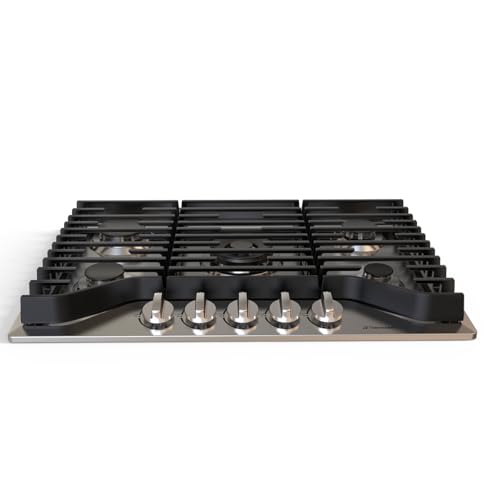
Best 30 Inch Gas Range for 2026: A Buying Guide for Real Homes
Disclosure: We may earn a commission when you buy through links on this page, at no extra cost to you. As an Amazon Associate I earn from qualifying purchases. Learn more

Matching a 30 inch gas range to your kitchen: fit, slide in or freestanding, burner layout, oven features and total cost.
A range has to earn its place in a home every single day, from a fast pot of pasta on a school night to a slow Sunday roast. The best 30 inch gas range for your household is the one that fits your cutout, matches how many people you cook for, and stays simple to use when the kitchen is busy. This guide focuses on space, household size, daily ease of use, and the full cost of owning the appliance.
Start with the comparison table below to see how the main types differ at a glance, then work through the checklist that follows. If you want the wider picture first, our guide to the best gas range covers every common width, while this page stays focused on the 30 inch size that suits most American kitchens.
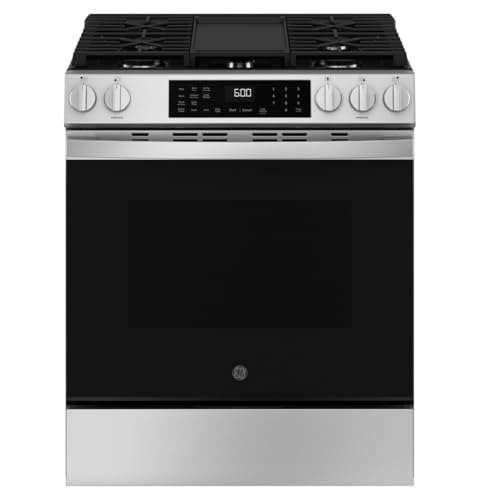

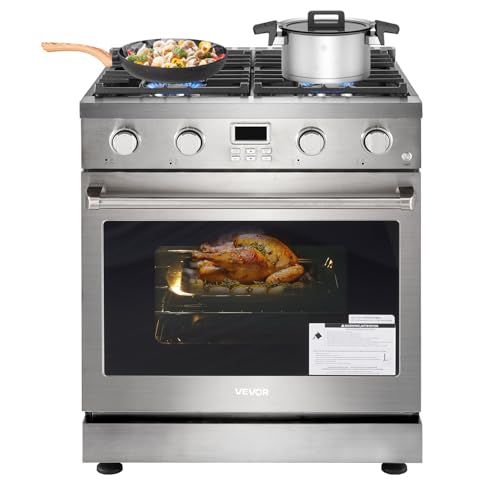


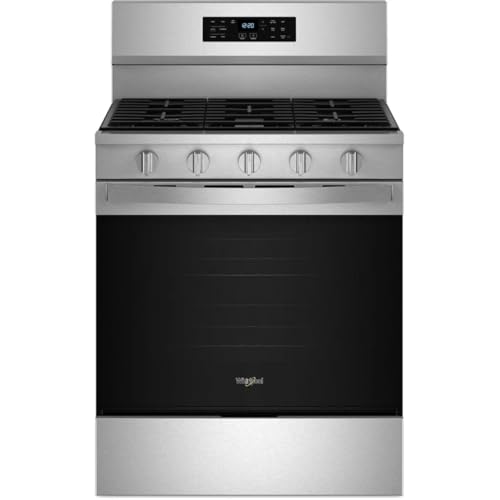

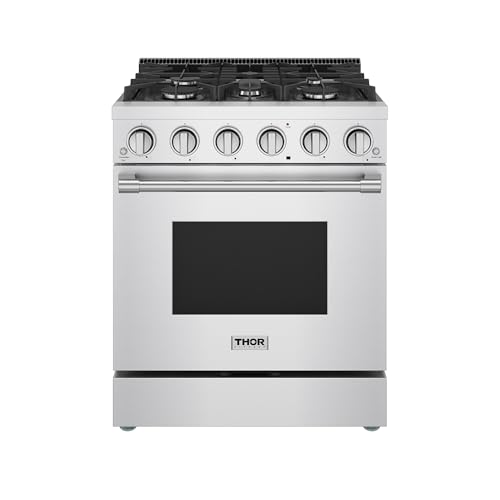
Quick Answer: Three Buying Profiles in 30 Seconds
Most shoppers fall into one of three groups. Busy family cooks need five burners, a roomy oven, and surfaces that wipe clean fast. Careful budget buyers do better with four burners, simple knobs, and a standard oven that skips costly extras. Keen bakers and hosts gain the most from convection, a strong center burner, and steady low heat for sauces.
None of these profiles needs the longest feature list. Each one needs the right fit, the right burner layout, and controls that feel natural after a week of daily use.
Before You Buy: A Quick Checklist for Choosing a Gas Range
Size: Match the Range to Your Space
Ranges come in widths of 20, 24, 30, 36, and 48 inches, and 30 inches is the standard cutout in most homes. A 30 inch model gives you four or five burners and an oven wide enough for a full sheet pan in most cases. Larger widths demand more cabinet space and higher prices, while smaller widths suit apartments but limit pan space. Measure your current cutout before anything else, because the width printed on a listing assumes a true and level opening.
Which Type Fits Your Routine
Freestanding models have finished sides and a back panel with controls, so they slot into almost any layout and cost less. Slide in models place the controls at the front and sit flush with your counters for a cleaner look, and our guide to the best slide in gas range explains that style in depth. Double oven and convection variants sit within both styles, so choose the format first and the extras second.
Features Worth Paying For and Ones to Skip
A center oval burner with a removable griddle earns its cost if you make pancakes, grilled sandwiches, or tortillas often. True convection helps bakers because a fan moves hot air evenly around trays. A best double oven gas range layout suits households that bake and roast at two temperatures at once. Skip smart controls, touch panels, and air fry modes if you rarely use an app or already own a countertop air fryer.
Measurements and Compatibility With Your Setup
Check four numbers before you order: cutout width, depth from the wall to the front of your counters, the height your floor and counters allow, and the swing of the oven door. Confirm whether your home uses natural gas or propane, since many ranges ship set for natural gas and need a conversion kit for propane. Also confirm the gas line position and the outlet location, because a line that sits too high or too far to one side can stop a slide in model from sitting flush.
Safety Listings and Ventilation
Look for a range that carries a recognized safety listing such as UL or CSA on the rating plate, and keep the manual that lists clearances to cabinets and walls. Gas cooking produces heat and moisture, so plan ventilation that vents outside where possible. Fit a carbon monoxide detector near the kitchen and living areas, and follow local rules on gas work in your area. If you ever smell gas with no burner lit, leave the home and call your gas utility from outside.
Installation: Doing It Yourself Versus Hiring a Professional
Connecting a gas line is regulated work in many places, and a licensed installer can pressure test the joint and check for leaks. Budget for delivery, haul away of the old range, a new flexible connector, and the fitting visit itself. Our breakdown of gas range installation cost shows how those parts add up by region. A careful homeowner can still handle leveling, anti tip bracket checks with guidance, and the first cleaning before the installer leaves.
Realistic Budget Ranges
Basic four burner models often sit under $800 and cover everyday cooking with a standard oven. The middle of the market, about $800 to $1500, adds a fifth burner, a griddle, and convection in many lines. Upper tier models run about $1500 to $3000 and bring heavier grates, stronger burners, and finer finishes. Keep part of your budget aside for installation and ventilation, because a range that fits the room and vents well serves you better than extra modes you never touch.
Three Buying Profiles and What to Prioritise
Profile One: The Everyday Family Cook
If you cook for four or more people most nights, prioritise burner spacing and oven volume over raw power. Five burners help only when your largest pans can sit side by side without crowding, so look for a layout that keeps the big burners at the front corners. Continuous cast iron grates let you slide a heavy pot instead of lifting it. An oven of about 5 cubic feet or more swallows a large turkey or two trays at once, and a storage drawer below holds sheet pans where you can reach them.
Profile Two: The Careful Budget Buyer
If price leads your decision, a four burner freestanding model with sealed burners and simple knob controls gives you the most value. Sealed burners keep spills out of the burner box, which cuts cleaning time and protects the igniters. A standard oven without convection still roasts and bakes well for daily meals. Put the money you save toward proper installation and a good vent hood, since both affect daily comfort far more than a touch display. This profile also suits rental properties and first homes where simple repairs matter.
Profile Three: The Keen Baker and Frequent Host
If you bake weekly or host large meals, convection is the feature that changes your results the most. A fan evens out hot spots, so cookies on two racks brown at a similar pace and pastry stays crisp. Pair that with a low simmer burner that holds a gentle flame without constant watching, plus a high output burner for fast boils and hard sears. Check that the racks glide smoothly and that the oven light and window let you check progress without opening the door and losing heat.
How to Judge Quality Without a Showroom Visit
Start with the spec sheet from the maker, then read owner reviews for repeated themes about igniters, knobs, and oven temperature accuracy. Solid signs of quality include heavy grates that sit flat, metal knobs that feel firm, and a door that closes with an even seal. Check the warranty terms for parts and labor, and confirm that service is available in your area.
Is a 30 Inch Gas Range the Right Size for You?
For most households of two to five people, yes, a 30 inch range covers daily cooking and holiday meals without crowding the room. It fits the standard cutout, keeps replacement simple, and offers the widest choice of types and prices. A keen cook who runs four large pans at once every day may outgrow it and look at 36 inches, but that step up also means new cabinets or a wider cutout in most kitchens.
Before you commit to gas at all, weigh it against the electric alternative in our gas vs induction range comparison, which covers running costs, pan compatibility, and kitchen heat. If your home lacks a gas line, the cost of adding one can outweigh the benefit, and that single fact settles the size question for many buyers. A 30 inch gas stove also keeps resale and future replacement simple, since the next owner faces the same standard opening.
Common Buying Mistakes to Avoid
- Ordering before measuring the cutout, which leads to a range that will not slide in or leaves wide gaps at the sides.
- Ignoring the fuel type, so a range set for natural gas arrives at a home that runs on propane with no conversion kit on hand.
- Paying for smart features and extra modes while skipping the vent hood, which leaves smoke and grease in the room every time you sear.
- Choosing the strongest burner as the main spec, when burner layout and pan spacing shape daily cooking far more.
- Forgetting the anti tip bracket and leveling, which leaves the range unsteady when a heavy oven door is open.
Cost of Ownership and Care
Gas ranges have modest running costs, and the main ongoing expenses are cleaning supplies, occasional igniter or knob replacements, and a service visit if a burner stops lighting. Wipe spills after cooking once the grates cool, because baked on grease gets harder to remove each week. Wash grates and burner caps in warm soapy water, dry them fully, and clear the burner ports with a soft brush so the flame stays even and blue.
Check the oven door seal once a year for gaps that leak heat, and keep the area behind the range free of stored items that block airflow. Booking a qualified technician for any gas smell, repeated clicking, or a burner that will not stay lit keeps small faults from becoming safety issues.
Your Questions, Answered
What is the most reliable gas range brand?
No single brand is the most reliable gas range for every home, because reliability depends more on simple design, sound installation, and local service than on a badge. Ranges with fewer electronic boards and proven igniter designs tend to need fewer repairs. One point buyers miss is parts access: a common model with parts stocked nearby gets fixed in days, while a rare model can wait weeks for a single control board.
How do you clean a gas range?
You clean a gas range by removing the cool grates and burner caps, washing them in warm soapy water, and wiping the cooktop with a soft cloth and mild cleaner. Dry every part fully before you refit it, or trapped moisture can cause weak flames. For the oven, run the self clean cycle only with the racks removed if the manual requires it, and never line the oven floor with foil, which can block airflow and damage the enamel.
Is a gas range worth it?
A gas range is worth it if you value instant flame control, cook often with a wok or heavy pans, and already have a gas line in place. You see the flame and adjust it at once, which helps with sauces and searing. One extra factor is power cuts: many gas cooktops can light with a match during an outage, while the oven usually cannot, so check the manual for your model before you rely on that.
How long does a gas range last?
A gas range typically lasts about 15 years with normal home use and basic care. Simple models often run longer because they have fewer electronic parts to fail. A useful early warning sign is uneven oven browning that a new door seal does not fix, which can point to a wearing igniter or thermostat. Replacing an igniter is a modest repair that can add years of service before you need a new range.
What size gas range do I need?
You need the size that matches your cutout and your largest regular cooking load, which for most homes is 30 inches. Count the pans you use at the same time on your busiest cooking day rather than on an average day. If two oversized pans already crowd your current cooktop, a wider oven will not solve the problem, so look at burner layout and grate design within the 30 inch class before you consider cutting cabinets.
What is the best 30 inch gas range?
The best 30 inch gas range is the one that fits your cutout, matches your fuel type, and gives you the burner layout and oven style you will use daily. For most homes that means five burners or a strong four burner layout, sealed burners, and an oven size that suits your household. Use the product table above to compare types side by side, then check your measurements once more before you order.
Final Thoughts
The right range is a fit decision before it is a feature decision. Measure your space, confirm your fuel, choose the type that suits your routine, and spend on the burners, oven, and ventilation you will use every week. When you compare options in the product table above, the best 30 inch gas range for your home should stand out clearly: the model class that fits your kitchen, your household, and your budget without wasted extras. Prices and availability can change, so check the product page before ordering.