Best Commercial Meat Slicer: A Complete Buying Guide
Disclosure: We may earn a commission when you buy through links on this page, at no extra cost to you. As an Amazon Associate we earn from qualifying purchases. Learn more
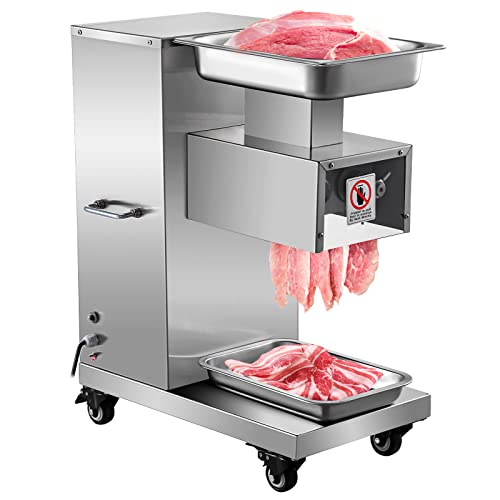
Choosing the best commercial meat slicer for a restaurant, deli, or butcher shop is different from picking a slicer for occasional home use. A unit that sits on a countertop and slices a few sandwiches a week cannot handle eight hours of continuous service during a lunch rush. Commercial kitchens need a slicer built for heavy-duty, high-volume work, with a motor that won't overheat, a blade that stays sharp through repeated use, and a body designed for daily sanitizing under health code rules. This guide walks through the specs, drive systems, sanitation features, and safety requirements that actually separate a durable commercial machine from a lighter-duty model, so you can match the right slicer to your kitchen's real workload.



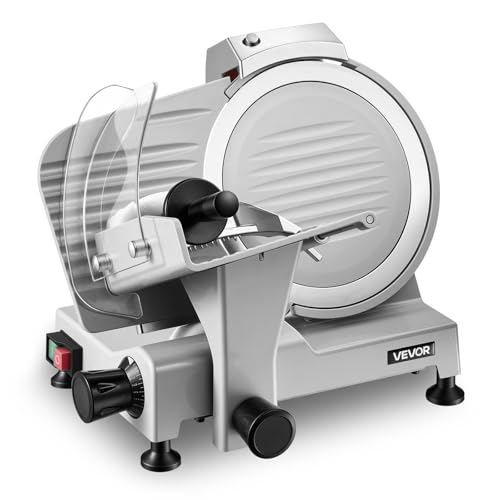
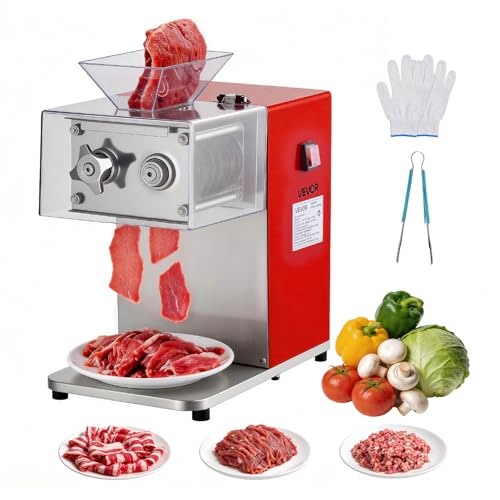
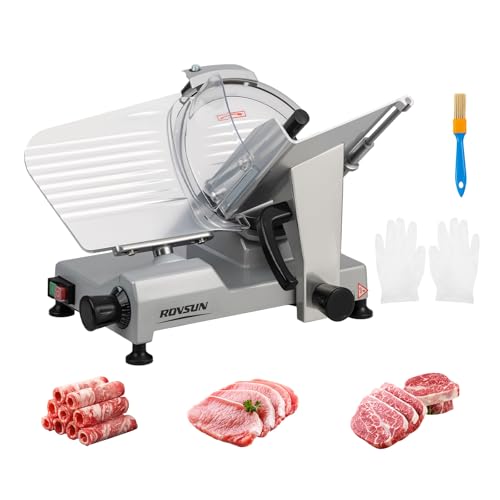
Matching Blade Diameter and Motor Power to Your Slicing Volume
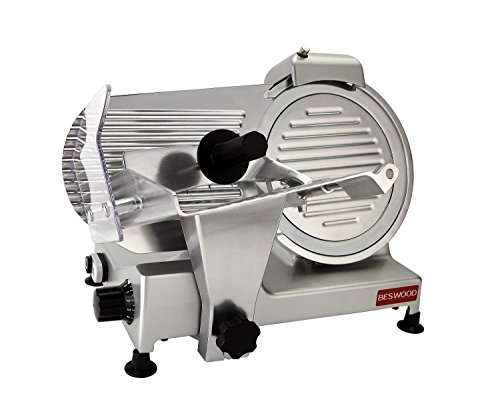
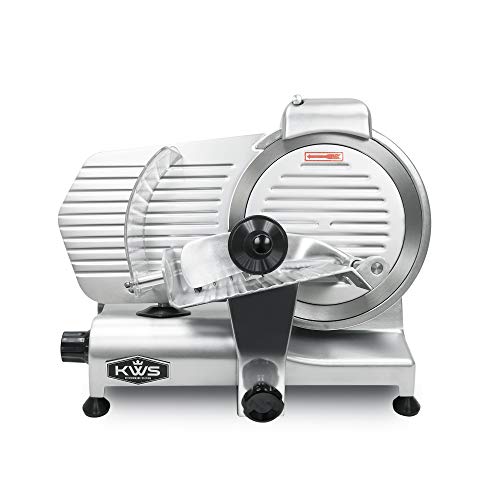
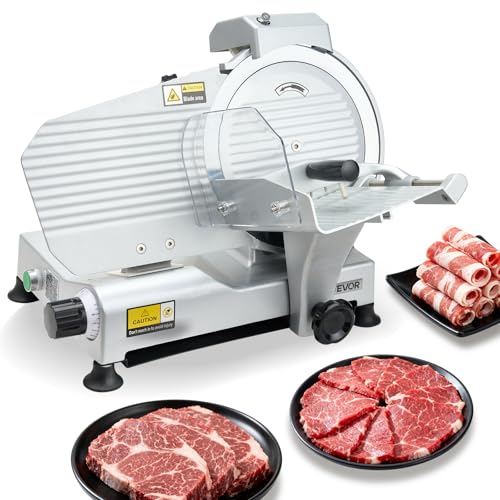
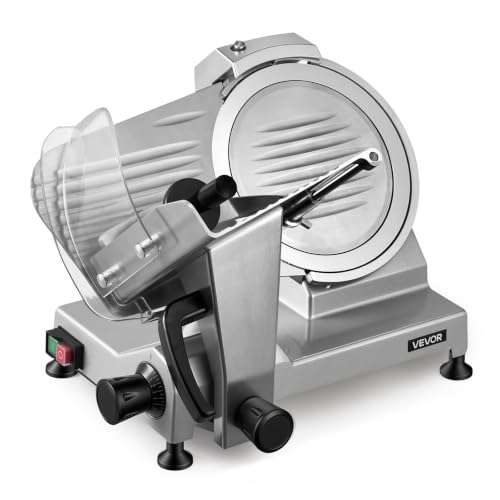
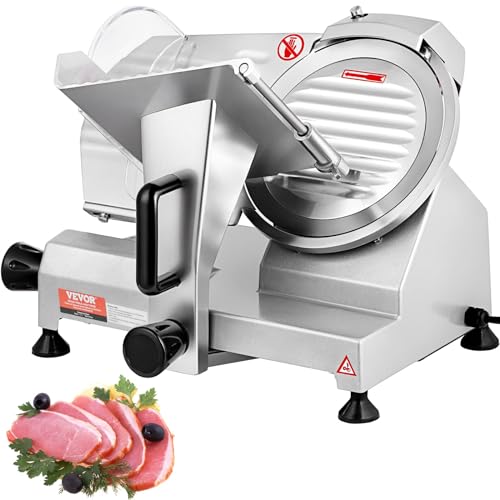
Blade diameter is the first spec worth checking, because it determines how large a piece of meat or cheese the machine can handle in one pass. Larger blades, generally in the 12 to 14 inch range, cut through big roasts and bone-in cuts without repositioning the product halfway through. Smaller blades work fine for pre-trimmed deli meats but slow down when you're processing whole cuts.
Blade Gauge and Sharpness Retention
Blade gauge, the thickness of the steel, affects how long an edge holds up under daily use. A thicker gauge blade resists warping and holds its edge longer between sharpenings, which matters when the slicer runs for hours every day rather than a few minutes at a time.
Duty Cycle for Continuous Use
Motor horsepower and duty cycle rating tell you how long a slicer can run before it needs to rest. A slicer rated for continuous duty can operate through an entire shift without overheating, while lighter-duty motors are built to cycle on and off. If your kitchen slices for hours at a stretch, a continuous-duty motor is worth the extra upfront investment. If you only need occasional slicing rather than full commercial-duty volume, a general electric food slicer guide may point you toward a better-suited machine.
Belt-Driven vs. Gear-Driven Motors: Picking the Right Drive System
Two drive systems power most commercial slicers, and the choice affects both torque and noise level. Belt-driven models use a rubber or reinforced belt to transfer power from the motor to the blade. They tend to run quieter and cost less to service, and they handle the majority of everyday deli slicing without trouble.
Gear-driven models connect the motor directly to the blade through a set of metal gears. That direct connection delivers more torque, which helps when slicing dense cheese, partially frozen meat, or other tough products that would bog down a belt-driven unit. Gear-driven machines run louder and typically cost more, but they hold up better under sustained, heavy use. A busy deli slicing soft roast beef all day might do fine with a belt-driven model, while a shop that slices hard salami and semi-frozen cuts every day will get more life out of a gear-driven one.
NSF Certification and Sanitary Construction
Health inspectors expect commercial food equipment to meet recognized sanitation standards, and NSF certification is the mark most inspectors look for on a meat slicer. NSF-certified units are built with smooth, seamless surfaces that don't trap food residue, rounded corners instead of tight crevices, and materials that hold up to repeated washing and sanitizing without corroding.
UL or ETL certification covers electrical safety rather than sanitation, so it's worth checking for both marks rather than assuming one covers the other. Look for stainless steel construction throughout the food zone, not just on visible surfaces. Some lower-cost slicers use painted or coated metal in areas that don't show, and those coatings can chip or trap bacteria over time in ways a stainless surface won't.
Daily Teardown and Sanitizing for Health Code Compliance
A commercial kitchen doesn't have the luxury of a quick wipe-down between uses. Health codes typically require a full teardown, wash, rinse, and sanitize cycle at least once a day, and more often if the slicer switches between different types of meat or cheese. That means the machine you buy needs to come apart quickly, without tools, and go back together just as easily.
Look for a removable blade guard, a carriage that lifts free for cleaning underneath, and a blade that can be released and reseated without a screwdriver. Slicers that require tools for basic teardown slow down closing shifts and tempt staff to skip steps they shouldn't skip. The easier the sanitizing routine, the more consistently your team will actually follow it.
Blade Guards, Interlocks, and Other Safety Requirements
A slicer blade spinning at commercial speed is one of the more dangerous pieces of equipment in a kitchen, so safety features aren't optional extras. An interlock switch should stop the blade the moment the guard is opened or the carriage is removed for cleaning, preventing the machine from running with the blade exposed.
- A ring guard that covers the cutting edge except for the small slicing area in use
- A finger guard on the carriage that keeps hands away from the blade during normal slicing
- Non-slip rubber feet that keep the unit stable on a wet prep station
- A clearly marked, easy-to-reach power switch that staff can hit quickly in an emergency
Train every staff member who touches the slicer, not just the person who ordered it. Most slicer injuries happen during cleaning, not slicing, so make sure the blade is set to zero and the guard is engaged before anyone starts teardown.
Weighing Upfront Cost Against Long-Term Durability
A heavy-duty commercial slicer costs more upfront than a light-duty countertop model, and that gap can be significant. The difference usually comes down to motor quality, gauge of the housing, and how the machine is built to survive years of daily disassembly and washing rather than occasional home use.
Think in terms of cost per year of service rather than sticker price alone. A machine built for continuous commercial duty that lasts a decade with routine maintenance often costs less over time than replacing a lighter-duty unit every couple of years. For a high-turnover deli or butcher counter, the best commercial meat slicer is usually the one with the strongest duty cycle rating your budget allows, not necessarily the cheapest option on the floor. If your kitchen only slices occasionally, a lighter home-use slicer buying guide may be a better starting point than full commercial-grade equipment.
Frequently Asked Questions
What size blade do I need for a commercial kitchen?
Most commercial kitchens do well with a blade between 12 and 14 inches. That size handles whole roasts and bone-in cuts without repositioning, while smaller blades work fine for shops that mainly slice pre-trimmed deli meat and cheese.
Belt-driven or gear-driven, which should I choose?
Belt-driven models suit most everyday deli slicing and cost less to maintain. Gear-driven models deliver more torque for dense cheese, hard salami, and partially frozen meat, making them the better choice for kitchens that slice tougher products all day.
Does my slicer need NSF certification?
NSF certification isn't legally required everywhere, but many health departments expect it, and it signals sanitary construction that's easier to pass inspection with. Checking for NSF or an equivalent sanitation certification is worth doing before you buy.
How often does a commercial slicer need to be sanitized?
Most health codes call for a full teardown and sanitizing at least once daily, and more often if the slicer switches between different meats or cheeses during the day. Check your local health code for exact requirements.
What safety features are required in a commercial kitchen?
At minimum, expect a blade guard, an interlock switch that stops the blade when the guard opens, a finger guard on the carriage, and non-slip feet. Staff should also be trained on safe teardown and cleaning procedures.
Can a commercial slicer handle frozen meat?
Partially frozen meat is fine for most commercial slicers, especially gear-driven models with higher torque. Fully frozen meat is hard on any blade and motor, so let cuts thaw enough to slice cleanly before loading them.
How long should a commercial-grade slicer last?
A well-built commercial slicer with a continuous-duty motor and routine maintenance can last a decade or more in daily service. Regular blade sharpening, proper cleaning, and avoiding overload all extend the machine's working life.
Choosing What Fits Your Kitchen's Workload
There's no single spec that makes one machine right for every kitchen. The best commercial meat slicer for a high-volume deli slicing hundreds of pounds a week looks very different from the right pick for a small cafe doing light prep a few times a day. Match blade size, drive system, and duty cycle to how your kitchen actually works, and the machine will hold up to the job you bought it for.