
Best Commercial Juicer for Home Kitchens (2026)
Disclosure: We may earn a commission when you buy through links on this page, at no extra cost to you. As an Amazon Associate I earn from qualifying purchases. Learn more

Compare centrifugal, masticating and citrus press types to find the best commercial juicer for your produce, counter space and morning routine.
Your kitchen counter already holds a cutting board, a kettle, and the fruit bowl, yet your family now drinks fresh juice most mornings and a small home model feels strained by the volume. A best commercial juicer search usually starts at that point, when you want stronger parts, a larger pulp bin, and a motor built for repeated batches without giving up your whole work surface. This guide helps you choose by room, household size, and budget, and the comparison table below sums up the main types.
Still unsure you need the extra strength? Browse our guide to the best juicer options for everyday homes first, then return here if daily volume and durability are your main concerns.
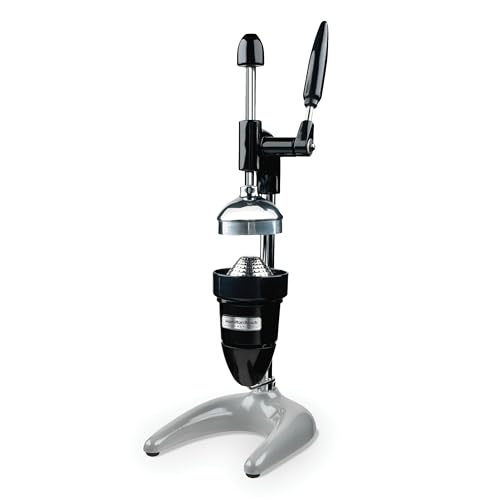


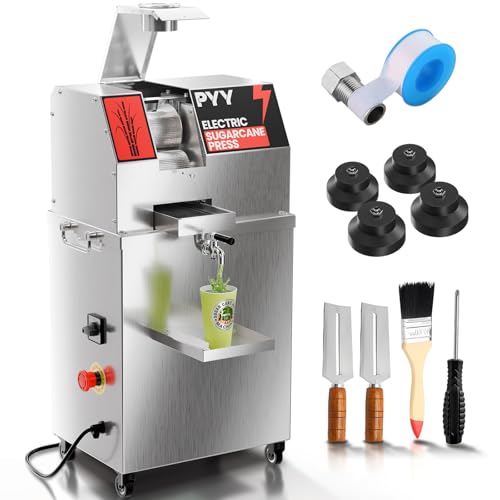

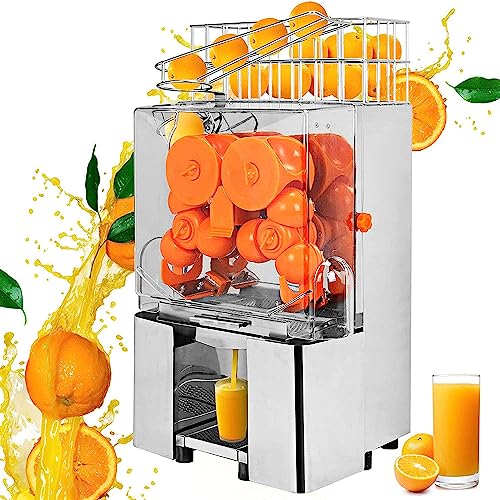
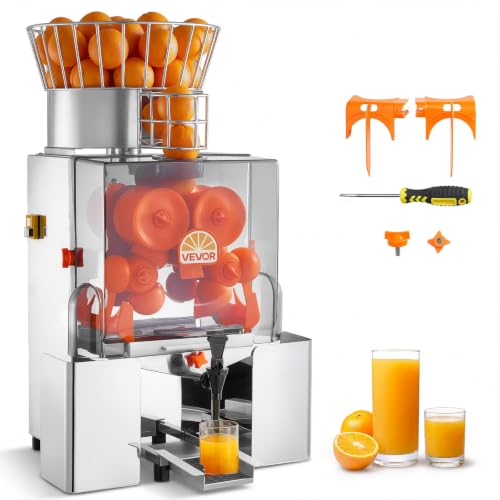
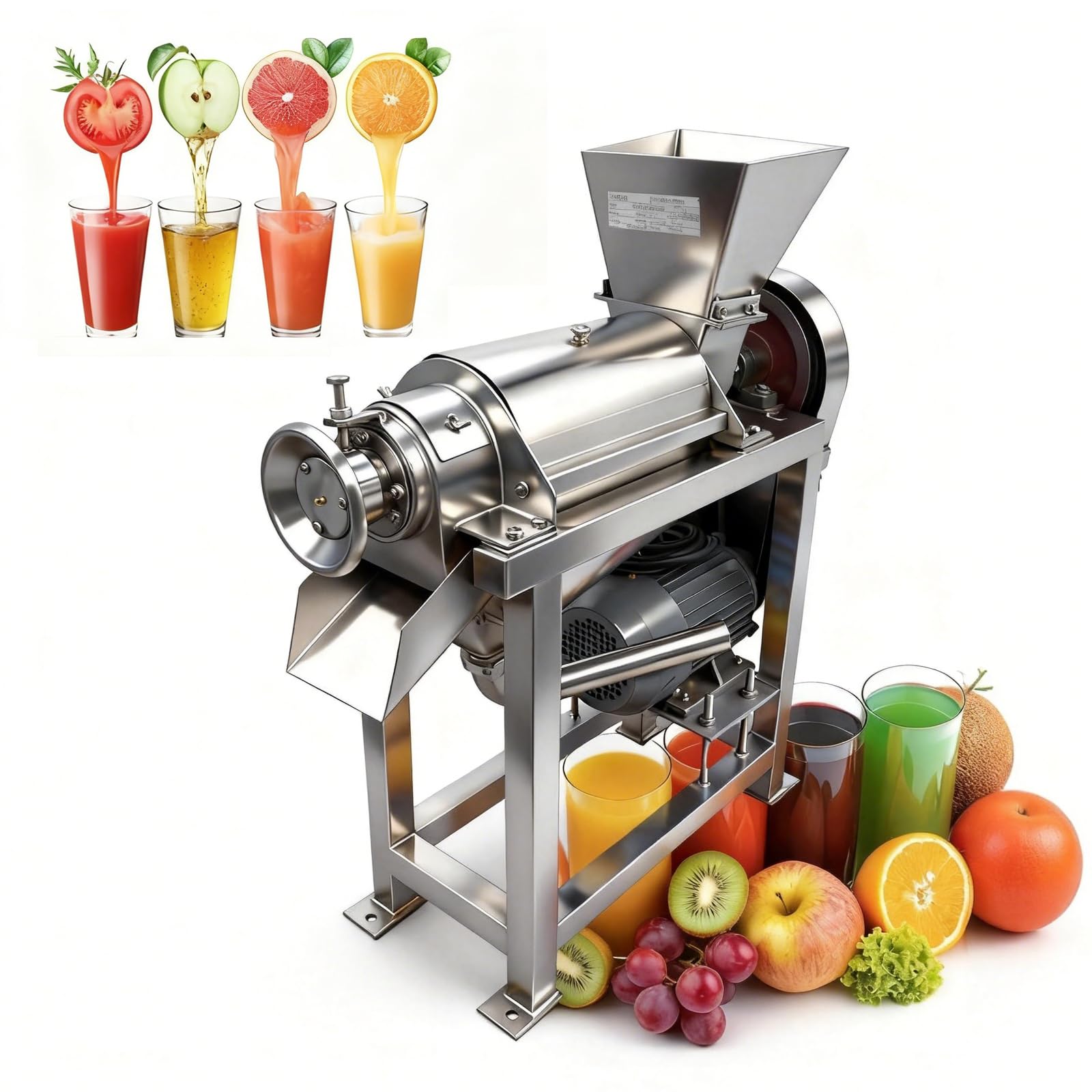
Quick Answer: Three Types of Commercial Juicer in 30 Seconds
For fast juice in large batches, a centrifugal commercial model suits busy family mornings. For quieter mornings and better yield from leafy greens, a slow masticating model fits better. For homes that juice mostly oranges, lemons, and grapefruit, a citrus focused press is simplest to use and rinse. The right choice depends less on raw power and more on what you juice and how often.
Before You Buy: A Quick Checklist for Choosing a Juicer
Commercial strength only helps when the machine matches your routine. Check the points below before paying for extra capacity, because size, noise, and cleaning time shape daily use more than a headline watt number.
Which Type Fits Your Routine
Centrifugal models spin a basket at high speed and finish a glass in seconds, which suits carrots, apples, and celery for several people at once. The trade off is more noise and foam, and leafy greens often pass through with less yield. Masticating and cold press models turn an auger slowly, squeezing produce instead of shredding it.
They handle greens, ginger, and wheatgrass more thoroughly and run more quietly, but each batch takes longer. If you want that slower style for a family kitchen, compare the shapes in our guide to the best cold press juicer models before you commit.
Vertical slow models take less counter depth, so they suit narrow kitchens. Horizontal models need more length, yet they give you better control with stringy celery and greens. Citrus only models press halved fruit and do nothing for carrots or kale, so they only make sense when citrus dominates your list. If you press oranges daily and little else, see our guide to the best citrus juicer options instead of buying a larger machine.
Features Worth Paying For, and Ones to Skip
A wide feed chute is worth paying for because it accepts whole apples and large carrot chunks, cutting your prep time on busy mornings. A large pulp container also matters for commercial volume, since stopping to empty a small bin breaks your rhythm when you juice for four or five people. Adjustable speed or a reverse function earns its cost too, because soft fruit and fibrous greens behave very differently in the chamber. Skip extras you will rarely touch, such as multiple strainers, a second jug you have no cupboard room for, or smart controls on a machine that only needs one dial.
Wattage, Power and Energy Use
Wattage tells you how much power the motor can draw, not how much juice you will get in the glass. A strong centrifugal motor helps when you push through dense carrots in quick succession, while a slow model can produce excellent yield with far lower wattage because pressure does the work over more time. What matters is steady torque under load, so the motor does not slow sharply with each new piece. Energy use stays modest either way, since a session lasts minutes, not hours.
Safety Features and Certifications
Look for a locking arm or lid switch that stops the motor when the cover is open, because powerful machines should never run exposed. Listings that carry UL or ETL marks show the electrical design was evaluated against a recognised safety standard, which is worth checking on any appliance that combines water, produce, and a strong motor. A stable base matters too, since a tall machine can creep forward as it vibrates. Keep fingers out of the chute and use only the pusher supplied.
Counter Space and Dimensions
Measure height before anything else. A tall vertical model may not fit under wall cabinets, which forces awkward storage. Check depth too, because the pulp bin and jug add several inches in use.
Weight counts if you move the machine after each session. A model you dread lifting will slowly stop being used, while one that lives on the counter gets used without a second thought.
Realistic Budget Ranges
At under $100 you are mostly in home grade territory, so expect smaller bins and shorter duty cycles rather than true commercial stamina. Between about $100 to $250, you find stronger motors, wider chutes, and parts that feel built for daily family use. From about $250 to $500, you gain larger capacity, quieter slow juicing, longer warranties, and easier cleaning design. Paying over $500 only makes sense when you juice several times a day or serve a crowd at gatherings without long pauses between batches.
Three Types Compared: Choosing by Home and Household
Instead of naming individual models, compare the three types below against your own routine. Each can be right, and each fails in a kitchen that does not match its strengths.
Centrifugal Types for Fast Family Batches
Choose this type when speed rules your mornings and you juice firm produce for three or more people. Glasses fill quickly and parts are usually simple. Expect more sound, more foam on leafy drinks, and pulp that still holds some moisture. It suits open plan kitchens and works best when juice is made once, in one big round.
Slow Masticating Types for Greens and Quiet Mornings
Choose this type when leafy greens, herbs, and ginger appear in most of your recipes and when early juicing must not wake the house. The slow squeeze gives strong yield, so your produce budget stretches further. Batches take longer, and some models need produce cut smaller. If you are torn between this route and the faster one above, read our explainer on masticating vs centrifugal juicer differences, and also browse the shapes in our guide to the best masticating juicer models to see which footprint fits your counter.
Citrus Press Types for Single Fruit Simplicity
Choose this type when nearly every glass starts with oranges or grapefruit and you value a rinse and go routine above versatility. A lever or motor driven press extracts a large amount from halved fruit with almost no chopping, and there is no screen to scrub. The limit is absolute, because this type cannot process apples, carrots, or greens at all. It suits a breakfast focused home or a second machine beside a larger juicer.
Our Selection Process
We judge commercial models for homes on capacity, yield, ease of use, cleaning effort, noise, safety design, and warranty length. We rely on maker specifications, safety listings, and patterns in verified buyer feedback about durability and parts support. A model scores well only when its size, controls, and upkeep suit a real household, not just a juice bar with staff and a deep sink.
What We Like and What We Don’t About Commercial Models at Home
The gains are real. Larger chutes and bins let you juice for a family in one session, stronger housings shrug off daily use, and replacement parts tend to stay available longer. At home the quiet win is consistency, because the machine behaves the same on a rushed Tuesday as on a slow Sunday.
The downsides deserve equal weight. Commercial models cost more, weigh more, and can dominate a small counter, and bigger screens hold more pulp to clean. A household of one or two who juice twice a week may never use the extra capacity they paid for. Be honest about your weekly volume before buying capacity built for a crowd.
Common Buying Mistakes to Avoid
- Buying for a juice bar volume you never reach: oversized bins and motors add cost, weight, and cleaning time with no benefit for a small household.
- Skipping the cabinet height check: a machine that cannot stay on the counter under your cabinets often ends up stored away and unused.
- Ignoring replacement part costs: screens, seals, and augers wear over time, and a low purchase price can hide expensive parts later.
- Choosing by wattage alone: a high number does not promise better yield from greens, and it says nothing about noise or cleaning effort.
- Forgetting who else will use it: heavy parts and fiddly assembly discourage partners, teens, and older relatives from juicing at all.
Cost of Ownership and Care
Running costs stay low on electricity, so your real costs are produce, time, and parts. Screens and cutting discs lose their edge with heavy use, and seals can stain or hold odors. Rinse parts right after juicing, before pulp dries into the mesh, and use a soft brush on the screen rather than a scouring pad.
For a full routine, follow our guide on how to clean a juicer. Dry every part fully before storage, because trapped moisture leads to stale smells that taint the next batch.
Your Questions, Answered
What is the most reliable juicer brand?
Reliability depends more on model design and parts support than on a name alone. Look for a warranty of several years on the motor, a parts store that still lists screens and seals for older models, and few plastic parts in the drive path. A brand that publishes torque and capacity figures clearly also tends to support its machines better after the sale.
How do you clean a juicer?
Empty the pulp bin first, then rinse every removable part under warm water within minutes of finishing. Work the screen gently with the brush supplied with the machine, paying attention to the side where pulp collects. One new habit helps most: juice a small piece of lemon last, because it loosens residue and leaves parts smelling fresher before you wash them.
Is a juicer worth it?
It is worth it when the cost per glass at home stays well below cafe prices and you actually drink what you make at least three or four times a week. Track one month of produce spending and compare it with what the same drinks cost bought ready made. If your machine sits idle after the first fortnight, the honest answer for your household is no, whatever the model.
How long does a juicer last?
A commercial grade motor used at home often outlasts the parts that touch produce, so plan on replacing a screen, seal, or blade disc long before the base fails. Storing the machine assembled in a dry cupboard, rather than damp beside the sink, also protects switches and bearings. If output drops or the motor strains on produce it once handled easily, inspect the wear parts before assuming the whole machine is finished.
Are commercial juicers worth it?
They are worth it when your household volume is the reason a smaller machine struggles, such as juicing for five people or preparing bottles for the week in one session. They are poor value when the appeal is only a stronger image on the counter. Match the purchase to a routine you already follow, not to a routine you hope a new machine will create for you.
What is the best commercial juicer?
The best answer is the type that fits your produce, your counter, and your cleaning patience, in that order. Greens daily points you to a slow model, fast family batches point you to a centrifugal model, and citrus only mornings point you to a press. If two types still tie, choose the one whose parts your local retailers or the maker can supply fastest, since downtime matters more as daily use grows.
Final Thoughts
Start with your real routine: what you juice, how many glasses you pour, and how much room the machine can claim every day. Use the product table above to compare capacity and type at a glance, then check dimensions and parts support before you order. Chosen that way, the best commercial juicer for your home stops being the biggest machine on the page and becomes the one your family still uses gladly months from now.


