
Best Cold Press Juicer Guide: What Fits Real Homes in 2026
Disclosure: We may earn a commission when you buy through links on this page, at no extra cost to you. As an Amazon Associate I earn from qualifying purchases. Learn more

Choose the best cold press juicer by comparing footprint, chute, yield, cleaning time and warranty for your household and counter space.
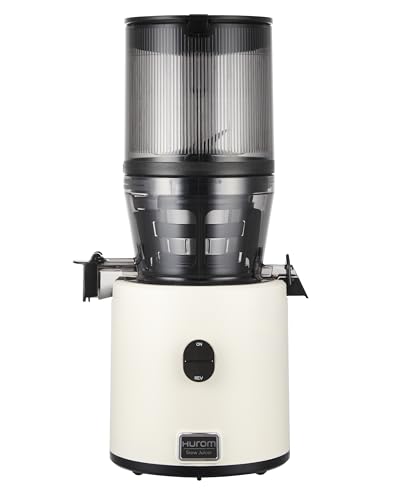
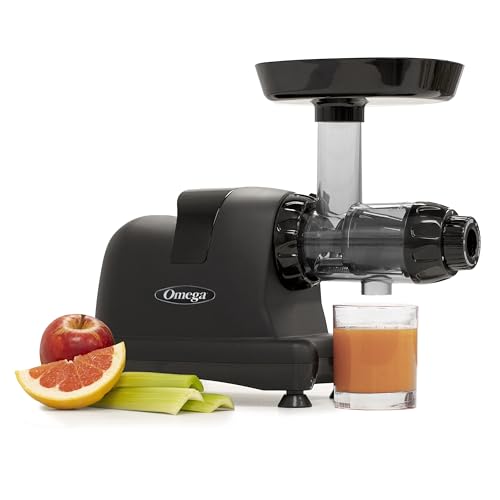
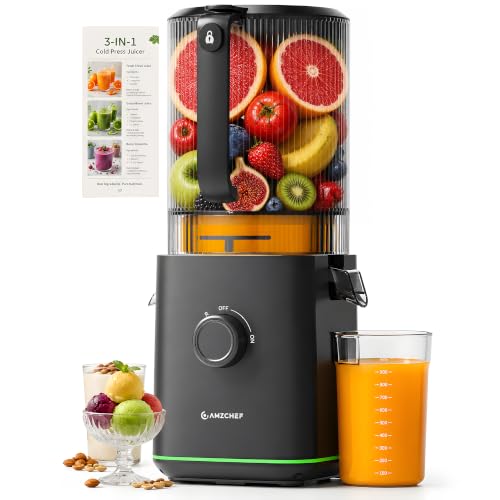
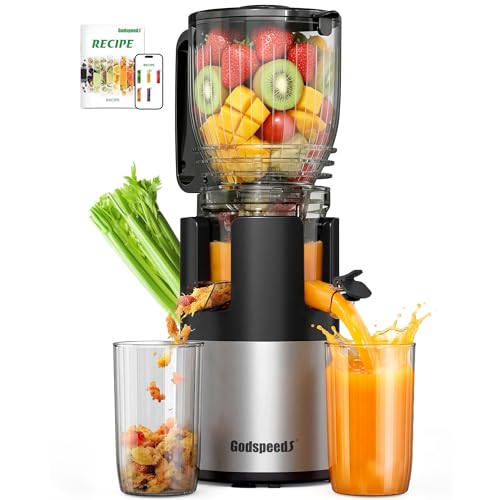
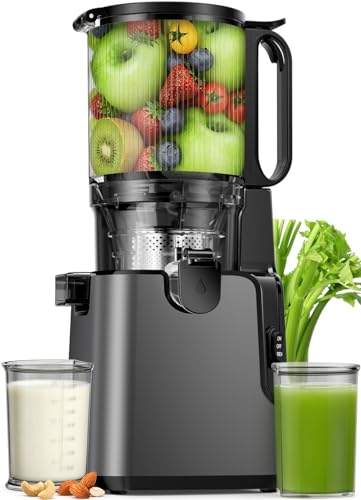
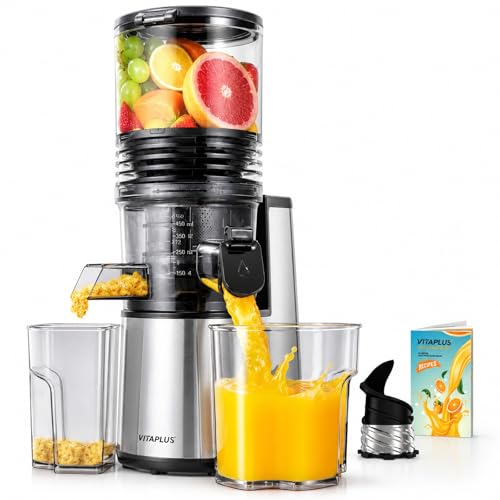
Your counter is already busy and your mornings are short, so a juicer that looks compact online can feel huge next to the coffee maker. Choosing the best cold press juicer for a real home is less about the largest spec sheet and more about fit, yield, noise and cleanup. The product table gathers the key options in one place so you can compare them at a glance.
Think first about who will drink the juice, how often you will run the machine, and where it will live between uses. A couple juicing greens three mornings a week needs something different from a family pressing oranges for weekend breakfasts. For the wider view, our guide to the best juicer types shows how cold press models sit alongside the other styles.




Quick Answer: How to Choose at a Glance
Start with footprint and chute. Measure the space under your cabinets, then pick a chute that matches your prep habits, because a wide chute saves cutting time while a narrow chute gives more control with leafy greens. Next, weigh cleaning time, since a machine that takes ten minutes to wash will sit unused no matter how good the juice tastes.
Then match capacity to your household and check warranty length plus the cost of replacement strainers and augers. Those parts decide what the machine really costs over its life, so they matter as much as the price you pay on day one.
Before You Buy: A Quick Checklist for Choosing a Juicer
Which Type Fits Your Routine
Cold press models slowly crush produce with a rotating auger and press the pulp through a fine strainer. That slow action handles leafy greens, wheatgrass and ginger well and tends to make juice with less foam than fast spinning models. If greens are your focus, our guide to the best masticating juicer styles explains single auger and twin gear layouts in more detail.
Vertical models take up less counter width and suit small kitchens and quick daily use. Horizontal models are longer, but they give more control with celery and greens and often accept attachments for other tasks. If you manage blood sugar or follow a medical diet, talk with your doctor or dietitian about juice portions before juicing becomes a daily habit.
Features Worth Paying For and Ones to Skip
A wide feed chute earns its cost if you hate prep work, because whole apples and large orange halves cut your cutting board time in half. A reverse function also helps, since a short burst in reverse clears a jam without opening the machine. Quiet running matters in open plan homes, and a drip stop spout keeps counters cleaner between glasses.
Other extras add cost without adding juice. Touch screens, app links and long lists of speed settings rarely change results on a slow auger machine that runs at one steady pace. Bundled recipe books and spare cups only help if you know you will use them, so put your money toward yield and cleaning instead.
Wattage, Power and Energy Use
Most home cold press models draw about 150 to 400 watts, far less than fast spinning models that can draw 800 watts or more. Wattage alone does not show how strong a machine feels, because auger shape, gearing and strainer design decide how it handles hard carrots and fibrous celery. Steady torque at low speed matters most, since stalling leaves more juice in the pulp.
Safety Features and Certifications
Look for a safety lock that stops the motor when the lid or juice bowl is not seated, plus a pusher sized to keep fingers away from the auger. Listings from UL or ETL show that a model has passed independent electrical safety checks for home use in the United States. Stable feet and a heavy base also matter, because a machine that creeps across a wet counter is a spill waiting to happen.
Counter Space and Dimensions
Measure height with care, because many kitchens have only about 17 to 18 inches between the counter and the underside of upper cabinets. A tall vertical model may need to live in front of the cabinets or on a cart, which changes how often you will use it. Width and depth matter too when the machine shares space with a kettle and a toaster.
Storage is the other half of the fit test. Some models break down into parts that nest in a drawer, while others stay assembled and need a permanent home. The pulp bin and juice container often decide whether the whole setup fits on one shelf or spreads across two cupboards.
Realistic Budget Ranges
Under $100, expect compact models with modest yield and shorter warranties. About $100 to $200 is where most homes find their balance, with wider chutes, reverse functions and strainers that handle greens without drama. About $200 to $300 usually buys quieter motors, larger containers and stronger parts support.
Above about $300, you mostly pay for build quality, longer warranties and smoother daily use rather than a different kind of juice. Set your budget after you price the produce habit itself, because daily greens and fruit can cost more in a month than the gap between two price tiers.
Three Buying Profiles and What to Prioritize
For Most Homes: Balance of Size, Yield and Cleanup
Most households do best with a mid size vertical model, a chute wide enough for halved apples, and few enough parts to wash without a diagram. Aim for a juice container of about 16 to 24 ounces so two glasses do not force a mid batch stop. Prioritize a motor warranty of at least a few years and ready access to replacement strainers. This profile suits couples and small families juicing three to five times a week.
For Small Budgets: Simple Models for First Juices
If your budget is tight, put yield and cleaning ahead of chute size and accept a little more cutting before you start. Choose simple controls, a single strainer and a compact body that stores in a cupboard. Our notes on how to use a juicer cover feeding order and pacing, and those habits matter more at this tier than any accessory. Spend the savings on fresh produce instead of bundles with many attachments.
For Daily Use: Long Term Value and Parts Support
Daily juicers should shop for durability first, with a strong auger, a juice bowl that resists cracking, and seals and strainers you can reorder easily. A larger pulp bin reduces stops during big batches of celery or greens, and a motor rated for longer run times keeps a steady pace. A heavier base feels stable in use, so plan a permanent spot near a sink and an outlet rather than moving the machine daily.
How to Evaluate a Cold Press Juicer
Judge each type and tier on six points: yield from greens and hard produce, ease of assembly, cleaning time, noise, footprint and warranty support. Yield matters because wetter pulp means money left in the bin, especially with costly greens and ginger. Cleaning time counts just as heavily, since it is the top reason home juicers fall out of use.
Maker specifications, buyer reports and common service questions such as strainer wear and seal replacement are the best evidence you can check. Match each profile above to the specs and ownership costs that shape daily life with the machine.
Cold Press Compared With Other Juicer Types
Fast spinning centrifugal models juice in seconds and often cost less, but they struggle with leafy greens and leave wetter pulp. Cold press models run slower and quieter and usually extract more from greens, herbs and soft fruit. If you are weighing the two styles directly, our comparison of cold press vs centrifugal juicer models lays out yield, noise and cleaning side by side.
Citrus presses win on one narrow job, since a home that drinks orange juice daily and little else can rinse one faster and replace it for less. Twin gear models sit at the other end, with strong yields on greens but higher prices and slower cleaning. Slow pressed juice also holds its flavor well in a sealed jar in the fridge for about a day, while fast spun juice is best drunk soon after making it.
Common Mistakes to Avoid
- Buying by motor wattage alone, then finding the strainer clogs on celery and greens.
- Skipping the cabinet height check, so the machine only fits on one awkward stretch of counter.
- Feeding produce too fast, which packs the auger and can trigger a jam.
- Ignoring replacement part prices, then facing a costly strainer bill in year two.
- Leaving pulp to dry on the mesh, which turns a two minute rinse into a long scrub.
- Choosing a citrus only model for a household that wants greens, carrots and ginger.
Cost of Ownership and Care
Running costs stay modest, because electricity for a short daily session costs very little. The real ongoing spend is produce, replacement strainers and the odd seal or juice bowl over the years. Budget for a new strainer when juice flow slows and pulp turns wetter despite careful cleaning, and keep the ordering details with your manual.
Care is mostly about speed after juicing. Rinse parts right away under warm water, brush the strainer mesh from both sides, and let everything dry fully before storage. Our step by step notes on how to clean a juicer add detail on soaking and stain care for parts that handle beets and turmeric. Never immerse the motor base, and store parts dry so pulp never sits in the seams.
Your Questions, Answered
What is the most reliable juicer brand?
Reliability depends more on motor warranty, parts support and build quality than on any single name. Look for a motor warranty of several years, strainers and seals you can reorder easily, and clear service contact details. One check many buyers skip is pricing a replacement strainer before you buy, because easy parts access at a fair price says a lot about long term support.
How do you clean a juicer?
You clean a juicer by emptying the pulp bin, taking the bowl apart over the sink and rinsing each part under warm water right away. Use the small brush on the strainer mesh, wash the auger and bowl with mild soap, and dry all parts before storage. Keep a shallow bowl beside the sink for screws and seals, so small pieces never slip toward the drain.
Is a juicer worth it?
A juicer is worth it if your household drinks fresh juice several times a week and enjoys the produce it uses. Compare your likely cost per glass at home with the price of bottled cold pressed juice at your store, and regular juicers usually come out ahead within months. The honest test is routine, so choose the simplest model to clean if your mornings already feel rushed.
How long does a juicer last?
A home cold press model typically lasts about 5 to 10 years with regular cleaning and sensible batch sizes. Motors often outlast the parts around them, so seals, strainers and juice bowls set the real lifespan for most owners. Watch for new cracks around the bowl rim or a strainer that stays dull after soaking, because those signs usually appear before any motor trouble.
Are cold press juicers worth it?
Cold press juicers are worth it if you juice leafy greens, wheatgrass or ginger often, because slow pressing extracts more from those ingredients than fast spinning models. They also run quietly, which matters for early mornings in shared homes. If you only press oranges and apples on weekends, the slower pace and higher price buy you less, and a simpler style may suit you better.
What is the best cold press juicer?
The right answer is the model that fits your cabinets, your produce list and your patience for cleaning. Prioritize steady yield on the ingredients you use most, a chute that matches your prep style and parts you can reorder without fuss. Before you order, check the outlet position on your counter, because cord reach and plug placement rule out more kitchen spots than footprint alone.
Final Thoughts
Match the machine to your kitchen first and your ambitions second. Measure your cabinet clearance, pick the profile that fits your household size and budget, and weigh cleaning time as heavily as yield. The product table above collects the key specs in one place, so use it to confirm footprint, chute style and warranty before you decide.
Start simple, juice the produce you already buy, and build the habit before you chase extras. Chosen with care, the best cold press juicer for your home will earn its counter space one quiet, green glass at a time. Check each product page for current price and availability before ordering.


