
Best Citrus Juicer Guide for 2026: Types That Fit Real Homes
Disclosure: We may earn a commission when you buy through links on this page, at no extra cost to you. As an Amazon Associate I earn from qualifying purchases. Learn more

Pick the best citrus juicer for your counter, household size and budget with clear guidance on manual, lever and electric types, reamer size, pulp control and cleaning.
A bag of oranges on the counter can look like a simple weekend plan, until you are squeezing fruit one half at a time for a thirsty household. Choosing the best citrus juicer comes down to how much juice you make, how much counter space you can give up, and how much cleanup you will tolerate on a busy morning. This guide focuses on those home realities first, so you can match a type to your routine instead of paying for power or size you never use.
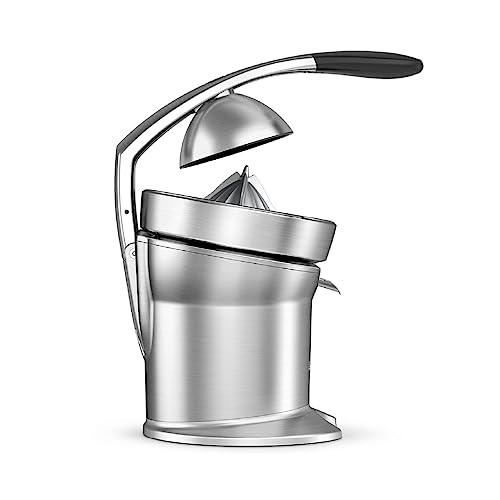
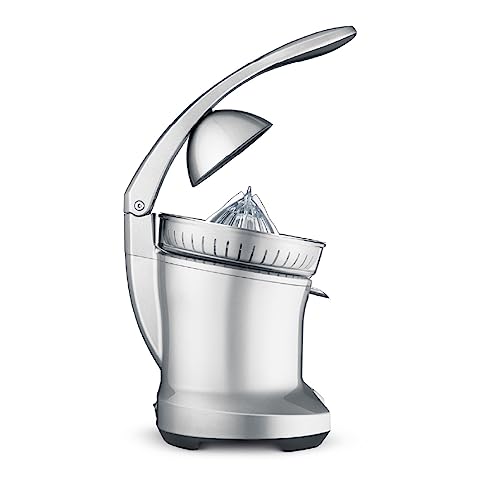
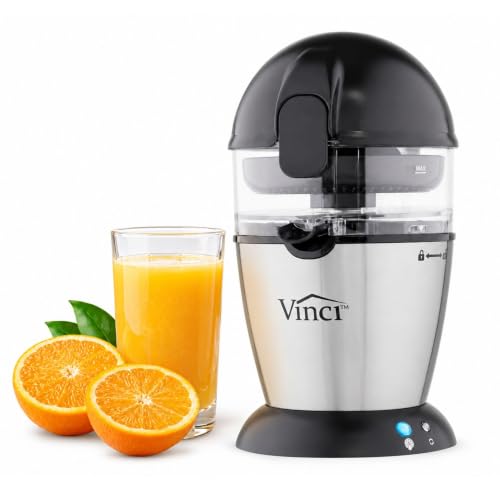
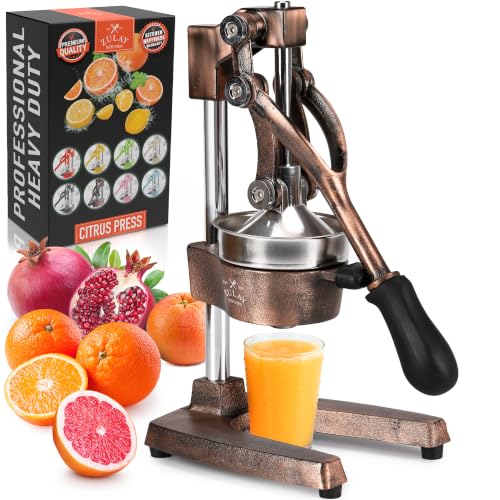
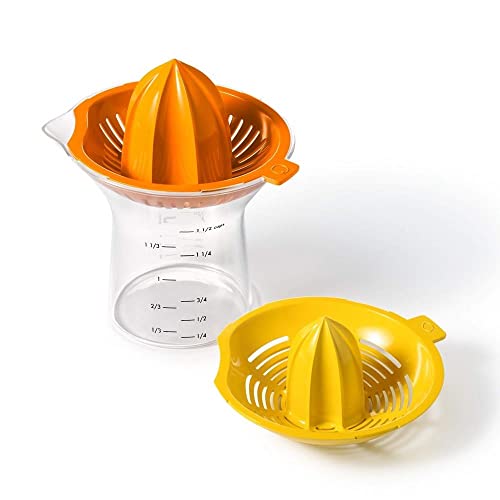
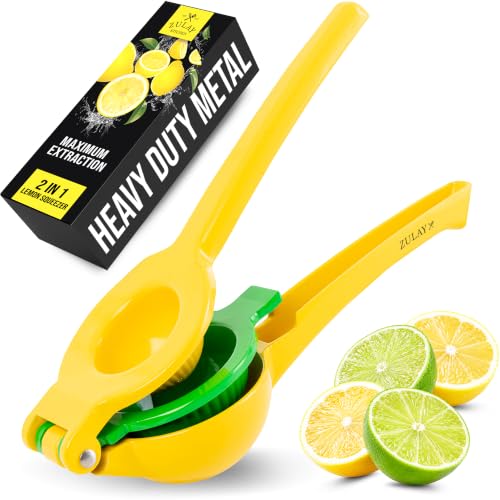
Citrus juicers look similar in photos, yet they differ in reamer size, pulp control, motor strength, and how the juice flows into a glass or a built in container. The comparison table below sums up the main options side by side. As you read, note your typical batch size and your largest fruit, because those two details narrow the field faster than any headline feature.





Quick Answer: Three Buying Profiles at a Glance
If you juice a few lemons or limes for cooking and drinks, a compact manual press or a small electric reamer model is usually enough. These take little storage space, rinse in seconds, and cost the least to own. They suit one or two people who juice in small amounts and value simplicity over speed.
If you make juice for three or more people several mornings a week, look at a mid size electric model with a pulp strainer, a steady base, and a container that holds at least 24 to 32 ounces. If citrus is a daily habit in large batches, a lever press or a stronger electric model with a large reamer and a continuous pour spout will feel worth the extra space.
Before You Buy: A Quick Checklist for Choosing a Citrus Juicer
Which Type Fits Your Routine
Manual reamers ask you to twist each fruit half by hand, and they work fine for a lemon for tea or dressing. Lever presses use handle pressure to squeeze more juice with less effort from your wrist, and they handle grapefruit well, though they stand tall and need storage height. Electric reamer models spin the cone when you press the fruit down, which speeds up bigger batches. Full size juicing machines that take whole fruit are a different purchase, and our guide to the best juicer explains when that broader route makes sense instead.
Features Worth Paying For and Ones to Skip
A pulp strainer with adjustable settings is worth paying for if people in your home disagree about pulp, because one setting pours smooth juice while the next keeps more texture. Two reamer cone sizes also earn their keep, since a small cone seats limes and lemons properly while a large cone fits oranges and grapefruit. A drip stop spout prevents sticky puddles between glasses. Skip decorative finishes and oversized accessory bundles, because those add cost and clutter without adding juice.
Wattage, Power and Energy Use
Electric citrus models use modest power, often about 25 to 100 watts, because the fruit is soft and the motor only turns a cone against light pressure. Higher wattage does not mean more juice from an orange. What matters more is steady torque, so the cone keeps turning when you press a firm grapefruit half and does not stall. Energy use per session is tiny, since a batch takes only a few minutes. If you also juice hard produce like carrots or ginger, the best cold press juicer guide covers that slower, higher torque style.
Safety Features and Certifications
Look for a UL or ETL listing on electric models, which shows the electrical parts met an independent safety standard. A base that sits flat and does not slide while you press down matters just as much, because most spills happen when a light unit creeps across a wet counter. Lids and strainers should seat firmly so they do not lift mid batch. Keep the cord away from the juice path, dry your hands before handling the plug, and never run an electric model with a cracked housing near water.
Counter Space and Dimensions
Measure before you shop, both the counter footprint and the clearance under your upper cabinets. Many lever presses stand about 15 to 19 inches tall, which can block a cabinet door or force you to move the unit for every use. Compact electric models often fit in about 8 to 10 inches of width and tuck into a cabinet between sessions. A model that is annoying to store tends to stop being used, no matter how well it juices.
Realistic Budget Ranges
Simple manual reamers and small presses often cost under $50, and they cover light use well. Most mid range electric models fall at about $50 to $100, adding pulp control, larger containers, and stronger motors. Larger lever presses and premium electric models run about $100 to $250, and the extra money should buy sturdier metal parts and a bigger reamer rather than decoration. Spending more only pays when your batch size actually demands it.
Three Buying Profiles and What to Prioritize
Profile One: Small Households That Juice a Few Fruits at a Time
You cook with lemon and lime juice and do not want another appliance living on the counter. Prioritize a compact footprint, a cone that fits small fruit without wobbling, and parts that rinse clean in seconds. A manual model or a small electric unit stored in a cabinet suits you best, and capacity barely matters at this scale. If oranges are your main fruit, compare sizing notes in our guide to the best juicer for oranges before you settle on cone size.
Profile Two: Families That Want Volume With Little Effort
You juice for three or four people on school or work mornings, and speed and low mess decide whether the habit sticks. Prioritize an electric reamer with two cone sizes, an adjustable pulp strainer, and a container in the 24 to 40 ounce range so you pour once instead of stopping mid batch. Noise is brief and modest on these models, far less than a blender, so early mornings stay reasonable.
Profile Three: Heavy Citrus Users Who Want a Long Term Setup
You buy citrus by the case, juice grapefruit daily, or make large batches for gatherings, and you are tired of light units that flex or stall. Prioritize build strength first, with metal in the press arm or housing, a large stable base, and a reamer sized for grapefruit. A continuous pour spout matters more than a sealed container at your volumes. Expect to pay at the higher end of the ranges above, and treat replaceable strainers and seals as part of the plan.
How to Evaluate Citrus Juicers Before You Order
Start with your fruit, not with a feature list. Write down the largest citrus you juice often and the number of servings in a typical batch, then check reamer size and container capacity against those two numbers. Next, read the cleaning path in the product details, counting how many parts separate and whether the strainer has fine holes that trap pulp. If the daily routine is new to you, our walkthrough on how to use a juicer shows the basic press, strain, and pour rhythm these models share.
Then weigh warranty length and the availability of spare strainers, cones, and seals, because those small parts decide how long the unit stays pleasant to use. Check the return policy too, since cone fit and pulp level are partly personal taste. This order, fruit first, cleaning second, parts and space last, keeps you from falling for a powerful motor that solves a problem citrus fruit never posed.
Citrus Juicers Compared With Other Juicer Types
A dedicated citrus model does one job well. The fruit is halved, pressed onto a reamer or squeezed by a lever, and the juice separates from the peel with very little foam and almost no setup. You never peel or chop, and the parts that touch juice are few. For oranges, lemons, limes, and grapefruit, that simplicity is the main advantage.
A general juicing machine earns its place when your routine goes beyond citrus to apples, leafy greens, celery, or ginger. Those machines need peeling for citrus, produce more pulp and foam, and take longer to wash, but they cover far more produce. Buying the larger machine first, just for oranges, usually means more cost, more noise, and more cleanup for the same glass of juice.
Common Buying Mistakes to Avoid
- Buying a small cone only model when grapefruit is your main fruit, so each half rocks on the reamer and yields less juice with more effort.
- Ignoring closed height, then discovering a tall lever press does not fit under your upper cabinets and must live in an awkward spot.
- Choosing a tiny container for family batches, which forces constant stopping, pouring, and reseating of the strainer mid batch.
- Paying for high wattage as a quality signal, even though cone fit, strainer design, and base stability shape results far more with soft citrus.
- Overlooking pulp control when your household is split on pulp, which turns every batch into a compromise nobody fully enjoys.
- Skipping the spare parts check, then finding a worn strainer or seal cannot be replaced when the rest of the unit still works well.
Cost of Ownership and Care
Running costs stay low with citrus models. Electricity for a few minutes of motor use costs very little, and manual models cost nothing to run at all. The real ongoing items are replacement strainers, cones, and rubber seals, which are usually inexpensive but vary in availability between designs. Yield affects cost too, since an orange at room temperature, rolled on the counter before halving, releases more juice.
Rinse parts right after juicing, before pulp dries into the strainer holes, and most cleanups take under two minutes. A soft brush clears fine mesh without bending it. Dry metal press parts fully before storage to protect the finish. For a fuller routine covering pulp buildup and odor removal, see our guide on how to clean a juicer. Store the cord loosely coiled, which protects the wiring over years of use.
Your Questions, Answered
What is the most reliable juicer brand?
Reliability in a citrus juicer depends more on design than on a name. Models with fewer moving parts, metal where pressure is applied, and strainers and seals that can be replaced tend to serve longest. Check warranty length and whether spare parts are sold openly, since both signal that a maker expects the unit to be repaired rather than discarded. Owner comments about strainer wear tell you more than any headline rating.
How do you clean a juicer?
You clean a citrus juicer by rinsing the cone, strainer, and container right after use, before pulp dries in place. Warm water and a soft brush clear most residue in about two minutes, and most removable parts also tolerate the top rack of a dishwasher, though hand washing keeps fine mesh in shape longer. One extra point many owners miss is the underside of the spout, where sweet residue builds up and can draw fruit flies, so wipe that spot every time.
Is a juicer worth it?
A juicer is worth it if you juice at least twice a week and currently buy bottled juice or squeeze by hand in large amounts. Fresh citrus juice tastes brighter, and you control pulp and sweetness completely, with no added sugar. If you juice once a month, a simple manual reamer covers the need at minimal cost. The honest measure is counter space, because an appliance within reach gets used, while one buried in a closet rarely justifies any price.
How long does a juicer last?
A citrus juicer typically lasts about three to five years in regular home use, and sturdy manual or lever models can serve much longer because they have no motor to wear out. Electric models usually fail first at the strainer, seal, or switch rather than the motor itself. You can extend service life by avoiding excessive downward force, rinsing parts promptly, and replacing worn seals early. If juice starts leaking past the strainer or the cone wobbles on its shaft, those are early signs that parts need attention.
Are citrus juicers worth it?
Citrus juicers are worth it for households that mainly drink orange, lemon, lime, or grapefruit juice, because they are cheaper, quieter, and faster to clean than general juicing machines. They also waste less fruit, since the reamer works against the peel and extracts juice a general machine leaves in the pulp. They are not worth it as your only juicer if you plan daily drinks from greens, roots, or hard fruit.
What is the best citrus juicer for a home that juices daily?
For daily home use, the right choice is an electric reamer model or a sturdy lever press with two cone sizes, adjustable pulp control, and a container or spout setup that matches your batch size. Daily use rewards easy rinsing and replaceable strainers more than extra power. Pick the type you will clean without complaint at your busiest hour, because consistency of the habit matters more than a small difference in yield per fruit.
Final Thoughts
The right citrus juicer is sized to your fruit, your batch, and your counter, with cleaning simple enough that you never dread it. Match the type to your profile above, confirm cone size and pulp control, and let the product table above guide your final comparison. Chosen that way, the best citrus juicer for your home becomes a small daily pleasure.


