Best Compact Stand Mixers (2026): Size, Power and Buying Checklist
Disclosure: We may earn a commission when you buy through links on this page, at no extra cost to you. As an Amazon Associate I earn from qualifying purchases. Learn more

Best compact stand mixer guide: compare bowl size, tilt head or bowl lift, power, and counter fit for small kitchens and everyday baking.
You clear one corner of the counter, set out flour and eggs, and realize a full size mixer would block the cabinet above and crowd everything else. A best compact stand mixer solves that daily problem if its bowl, height, and power match the way your household actually bakes. This guide helps you choose by space, household size, and budget, so the mixer earns its spot instead of becoming stored clutter.
Start with the comparison table below, then use the checklist that follows to confirm the fit for your kitchen. If you are also weighing larger models, our overview of the best stand mixer shows how compact models compare with the broader category.

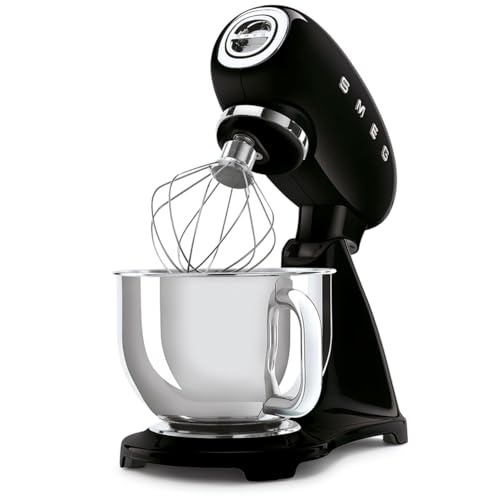
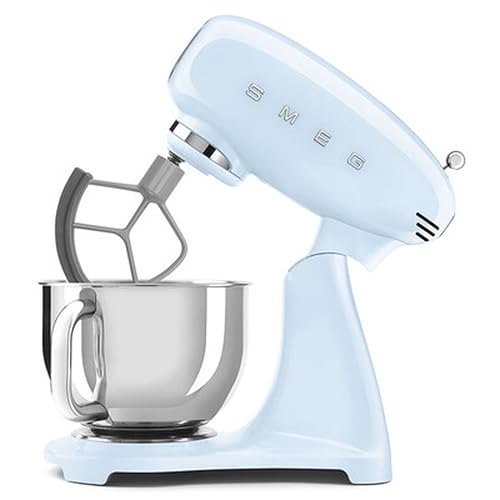
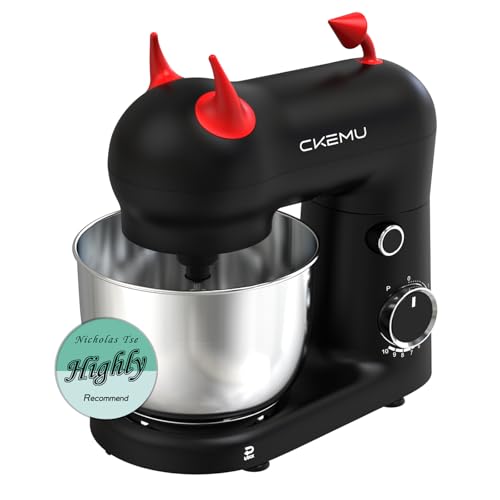
Quick Answer: What Counts as Compact and Who It Suits
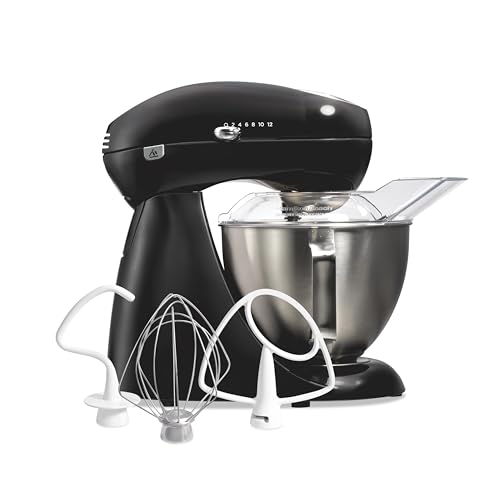
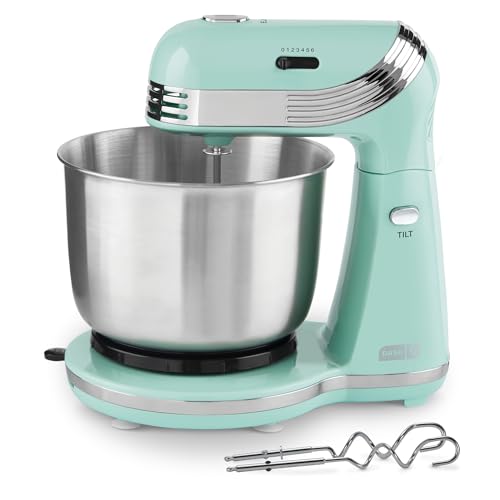
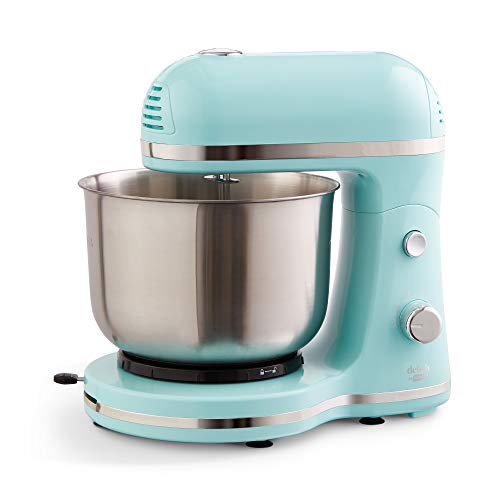
Compact usually means a bowl of about 3.5 to 5 quarts, a shorter body that fits under standard upper cabinets, and a weight you can slide forward without strain. It does not mean weak or toy like. A good compact model handles cake batter, cookie dough, whipped cream, and moderate bread dough in the batch sizes most homes make most often.
Choose compact if you bake for one to four people, store the mixer on the counter or in a deep drawer, and value quick setup and cleanup. Choose a larger model instead if you regularly double recipes, bake for crowds, or knead stiff dough several times a week. That honest split saves returns and disappointment later.
Before You Buy: A Quick Checklist for Choosing a Stand Mixer
Size: Match It to Your Space
A 3.5 quart bowl suits singles, couples, and small batches of cookies or frosting, and it keeps the footprint smallest. A 4.5 or 5 quart bowl gives families more room for cake layers and mashed potatoes without a much larger body. Larger 5.5 and 6 quart bowls leave the true compact class, so treat them as an upgrade only if your counter and cabinets can spare the height and depth.
Which Type Fits Your Routine
Tilt head models let you lift the head back to add ingredients and swap attachments, and they tend to be shorter and simpler for daily use. Bowl lift models raise the bowl toward a fixed head, which can feel steadier with denser loads but often adds height. Planetary mixing, where the beater moves around the bowl while it spins, helps reach more of the bowl in either design and matters more than the label on the box.
Features Worth Paying For and Ones to Skip
A stainless steel bowl with a handle is worth paying for because it is durable, light, and easy to pour from. A glass bowl looks clear for judging batter, but it is heavier and easier to chip, so weigh that trade off for your routine. A pouring shield, a flex edge beater, and a range of speeds you can start slowly add real value. Skip bundled pasta or grinding attachments you will not use in the first months, since you can add them later.
Wattage, Power and Energy Use
Wattage alone does not tell you how a mixer will handle thick dough, because motor design, gearing, and speed control shape the result as much as the number. Look for steady low speeds that do not surge and for clear guidance on maximum flour amounts. In normal home use the electricity cost per batch is small, so your bigger concern is a motor that strains, heats up, or stalls under loads the maker never intended for that size.
Safety Features and Certifications
Look for a listing mark such as UL or ETL on the product information, which shows the model was evaluated to a recognized safety standard. A locking head or bowl, stable feet, and a speed control that starts from off also matter in a busy kitchen. Keep cords away from water and hot pans, unplug the mixer before you change attachments, and stop at once if you smell burning or hear grinding that was not there before.
Counter Space and Dimensions
Measure three things before you order: the height from counter to the bottom of your upper cabinets, the depth from backsplash to counter edge, and the clear space to tilt the head or lift the bowl. Write the numbers down and compare them with the listed dimensions, leaving room for the cord and for your hands. If you plan to store the mixer in a cabinet, measure that opening too and check the weight honestly.
Realistic Budget Ranges
Under about $100, expect basic compact models with fewer speeds, lighter bowls, and shorter warranties, suited to occasional baking. About $100 to $200 covers most strong compact choices for regular home use. About $200 to $300 usually buys sturdier construction, better beaters, and quieter running. Above about $300, you pay for build quality and capacity that may exceed what a compact buyer needs, so spend there only for a clear reason.
Types Compared: Three Compact Styles for Different Homes
Instead of naming specific models, compare the three styles below against your own routine. This is also where task fit matters most. Readers focused mainly on loaves may want to read our guide to the best stand mixer for bread dough before they assume the smallest bowl will be enough.
The Smallest Footprint Style for Tight Counters
This style pairs a bowl near 3.5 quarts with a tilt head and a short, light body. It fits apartments, small houses, and kitchens where the mixer shares space with a coffee maker and a cutting board. It shines for cakes, muffins, whipped toppings, and single batches of cookies. Its limit is headroom in the bowl, so doubled recipes and large dough batches will crowd it and may need to be split.
The Middle Size Style for Most Families
This style uses a bowl near 4.5 or 5 quarts while keeping height and depth below most full size models. It balances capacity and storage for households that bake weekly and cook for three or four people. It handles layered cakes, bigger cookie batches, and family portions with less splitting. For readers whose main use is general baking, our guide to the best stand mixer for baking adds useful context on capacity.
The Sturdier Compact Style for Frequent Dough
This style keeps a modest footprint but adds a stronger motor feel, a firmer bowl lock, and attachments shaped for kneading. It suits bakers who make pizza or sandwich dough weekly in moderate amounts and want the mixer to feel calm under load. It will weigh more and cost more than the lightest styles. If your dough volume keeps growing, compare the trade offs in our guide to tilt head vs bowl lift stand mixer designs.
How to Compare Models Without Guesswork
Compare in a fixed order so marketing does not steer you. Start with fit, using your cabinet and counter measurements. Next check bowl size against your most common batch, then confirm the speeds and attachments included for the foods you make. After that, look at warranty length, replacement part availability, and how easy the bowl and beaters are to wash. End with price, judged against the features you will actually use each month.
Strengths and Limits of Compact Mixers
What works well is daily ease. A compact mixer lives within reach, so you use it for small jobs you would skip if setup felt like a project. It stores more easily, washes up faster because the parts are smaller, and costs less to buy and to replace. For many homes, that ease is the reason home baking happens at all.
The limits are just as real. Smaller bowls punish doubling, and lighter bodies can walk or strain with stiff dough if you push past the stated flour limit. Fewer models offer the very slow, steady kneading some bread bakers want. If you are deciding between counter tools, our comparison of stand mixer vs hand mixer options helps you judge whether a stand model is needed at all for your current recipes.
Common Buying Mistakes to Avoid
- Buying by bowl size alone and forgetting cabinet height, so the mixer will not fit where you planned to keep it.
- Assuming compact means you can double every recipe, which leads to overflow, uneven mixing, and a strained motor.
- Paying for a bundle of attachments you have no plan to use, while skipping a handle on the bowl you will lift daily.
- Ignoring the weight, so a mixer meant for a low cabinet becomes a lifting chore you avoid and then stop using.
- Skipping the sizing check entirely, when a quick review of what size stand mixer do i need would have matched the bowl to your batch sizes.
Cost of Ownership and Care
Ownership costs stay modest when you care for the basics. Replacement beaters, dough hooks, and bowls are the items most likely to need buying later, so check their prices and availability before you commit. Electricity per batch is minor. The larger saving comes from avoiding a second purchase, which is why fit checks matter more than a small price gap.
For care, unplug the mixer and wipe the body with a damp cloth after use, taking care that water does not enter vents or seams. Wash the bowl and attachments as the maker directs, dry them fully, and store them without stacking weight on the beater shaft. Run the mixer empty for a few seconds if flour dust settles near the head, and keep the cord loosely coiled rather than tightly wrapped, so it does not kink over time.
Your Questions, Answered
Are compact stand mixers worth it for a small household?
Yes, if your batches are small to moderate and counter space is limited. A compact model gives you hands free mixing for batters, frostings, and dough without the storage burden of a larger machine. It is less worthwhile if you mostly whip one egg white or stir tiny amounts, where a hand tool is faster to wash. The value comes from how often its size makes you reach for it.
How do you clean a compact stand mixer?
Unplug it first, remove the bowl and attachment, and wash those parts in warm soapy water or as the maker allows in a dishwasher. Wipe the head and body with a damp cloth and dry them right away. A small brush clears flour from seams and the attachment socket. Avoid soaking the head or spraying water into vents, since the motor and wiring sit inside that housing.
How long does a compact stand mixer last?
With normal home use and loads kept within the stated limits, a well built compact mixer can serve for many years. Life shortens when owners routinely overload the bowl, knead dough beyond the flour guidance, or store the mixer in damp conditions. Using the correct attachment for each job and letting a hot motor cool before the next batch both help the gears and motor last longer.
Can a compact stand mixer handle bread dough well?
It can handle moderate amounts of many bread and pizza doughs if you respect the flour limit and use the dough hook at the speed the maker recommends. Stiff, low hydration dough is the hardest test and may suit a larger or sturdier style better. Start with a smaller batch, add flour gradually, and stop if the body rocks or the motor labors. Splitting a large batch protects both texture and machine.
Is a stand mixer worth it if you bake only once a month?
It can be, if the jobs you do are tiring by hand, such as creaming butter and sugar, kneading dough, or whipping cream for guests. Once a month use argues for the simpler, lower cost compact styles rather than premium builds. If your monthly baking is a single tray of muffins stirred in one bowl, you may not need one at all. Match the purchase to effort saved, not to aspiration.
Final Thoughts
The right choice is the mixer that fits your cabinets, your batch sizes, and your budget without strain or storage drama. Measure first, pick the bowl size for your most common recipe, and favor simple features you will use weekly. When you want a best compact stand mixer that earns daily use in a real home, use the product table above to compare the styles side by side and choose the one your kitchen can welcome.