Best All Wheel Drive Mowers: Everything to Know Before Your First Purchase in 2026
Disclosure: We may earn a commission when you buy through links on this page, at no extra cost to you. As an Amazon Associate I earn from qualifying purchases. Learn more
Shopping for the best all wheel drive mowers for the first time? Learn the terms, compare options, and avoid rookie mistakes with this easy guide.
If your yard slopes, stays damp in the corners, or has soft ground that makes an ordinary mower spin and slide, you are probably looking at the best all wheel drive mowers for good reason. The choice can feel confusing when every listing talks about drive layouts, deck sizes, and power sources at once. This guide starts with the basics in plain language, then walks through the specs that change how a mower feels on your lawn.
By the end, you will know when power to all four wheels is worth paying for, when a simpler drive layout would serve you just as well, and how to set up your first cut. Start by matching deck size and power source to your yard.
All Wheel Drive Mowers 101: The Basics for New Buyers
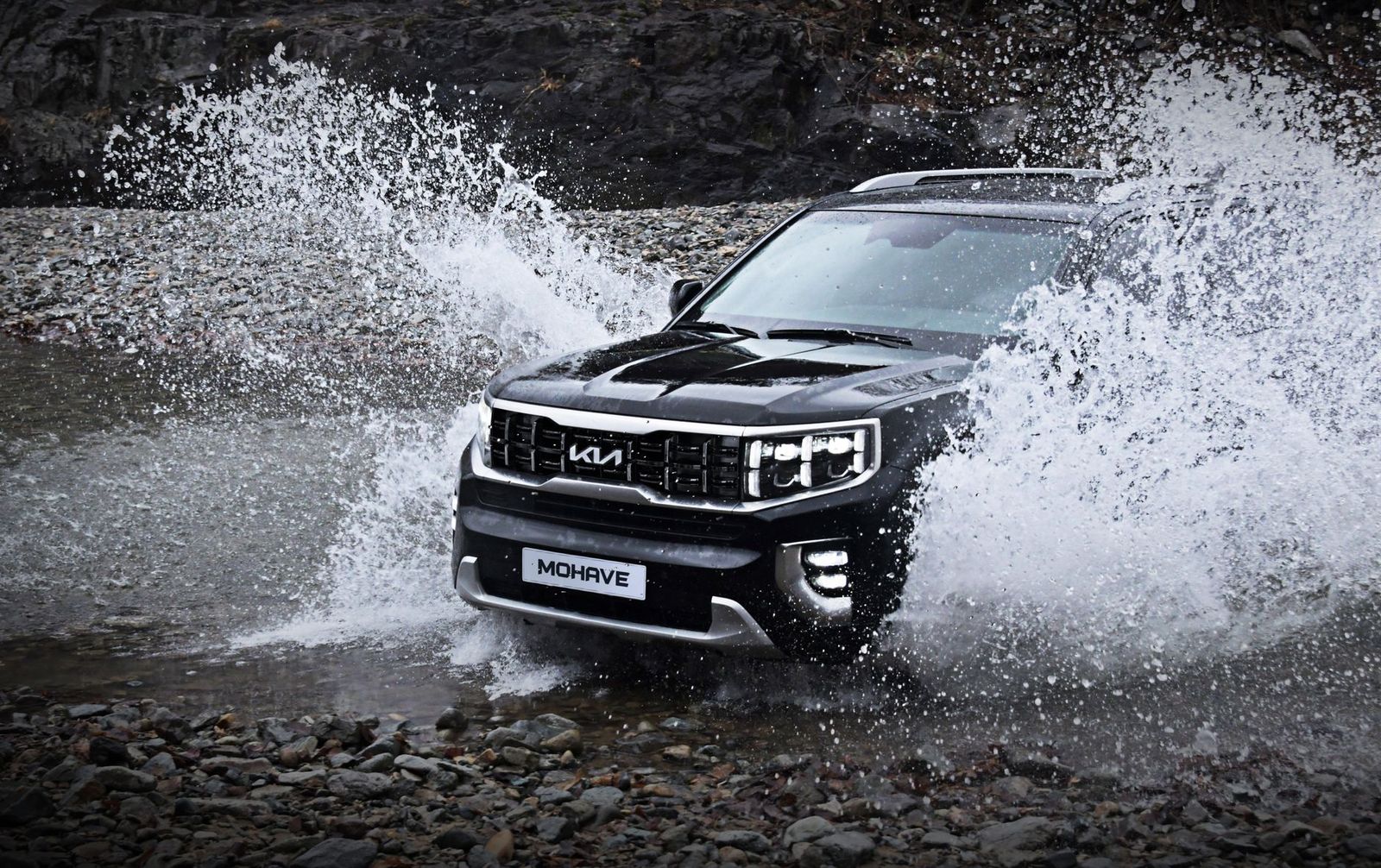
An all wheel drive mower is a self propelled mower that sends power to all four wheels instead of only the front pair or the rear pair. You still walk behind and guide it, but the engine or motor does the pushing, and every wheel helps pull. That shared grip matters most on a bank, in damp grass, or over bumpy ground where one pair of wheels alone would lose contact and spin.
Most models in this class are hand guided walk behind machines, and readers who want that narrower category can see our guide to the best all wheel drive push lawn mowers. Larger properties belong to a different family, the riding lawn mowers and tractors built for sitting down over long passes.
Who Should Buy the Best All Wheel Drive Mowers?
If one of these situations sounds like your yard, the extra traction earns its price.
Homeowners With Sloped or Uneven Lawns
A slope is where all wheel drive proves itself. Wheels at both ends keep pulling as the mower climbs, so you push far less and the machine tracks straighter instead of drifting sideways. Uneven ground benefits too, because one wheel rolling into a dip does not end the drive.
Owners of Damp or Soft Ground
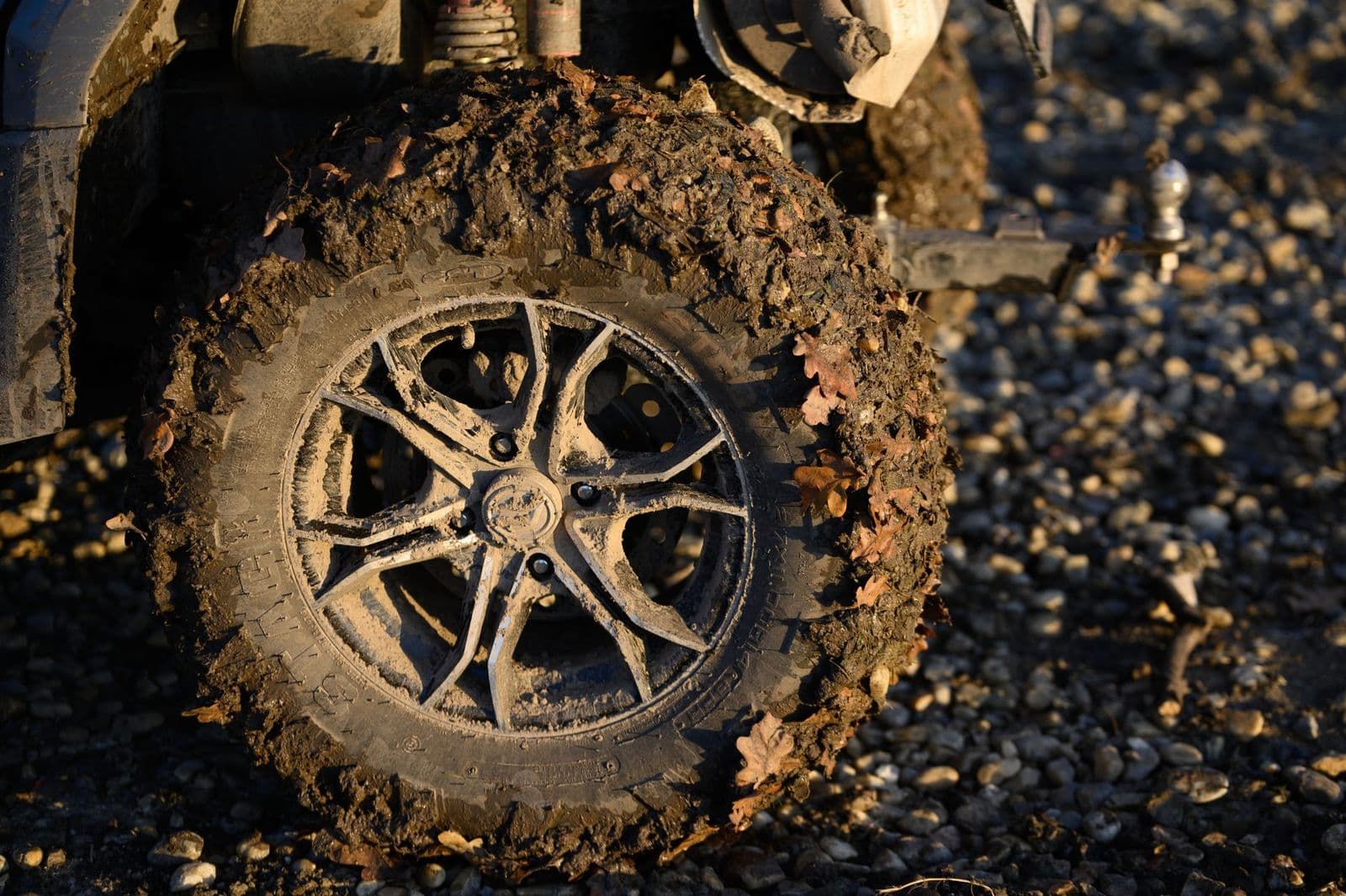
Low corners that hold morning moisture, shaded strips that dry slowly, and soft soil after rain all rob a mower of grip. Driven wheels at every corner spread the pulling effort, so the mower is less likely to dig in or tear the turf. Wait until the surface is merely damp rather than soaked, and the machine will handle the conditions in between.
Buyers With Larger Rough Yards and No Tractor
Some yards are too rough or broken up by beds and trees for a riding machine, yet big enough that pushing an unpowered mower feels like a workout. An all wheel drive walk behind mower splits the difference, giving you driven grip with the agility to work around obstacles. If your land stretches over several acres with hauling work, see our guide to the best 4 wheel drive mowers instead.
Mower Specs That Matter on Slopes and Soft Ground
Compare the best all wheel drive mowers on these five specs, which decide how a mower climbs, cuts, and fits your routine.
Power Source: Gas, Battery, or Corded Electric
Gas models deliver strong, steady power and refuel in minutes, which suits long sessions on big yards, but they ask for oil changes, air filter care, and fuel management. Battery powered mowers start at the push of a button, run quietly, and need almost no upkeep, though battery runtime limits each session. Corded electric mowers are light and simple, yet a cable makes slopes awkward, and true all wheel drive versions are rare. For most first time buyers, battery power is the calm choice, while gas wins on yard size and steepness.
Cutting Height Adjustment
Cutting height is how far the blade sits above the ground, and most walk behind mowers offer roughly 1 to 4 inches across several steps. A single lever moving all four wheels at once is easier than separate adjusters at each corner, which must be matched or the deck sits crooked. Taller settings suit summer heat and rough ground, since longer grass keeps its roots shaded.
Drive Layout and Mower Format
Drive layout decides which wheels pull. Front wheel drive mowers turn easily at the end of a row because lifting the front ends the drive, but they lose grip climbing, as our guide to the best front wheel drive lawn mowers explains. Rear wheel drive grips well on hills yet resists tight turns, and our guide to the best rear wheel drive mowers covers that trade off. All wheel drive combines both grips at a higher price. Look also for variable speed control, so the mower matches your walking pace.
Deck Size, Material, and Build
The deck is the housing that covers the blade, and its width sets how much grass each pass cuts. A deck around 21 inches balances coverage with easy handling and fits most garden gates, while wider decks shorten the job on open ground but feel clumsy in tight corners. Steel decks shrug off knocks and cost less, though they can rust once paint chips. Composite decks never rust and weigh less, but they cost more.
Mulching, Bagging, and Side Discharge Options
Most mowers in this class handle clippings three ways. Mulching cuts clippings finely and drops them back onto the lawn, where they return moisture and nutrients to the soil, and it works best with frequent cuts on dry grass. Bagging collects clippings in a rear bag for a tidy finish and easy leaf pickup in fall, though you stop often to empty it. Side discharge throws clippings out the side and copes best with tall or wet grass.
Unboxing, First Start and Your First Pass on a Hill
Prepare in this order and your first session goes smoothly.
- Read the manual, unpack on a flat surface, and check that the handle locks firmly and every height adjuster matches.
- Add the oil and fuel a gas model ships without, or charge a battery model fully before its first run.
- Set the cutting height toward the tall end, and try the drive control on a flat stretch before you aim the mower at a slope.
- Cut only about one third of the grass blade length per pass, at a steady walking pace so the drive wheels keep their grip.
Before you start, walk the yard for stones, toys, and hoses, since hidden objects can damage a blade in seconds.
Common Mistakes to Avoid
- Buying all wheel drive for a small, flat, dry lawn means paying for traction you will never use.
- Choosing a deck wider than your narrowest gate means lifting the mower or trimming the gap by hand weekly.
- Setting the cutting height too low scalps high spots and weakens grass across the whole yard.
- Turning sharply while heading down a slope can make the mower lurch and leave an uneven stripe.
- Picking a battery mower with one small battery for a large yard leaves the last corner uncut while you recharge.
- Storing the mower with wet clippings caked underneath invites deck rust and a ragged cut next season.
Care and Maintenance for All Wheel Drive Mowers
Drive to four wheels adds a few parts worth watching. After each cut, let the machine cool, remove the battery or disconnect the spark plug lead, then tip the mower as the manual directs and scrape the deck clean. Check the drive cable for stretch and the wheel tread for wear monthly, because worn tread quietly cancels the traction you paid for. Clear grass packed around the wheel gears, since buildup makes the drive engage unevenly.
Seasonal care is simple. Change the oil on a gas model at the interval the manual states, clean or replace its air filter, and store it with stabilized fuel. Keep a removable battery at the partial charge the maker advises, indoors away from freezing rooms.
FAQ
What size all wheel drive mower does a sloped yard need?
A deck of about 21 to 22 inches suits most sloped yards up to about half an acre. Narrower decks are easier to hold on line across a bank and turn with less effort at the top of each pass. Measure your narrowest gate before choosing, since a deck that fits the yard but not the gate creates weekly work.
Are battery powered all wheel drive mowers as capable as gas models on hills?
Yes, modern battery models climb typical residential slopes with the same driven grip as gas models. The difference shows over time rather than traction, because a battery drains faster when the drive works hard uphill, so a steep half acre may need a second battery. Gas still suits very long sessions.
How often should all wheel drive mower blades be sharpened?
Sharpen the blade about once a season for an average yard, and sooner if the cut starts to look torn. Dull edges leave pale, frayed grass tips that brown within a day or two, an easier warning sign than a calendar date. Sandy soil and twigs dull a blade faster, so check the grass tips often.
Is a zero turn mower worth it for one acre instead of an all wheel drive mower?
Only if that acre is mostly flat and open. A zero turn mower pivots fast around trees and shortens mowing time on level ground, but its caster front wheels offer little grip on banks, and it costs far more. Sloped or partly wooded acres favor the driven wheels and lower price of the walk behind choice.
How long does an all wheel drive mower usually last?
A well kept all wheel drive mower commonly lasts about 8 to 10 years of home use. The drive system usually ages first, since cables stretch and wheel gears wear, so replacing those parts when the drive feels weak can add seasons. Machines stored dry with clean decks reach the top of that range more often.
Wrapping Up
For a first purchase, keep your decision to three checks: the slope and softness of your ground, the power source that fits your session length, and a deck size that passes your gate. If hills or damp corners define your yard, the best all wheel drive mowers earn their place by pulling when other layouts spin. Check each candidate against those three points and choose the machine that matches your ground.