
Best Commercial Can Openers (2026): 3 Picks That Fit Real Homes
Disclosure: We may earn a commission when you buy through links on this page, at no extra cost to you. As an Amazon Associate I earn from qualifying purchases. Learn more

Choose the best commercial can opener for home by kitchen space, household size and budget, from table mount cranks to heavy duty manual models.
Picture a Sunday sauce day with a counter full of large tomato cans and a small opener that flexes, slips, and leaves a jagged rim on the second can. That moment is why many home cooks start looking for the best commercial can opener instead of another light kitchen gadget. This guide helps you choose by kitchen space, household size, and budget.
Commercial models are built for volume and repetition, but they come in very different shapes, from a crank unit that bolts to a counter edge to a compact manual tool with a thick steel frame. The comparison table below sums up the main types, and the sections that follow explain cost, space, and fit.


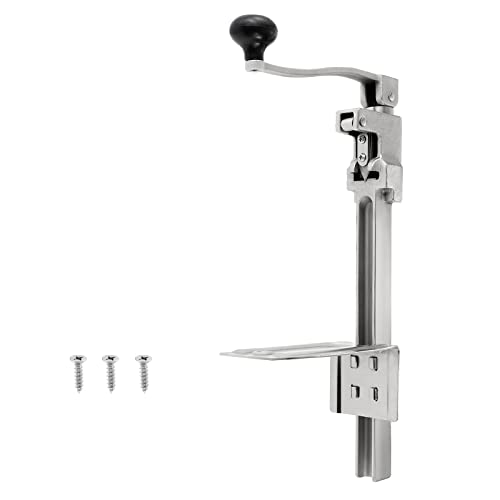
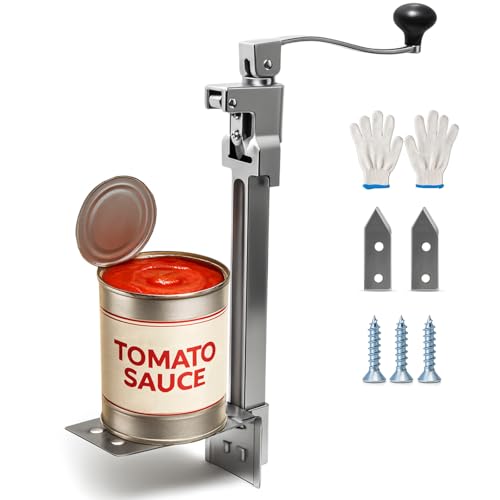
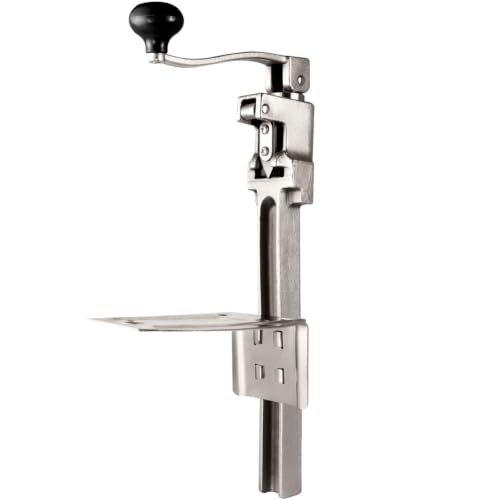


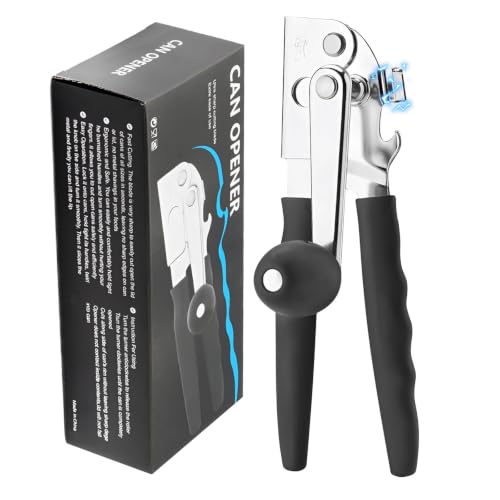


Quick Answer: Three Types That Fit Real Homes
If you open cans in batches for meal prep, canning days, or a big family, a crank style opener that mounts to a counter or table edge gives you the most leverage with the least hand strain. If your hands tire quickly or you open cans daily, an electric countertop model does the turning work for you. If your kitchen is small, a heavy duty manual model with a strong gear and a large turning knob brings commercial strength without giving up drawer space.
Household size is the simplest way to narrow the field. One or two people who open a few cans a week rarely need a mounted unit, while a home that cooks for six or more will feel the difference right away.
Before You Buy: A Quick Checklist for Choosing a Can Opener
Which Type Fits Your Routine
Start with how the opener does its work. Manual and handheld models rely on your grip and a turning knob, and they store in a drawer, which suits renters and small kitchens. Electric and automatic models cut at the press of a lever or button, which helps when your hands are full or sore, but they need counter space and an outlet. Smooth edge models cut below the rim and leave a lid with no sharp edge, while classic top cut models are simpler and often stronger on dented cans.
Commercial crank models sit at the far end of the range. They clamp or bolt to a surface and open large cans in a few turns of a long handle. Under cabinet models save counter space but limit can height. Match the type to your routine first, because the strongest opener in the wrong format will annoy you daily.
Materials and Food Safety
Look for a cutting wheel and gear made from hardened steel that resists rust, because these parts touch food liquid on every can. Stainless steel bodies wipe clean and hold up well near a steamy stove, while plated steel costs less but can chip and rust once the coating wears.
Food safety also depends on design details you can check in photos. A wheel that is easy to reach can be washed properly, and a head that lifts off an electric base can go to the sink. Avoid deep grooves and fixed covers that trap residue near the blade.
Dishwasher Safe or Hand Wash
Most commercial style openers are hand wash tools, and that is a strength rather than a flaw. Dishwasher heat and detergent can dull a cutting wheel, fade plated finishes, and force water into a gear housing where it starts rust. A quick wash in hot soapy water and a full dry keeps the parts sharp and clean.
Some manual models are sold as safe for the dishwasher, but hand washing still extends their life and takes under a minute. Electric models should never go in the dishwasher or under a running tap. Wipe the body, remove the cutting head if it detaches, and wash that part by hand. If easy cleanup matters most, choose a detachable head or a simple open frame.
Realistic Budget Ranges
Price bands are wide, and each band buys you something real. Under $15 usually covers a basic manual opener with commercial styling but lighter steel, fine for light weekly use. Models at under $25 tend to add a thicker frame, a larger knob, and a better gear, the value zone for most homes. At under $50 you will find strong electric countertop models and entry level crank units.
Above that range, mounted openers cost more because of their heavy base, long handle, and replaceable cutting parts. Paying more makes sense when you open large cans often, since a replaceable wheel can keep one opener working for years.
Types Compared: Choosing the Best Commercial Can Opener for Home Use
Crank and Table Mount Models for High Volume Days
A mounted crank opener is the type restaurants use, scaled here for a home that cooks in bulk. The can sits on a base, a bar locks the rim against the wheel, and a long handle turns the can through the cut with steady leverage. Your hand guides rather than squeezes, so opening ten cans for a freezer cooking day feels calm instead of tiring. These units also handle tall and heavy cans that would wobble under a handheld tool.
The trade off is space and commitment. A bolted model needs a suitable counter edge or a sturdy table, plus clear room for the handle swing. Measure before you buy. For a home based caterer or a large family, this is the most capable route.
Electric Countertop Models for Low Effort Opening
An electric countertop opener trades raw strength for ease. You set the can under the cutting head, press the lever, and the motor walks the can around the wheel until the lid releases. That low effort design suits cooks with weak grip, arthritis, or an aching wrist, and it keeps one hand free. If that sounds like your household, our guide to the best automatic can opener covers more hands free options in this style.
Check two things before choosing an electric model. First, height clearance matters, because tall cans must fit between the base and the head. Second, lid control matters, since a magnet that holds the cut lid keeps it from dropping into food.
Heavy Duty Manual Models for Small Kitchens
A heavy duty manual opener borrows the steel, gear size, and wheel quality of commercial tools but keeps the familiar handheld shape. It stores in a drawer and needs no outlet, batteries, or mounting screws. For many homes it is the sensible middle ground, and our wider guide to the best can opener explains how these compare with standard models.
Within this type, small design choices change daily comfort a lot. A large soft knob turns with less pinch, thick handles spread pressure across your palm, and a side cutting wheel leaves a smoother rim. Shoppers comparing grip styles may also want to see the best handheld can opener guide for compact tools you hold over the can.
How to Compare Commercial Can Openers
Compare models on five criteria: ease of use, durability, cleaning, design, and value. Ease of use covers grip effort, handle length, and behavior on small and large cans. Durability means frame thickness, gear and wheel materials, and whether wear parts can be replaced. Cleaning and design look at washable surfaces and storage footprint.
Strengths and Drawbacks: Commercial vs Standard Can Openers
The biggest strength is the margin of strength. A commercial opener does not strain on a thick rim or a slightly dented can, and its parts are often made to be serviced rather than thrown away. Leverage is the second win, since a long handle or a geared knob asks far less of your hands across a batch of cans. That is also why many older cooks do well here, as our guide to the best can opener for seniors explores.
The main drawback is the footprint. Mounted and electric models take room that a small kitchen may not have, and they cost more up front than a basic opener. Be honest about your volume, because the best fit matches your real routine, not the strongest tool on the shelf.
Common Buying Mistakes to Avoid
- Buying a mounted opener before measuring counter edge thickness and handle swing space, so it arrives with nowhere to install.
- Choosing by price alone and ignoring whether the cutting wheel can be replaced, so one worn part ends the life of the tool.
- Picking an electric model without checking tall can clearance, so your largest cans do not fit under the cutting head.
- Assuming a stronger opener needs no drying care, so the wheel rusts early and starts tearing lids.
- Adding features you will never use, so the opener becomes a chore to store and clean.
Cost of Ownership and Care
Ownership costs stay low when you plan for the few parts that wear. Replacement wheels and gears for mounted models cost a modest amount and swap in with basic tools, while a sealed manual opener must be replaced whole when its wheel dulls. Electric models add a small power cost and, for cordless versions, batteries.
Care is simple and quick. Wash the cutting parts after use, especially after cans of fish, tomato, or fruit in syrup, because acids and sugars speed up rust and leave residue on the gear. Dry the wheel and gear fully before storing, and add a drop of food safe mineral oil on the gear now and then if the maker allows it. For a fuller routine, our walkthrough on how to clean a can opener goes step by step.
Your Questions, Answered
Are commercial can openers worth it for a home kitchen?
They are worth it when your cooking volume or your hands make a standard opener feel like work. A home that opens large cans weekly, cooks for a crowd, or cans and freezes in batches will use the extra leverage every time. A light user who opens a can of beans now and then will not gain much. Match the tool to your honest weekly count.
How do you clean a commercial can opener properly?
Wash the wheel and gear in hot soapy water with a small stiff brush, because the gear teeth hide food liquid that a cloth misses. A quick trick after washing is to clamp a folded paper towel and turn the handle, which pulls moisture out of the wheel. For light rust spots, a paste of baking soda and water usually lifts them. Dry every part fully before storing.
How long does a commercial can opener last?
A mounted or heavy duty manual model often lasts many years, and the cutting wheel is usually the first part to wear rather than the frame. You will know the wheel is tired when the opener needs a second pass or leaves shreds of metal along the rim. On models with replaceable wheels, that is a cheap fix. Electric models tend to give shorter service because the motor wears alongside the wheel.
What makes a can opener brand reliable?
Reliability shows up in support rather than in a name. Look for a maker that sells replacement wheels and gears, publishes clear mounting and care instructions, and offers a real warranty. Steady buyer feedback about the same model over several years is another good sign. A brand that drops support for older models leaves you with a strong frame you cannot repair.
Can a commercial can opener handle very large cans?
Yes, within the height and weight limits the maker states, and this is where mounted crank models shine. The base supports the weight of a full large can, so the wheel only has to cut rather than hold the can up. With a handheld model, your free hand carries that weight, and a heavy can can twist and break the cut.
Final Thoughts
Choosing well comes down to three honest answers: how many cans you open, how much space you can give the tool, and how much effort your hands want to spend. Mounted crank models reward high volume homes, electric models reward tired hands, and heavy duty manual models reward small kitchens. Use the product table above to compare the types, and the best commercial can opener for your home will fit your counter, your cans, and your routine. New to mounted styles? Our guide on how to use a can opener shows the technique.


