
Best Can Opener for Seniors for 2026: A Comfort and Safety Guide
Disclosure: We may earn a commission when you buy through links on this page, at no extra cost to you. As an Amazon Associate I earn from qualifying purchases. Learn more

Choose the best can opener for seniors by grip effort, handle size, lid safety, and ease of cleaning.
Opening a can of beans should not end with sore hands or a skipped meal, so choosing the best can opener for seniors is really about comfort, control and safety. A good match lets you finish the job with less squeezing, less twisting and no struggle to hold the can steady. It also leaves a lid you can lift and discard without worrying about a sharp rim.
This guide is written for real homes rather than show kitchens. It helps you choose by counter space, household size and budget. Use the comparison table below to compare types side by side, then read the sections that match your hands and your routine.
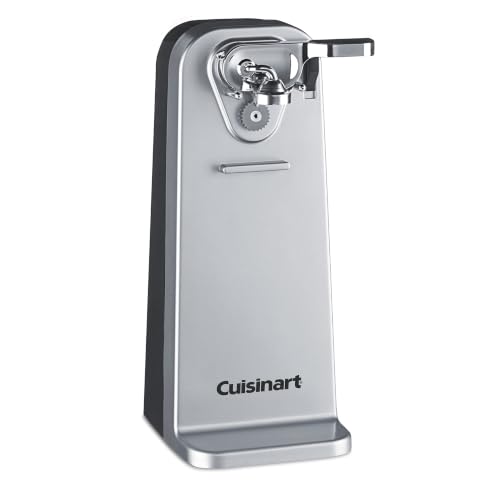
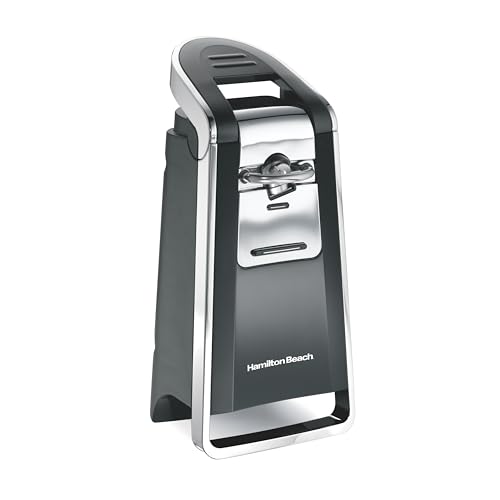
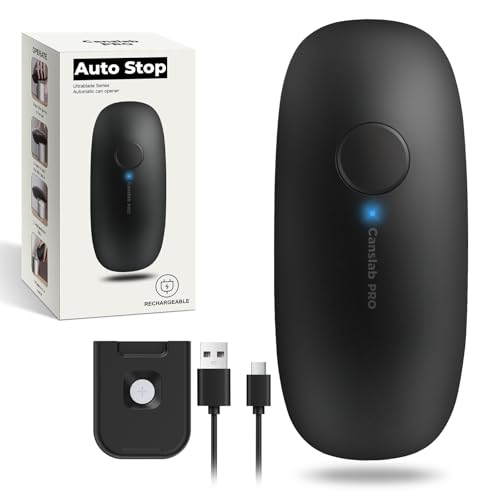
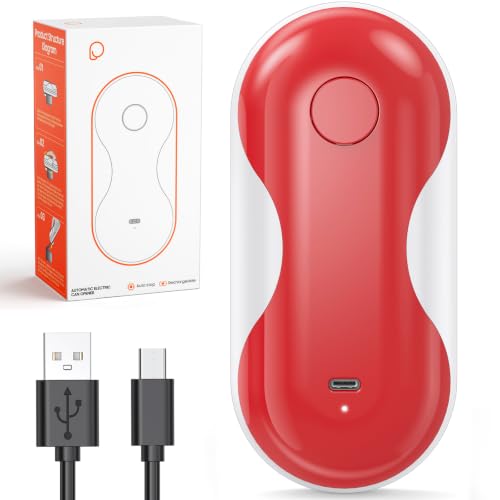


Quick Answer: Three Profiles in Brief
If you want the short version, start with the profile that sounds most like you. Most seniors do best with either a manual opener with thick handles and a large knob, or an electric opener that does the turning for you. The right choice depends on grip strength and counter space.
- Steady hands, mild stiffness: a manual side cutting opener with cushioned handles gives good control and takes little space.
- Weak grip or sore joints: an electric or automatic opener removes the squeezing and turning, as long as you can place the can and press one large control.
- One hand doing most of the work: a design that locks onto the can and stays put matters more than speed.
Before You Buy: A Checklist for the Best Can Opener for Seniors
Start with your hands, not with the price tag. Think about whether your main problem is squeezing, turning a knob, holding a can still, seeing where the cutter sits, or lifting a sharp lid. Each problem points to a different type. If you want the wider picture first, see our guide to the best can opener for general types.
Which Type Fits Your Routine
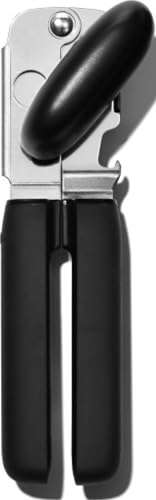
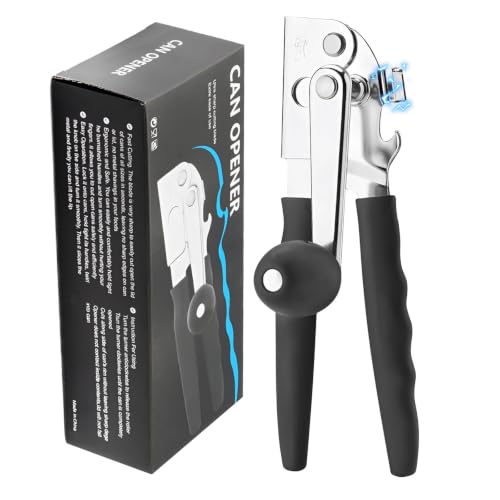
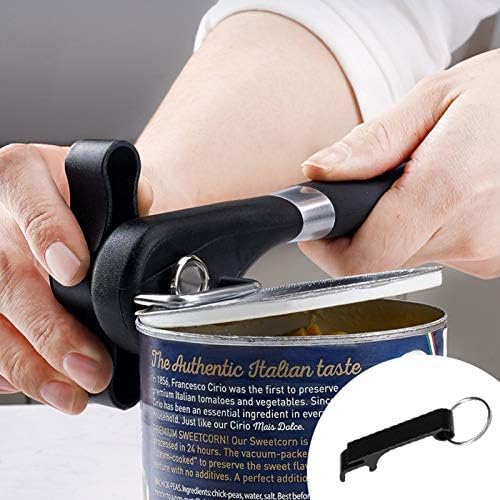
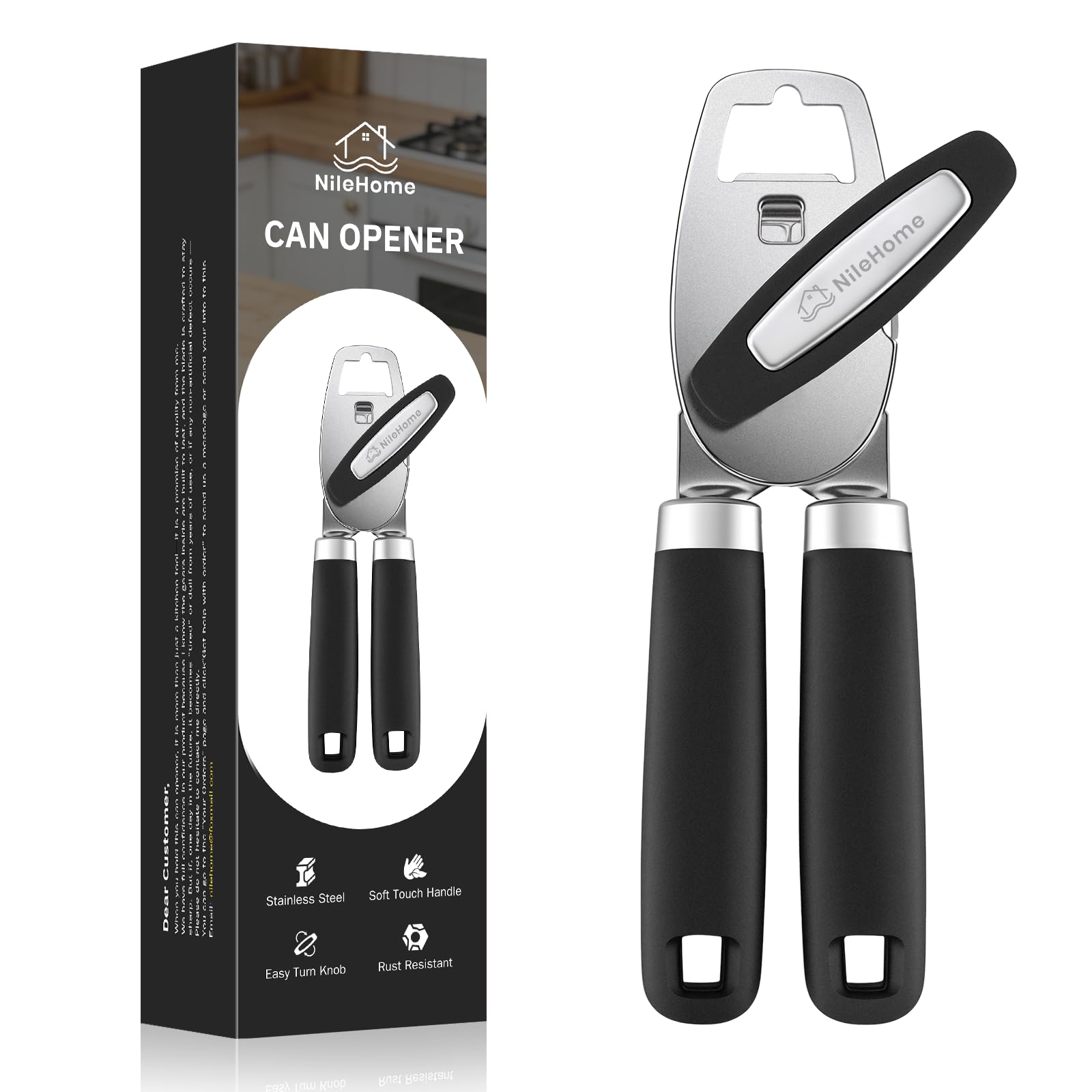
Manual openers are small, quiet and cheap to own, and they work during a power outage. They do ask for grip strength twice, once to clamp the cutter onto the rim and again to turn the knob. Look for thick cushioned handles and a knob wide enough to turn with your whole hand. If that style appeals to you, compare it with the options in our guide to the best handheld can opener.
Electric and automatic openers do the turning for you once the cutter engages the rim. Corded countertop models suit people who open cans most days and have counter space near an outlet. Battery powered models store in a drawer but add battery cost and weight. Our guide to the best automatic can opener explains how these hands free styles differ.
Smooth edge openers cut around the outside of the rim instead of through the top of the lid. The lid lifts off with no jagged edge, which helps if your skin tears easily or your hands shake a little. They take a short learning curve because the cutter position feels different at first. If safer lids are your priority, read our guide to the best smooth edge can opener for more detail.
Mounted and under cabinet models hold the opener in one fixed place, so you never hunt through a drawer or support its weight. They suit a cook who works at the same counter and opens cans often. The trade off is installation and harder cleaning around the cutting head. For most smaller homes, a drawer stored manual or compact electric model is simpler.
Materials and Food Safety
Cutting wheels and gears should be stainless steel or another rust resistant metal that handles tomato sauce and fruit juice without pitting. Handles in sturdy plastic or a soft grip coating are fine, as long as the coating has no cracks where food can lodge. A head shape you can see and reach with a brush matters for hygiene.
Washing by Hand or in the Dishwasher
Many manual openers claim to tolerate a dishwasher, yet hot water and detergent dull cutting edges and fade soft grips over time. Hand washing in warm soapy water, followed by full drying, protects the cutter and stops rust spots. Electric models must never go in water, and their heads need wiping and careful drying instead.
Realistic Budget Ranges
Under $15, expect simple manual openers with basic handles and a standard top cutting wheel. They can work for occasional use if the knob is large, but thin handles often hurt arthritic hands. Under $25, you gain thicker grips, better steel and smooth edge designs. Under $50, most extra money goes to electric power and easier one touch controls.
Three Buying Profiles and What to Prioritize
Types and features matter far more than price tiers. Use the three profiles below to decide what to prioritize, then check any model against those priorities. No single style wins for every senior.
Profile One: Most Homes and Mild Hand Stiffness
Choose a manual smooth edge or top cutting opener with wide cushioned handles, a large oval knob and a magnet or lid lifter. This profile keeps cost low, storage simple and control high for someone who opens a few cans a week. The opener should clamp on with a gentle squeeze and stay clamped. If you must squeeze hard to keep it engaged, it is the wrong tool.
Profile Two: Low Spending With Simple Needs
If you open cans only now and then, a basic manual opener under $15 can be enough, provided the handles are not thin bare metal. Spend on handle comfort and a knob you can turn, not on extras you will rarely use. Test it on a cheap can of beans within the return window. An opener that slips or leaves metal slivers is not a saving at any price.
Profile Three: A Long Term Investment in Ease
If sore joints or weak grip already make cooking harder, paying about $30 to $50 for a good electric opener can be money well spent. Prioritize a large start button, a cutter that engages with clear feedback and a base that stays put. A tall design adds value if you cook soups or stews for family visits.
Living With It: What Really Matters Day to Day
Grip strength often changes across the day, and many people find their hands stiffest in the morning. An opener that feels fine in a store at noon may frustrate you at breakfast, so judge handle comfort by your stiffest moments. Thick handles help because they let your fingers stay more open, which reduces joint strain.
Vision matters more than most guides admit. A cutter in a contrasting color to the handle is easier to position, and good light helps you see when the wheel has seated. If you wear reading glasses for close tasks, wear them for can opening too, since a partly seated cutter can slip. Keep cans on a damp cloth or a nonslip mat so the can stays still.
Safety deserves direct attention. A cut from a lid edge can be serious if your skin is thin, if you take medicine that slows clotting, or if a wound heals slowly. Choose smooth edge cutting or use a lid lifter to handle sharp lids, and drop lids straight into the bin. If a cut is deep, keeps bleeding, or shows spreading redness later, seek medical care promptly.
Household size quietly shapes the best fit. A person cooking for one values a compact tool in a drawer near the stove. A couple who open cans daily may benefit from an electric model kept out and ready. In a multigenerational home, an opener that several people can use safely, including a left handed family member, avoids buying two tools.
Common Buying Mistakes to Avoid
- Choosing thin metal handles: they concentrate pressure on sore joints and make every can a painful task.
- Ignoring can height on electric models: a base that is too short cannot engage tall cans, so those cans still need a manual backup.
- Buying for features you will not use: extras like knife sharpeners add bulk and cleaning crevices without making opening easier.
- Forgetting storage space: a bulky opener that will not fit your drawer or counter will end up stored far from where you cook.
- Skipping the first test can: waiting months to try a new opener can leave you stuck with one your hands dislike after returns close.
Cost of Ownership and Care
Manual openers cost nothing to run and usually last for years if the cutter stays dry and the hinge stays clean. Electric models add a small cost for batteries or electricity, plus more care around the motor housing. No type needs costly accessories, though a small brush for the gear head is a wise purchase of under $10.
Clean the cutting head after every use, because dried food on the gears is the main cause of stiff turning. Wash manual models in warm soapy water, scrub the wheel with a brush, rinse and dry fully. Wipe electric heads with a damp cloth and dry them at once. For a full routine, see our guide on how to clean a can opener after messy foods like tuna or tomato sauce.
Store manual openers dry in a drawer where the cutter cannot knock against knives and dull. Keep electric cords loosely coiled, never wrapped tight around the body. Check handles for cracks in soft grip coatings, since cracks trap moisture and bacteria. Replace any opener whose wheel wobbles or whose handles flex.
Your Questions, Answered
What makes a can opener reliable for seniors over time?
A reliable opener for seniors has a steel cutting wheel that stays sharp, a hinge with no side play and handles that stay firm after daily use. Reliability also depends on care, because a clean and dry cutter resists rust far longer than a neglected one. Look for a solid warranty length as one extra signal of maker confidence. If a wheel starts skipping spots on the rim, that early warning usually appears months before total failure.
How do you clean a can opener?
You clean a can opener by washing or wiping the cutting head right after use, scrubbing the gears with a small brush and drying every part fully. Warm soapy water lifts most food residue from manual models in under a minute. A paste of baking soda can lift stubborn stains on steel parts during a monthly deep clean. Never soak an electric model, and never store any opener while it is still damp.
Is a can opener worth buying for seniors who open cans rarely?
Yes, a can opener is worth buying for seniors even when cans appear only a few times a month, because one hard struggle can cause pain or a cut. A simple manual model under $15 covers rare use without ongoing cost. Borrowing strength from a neighbor or using a knife on a lid is far riskier than owning a basic tool. Choose comfort over extras and the small purchase pays off in independence.
How long does a can opener for seniors usually last?
A can opener for seniors usually lasts about three to five years in regular home use, and longer when it is washed and dried after each use. Electric models may end their life through motor wear while the cutter still looks fine. Heavy use on large cans shortens life for any type because each turn stresses the wheel and hinge. Keeping a simple manual backup means a failure never blocks a meal.
What should seniors look for first in a can opener?
Seniors should look first at how much grip and turning effort a can opener demands, because that decides whether it gets used or avoided. Test the squeeze, the knob size and the weight in your weaker hand if you can. A built in magnet that lifts the lid is a useful second check, since it keeps fingers away from the rim. Only after comfort is settled should price and extra features guide the final choice.
What is the best can opener for seniors?
The best choice for seniors is the type that matches your grip, your kitchen space and how often you open cans, rather than one universal model. Manual smooth edge styles suit steady hands and small kitchens, while electric styles suit weak grip and daily use. A tall base matters if you open large soup cans often, a detail many shoppers miss. Match the profile sections above to your routine and you will land on the right type.
Final Thoughts
The right opener turns a small daily chore back into a simple one. Compare your grip, counter space and budget against the profiles above, and use the product table above to check the types that fit. For most readers, the best can opener for seniors will be the one they can use on a stiff morning without help and clean in under a minute.

