Best Automatic Can Opener: Types and Buying Tips (2026)
Disclosure: We may earn a commission when you buy through links on this page, at no extra cost to you. As an Amazon Associate I earn from qualifying purchases. Learn more

Compare countertop, cordless and under cabinet types to find the best automatic can opener for your counter space and routine.
Picture a weeknight dinner with pasta sauce, beans, and a can of tomatoes all waiting at once, and a manual opener that keeps slipping off the rim. Finding the best automatic can opener for your home removes that small daily friction. It cuts around the can while you get plates ready, and it asks far less grip strength from your hands.
This guide focuses on fit rather than hype. We look at counter space, cabinet height, household size, and how often you cook with canned goods, then match each home to one of three designs. You can compare the three designs side by side in the comparison table below, and readers who want the wider category view can start with our guide to the best can opener before coming back to the automatic options here.
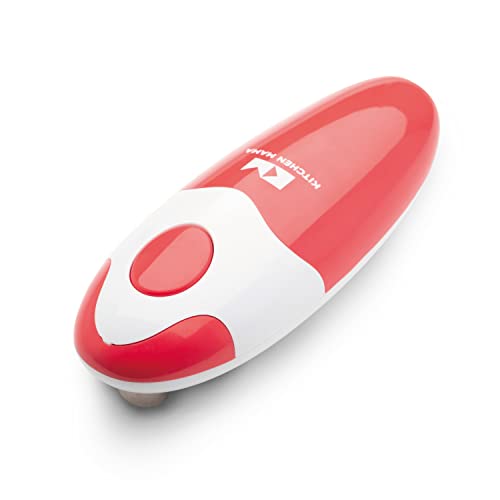


Quick Answer: The Three Types in 30 Seconds
If you want the short version, automatic openers fall into three groups, and the right group depends on your kitchen more than on any single feature.
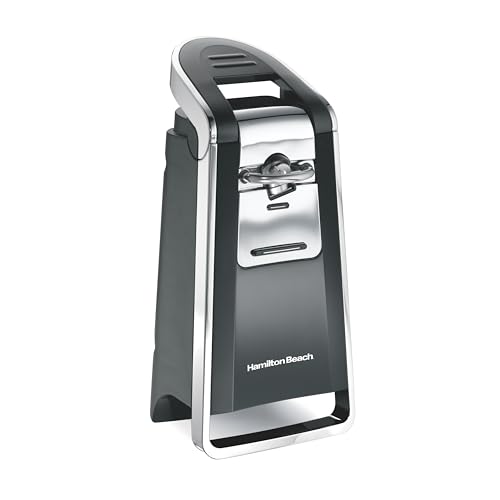
- Countertop corded models sit by an outlet, handle standard and large cans with steady power, and suit busy family kitchens.
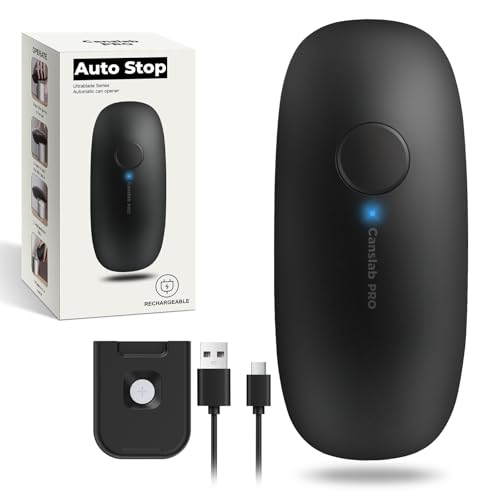
- Compact cordless models rest on top of the can, walk around the rim on battery power, and store in a drawer.
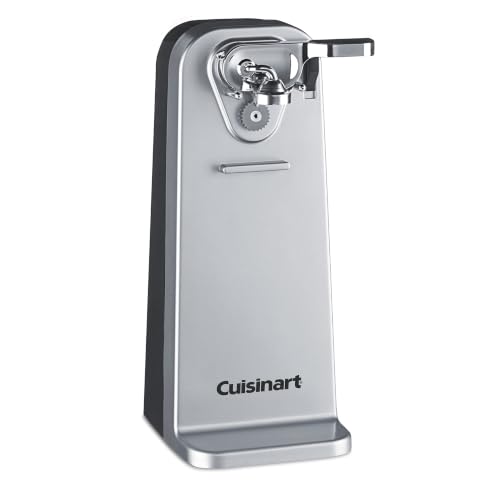
- Under cabinet models mount in place, save counter room, and keep the opener ready at one fixed spot.
The sections below explain how to choose among them by routine, materials, washing, and budget.
Before You Buy: A Quick Checklist for Choosing
An automatic opener is a small purchase, but the wrong one annoys you every time you cook. Work through these four checks before you look at any model.
Which Type Fits Your Routine
Start with where the opener will live. A countertop corded model needs outlet access and a clear patch of counter, and in return it gives steady power for back to back cans at family meals. A compact cordless model runs on batteries, travels to a rental or a camper, and frees the counter, though you must keep spare batteries nearby. An under cabinet model stays mounted and ready, which suits a kitchen where every inch of counter already holds a board or a rack. If counter room is your main limit, see our guide to the best handheld can opener for drawer friendly designs.
Materials and Food Safety
Look at the cutter wheel and the parts that touch food. A stainless steel wheel resists rust and keeps a clean edge longer than a thin coated wheel, and a solid gear turns that wheel without flexing under load. The housing is usually plastic, which is fine when it feels dense and the seams sit tight. Food safety comes down to contact surfaces you can wipe fully, with no deep grooves near the wheel where sauce can hide and dry. Smooth edge designs lift the lid away without a sharp rim, and our guide to the best smooth edge can opener explains that cutting style in detail.
Dishwasher Safe or Hand Wash Only
Most automatic openers are hand wash only, because the motor and the battery contacts cannot go under water. What you want instead is a cutter head that unclips or lifts away, so the part that touches food can go in the sink or, on some designs, the dishwasher. Wipe the body with a damp cloth and dry the wheel after each wash, since a wheel left wet is the part that rusts first. If easy washing matters most in your home, put a removable cutter head at the top of your list before you compare colors or extra features.
Realistic Budget Ranges
Prices for automatic models spread wider than most buyers expect. Simple cordless models cluster at about $15 to $25 and cover standard cans for one or two people. Countertop models with stronger motors and taller can clearance sit at about $25 to $50. Under cabinet and premium cordless models can run over $50, and that higher price buys mounting hardware, a stronger motor, or a rechargeable battery. Set your range by cans opened per week, because heavy weekly use shows motor strength fast.
Three Types Compared for Real Homes
With the checklist done, the three types below cover nearly every home. Each suits a different mix of space, household size, and budget, and each asks a small trade off in return. If this is your first automatic model, a quick read of how to use a can opener will make the first can feel familiar, since the loading step differs from a manual opener.
Countertop Corded Models for Most Homes
Choose this type when cans appear at most meals and an outlet sits near your prep area. The motor draws steady power, so the wheel keeps its pace on large cans of beans or stock that slow a small battery model. The cost is counter room and a cord to manage, which matters in a galley kitchen. For a family of four or more that cooks from cans several times a week, this is the type that feels unhurried and ready every single day.
Compact Cordless Models for Small Kitchens
Choose this type when storage is tight or when grip strength is limited. The unit sits on the lid, you press one button, and it walks the rim on its own, so weak or sore hands do little work. That same ease explains why many shoppers read our guide to the best can opener for seniors before choosing a cordless design. The trade off is battery care and a slower pace on very large cans, a fair exchange for a drawer sized tool in a small home.
Under Cabinet Models for a Fixed Station
Choose this type when the counter must stay clear and the same person opens cans at the same spot every day. Mounting takes a drill, a few screws, and a check that your tallest can still fits beneath the unit with room to spare. Once mounted, the opener never migrates to a drawer or a back shelf, and both hands stay free to hold the can steady. Renters who cannot drill into cabinets should skip this type and take a cordless model instead.
Our Selection Process
Our shortlist for the best automatic can opener came from manufacturer specifications, owner manuals, and patterns in verified buyer reviews, scored on ease of use, durability, cleaning, design fit for real homes, and value for the price. We gave extra weight to daily ease, because an opener that saves effort on a tired evening matters more to most homes than a long feature list. No brand paid for a place in this guide.
What We Like and What We Do Not Like About Automatic Models
Automatic models earn their drawer or counter space in specific ways, and they give up a few things that a simple manual opener still does well.
What we like:
- One button starts the cut, and the opener stops on its own when the circle is done, so you can stir a pot while it works.
- Many designs lift the lid clear with a small magnet, so the lid never drops into the food.
- The low grip effort helps cooks with sore joints and anyone opening many cans in a row.
- Cordless models work at the pantry shelf or the table, far from any outlet.
What gives us pause:
- Batteries and motors add failure points that a manual opener simply does not have.
- A dead battery at dinner time means a manual backup still earns a place in the drawer.
- Larger cans and dented rims can stall a small motor where strong hands would push through.
- Washing takes more care, because the motor body must stay dry.
Common Buying Mistakes to Avoid
Most returns trace back to a short list of avoidable errors.
- Buying a countertop model before measuring the space under your upper cabinets, so tall cans no longer fit beneath them.
- Picking the smallest cordless model for stockpot sized cans, so the motor strains and the cut wanders off the rim.
- Skipping the cutter style check, so the opener cuts inside the rim and lids drop into soups and sauces.
- Mounting an under cabinet model in a rental kitchen, then losing part of the deposit to filled screw holes.
- Judging by color and styling first, so the opener matches the kitchen but fights the way you actually cook.
Cost of Ownership and Care
Running costs stay low for every type. A corded model uses a trickle of electricity per can, and a cordless model asks for batteries a few times a year or a short charge when it slows. Budget a small amount each year for a replacement cutter wheel, because a fresh wheel restores a clean cut for far less than a new opener. Our step by step guide to how to clean a can opener covers the deep clean that keeps that wheel cutting well.
Daily care takes a minute. Wipe the housing after splashes, wash and dry the removable cutter head, and store the unit dry with the cord loose rather than wrapped tight around the body. Keep the opener away from the steamy spot beside the stove, since steady heat and moisture age plastic and battery contacts faster than plain shelf storage does.
Your Questions, Answered: FAQ
What is the most reliable can opener brand?
No single brand earns that title for every home, because reliability tracks build choices more than a logo. A steel cutter wheel, a metal gear train, and a motor housing with tight seams outlast thin parts in any brand, and a warranty of at least a year plus spare wheels sold separately signal that the maker expects the opener to be repaired, not replaced. Check those signs and the model matters more than the name.
How do you clean an automatic can opener?
Unplug the unit or remove its batteries first, then brush the gear and the wheel with an old toothbrush to lift out dried sauce that a cloth cannot reach. Wipe the body with a damp cloth and dry every part before you store it. Clean the wheel the same day you open tomato based foods, because tomato acid left overnight can stain and dull the cutting edge.
How long does an automatic can opener last?
Most households get several years from one unit, and the cutter wheel almost always wears out before the motor does. The clearest sign of wear is a cut that needs two trips around the rim or leaves metal threads along the edge. One habit stretches that lifespan more than any other: take the batteries out before long storage, because a leaking battery can corrode the contacts and end the opener life in a single season.
Are automatic can openers worth it for a small household?
For a small household, the math turns on frequency rather than family size. If you open three or more cans a week, the saved effort and the smoother lids repay the price within everyday cooking, and a compact cordless model keeps the cost and the storage footprint low. If a single can a week is your pace, a simple manual opener covers the job and the automatic model becomes a nice extra rather than a need.
What is the best automatic can opener?
The honest answer depends on the type that fits your kitchen, and the product table above shows the three designs side by side. Countertop corded models suit daily cooking, cordless models suit small spaces and limited grip strength, and under cabinet models suit a fixed prep station. One test settles close calls: keep the receipt and try the opener on a dented can during the first week, because dented rims reveal weak motors faster than perfect cans do.
Final Thoughts
An automatic opener is a modest upgrade that pays you back in small moments, can after can. Match the type to your space and your routine, keep the cutter clean and dry, and the best automatic can opener for your home will feel less like a gadget and more like part of the kitchen. Compare the three designs once more in the product table above, check the current price, and choose the one that fits the way your household already cooks.