
Best Can Opener for Your Home in 2026: Types, Fit and Daily Care
Disclosure: We may earn a commission when you buy through links on this page, at no extra cost to you. As an Amazon Associate I earn from qualifying purchases. Learn more
Choose the best can opener by type, cutting style, grip comfort, and care, from manual drawer models to electric ones.
A can opener usually fails at the worst moment, halfway through a weeknight soup or a family sized batch of beans, when the wheel slips and the lid bends instead of lifting cleanly. Choosing the best can opener for your home is less about fancy extras and more about matching the tool to your kitchen space, your household size, and the hands that will use it most. The comparison table below gives you a fast overview before you read the details.
This guide focuses on everyday fit rather than novelty. You will learn how manual and electric models differ, which cutting style suits your habits, what materials hold up in a busy drawer, and what each budget level realistically buys. By the end you will know which profile fits a small apartment, a family kitchen, or a home where grip comfort matters most.

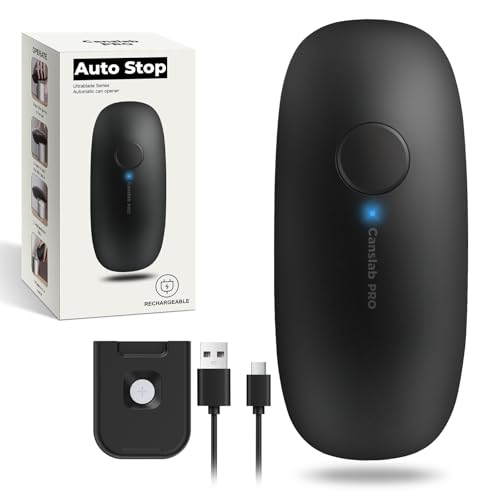


Quick Answer: Three Buying Profiles at a Glance
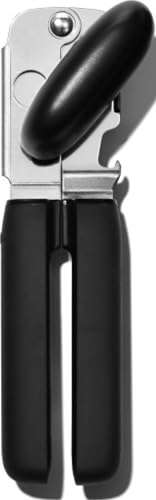
If you need a fast direction, start with the profile that sounds like your household. Most homes do well with a sturdy manual opener that has a large turning knob, a sharp steel wheel, and handles you can squeeze without strain. It takes no counter space, works during a power outage, and costs little to replace.
Homes that open many cans each week often prefer an electric model that clamps on and runs with one button press. Homes with limited grip strength often do better with an automatic or smooth edge design that reduces twisting and leaves a lid you can lift without touching a sharp rim. The sections below explain how to choose between those paths with confidence.
Before You Buy: A Checklist for the Best Can Opener
Work through these five points in order and most shoppers can narrow the field to one type and one budget range. Each point affects daily use more than brand names or color choices.
Which Type Fits Your Routine
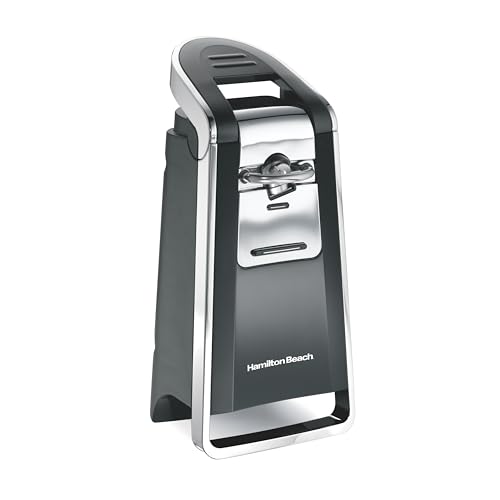
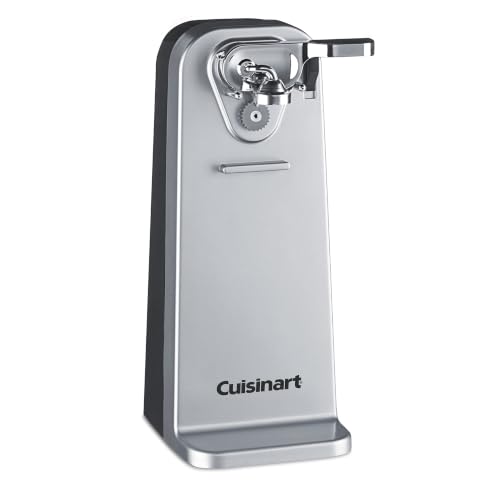
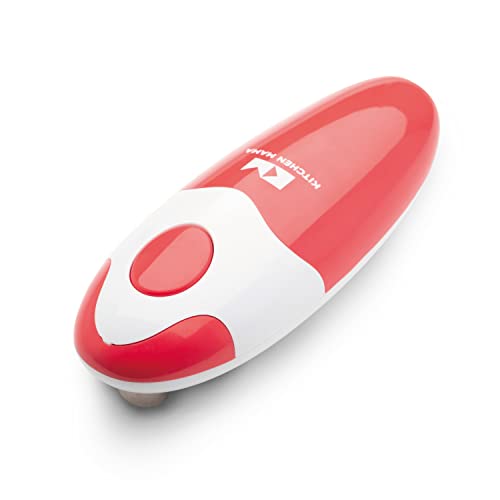
Manual openers are compact, quiet, and fully under your control, and they suit cooks who open a few cans at a time. Electric countertop models and best automatic can opener options do the turning for you, which helps when you batch cook or when wrist motion is painful. Under cabinet and battery powered models save counter space, but they need mounting room or fresh batteries, so weigh that upkeep against the space you gain.
Cutting Style and Edge Safety
Top cutting wheels slice just inside the rim and leave an edge that can be sharp, so you lift the lid with care and drop it straight into the trash. Side cutting wheels cut below the rim and leave a smoother edge on both the can and the lid, which many parents and pet owners prefer. If that safety point matters to you, compare options in our guide to the best smooth edge can opener before you decide.
Handles, Knob and Grip Comfort
The handle and knob decide whether an opener feels easy or tiring after the third can. Look for wide handles with a slight curve, a knob that turns with your whole hand rather than your fingertips, and a gear that engages the rim without repeated squeezing. Soft grip material helps, but shape matters more, because a well shaped hard handle often outlasts a soft coating that peels in a hot drawer.
Materials and Food Safety
Cutting wheels made from hardened stainless steel or quality carbon steel stay sharp longer and resist rust when you dry them after washing. Chrome plated and painted bodies look neat, yet chipped coatings can expose metal that corrodes near food, so a plain steel or solid plastic body is often the safer long term choice. Check that any plastic parts are rated for food contact and that the wheel assembly has no loose play when you wiggle it.
Washing and Daily Care Basics
Most manual openers last longer with hand washing, because dishwasher heat and detergent can dull the wheel and fade grip material over time. Some models are sold as safe for the dishwasher, and that can be worth it in a busy household, as long as you accept a shorter wheel life. Electric models should never go in water at all. You wipe the body and clean only the removable cutting head if the design allows it.
Realistic Budget Ranges
Under $15 usually buys a basic manual opener with a thinner wheel and simple handles, fine for light use and a spare drawer tool. About $15 to $25 is where stronger gears, better grips, and side cutting designs become common, and this range suits most families. Under $50 covers most electric countertop models and heavy build manual openers, while spending above that mainly adds cordless use or commercial volume capacity.
Three Buying Profiles and What to Prioritize
Instead of chasing a single winner, match one of these profiles to your routine. Each profile names the specs to prioritize and the trade off you accept.
Profile One: The Everyday Manual Opener for Most Homes
Prioritize a sharp steel wheel, a large knob, and handles long enough for good leverage. This profile fits households that open cans a few times a week and want a tool that stores in a drawer and never needs charging. If you want a portable option for a second kitchen or a camper, our guide to the best handheld can opener covers smaller designs that still keep that leverage.
Profile Two: The Low Cost Compact Opener for Small Kitchens
Prioritize short handles, a slim body, and a hole or hook for hanging storage if drawer space is tight. Compact manual models cost the least and suit singles, students, and small households that open cans only now and then. The trade off is comfort on large cans, because a short handle gives you less leverage on tall stock cans and wide pet food cans.
Profile Three: The Assisted Opener for Busy or Sensitive Hands
Prioritize one touch operation, a strong magnet that holds the lid, and a base that stays stable while the motor runs. Electric and automatic models shine when you open many cans for meal prep or when twisting a knob causes real discomfort. The trade off is size and upkeep, since these models claim counter or charging space and need the cutting head cleaned after sticky foods like tomato sauce.
How to Evaluate a Can Opener Before You Order
Read listings with five criteria in mind: ease of use, durability, cleaning effort, design fit, and value for your volume of cooking. Ease of use shows up in knob size, grip shape, and how clearly the wheel locks onto the rim on the first try. Durability shows up in wheel material, gear build, and whether the handles flex when you squeeze hard on a thick rim.
Shoppers who search for the most reliable can opener usually care less about speed and more about a wheel that never skips. In practice, choosing the best can opener means matching the cutting style and grip to your hands first, then checking that replacement cost and cleaning effort fit your routine. A model that looks strong but takes ten minutes to clean after each use will end up avoided in a real kitchen.
Choosing by Household and Space
Family kitchens that cook from cans daily benefit from a model that handles mixed sizes, from small tomato paste cans to large crushed tomato cans, without readjusting. Measure your tallest can as well, because some electric models struggle with extra tall cans under low cabinets. A manual opener has no height limit, so it remains the flexible backup even in homes that own an electric model.
For older adults and anyone with arthritis or weak grip, look for large soft handles, a knob you can turn with your palm, or full automatic operation that removes twisting altogether. Our guide to the best can opener for seniors goes deeper on grip and leverage for this group. If hand pain, numbness, or weakness is new or getting worse, talk with your doctor or an occupational therapist about hand strength rather than only switching tools.
Small apartments and rental kitchens usually favor drawer stored manual models, because they need no outlet, no mount, and no counter footprint. If you do choose an under cabinet electric model in a rental, check your lease and cabinet material before drilling, and keep the manual backup for the day you move.
Common Mistakes to Avoid
- Buying an electric model without measuring cabinet clearance, so tall cans no longer fit under it.
- Choosing the cheapest thin wheel opener for daily family cooking, so the gear starts skipping within months.
- Ignoring cutting style, then handling sharp top cut lids around kids and pets without a lid magnet.
- Storing a wet opener in a closed drawer, so the wheel rusts and the next can picks up dark spots.
- Paying for cordless or commercial features you will never use, while the basic grip still feels awkward.
- Forgetting a backup plan, so one lost or broken opener stops dinner on a night when stores are closed.
Cost of Ownership and Care
Ownership cost is low for manual models, since there are no batteries, cords, or parts to replace beyond the opener itself. Electric models add a small power cost and, for cordless designs, battery replacement every few years depending on use. Keeping one manual backup also protects you during outages, and that backup often costs under $15.
Wash the wheel and gear soon after use, especially after fish, tomato, or syrupy fruit cans, because residue hardens in the gear teeth and dulls the cut. Dry the cutting head fully before storage and open and close the handles a few times to shake water from the joint. Our step by step notes on how to clean a can opener add detail on brushes and rust spots if your current tool already looks rough.
Frequently Asked Questions
What makes a can opener reliable for daily use?
A reliable can opener keeps a tight gear grip, cuts in one pass, and works the same after months of washing. Look for a wheel with no side play, handles that do not flex, and a maker that states the wheel material clearly. One point shoppers miss is parts support, because a design with a replaceable cutting head can outlast a sealed design even when the first wheel dulls at the same time.
How do you clean a can opener without damaging the wheel?
You clean a can opener best by washing the head in hot soapy water right after use and drying it at once. Use an old toothbrush to clear the gear teeth, where most residue hides, instead of soaking the whole tool for hours. For electric models, remove only the cutting head if the design allows removal, and never immerse the motor body, because water inside the housing can cause the motor to fail later.
Is a can opener worth buying if many cans have pull tops?
Yes, a can opener is still worth buying, because many pantry staples, bulk cans, and restaurant size cans still use standard lids. Pull tops also break, and a manual opener rescues a can when the tab snaps off mid pull. Consider cost per use as well, since a tool at about $20 that opens cans weekly for three years costs only a few cents each time you reach for it.
How long should a can opener last with regular use?
A can opener used a few times a week should last about three to five years before the wheel starts to skip. Acidic foods such as tomatoes shorten that span if you leave residue on the gear overnight, because acid attacks the metal surface while it sits. A useful new signal is sound, since a healthy wheel rolls quietly, while a worn gear clicks or grinds before it visibly fails.
Which can opener type suits most home kitchens?
A sturdy manual side cutting or top cutting model suits most home kitchens, because it handles every can size and stores anywhere. Choose side cutting if you want smoother lids for homes with kids, and top cutting if you want to lift lids with the tool and drain liquid through the gap. Keep travel in mind too, since only a manual model helps on camping trips and during power cuts.
Final Thoughts
The right opener for your home depends on how many cans you open, how much space you can give up, and how much hand effort you want each can to take. Start with your profile, check the wheel material and grip shape, and keep the budget ranges above in mind as you compare options in the product table above. A well matched best can opener will not draw attention to itself, and that is the point, because dinner should be about the food and not the fight with the lid.
Prices and availability can change, so check the product page before ordering. Keep your chosen opener clean and dry, because the best can opener is the one that still cuts cleanly years later, keep a simple manual backup in the drawer, and you will be ready for everything from a single can of beans to a full holiday cooking day.

