Best Commercial BBQ Grills: Every Type Explained Side by Side for 2026
Disclosure: We may earn a commission when you buy through links on this page, at no extra cost to you. As an Amazon Associate I earn from qualifying purchases. Learn more

Compare the best commercial bbq grills by type, fuel, cooking area and cost so you can choose a grill that fits your menu, space and daily volume.
Choosing among best commercial bbq grills feels confusing because the types solve very different problems in a busy kitchen. A unit built for fast burgers at lunch may struggle with brisket service, while a large smoker may waste space if most orders are grilled chicken and vegetables. This guide compares each type by how it cooks, what it does well, and where it falls short.
Start with your menu, your peak ticket count, and the space and fuel you can actually use. The comparison table below pulls the core specs together so you can narrow the field before you read the detailed sections. Once you know the right type, the details on size, controls, and cleanup become much easier to judge.


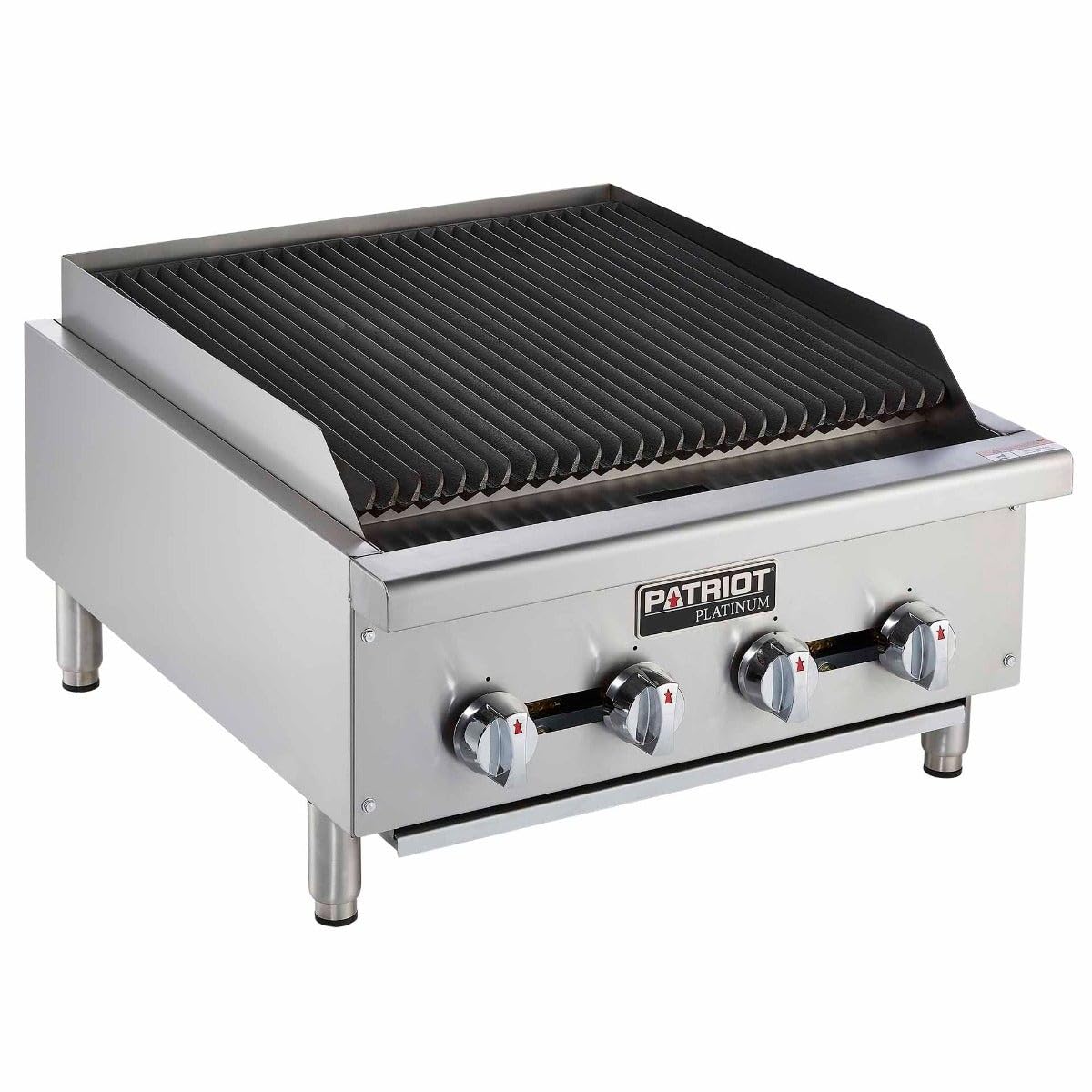


Types of Commercial BBQ Grills Compared
Commercial models differ from backyard units in cooking area, build strength, and how well they hold heat through long service. Cooking area is the usable grate space measured in square inches, and it should match your peak batch, not your average batch. If you must reload too often during a rush, service slows even when the grill itself gets very hot.
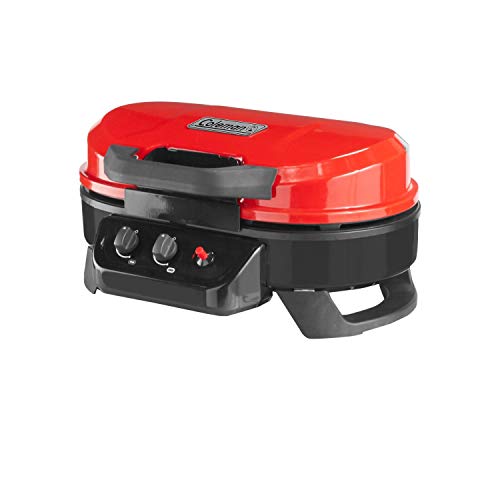
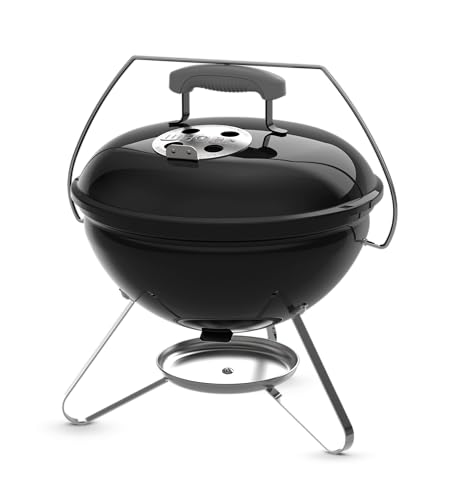
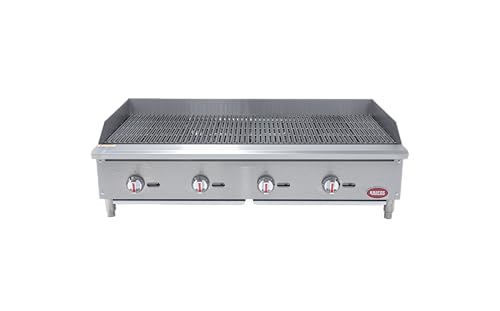
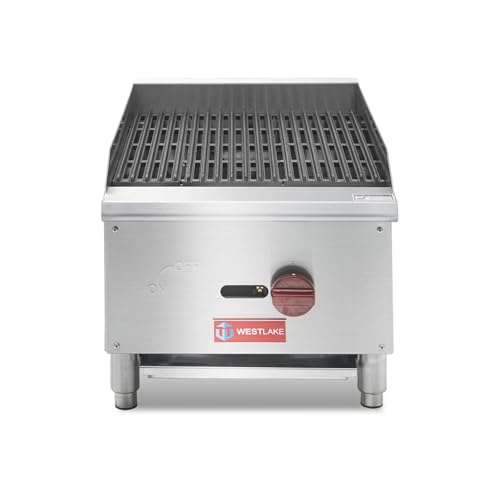
Look at the product table above for a quick view of sizes and fuel types. When shoppers search for best commercial bbq grills, they often miss how different these types are in daily use. For broader non BBQ commercial cooking, see our guide to the best commercial grills. If your needs are closer to home use, see our guide to the best bbq grills for smaller footprints.
Electric and Indoor Grills
Electric and indoor grills use heating elements under a grate or plate, so they need no open flame and no fuel storage. That makes them a practical fit for indoor stations, small cafes, and places where gas lines or outdoor venting are not an option. Heat is steady and controls are simple, usually a dial or digital panel that holds a set point well for sandwiches, vegetables, and thinner cuts.
The trade off is flavor and peak heat. Most electric units sear more gently than gas or charcoal and add little smoke character. They also depend on your electrical capacity, so a large unit may need a dedicated circuit. Choose this type when location rules matter more than strong char.
Gas Grills
Gas grills light fast, preheat in minutes, and let you raise or lower heat zone by zone during service. That speed suits restaurants, food trucks, and catering teams that cook to order and cannot wait for charcoal to settle. Multiple burners also let you keep one side hot for searing and one side gentler for holding finished items without overcooking them.
For propane fueled stations where a fixed line is not practical, see our guide to the best bbq grills propane and compare tank size and run time for your setup. Gas gives less smoke flavor than charcoal or pellets, and burners, igniters, and valves need regular checks. Choose gas when speed, control, and repeatable results drive your menu.
Portable Grills
Portable grills in commercial use are compact gas or charcoal units built to move between sites, patios, and event spaces. They suit caterers, market stalls, and pop up service where the cooking station changes from day to day. Folding legs, latching lids, and modest weight matter as much as heat here, since the unit must travel and set up safely many times.
The limit is capacity. A portable grate fills quickly, so large crowds force many small batches and longer waits. Heat can also vary more in wind. Choose a portable type only when mobility is essential, and plan your menu around items that cook fast and hold well.
Vertical Smokers
Vertical smokers stack cooking racks inside a tall chamber, so smoke and heat rise past several layers of food at once. They use floor space well and shine for low and slow cooking, where food cooks at low heat for many hours until tender. Ribs, pork shoulder, and brisket benefit most, since the long cook breaks down tough cuts without drying them when the chamber stays stable.
For menus that mix grilling and smoking in one plan, see our guide to the best bbq grills and smokers and compare chamber size against grate space. Vertical smokers are slower to load and unload than a wide grill, and thin cuts can dry if you place them near the heat source. Choose this type when smoked items are a core part of service, not an occasional special.
Electric and Indoor Grills vs Gas Grills: Which Should You Choose?
Electric wins on placement. You can run it indoors without a gas line, fuel tanks, or the same venting demands that an open flame unit brings, though you still need proper ventilation for smoke and grease. Gas wins on heat and responsiveness, since burners reach searing heat faster and recover quickly after you load cold food onto the grate.
Running cost depends on local rates and volume. Gas often costs less to run at high volume and keeps working during a power outage if ignition is manual. Flavor also splits the choice, with gas giving a light grilled taste and electric giving the mildest result. Pick electric for indoor limits, and pick gas for speed and searing.
How to Choose the Right Commercial BBQ Grill
Start with grate material before you look at extra features. Cast iron grates hold heat well and leave strong sear marks, but they are heavy and need seasoning and dry storage to prevent rust. Stainless steel grates are lighter and resist rust better, though they may not hold heat as long between batches.
Assembly and Warranty
Most commercial units arrive partly built, with legs, shelves, lids, and burner or element parts to fit before first use. Plan time for two people on larger models, since lids and bodies are heavy to align alone. Check that bolts sit flush and doors move freely before you season the grates.
Warranty terms vary by part. Burners and heating elements often carry different cover than the body, grates, and igniters, so read which parts are covered and for how long. Keep your proof of purchase, since missing paperwork can slow a claim.
Ash, Grease Management, and Cleanup
Grease control is a safety issue as much as a cleaning task. Look for a drip pan or grease tray that slides out from the front, holds enough for a full service, and can be emptied without tilting the grill. Charcoal and pellet units also need an ash catcher or ash drawer that seals well, since loose ash blown by wind can coat food and work surfaces.
Your closing routine should cover the grate, the tray, and the area under the burners or elements. Food residue left overnight draws pests and hardens into a layer that is far harder to remove the next day. A unit with smooth corners and removable parts will save labor every week.
Temperature Control and Smart Features
Heat control decides how repeatable your results are across a long shift. BTU is a measure of heat output for gas burners, and a higher total can help a large grate recover heat, but burner layout and lid insulation matter just as much. On pellet models, a PID controller checks chamber heat often and adjusts feed rate in small steps, which keeps the temperature closer to your set point.
A built in meat probe lets you check internal food temperature without lifting the lid and losing heat each time. A roomy pellet hopper extends cook time before refills on pellet units, which helps during long smokes. WiFi controls can alert you when heat drifts, but they should support your process, not replace staff checks and food safety habits.
If pellet cooking fits your menu and you want that steady smoke and control, see our guide to the best pellet bbq grills for more on hopper size and controller options. Whatever system you choose, confirm that manual controls still work clearly if a digital panel fails.
Fuel Type: Gas, Charcoal, Pellet, and Electric
Fuel shapes flavor, labor, and storage more than any other choice. Charcoal gives the deepest grilled flavor but needs lighting time, ash removal, and a safe place to store bags away from moisture. Pellets give clear smoke flavor with more automated heat control, though you must keep pellets dry and the auger clear.
Gas is the fastest to start and the easiest to adjust during service, while electric is the simplest to place indoors. Operating cost is not only fuel price, since charcoal and pellets also add staff time for loading and cleaning. Match fuel to flavor and to the labor your team can give.
Tips to Get the Most From Your Commercial BBQ Grill
Preheat for 10 to 15 minutes before cooking so the grates are fully hot and food releases more cleanly. Clean grates while warm with a stiff brush or scraper, then wipe them with a lightly oiled cloth once they cool a bit. Hot grates and a clean grease tray prevent many sticking and flare problems.
Group food by cook time and thickness so you are not opening the lid again and again. Cover the grill when it is not in use and check for rust on legs, hinges, and trays, especially if the unit lives outdoors. Small checks help you spot a worn part before it fails during a rush.
FAQs
Is a pellet commercial BBQ grill worth the cost for a restaurant?
A pellet commercial BBQ grill is worth the cost if smoked flavor and steady low heat are central to your menu. The automated feed lets staff focus on prep while long cooks run. One point to weigh is pellet storage in humid areas, since damp pellets swell and can jam the auger, so keep a dry backup supply away from steam and sinks.
What type of commercial BBQ grill gives the strongest smoke flavor?
Charcoal and vertical smoker types give the strongest smoke flavor for commercial BBQ cooking. Charcoal adds flavor during direct grilling, while a smoker surrounds food with smoke for hours at low heat. For a stronger result without changing fuel, use larger wood chunks rather than small chips, since chunks smolder longer and give a steadier smoke through the cook.
How often should you clean a commercial BBQ grill?
You should clean a commercial BBQ grill after every service, with a deeper clean on a regular weekly or monthly cycle based on volume. Daily work covers grates, grease trays, and ash, while deeper work covers burners, vents, and interior walls. If you cook very fatty items often, check the grease path mid service as well, since a full tray can overflow even when the grate still looks clean.
How long should a good commercial BBQ grill last with daily use?
A good commercial BBQ grill should last several years with daily use when it is cleaned, covered, and serviced on schedule. Life span depends most on grate and burner wear, exposure to weather, and how often parts are replaced before they fail. Keep spare igniters and a backup grate brush on site, since small parts often wear first and can stop service long before the main body wears out.
Can you use a commercial BBQ grill on a balcony or patio?
You can use some commercial BBQ grills on a patio, but balcony use is often limited by building rules, fire codes, and lease terms. Gas and charcoal units usually need open air space, clearance from walls and rails, and a stable non wood surface. Check local rules and your property terms before you buy, and never run a charcoal or gas unit in an enclosed or partly enclosed space.
Final Thoughts
The right choice comes down to type first, then cooking area and fuel, then cleanup and controls. Match the grill to your menu and peak volume, not to the longest feature list. Review the product table above once more with those three points in mind, and you will see which style fits your space and service.
When you compare best commercial bbq grills this way, the trade offs become clear and the decision gets simpler. Prices and availability can change, so check the product page before ordering.