Best BBQ Grills for 2026: Every Type Explained Side by Side
Disclosure: We may earn a commission when you buy through links on this page, at no extra cost to you. As an Amazon Associate I earn from qualifying purchases. Learn more
Compare the best bbq grills type by type, with pros, cons, fuel costs and typical prices, so you can choose the right grill style for your space.
Walk into any store and the grill aisle throws every shape at you at once: kettles, barrels, ceramic eggs, flat carts with dials, and small boxes built for a tailgate. The confusion is normal, because the best bbq grills are not one product at all but several cooking tools that share a name. Each fuel and each shape cooks differently, costs differently to run, and suits a different kind of cook.
This guide slows that aisle down. It compares every major type in one grid, explains how each one works and who it fits, then walks through the choosing factors that matter after the type is picked. The comparison table below is the fast version of the whole article.




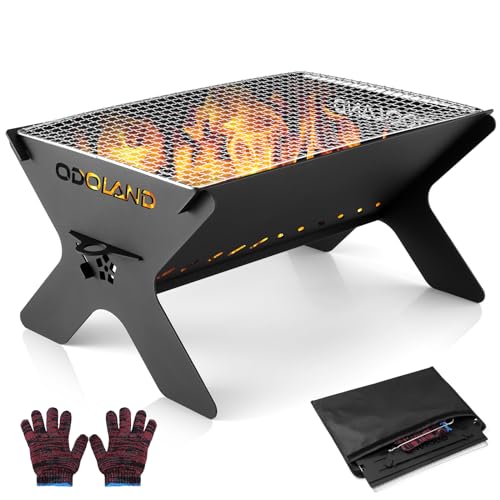


Types of BBQ Grills Compared
Most grills sold for home use fall into the classes in this table, and the class decides more about your cooking than any single feature. Shoppers who want the full field in one place can also browse the best outdoor bbq grills roundup, then come back here for the type by type breakdown.
| Type | Best For | Pros | Cons | Typical Price |
|---|---|---|---|---|
| Gas (propane) | Weeknight cooking and crowds | Fast start, precise burner control, easy cleanup | Mild smoke flavor, tank refills, more parts to maintain | about $200 to $900 |
| Charcoal | Flavor first cooks on a budget | Strong sear and smoke taste, low entry price, simple build | Slower to light, temperature takes practice, ash to dispose of | about $100 to $450 |
| Pellet | Low and slow cooking with little watching | Holds a set temperature, gentle smoke, doubles as a smoker | Needs electricity, pellet cost adds up, weaker hard sear | about $400 to $1,200 |
| Kamado | Searing and smoking in one heavy cooker | Superb heat retention, wide temperature range, sips charcoal | Heavy, costly, smaller cooking area for the price | about $300 to $1,500 |
| Vertical smoker | Long smokes and big batches of meat | Large stacked capacity, steady low heat, modest price | Poor at direct grilling, slow to refuel on some designs | about $150 to $500 |
| Portable | Camping, tailgates, and tiny patios | Light, compact, cheap to buy and store | Small cooking area, modest heat, thin metal on cheap models | about $30 to $250 |
| Electric and indoor | Apartments and balconies with flame bans | Allowed where open flame is banned, simple, no fuel to store | Limited sear, real smoke flavor is minimal, needs an outlet | about $60 to $400 |
Gas Grills
Gas grills burn propane from a refillable tank, or natural gas from a home line, across two to six burners under the grates. They light in seconds, hold a steady temperature with a dial, and let you run one side hot and the other gentle for two zone cooking. That speed and control is why gas dominates weeknight cooking and big family gatherings.
Flavor is the trade off: gas itself adds almost no smoke taste, though a smoker box of wood chips helps. Keep the grease tray emptied, because pooled grease is the main flare up and fire risk on this type, and check hoses and connections for leaks each season. Our dedicated guide to best bbq grills propane covers tank sizes, burner counts, and natural gas conversions in detail.
Charcoal Grills
Charcoal grills cook over burning briquettes or lump charcoal in a kettle or barrel shaped body, with vents controlling the heat. They reach fierce searing temperatures, cost the least to buy, and give food the classic smoke and char flavor most people picture when they think of barbecue. The costs are time and attention: lighting takes 20 to 30 minutes, holding a steady low temperature is a skill, and every cook ends with ash.
Let ash cool fully, at least 48 hours, then move it into a lidded metal container, never a plastic bin or paper bag. Charcoal also produces carbon monoxide as it burns, so this type belongs outdoors only, never in a garage or tent.
Pellet Grills
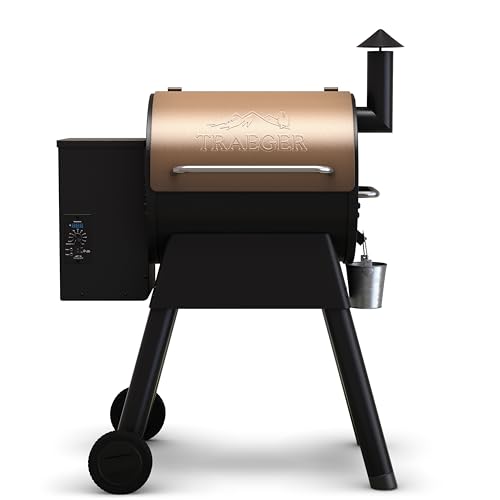
Pellet grills burn compressed wood pellets fed by an auger from a side hopper into a small fire pot, with a controller and fan holding the temperature you set. A PID controller and a meat probe take the guesswork out of long cooks, and the gentle wood smoke suits ribs, brisket, and whole birds. The compromises are a milder sear than charcoal, an ongoing pellet bill, and a plug: these grills need household electricity, so they stop cooking in a power cut.
Grease management matters here too, because drippings that reach the fire pot can flare, so keep the drip tray clean and the pellets dry. The roundup of best pellet bbq grills compares hopper sizes and controller types if this class is your pick.
Kamado Grills
Kamado grills are egg shaped cookers with thick ceramic walls that soak up heat and hold it for hours on a small load of lump charcoal. That insulation lets one cooker sear a steak at high heat, roast a chicken at a moderate setting, or smoke low and slow through the night with very little fuel. Ceramic holds heat so well that overshooting your target temperature takes a long time to correct, so approach the setting slowly.
Kamados are heavy, often well over 150 pounds, fragile if dropped, and pricey for their cooking area. One safety habit is essential: open the lid in two stages, lifting it a crack first to let heat escape, so a rush of oxygen does not flash back at your face.
Vertical Smokers
Vertical smokers stack the fire at the bottom, a water pan in the middle, and racks of meat above, so heat and smoke rise slowly past the food. The water pan steadies the temperature and keeps the cooking air moist, which is why this class is a favorite for ribs, pork shoulders, and brisket at modest prices.
What they do badly is direct grilling: there is no hot grate over open flame for burgers and steaks, so a vertical smoker is a second cooker for most households rather than the only one. Watch grease buildup on the pan and walls, and keep the unit under cover, since thin steel models rust quickly outdoors.
Portable Grills
Portable grills are small tabletop or folding models, run on charcoal or small propane canisters, built to travel to campsites, beaches, and tailgate lots. They trade cooking area for weight: most fit four to six burgers at once, which is fine for a couple or a small group and limiting for a party. Thin metal is common at the lowest prices and loses heat fast on a windy day, so a slightly heavier body with a locking lid is worth the small premium.
Set any portable on a stable, heat safe surface away from dry grass and vehicle fuel, and let charcoal models cool completely before packing them back into a car.
Electric and Indoor Grills
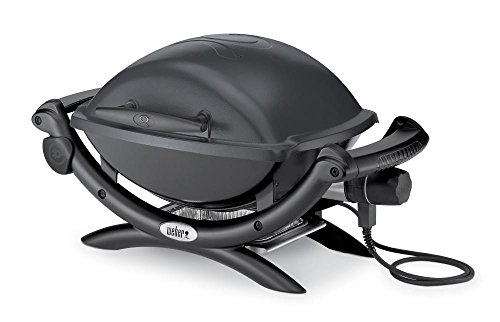
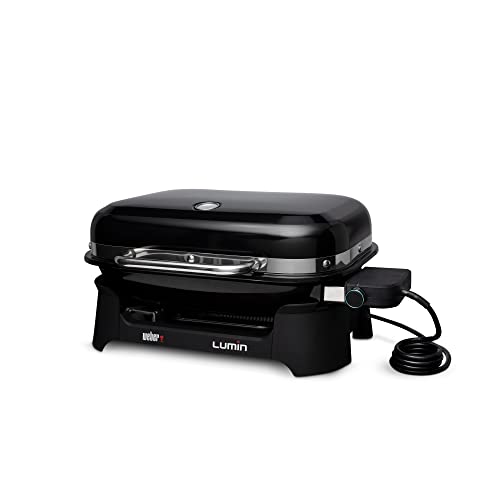
Electric grills heat a grate or griddle plate with a plug in element, and indoor models add a lid, a drip tray, and sometimes a fan or water tray to hold down smoke. They are the one class often allowed on apartment balconies and in buildings where open flame is banned, which is the honest reason to buy one. Expect convenience rather than true barbecue flavor: searing is milder, smoke is minimal, and most units cap their temperature well below a charcoal fire.
The separate guide to best indoor bbq grills explains the smoke control designs. Keep the element and drip tray clean, because old grease is what smokes and smells in a small kitchen.
Portable Grills vs Kamado Grills: Which Should You Choose?
These two sit at opposite ends of the grill world, and the right pick depends on where the cooking happens. On portability there is no contest: a portable grill rides in a car trunk and stores on a shelf, while a kamado needs a permanent patio spot and two strong adults to move it. On temperature range the kamado wins just as clearly, running from gentle smoking heat to a fierce sear in one cooker, while a portable manages burgers, dogs, and simple skewers.
Fuel tells the same story: portables sip small canisters or a little charcoal per cook, and kamados burn lump charcoal slowly but ask a large price up front. Choose the portable if your grilling travels or your space is tiny; choose the kamado if it will live in one backyard and you want one cooker for both steaks and brisket.
How to Choose the Right BBQ Grill
Once the type feels right, five factors separate a good buy from a regret. None of them is the headline BTU number, which makers measure differently and which says little about how a grill actually cooks.
Fuel Type: Gas, Charcoal, Pellet, or Electric
Fuel decides your weekly routine more than your best cookout. Gas is the convenience pick, hot in about 10 minutes and easy to shut off. Charcoal asks for lighting time and vent management but returns the strongest flavor.
Pellets automate temperature control and add real wood smoke, at the price of electricity and a steady pellet supply. Electric is the fallback for flame free buildings and the weakest on flavor. Be honest about your patience: the best fuel is the one you will actually fire up on a Tuesday, not the one that wins arguments.
Fuel Cost and Availability
Running costs differ more than most buyers expect. A standard propane tank refill costs about $15 to $25 and covers many cooks, though heavy users may refill several times a season. Charcoal runs about $5 to $10 of briquettes per long session, less for a quick grill.
Pellets are the priciest habit, with a long smoke using a noticeable share of a bag that costs about $15 to $25. Availability matters too: buy the fuel you can replace on a Sunday evening in your town, and store pellets and charcoal dry, since damp fuel lights badly and burns dirty.
Cooking Area and Capacity
Cooking area is listed in square inches, and a useful translation is burgers: about 450 square inches of primary grate holds roughly 18 to 24 burgers at once. Count the primary grate only, because the warming rack above it cooks slowly and suits buns and resting meat, not the main load. A household of two to four usually lands between 350 and 500 square inches, while regular party hosts should look higher and think about grate shape as well as size. Remember that a huge grill you heat for two chicken breasts wastes fuel every single cook.
Build Quality and Materials
Materials decide whether a grill lasts three seasons or ten. Stainless steel comes in grades, and 304 grade resists rust far better than the thinner 430 grade common on budget lids. Cast iron grates hold heat and mark food beautifully but need seasoning and rust care, while porcelain coated grates are easier and can chip if struck with metal tools.
Press the lid and body: thin, flexing steel loses heat and warps, while a heavy lid that closes with a solid feel signals a cooker that will hold temperature. Check the warranty on burners and fireboxes specifically, since those parts fail first.
Ash, Grease Management, and Cleanup
Every grill makes a mess, and the designs differ in how much of it lands on you. Charcoal models need an ash catcher that actually seals, or ash dusts the patio on every windy day. Gas and pellet grills need a grease tray you can reach and empty without a contortion act, because a full tray is a fire waiting for a hot day.
Removable grates that fit in a utility sink, smooth interior corners, and a cover that keeps rain off the firebox all cut the weekly effort. Ten minutes of cleanup after each cook beats a deep scrub twice a year, both for hygiene and for fire safety.
Safety Rules for Every Fuel Type
Fuel burning grills belong outdoors only, on a stable surface, away from siding, railings, and overhangs, because they produce carbon monoxide and open heat. Never grill in a garage, tent, or enclosed porch, and keep children and pets clear of the hot zone. Manage grease before it manages you: empty trays, scrape grates, and never throw water on a grease fire, which only spreads it; close the lid and vents or use a fire extinguisher instead.
A food thermometer, not color or timing, decides when meat is done. Charcoal ash must be fully cold, at least 48 hours, before it goes into a lidded metal container stored away from the house.
Tips to Get the Most From Your BBQ Grill
- Preheat for 10 to 15 minutes with the lid closed before food goes on, so the grates are hot enough to sear and release food cleanly.
- Clean the grates while they are warm after cooking, when residue brushes off with a fraction of the effort of a cold scrub.
- Use two heat zones whenever your grill allows it, one hot side for searing and one cooler side for finishing thick cuts without burning them.
- Cover the grill between cooks and check for rust each season, especially on burners, fasteners, and the bottom of the firebox.
- Let meat rest before slicing, about 5 to 10 minutes for steaks and longer for roasts, so the juices settle instead of running onto the board.
FAQs
Is a pellet grill worth it?
It is worth it if you smoke often and value steady temperatures over hard searing. A pellet grill holds a set heat for hours with almost no fire tending, which turns brisket and ribs into relaxed cooks, and the running cost is the trade: pellets cost more per session than charcoal or propane. Buyers who mostly grill burgers and steaks get less from the class, because its sear is gentler. Before buying, ask friends with pellet grills whether they still use them weekly after a year.
How long should a good bbq grill last?
A well built grill kept under a cover commonly serves 7 to 10 years or more, while thin budget models often rust through in 3 to 5. The spread comes from materials and care, not price alone: thick steel, 304 grade stainless, and cast aluminum bodies age slowly, and burners or grates are replaceable on better made units. The first failure is usually a burner, an igniter, or a rusted firebox floor. A cover and an end of season cleaning are the two cheapest ways to add years.
How often should I clean my bbq grill?
Brush the grates after every cook while they are still warm, and empty the grease tray whenever it looks half full. Every few months, scrape the inside of the lid and firebox, because the flaky black buildup there is carbonized grease that can drop onto food and fuel a fire. Deep clean burners, heat plates, and drip pans once a season, and check pellet grill ash and the fire pot on the same schedule. Small regular cleaning is what keeps old grease smoke out of your food.
What type of bbq grill gives the best flavor?
Charcoal and wood fired cooking give the strongest classic barbecue flavor, because burning wood and charcoal produce the smoke compounds people associate with the taste. Lump charcoal burns hotter and cleaner, briquettes burn longer and steadier, and adding a chunk of hardwood to either deepens the smoke. Pellet grills sit in the middle, with real but gentler smoke, and gas sits last unless you add a smoker box. Technique matters as much as fuel: dry meat surfaces, patience, and not rushing the cook change flavor more than small differences between fuels.
Can I use a bbq grill on a balcony?
Often not, and the answer is set by your lease, building rules, and local fire codes rather than by the grill. Many apartment buildings ban charcoal and propane on balconies outright, and charcoal is the most commonly prohibited type of all. Electric grills are the usual exception, which is why they exist as a class.
Check the rules in writing before buying, keep any allowed grill away from railings and siding, and never leave it unattended. A small fine or a lost deposit costs more than any grill in this guide.
How big of a bbq grill do I need?
Size for your biggest regular cook, not your biggest imaginable one. Two to four people are well served by about 350 to 500 square inches of primary cooking area, which handles a family dinner plus sides. Regular hosts of eight or more should look at 550 square inches and up, or plan on cooking in batches.
Measure your patio spot and doorways before ordering, since assembled grills are bulky. A slightly smaller grill you use weekly beats a giant that makes every Tuesday cook feel like an event.
Final Thoughts
Strip away the marketing and the decision is three questions: which fuel fits your patience, which type fits your cooking, and which size fits your crowd and your patio. Answer those honestly and the best bbq grills for your home pick themselves, whether that is a quick lighting gas cart, a charcoal kettle, or a ceramic kamado. Compare the picks in the table one more time before you buy, and budget for a cover and a thermometer alongside the grill itself.