Best BBQ Grills Propane: A Practical Buying Guide for 2026
Disclosure: We may earn a commission when you buy through links on this page, at no extra cost to you. As an Amazon Associate I earn from qualifying purchases. Learn more

Choosing the best bbq grills propane means matching burners, grate area and build to your patio and crowd, with safety and cleanup tips.
Propane grills light with the turn of a knob, heat in minutes and hold a steady temperature, which is why so many backyard cooks choose them over charcoal. The best bbq grills propane buyers choose are matched to their patio, their crowd and their cooking style, not to the biggest BTU number on the box. Use the product table to compare sizes, then read on for the points that decide how a propane grill performs after the first month.
Start by writing down how many people you usually feed, where the grill will sit, and whether you grill weekly or only on weekends. Those three answers narrow the field faster than any feature list.



Who Should Buy Which Propane BBQ Grill?
Families Cooking Weeknight Dinners
A three or four burner cart grill with about 450 to 550 square inches of main grate suits a family of four. It preheats in 10 minutes or less, which matters on a school night. Look for a side shelf for plates and a grease tray that slides out without tools.
Hosts Who Cook for Crowds
If you cook for eight or more people, look at five or six burners and 600 or more square inches of main grate, plus a warming rack. Independent burner controls let you sear on one side and hold food warm on the other. Check that the lid clears tall items such as a whole chicken.
Tailgaters, Campers and Small Patios
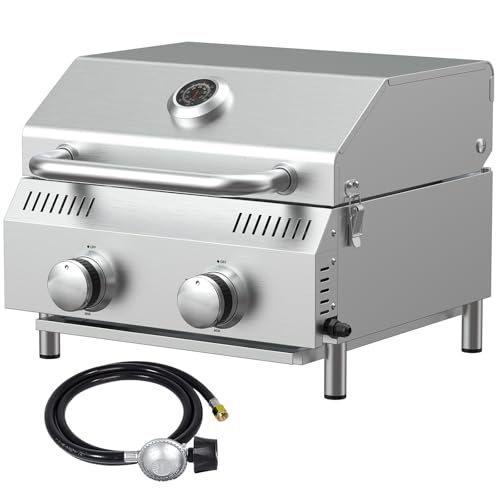
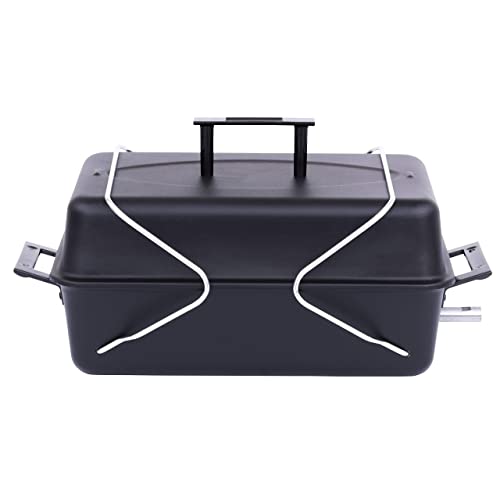
A tabletop or portable grill with one or two burners, folding legs and a latching lid fits a trunk or a balcony. These models use small green propane cylinders or an adapter hose for a standard tank. Capacity is limited to about four burgers per batch, so plan to cook in rounds.
Key Features to Compare
Compare the following points in order, because burner design and build decide how a grill cooks for years, while extras mostly add convenience.
Burners, BTU and Heat Spread
BTU measures fuel input, not cooking quality. What matters is BTU relative to grate area, usually 80 to 100 BTU per square inch of main grate, plus a lid and body that hold heat. Stainless tube burners last longer than thin aluminized ones. Heat tents or flavorizer bars between burners and food spread heat and catch drips, which reduces flare ups.
Cooking Area and Layout
Measure the main grate separately from the warming rack, because listings often add the two together. About 100 square inches holds eight burgers. A side burner is handy for sauces and sides, though it adds weight and cost, so choose it only if you will use it.
Grates, Body and Build Quality
Cast iron grates hold heat and leave strong sear marks, but need oiling to prevent rust. Porcelain coated grates clean more easily, and stainless rods resist rust but heat less evenly. A body of thicker steel or cast aluminum resists warping. Press on the lid and cart in person if you can: a wobble now becomes a rattle later.
Ignition, Controls and Propane Gauge
A push button electronic igniter is the most dependable, and a battery powered one is easy to replace. A built in fuel gauge or scale tells you how much propane is left, so a cook never ends early. Always keep a spare tank, or at least know when your current one is nearly empty.
Cleanup and Warranty
A slide out grease tray, a removable drip pan and grates that lift out make cleaning quick. Compare warranties for burners, grates, the firebox and the cart separately. Burners often carry the longest coverage, and a stated warranty on paint or finish signals a maker that expects the grill to last.
Propane Grill Types Compared
Cart Style Grills
This is the standard backyard format: a firebox on a cart with wheels, side shelves and a cabinet for the tank. It offers the most cooking area and storage for the price. For related options, see our guide to the best quality propane grills.
Portable and Tabletop Grills
Smaller grills trade capacity for easy transport. Many weigh under 30 pounds and use disposable cylinders. If travel is your main use, see our guide to the best portable propane bbq grills.
Dual Fuel and Combination Grills
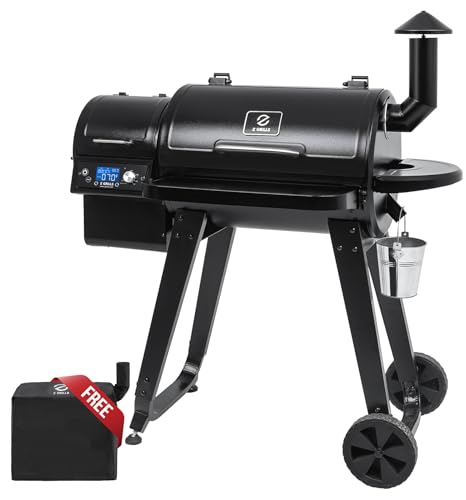
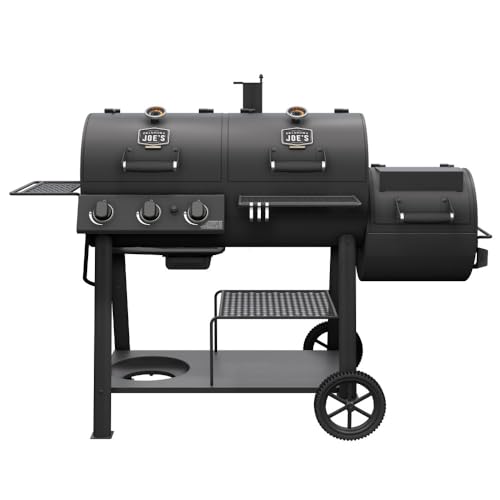
Some propane grills pair a gas side with a charcoal or smoker section. They give you smoke flavor on weekends and speed on weeknights, at the cost of size. If smoking interests you, our guide to the best bbq grills and smokers and the guide to the best pellet bbq grills show the alternatives.
Propane Safety and Setup
Set the grill outdoors on level, non combustible ground, well away from siding, railings and overhanging branches. Never use a propane grill in a garage, a covered porch or an enclosed space, because the exhaust contains carbon monoxide.
After connecting a new tank, brush soapy water over the hose and fittings, open the valve and watch for bubbles. Bubbles mean a leak: close the valve and fix or replace the part before you light the grill. If you smell gas and cannot find the source, turn off the supply and contact a qualified technician. Store tanks upright outdoors, never indoors and never in a hot car.
Open the lid before you ignite the burners, light them one at a time and let the grill preheat for 10 to 15 minutes. Clean the grates while warm with a brush, and oil them lightly before cooking.
Common Mistakes to Avoid
- Buying by BTU alone ignores grate area and build, so a high number can still cook unevenly.
- Forgetting to check regulator and hose fit leads to leaks or weak flames.
- Judging a grill by size alone hides thin steel, flimsy carts and short warranties.
- Storing a spare tank indoors or near heat creates a serious fire risk.
- Skipping a cover and a seasonal burner check lets spiders and rust block the gas flow.
Care and Maintenance
Brush the grates after every cook and empty the grease tray before it overflows. Once a season, remove the grates and flavorizer bars, scrape the firebox and clear the burner ports with a stiff wire so the flame stays even. Check hoses for cracks and replace worn ones. A fitted cover keeps rain and pollen off, and wiping stainless surfaces with a soft cloth keeps them bright.
Frequently Asked Questions
How long does a propane tank last on a gas grill?
A standard 20 pound tank typically gives around 18 to 20 hours of cooking on medium heat, depending on the grill and the weather. High heat and cold, windy days use fuel faster. Keep a spare tank or a gauge so you are never caught short mid cook.
How many burners do I need?
Two burners work for couples and small patios. Three or four suit most families and give a hot zone and a cooler zone. Five or more only pay off if you regularly cook for crowds or want a sear burner and a side burner.
Is natural gas better than propane?
Natural gas costs less per hour and needs no tank swaps, but it requires a gas line at your patio and a conversion kit, and the grill stays in one spot. Propane lets you move the grill and works anywhere you have a tank.
How often should I replace the burners?
Stainless burners often last 5 to 10 years, while thinner burners may need replacing in 2 to 4 years if grease and moisture reach them. Uneven flames, yellow tips or rust holes are signs it is time.
Can I use a propane grill on an apartment balcony?
Only if your lease, building rules and local fire code allow it. Many buildings ban propane on balconies. Check the rules first, and if propane is not allowed, an electric grill is the usual alternative.
Final Thoughts
Pick the size that fits your usual crowd, then check burners, build quality and cleanup before extras. A grill that is easy to start and easy to clean gets used far more often than one with a long feature list. Compare your shortlist in the product table, confirm the tank and hose fit, and choose the best bbq grills propane option you will enjoy using every week.