Best Air Purifiers Hepa: A Practical Buying Guide for 2026
Disclosure: We may earn a commission when you buy through links on this page, at no extra cost to you. As an Amazon Associate I earn from qualifying purchases. Learn more
Learn how to choose the best air purifiers hepa for cleaner indoor air, with clear advice on room size, filter care, noise, and running costs.
HEPA is the filter grade most buyers look for, and for good reason: a True HEPA filter is designed to capture 99.97 percent of particles at 0.3 microns, which covers most dust, pollen, pet dander and fine smoke. This guide to the best air purifiers hepa explains the difference between True HEPA and look alike labels, how to size a unit, and what the filters cost over time.
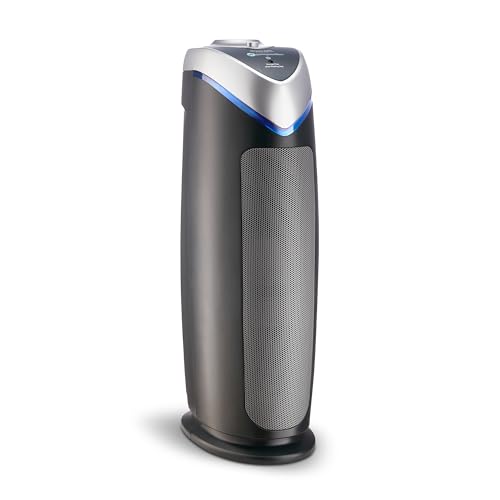
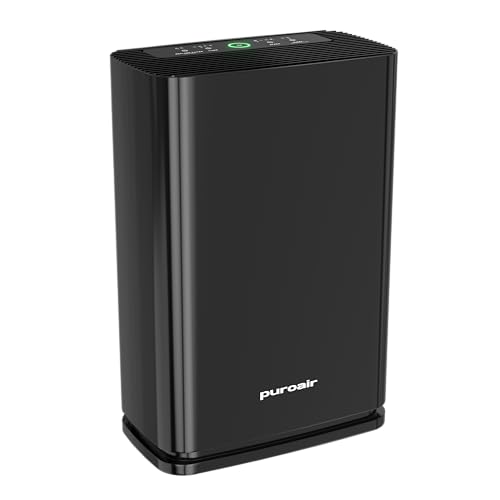
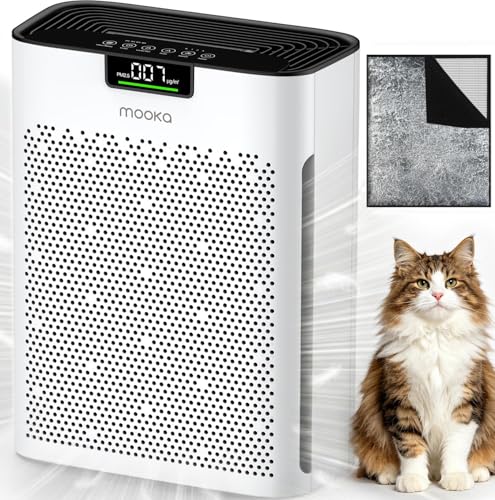
The product table lists HEPA models from compact bedroom units to large room towers. Use the sections below to compare them.






True HEPA, HEPA Type and H13
True HEPA is a tested standard, so a maker that uses the term should state it clearly. Wording such as "HEPA type", "HEPA style" or "99% filter" usually means a lower grade that lets more fine particles through. H13 and H14 are grades within the HEPA standard, with H14 capturing slightly more than H13. For homes, a True HEPA or H13 filter is a solid choice.
The seals matter as much as the filter. If air can leak around the edges of the filter, dirty air bypasses it. Look for a housing that closes firmly around the filter, and for units that describe a sealed path from intake to outlet.
Features to Compare in the Best Air Purifiers HEPA
CADR and Room Size
The clean air delivery rate tells you how much filtered air the unit delivers. Match it to your room: a smoke CADR of at least two thirds of the room area in square feet is a common rule. For allergy sensitive households, aim for four to five air changes per hour, which usually means a unit rated for about twice your room area.
Carbon Layer
HEPA traps particles, not odors. If cooking smells, pets or smoke are a concern, choose a model with a real activated carbon layer rather than a thin scented sheet.
Prefilter
A washable prefilter catches hair and large dust before they reach the HEPA filter and can extend its life by months. Rinse or vacuum it monthly.
Noise
Check decibels on low, medium and high. Sleep mode around 25 to 35 decibels suits a bedroom, and a unit that is too loud on useful speeds ends up switched off.
Sensors and Controls
A particle sensor with auto mode raises the fan when dust rises and slows it afterwards. A filter change indicator and a dimmable display are practical extras.
Who Benefits Most From a HEPA Purifier
Households with allergy prone members, pets, or a nearby road see the biggest change, because HEPA captures pollen, dander and fine dust that cheaper filters miss. Bedrooms are the usual starting point since you spend many hours there, and a closed door lets one compact unit do its job properly. Homes with cooking smoke, a fireplace or wildfire smoke need HEPA plus a deep carbon layer, because the smell is a gas that HEPA does not touch.
Renters and people who move rooms during the day can choose a lighter portable model with a handle, while open plan homes do better with a tower rated for the whole space or with two units at opposite ends. If your home is already dust free and well ventilated, a small unit is plenty and a large one would only add noise and filter costs.
It also helps to think about the room's air volume. Rooms with high ceilings hold more air than the square footage suggests, so size up. A good check is to divide the unit's CADR by the room volume in cubic feet and aim for several air changes every hour.
What Your Money Gets You
Compact HEPA units for bedrooms commonly cost about $40 to $150. Mid priced models of roughly $150 to $350 add higher CADR, carbon layers and sensors. Premium models above that suit large open spaces and add quieter fans, longer filter life and app control. Price alone does not guarantee better cleaning, so compare verified CADR and filter costs rather than brand names.
Replacement HEPA filters usually cost $20 to $100 and last six to twelve months. Add one or two years of filters to the purchase price when you compare models, because a cheap unit with costly filters can end up more expensive.
Placement and Daily Use
Place the unit with a foot or more of open space around the intake and outlet, away from corners and curtains. Run it on a steady low or medium speed rather than short bursts on high, and keep doors and windows closed while it works. Remove all plastic wrapping from the filters before first use, because a wrapped filter moves almost no clean air.
Common Mistakes to Avoid
- Trusting HEPA type labels. Look for True HEPA or H13 in the specifications.
- Buying by the biggest coverage claim. Compare CADR and size up one step.
- Ignoring filter prices. Check the cost of replacements before you buy.
- Blocking the intake. Furniture or curtains cut airflow.
- Using ozone or ionizer features as the main cleaner. Ozone irritates the lungs, so choose a model that states it produces no ozone.
An air purifier supports cleaner indoor air but does not diagnose or treat any condition, so ask your doctor about persistent allergy or breathing symptoms.
Related Guides
For a broader comparison see our guide to the best air cleaners and purifiers and the best home air purifiers. To go deeper on filters, read the best hepa filter air purifiers and the best room hepa air purifiers.
Frequently Asked Questions
What room size suits a HEPA purifier?
Match the rating to your room size and ceiling height. A unit rated for a larger room cleans faster and runs quieter at lower speeds, so measure your room before comparing models.
How often should HEPA filters be replaced?
Most last six to twelve months, sooner in dusty or pet heavy homes. Follow the maker guidance and watch for weaker airflow or returning odors.
Do air purifiers help with allergies?
HEPA purifiers can reduce airborne dust, pollen and pet dander, which may ease symptoms for some people. They do not cure allergies or replace medical advice.
Should I run a purifier all day?
Steady running at low or medium speed usually gives better air quality than short bursts at high speed, and electricity use stays modest.
Where should I place an air purifier?
Put it in the room you use most with open space around it. Bedrooms are a good first choice because of the long hours spent there.
Final Thoughts
Look for True HEPA, match the CADR to your room, and count the cost of filters. Using the product table above to compare those basics is the quickest way to find the best air purifiers hepa for your home.