
Best Comfort Heater: Space Heaters That Warm a Room Quietly and Evenly for 2026
Disclosure: We may earn a commission when you buy through links on this page, at no extra cost to you. As an Amazon Associate I earn from qualifying purchases. Learn more

A best comfort heater warms a room evenly, runs quietly and shuts off safely. Compare ceramic, oil filled and baseboard heaters by room size and control.
A comfort heater is less about raw power and more about how the warmth feels. A heater that blasts hot air for ten minutes and switches off leaves you chilly, while one that holds a steady temperature and stays quiet makes a room cozy. The best comfort heater suits the size of your room, offers a thermostat you can trust and includes safety features that let you sleep or work without worry.
The product table above covers several heater types, from oil filled radiators and baseboard units to ceramic towers and small desk heaters, including models from brands that use Comfort in their name. The sections below explain how each type behaves and how to match it to a room.
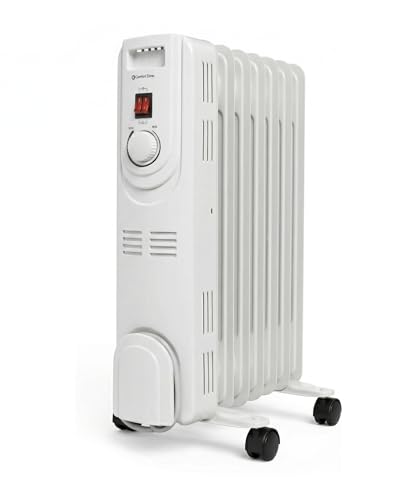


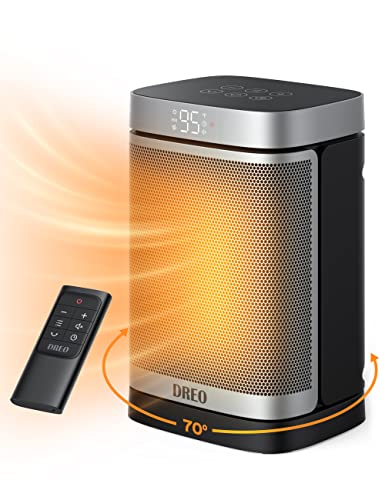


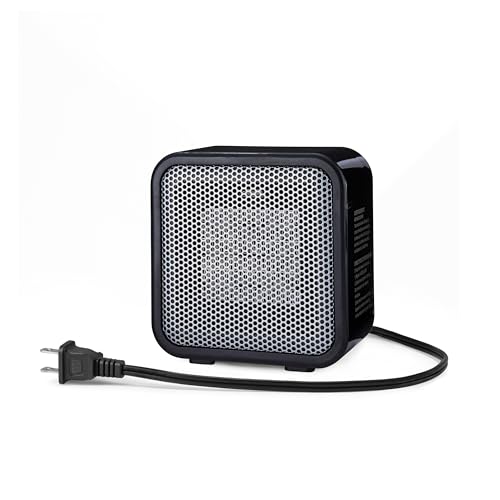
Heater Types in the Best Comfort Heater Search
Oil Filled Radiators
Oil filled radiators warm slowly and keep radiating after they cycle off, which gives a steady, gentle heat. They are quiet, since they have no fan, and suit bedrooms and offices. The downside is the slow start and a heavy body that is awkward to move.
Ceramic Tower Heaters
Ceramic towers use a fan to blow warm air, so a room heats quickly. They take little floor space, often oscillate and usually include a remote. A fan produces some noise, so check how loud the heater is on low.
Baseboard and Convection Heaters
Convection baseboard models sit low and warm the air without a fan, making them very quiet. They suit long, low heat in a bedroom or a home office. They warm a space gradually and work best in smaller rooms.
Small Desk Heaters
Mini ceramic heaters warm your immediate area, such as a desk or a bathroom corner. They are inexpensive and portable, but they do not heat a room. Think of them as personal heaters.
Features That Create Real Comfort
Thermostat and Settings
A thermostat holds a temperature, and a heater without one runs at full power until you turn it off. Look for adjustable dials or digital controls with clear temperature steps. Multiple power levels give you a choice between low and high.
Safety Features
Tip over protection and overheat shutoff are essential. A cool touch housing and a sturdy plug add protection. Place the heater on a hard, flat surface, keep it away from curtains and bedding and plug it directly into a wall outlet as the manual directs.
Noise, Light and Timers
A quiet heater is more comfortable for sleeping and working. If a heater has a bright display, check that it can be dimmed. Timers shut the unit off after a set time, which helps with energy use.
Matching a Heater to Your Room
Check the wattage and the manufacturer's room size guidance. Most portable electric heaters are limited to a modest power level, so they suit small to medium rooms. If a space has big windows or poor insulation, expect the heater to work harder.
For related reading, see the guides to the best electric heater, the best baseboard heater and the best bathroom heaters.
Using a Heater Efficiently
Seal the Room First
Warm air escapes through gaps, so close doors and use a draft stopper at the bottom of the door. Heavy curtains help on cold windows, and a rug reduces heat loss through a cold floor. A heater works more comfortably in a room that holds heat.
Use the Thermostat and Timer
Set a modest temperature and let the thermostat cycle, rather than running the heater on high. A timer ends the session so the heater does not run when nobody is there. Together, they keep the room comfortable and your bill under control.
Zone Heating
Heating the room you are using is often cheaper than raising the temperature of the whole house. Choose a heater for the bedroom at night and another for the office by day. Move it only when it is cool and unplugged.
Noise and Placement Tips
Place a fan driven heater a few feet from where you sit, so the airflow feels warm and not harsh. Keep at least a few feet of clearance around the front of the heater, as the manual specifies. Choose a spot with a nearby wall outlet and a clear path so nobody trips over the cord.
Cost of Running a Space Heater
Electric heaters turn nearly all the power they draw into heat, so the cost depends on wattage and time. Multiply the heater's kilowatts by the hours you run it and by your electricity rate to estimate the cost. A heater that cycles on a thermostat uses less than one that runs nonstop.
Compare that cost with the alternative of heating the whole home. For a single room used for a few hours, a good portable heater usually costs less. If you need to heat the same space all winter, ask whether better insulation or a fixed heater would pay off sooner.
Quick Buyer Checklist
- How large is the room you want to heat?
- Do you prefer silent warmth or faster fan driven heat?
- Does the heater have a thermostat and several power levels?
- Does it have tip over and overheat protection?
- Is there a timer or remote control?
- Is the unit light enough to move, or will it stay in one place?
- Does the cord length work with your outlet?
Red Flags to Watch For
- No safety features listed.
- Claims that a small heater will warm a whole house.
- Reviews that mention burning smells in normal use.
- A plug or cord that becomes hot.
- No thermostat on a heater meant to run for many hours.
Care Tips
Unplug the heater and let it cool before you clean it. Dust the vents with a soft brush, and keep the intake clear so air flows freely. Store it in a dry place during warm months, and inspect the cord before the next season.
FAQ
Is it safe to leave a heater on overnight?
Follow the manufacturer's instructions, and use only a heater with tip over and overheat protection. Keep it clear of bedding.
Do oil filled heaters use less electricity?
They use the same power when running, but they cycle off while the oil keeps radiating, so energy use depends on the room.
Can I plug a heater into an extension cord?
Most makers advise against it. Plug directly into a wall outlet.
Match the heater type to your room, choose a thermostat you can trust and put safety first. The product table above will help you pick the best comfort heater for your home.


