
Best Combination Wall Ovens: Cutout, Wiring and Fit Guide for 2026
Disclosure: We may earn a commission when you buy through links on this page, at no extra cost to you. As an Amazon Associate I earn from qualifying purchases. Learn more

The best combination wall ovens pair an oven with a built in microwave in one cabinet. Check cutout size, wiring and venting before you choose one.
A combination wall oven stacks a full oven and a microwave into a single tall cabinet cutout, so one appliance gives you roasting, baking and fast reheating at eye level. It is a popular choice in remodels because it keeps the counter clear and avoids a hood over a range. The best combination wall ovens are the ones that fit your cabinets, your wiring and the way you really cook, which is why measuring comes before comparing features.
The product table above lists models in common widths with microwave and convection oven pairings, from compact 24 inch units to full 30 inch units. The sections below walk through the fit and installation questions that cause most returns, then turn to features.


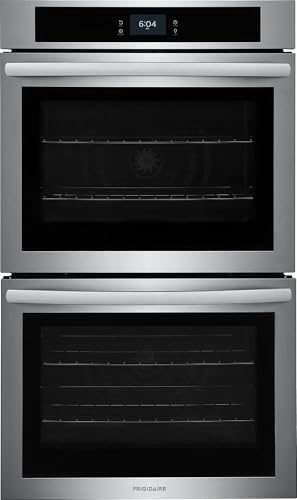

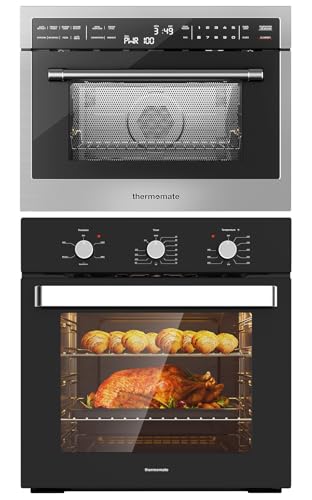

Fit First: How to Choose the Best Combination Wall Ovens
Cutout Width, Height and Depth
Wall ovens are sold by width, and 24 inch and 30 inch sizes are the ones you will see most in the table. The manufacturer's installation sheet gives a minimum cutout width, height and depth, and your cabinet opening must match them within the tolerance printed there. Measure at the top, middle and bottom of the opening, because older cabinets are rarely square.
If you are replacing an existing unit, compare the model's cutout drawing with the opening you already have. A trim kit can sometimes close a small gap, but a combination unit that is too tall will not fit at all.
Electrical Supply
Many combination units need a dedicated circuit rated for the combined oven and microwave load. Some 24 inch models are smaller and use lighter wiring, but you should never guess. Ask an electrician to confirm the circuit and the breaker size before you order, and follow local codes for who may install the unit.
Support and Weight
These appliances are heavy, and the cabinet must hold them. Check that the cabinet floor is level, strong and ventilated as the manual directs. Plan the install with two people and with the right lifting tools, as dropping a unit damages it quickly.
Features That Matter After Install
Oven Type and Convection
Most combination units use a fan assisted convection oven, which browns food more evenly than a standard element. Some add air fry modes, steam assist or a probe. Choose the modes you will use weekly and ignore the rest.
Microwave Capacity and Power
The microwave half is smaller than a countertop model, so check that a dinner plate fits comfortably. Look for a stated wattage and a door that opens in a direction that suits your layout. A sensor setting makes reheating less fussy.
Cleaning and Controls
Self clean and steam clean cycles save scrubbing, but read how long they take and how the unit is vented while it runs. Touch controls look sleek and wipe clean, though knobs are easier to use with oven gloves. Pick what suits your hands.
Is a Combination Unit Right for You
If you already own a good over the range microwave or a countertop unit you like, a double wall oven may be a better upgrade for baking. If you want a clean counter and a single appliance cutout, a combination unit makes sense. Compare it against a standard double oven, which gives you two roasting cavities instead of one.
For related reading, see the guide to the best dual wall ovens, and the page on the best combination microwave ovens for countertop alternatives. Our best combination ovens page compares the wider category.
Budgeting for the Whole Project
The price on the listing is only the beginning. Add the cost of a trim kit if one is needed, an electrician's visit to confirm or upgrade the circuit, and any carpentry to widen or reinforce the cabinet opening. Delivery of a heavy built in unit sometimes carries a separate charge, and removing the old appliance may too.
It helps to ask about return rules before you order, since large appliances often carry restocking fees. Save the original packaging until you have checked that the unit powers on and both cooking modes work. That check takes a few minutes and saves a difficult conversation later.
Service, Warranty and Delivery
Built in appliances are harder to service than freestanding ones, so read the warranty terms before you commit. Find out whether the maker sends a technician to your home, how long parts coverage lasts and whether labor is included. Smaller brands sometimes route claims through the seller, which can slow a repair.
Ask about delivery to the room of installation, not just to your curb. A tall combination unit may need a hand truck and a clear path through doorways. Taking a few photos of the box on arrival documents any damage for a quick claim.
Quick Buyer Checklist
- Do you know the width of your cabinet opening, from three points?
- Does the cutout drawing match your measurements?
- Has an electrician confirmed the circuit and breaker size?
- Will two people be available to lift and place the unit?
- Is the microwave cavity large enough for your regular dishes?
- Do you need a trim kit, and is it sold with the model?
- Is the warranty clear, including who handles service calls?
Red Flags to Watch For
- Listings that omit the cutout dimensions.
- No mention of electrical requirements in the product description.
- Trim kits or hardware sold separately without a clear price.
- Reviews that describe the microwave door or controls failing early.
- Sellers that cannot say who provides warranty service.
Care Tips
Wipe splatter from the oven and microwave cavities after each use so baked on grease does not absorb energy and cause hot spots. Run self clean cycles only with the kitchen ventilated, and remove racks if the manual says so. Keep the vents above and below the unit clear of stored items.
FAQ
Do combination wall ovens need a hood?
No. Unlike an over the range microwave, a built in unit does not vent cooking fumes, so you will still want ventilation over your cooktop.
Can I replace a single wall oven with a combination unit?
Only if the cutout, height and wiring suit the new model. Many combination units are taller, so read the drawing before you plan the swap.
Are 24 inch units less capable?
They have smaller cavities, which suits small kitchens and one or two person households. Larger families usually prefer 30 inch units.
Measure, confirm the wiring, then compare features: that order gives you the best combination wall ovens for your kitchen with the fewest surprises. Use the product table above to shortlist models by width and oven type.


