Best Bathroom Heaters for 2026: A Buyer Checklist
Disclosure: We may earn a commission when you buy through links on this page, at no extra cost to you. As an Amazon Associate I earn from qualifying purchases. Learn more
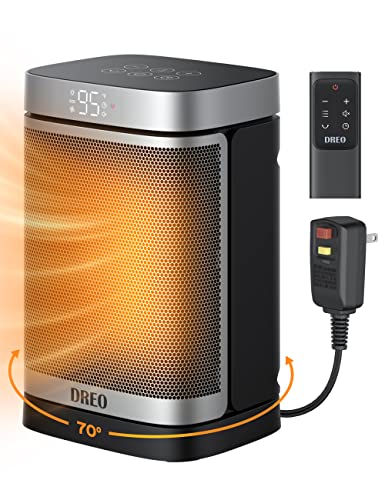
Best bathroom heaters match your room size, heat output and damp location safety. Use this checklist to pick a warm, safe option.
Stepping out of a warm shower into a cold room is unpleasant, and a good heater can make that moment much more comfortable. The best bathroom heaters warm a small, damp room quickly, stay safe near water, and fit the way your bathroom is wired and laid out. This guide uses the product table to help you compare heater types, sizes and safety features before you spend anything.
A bathroom is not like a bedroom or a living room. It is usually small, it has tile and other hard surfaces, and it has water close to electrical outlets. Those facts change what matters most. Focus on heat output for the room size, safety features for damp use, and placement that keeps the heater clear of water and towels.



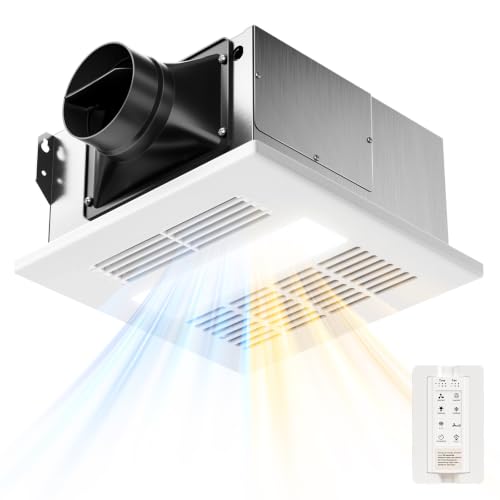

How to Choose the Best Bathroom Heaters: Key Checks
Use this section as a checklist, not as a list of features to collect. Work through room size first, then type, safety, controls, noise, running cost and placement.
Room Size and Heat Output
Heat output is usually given in watts, and a larger room needs more watts to feel warm in a reasonable time. A very small powder room may suit a compact heater, while a large primary bathroom with high ceilings and tile floors will need a stronger unit. Measure the room, note the ceiling height, and think about how cold it gets in winter. A heater that is too small will run constantly and still leave cold corners.
Also think about insulation and drafts. A bathroom with an outside wall, a window, or a vent fan will lose heat faster than an interior bathroom. If your bathroom is drafty, you may need more output than room size alone suggests. Do not judge a heater only by its watt rating, since placement and air movement matter too.
Heater Types for Bathrooms
Portable fan heaters are the most flexible option. You can move one to the spot where you need warmth and store it when the weather warms up.
They warm air quickly, but they can be noisy, and they need a safe spot away from water and fabric. Wall mounted heaters save floor space, but some need professional installation. For a wider view, see our guide to the best electric heater.
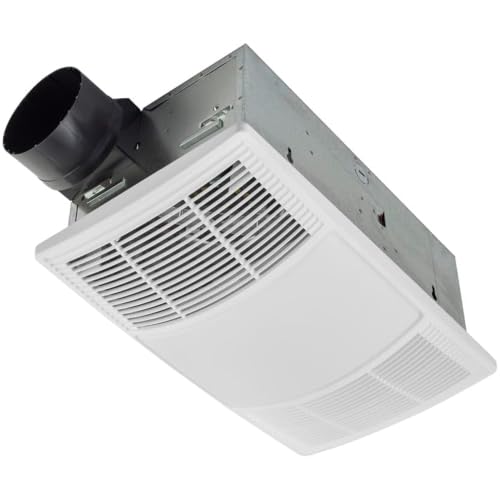
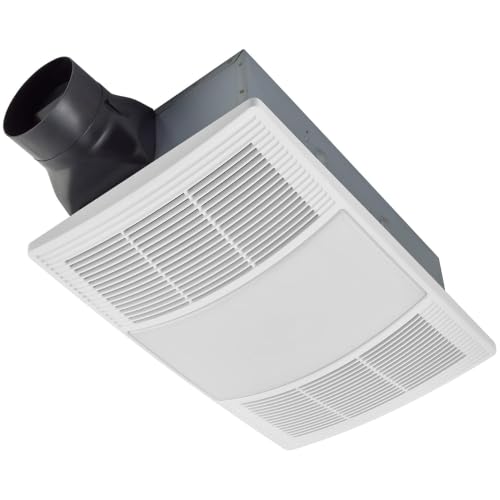
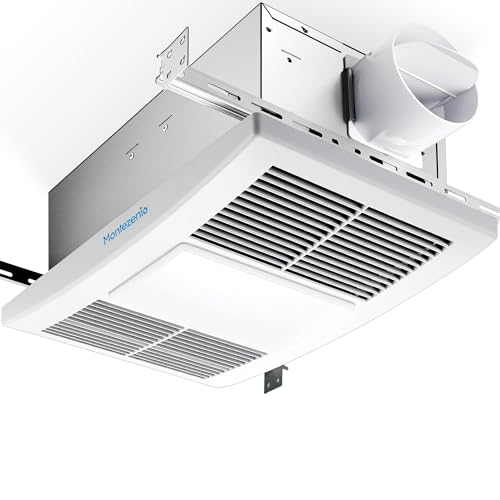
Ceiling mounted heaters free up wall and floor space, but they are harder to install and move later. Radiant heaters warm people and surfaces directly, which can feel pleasant when you step out of the shower.
Safety Features That Matter
Safety deserves more attention in a bathroom than in almost any other room. Look for overheat protection, which shuts the heater off if it gets too hot, and tip over protection on portable models. Check whether the heater is rated for bathroom or damp location use, and follow the maker guidance on distance from tubs, showers and sinks.
Electrical safety matters too. Many bathrooms use ground fault protected outlets, and you should never use an extension cord with a heater unless the maker clearly allows it. Keep cords away from water and walking paths, and never place a heater where it could fall into water. Check for a recognized safety certification mark, and keep towels, curtains and laundry well away from the unit.
Controls, Thermostat and Timer
Good controls make a bathroom heater easier and safer to live with. A thermostat lets the heater hold a steady temperature instead of running at full power all the time. A timer can warm the room before your morning shower and then switch off. Look for controls that are large and clear, since you may use them with damp hands.
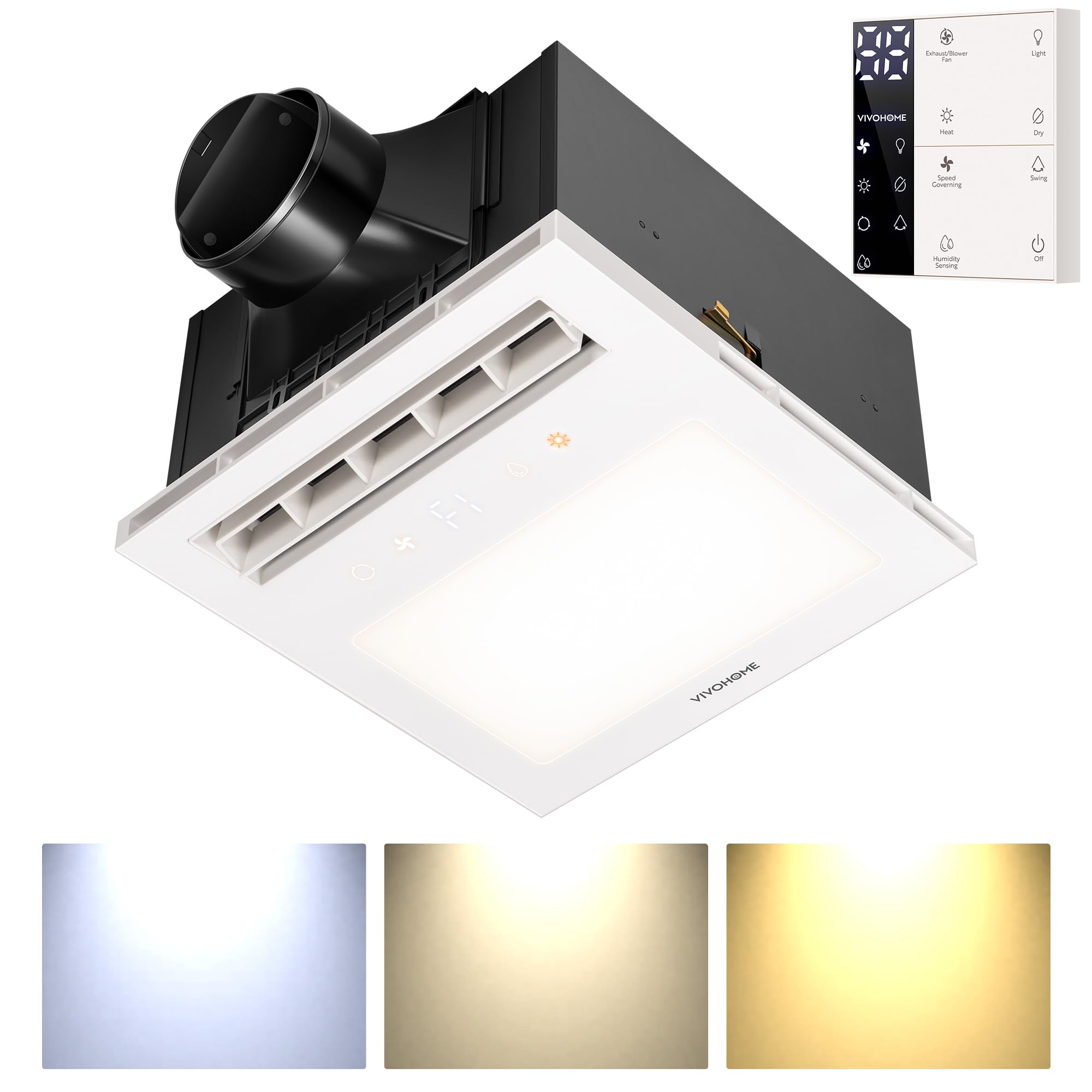
Some heaters offer a remote control, a digital display, or a fan only mode for warmer days. Those extras can be useful, but they should not distract from the basics. A simple heater with a reliable thermostat and a clear off switch is often better than a complicated heater that is hard to set correctly.
Noise and Comfort
Fan heaters can be noisy, and that matters in a small room where sound bounces off tile and glass. If the bathroom is next to a bedroom, look for a heater described as quiet and check the maker noise level when it is given. Radiant models are usually quieter, but they warm a smaller area directly.
Comfort is also about even warmth. A heater that blasts hot air at one spot while leaving the rest of the room cold will feel less pleasant than one that spreads warmth more evenly. Aim the heater toward the area where you dress and dry off, rather than toward a door or an open window.
Energy Use and Running Cost
Most bathroom heaters are used for short periods, so running cost depends more on how long you run the heater than on small efficiency differences. A heater with a thermostat and a timer usually costs less to run than one that runs at full power until switched off. To estimate cost, multiply the watt rating by daily hours of use, then apply your local electricity rate.
For example, a heater used for about 30 minutes each morning and evening will cost much less than the same heater left on all day. Avoid leaving a portable heater running when no one is home. If your bathroom is cold all day, poor insulation or a heating system problem may be the real issue.
Installation and Placement
Placement rules protect both safety and performance. Never place a portable heater on a wet floor or where it could be splashed. Leave the maker recommended clearance around the heater so air can flow. Do not place a heater under a towel rack or curtain where fabric could fall onto it.
For wall mounted and ceiling mounted models, check the installation requirements before you buy. Some need a dedicated electrical circuit or a wall stud for support, and some should only be installed by a qualified electrician. Check local electrical rules and the maker guidance for your home. If gaps around the tub or shower need sealing before a fixed heater goes in, see our guide to the best bathroom caulk.
Spending Levels: What to Expect
Price alone does not tell you whether one of the best bathroom heaters is right for your room. Use these spending levels to understand what usually changes as price rises, and what rarely matters. In every price range, safety and correct size matter more than extra settings.
Lower Cost Options
Lower cost bathroom heaters are usually compact portable fan models with basic controls and a simple thermostat. They can work well in a very small bathroom used for short periods. Expect simpler materials, a louder fan, and fewer settings. Check safety features carefully at this level, since a low price should never mean missing overheat or tip over protection.
Midrange Options
Midrange bathroom heaters often add a better thermostat, a timer, quieter operation, or a more solid build. Wall mounted models are more common in this range, and controls tend to be clearer and easier to use. This range suits most bathrooms, because it balances warmth, safety and convenience without paying for features you may never use.
Higher Cost Options
Higher cost bathroom heaters may offer ceiling mounting, a heater and light combination, a remote control, a digital thermostat, or a quieter and more even heat output. They can be a good choice during a remodel, or for a large primary bathroom. Before paying more, check that the extra cost buys something you will actually use. A higher price does not automatically make a heater safer.
Quick Buyer Checklist
Run through these questions before you buy:
- Have you measured the room and matched heat output to that size?
- Is the heater rated for bathroom or damp location use?
- Does it have overheat protection, and tip over protection if it is portable?
- Can it be placed with the maker recommended clearance from water and fabric?
- Does it have a thermostat and a timer you can use easily?
- Is the electrical supply suitable, with no extension cord needed?
- Have you checked the noise level if quiet mornings matter to you?
- Have you estimated running cost based on how long you will use it each day?
Red Flags to Watch For
Watch for vague heat output claims with no watt rating or room size guidance. Be careful with heaters that lack a recognized safety certification mark, or that give no clear guidance on damp location use. Avoid models that encourage use near water or with an extension cord against maker guidance.
Other warning signs include very short warranty coverage, controls that are hard to read, and a fan much louder than described. If the instructions do not state clearance distances, choose a different option.
Tips to Get the Most From Your Bathroom Heater
Warm the room for a short time before your shower rather than leaving the heater on all day. Keep doors and windows closed while the heater runs, so warm air stays in the room. Leave clearance around the heater intake and outlet, and keep the unit clean following the maker guidance. Warm, dry towels also help, so see our guide to the best bathroom towels if yours need replacing.
For portable models, store the heater in a dry place when it is not in use, and check the cord and plug for damage before each winter season. For general bathroom cleaning, see our guide to the best bathroom cleaner. If the heater trips a breaker or smells unusual, switch it off and do not keep using it until the cause is clear.
Frequently Asked Questions
Is it expensive to run a bathroom heater all day?
Running a bathroom heater all day can become expensive, because most models draw a large amount of power while they are on. The cost depends on the watt rating, your local electricity rate, and how many hours the heater actually runs. A thermostat and timer reduce cost by switching the heater off once the room reaches the set temperature.
What size heater do I need for my bathroom?
Start with the room size, ceiling height, and how cold the room gets in winter. A small powder room usually needs less output than a large primary bathroom with tile floors and an outside wall. Drafts, windows, and a vent fan that removes warm air can also increase the output you need. Use the maker room size guidance as a starting point, then adjust for insulation and drafts.
Do bathroom heaters really work in a cold tile bathroom?
Yes, a correctly sized bathroom heater can make a cold tile bathroom much more comfortable, especially when it is placed to warm the area where you dress and dry off. Tile floors stay cold because tile conducts heat away from your feet, so a heater alone may not warm the floor quickly. Pairing a heater with a bath mat and closed doors improves comfort.
How often should I clean a bathroom heater?
Clean a bathroom heater as often as the maker recommends, and check it more often if the bathroom is dusty or if lint collects near the intake. Dust on a heater can reduce airflow, increase noise, and in some cases create a smell when the heater warms up. Always switch the heater off, unplug a portable model, and let it cool completely before cleaning. Never spray water into a heater.
Where is the best place to put a bathroom heater?
Place a bathroom heater where it warms the area you use most, while staying clear of water, fabric, and walking paths. A wall mounted model near the dressing area often works well, as long as it keeps the maker recommended clearance from tubs, showers, and curtains. Avoid placing a portable heater where it could be splashed or covered by a towel.
Final Thoughts
The right bathroom heater is the one that fits your room size, meets damp location safety needs, and is easy to control every day. Size and safety come first, then placement, noise, and running cost. Use the picks in the table to compare heater types side by side. When you choose one of the best bathroom heaters that matches your room and your routine, cold mornings become much easier to handle.