
Best Commercial Combi Ovens: A 2026 Kitchen Guide
Disclosure: We may earn a commission when you buy through links on this page, at no extra cost to you. As an Amazon Associate I earn from qualifying purchases. Learn more

Choose the best commercial combi ovens by size, utilities, modes and running costs for cafes, hotels and busy restaurants.
A combi oven can steam vegetables, roast meats, bake bread, and regenerate plated meals in one box. The best commercial combi ovens for your kitchen depend on menu, volume, gas or electric supply, and the skill level of your team. This guide explains capacity, modes, and running costs so you can specify the right oven.
Combi ovens range from small countertop models to large floor standing units with many pan levels. Steam, convection, and combination modes each suit different foods, and programmable controls can standardize results across shifts. The comparison table below outlines the main sizes, and the sections that follow explain utilities and maintenance.

Who Should Buy the Best Commercial Combi Ovens, by Size
Small cafes and delis
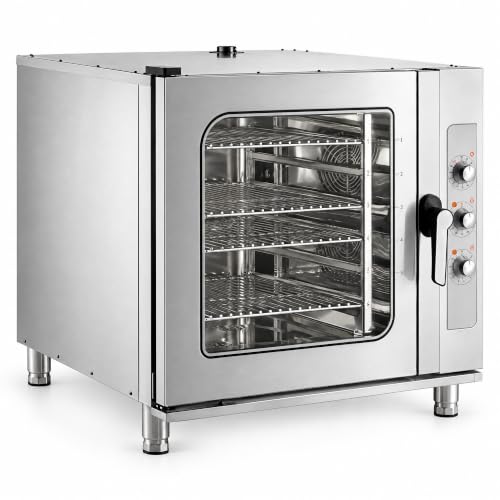
Countertop combi ovens with four to six pan levels suit cafes, delis, and small restaurants. They fit limited kitchens and handle batch cooking for modest covers. Their weakness is throughput at peak, so count your busiest service before choosing small.
Hotels and large restaurants
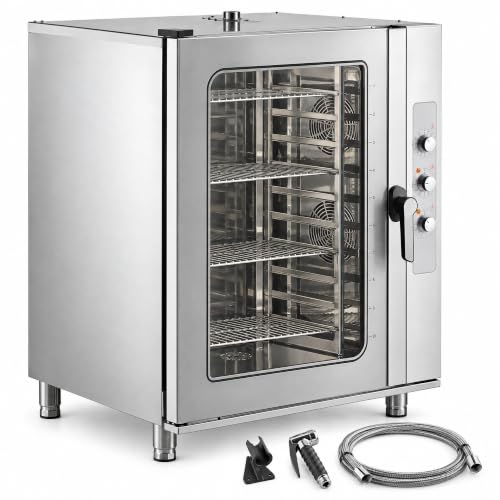
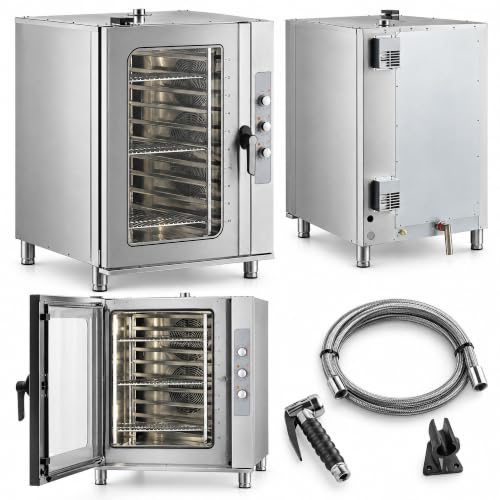
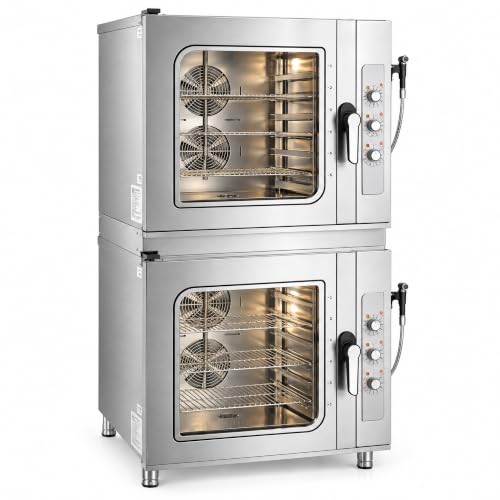
Floor standing ovens with ten to twenty pan levels suit hotels, banqueting, and large restaurants. They handle bulk cooking, regeneration, and overnight slow cooking. Their weakness is cost, space, and utility demand, so confirm gas, electric, water, and drainage before ordering.
Key Features to Compare
Capacity and pan levels
Count gastronorm pan levels and the spacing between them, since tall items need wider gaps. A ten level oven holds less than it seems when pans hold tall roasts. Plan for your largest batch plus a margin, and remember that overloading blocks airflow and steams unevenly.
Steam, convection, and combination modes
Steam mode suits vegetables, rice, and delicate fish without drying. Convection mode suits roasting and baking with crisp results. Combination mode blends steam and dry heat for juicy roasts with crisp skin. Check humidity control range, since fine control separates versatile ovens from basic ones.
Utilities, water, and drainage
Gas ovens need gas supply and flue arrangements, while electric ovens need high amperage circuits. All combi ovens need treated water to prevent scale, plus drainage for steam condensate. Budget for water treatment and professional installation, since poor water quality damages boilers and voids warranties.
Price Tiers and What They Deliver
Countertop ovens around $3,000 to $8,000 suit small kitchens with modest volume. Midrange floor ovens around $8,000 to $20,000 add capacity, programmability, and robust steam systems. Large ovens above $20,000 bring high throughput, advanced controls, and banqueting features for major operations.
Living With Your Choice Day to Day
Run daily cleaning cycles, descale on schedule, and train every shift on basic operation and safety. Hot steam burns quickly, so open doors carefully and use oven gloves rated for steam. Never bypass door interlocks or run a damaged oven, and have gas, electric, and water faults checked by qualified technicians.
Related Guides Worth Reading
For nearby options, compare best combi ovens, best commercial ovens, best commercial pizza ovens, best commercial microwave ovens and best commercial convection ovens.
A Final Check Before You Order
Audit your menu for combi friendly dishes, counting how many benefit from steam, combination, or convection modes versus grill or fry only items. A menu dominated by fried foods gains less from a combi oven than a menu rich in roasts, steamed vegetables, and regenerated plates. Try signature dishes in a demo oven when possible, since real results beat brochure claims. Menu fit decides whether a combi oven transforms service or gathers dust.
Confirm utilities with qualified installers before ordering, including gas supply, electrical amperage, water treatment, and drainage. Combi ovens demand treated water, and hard water without treatment scales boilers quickly and expensively. Check door swing, ventilation clearance, and floor loading for large floor models. Utility surprises after delivery cost far more than pre purchase checks.
Calculate total ownership costs over five years, including energy, water treatment, cleaning chemicals, descaling and service. Cheap ovens with dear consumables and frequent service can outspend premium ovens with efficient designs, and owners can tell you real running costs for your volume.
Mistakes Worth Avoiding
Do not overload pans hoping to boost throughput, since crowded ovens block airflow and cook unevenly. Steam cannot reach food packed tightly, and convection needs gaps for circulation. Follow maker loading guidance and batch sensibly, even during rushes. Even cooking in two batches beats uneven cooking in one overloaded batch.
Do not skip water treatment to save money, since scale damage to boilers and steam systems costs far more than filters and softeners. Hard water deposits accumulate silently, then cause breakdowns during peak service. Check water hardness, install appropriate treatment, and replace cartridges on schedule. Water treatment is cheap insurance for an expensive oven.
Do not open combi doors carelessly, since escaping steam burns skin quickly and seriously. Stand to the side, open slowly, and wear steam rated gloves when handling hot pans. Train every user on steam safety, including new and temporary staff. A moment of carelessness around steam causes injuries that proper technique prevents easily.
Running a Combi Oven Well
Standardize recipes across shifts by recording mode, temperature, humidity and time for each signature dish, and store the programs in the oven where supported. Schedule professional service before peak seasons rather than after a breakdown, since a quiet week visit costs far less than an emergency repair during a holiday rush.
Where menus allow, use low temperature steam modes for overnight slow cooking, with food safety times in mind and a temperature check before service. It frees daytime capacity for a la carte orders.
Frequently Asked Questions
What size combi oven does my kitchen need?
Size follows your busiest service, not your average day. Count pans per service for your main dishes, add a margin for peaks, and check pan spacing for tall items. Small kitchens often manage with six levels, while banqueting needs ten or more. Overloading an oven slows cooking and hurts quality, so size generously.
Gas or electric combi oven?
Gas suits kitchens with existing gas supply and high volume roasting, often with lower running costs. Electric suits kitchens without gas lines and offers precise control, though it needs high amperage circuits. Check local utility costs, installation rules, and ventilation needs for each type. Your building services often decide the question.
How hard are combi ovens to clean?
Modern combi ovens offer automatic cleaning cycles that handle most daily soil with tablets or liquid cleaner. Staff still need to wipe seals, empty drip trays, and descale on schedule. Neglecting cleaning causes odors, scale damage, and hygiene risks. Budget cleaning consumables and train every shift, since a dirty oven affects food quality fast.
Can one combi oven replace other equipment?
A combi oven can replace steamers, convection ovens, and holding cabinets for many tasks, which saves space. It cannot fully replace grills, fryers, or specialized bake ovens for every menu item. Plan menus around combi strengths such as roasting, steaming, and regeneration. Keep specialty equipment where its results clearly beat combi output.
What running costs should I budget?
Budget for energy, water treatment, cleaning chemicals, descaling, and periodic service visits. Steam ovens use treated water, and untreated hard water causes expensive scale damage. Energy use varies with volume and mode, so track utility bills after installation. A service contract often pays for itself by preventing peak service breakdowns.
Final Thoughts
Size for your busiest service, confirm utilities and water treatment, and train every shift. The product table above can narrow the sizes, but your menu and peak covers decide. A well maintained combi oven earns its cost through versatility and consistency.
When the shortlist is down to two or three options, the best commercial combi ovens guidance above can break the tie with confidence.


